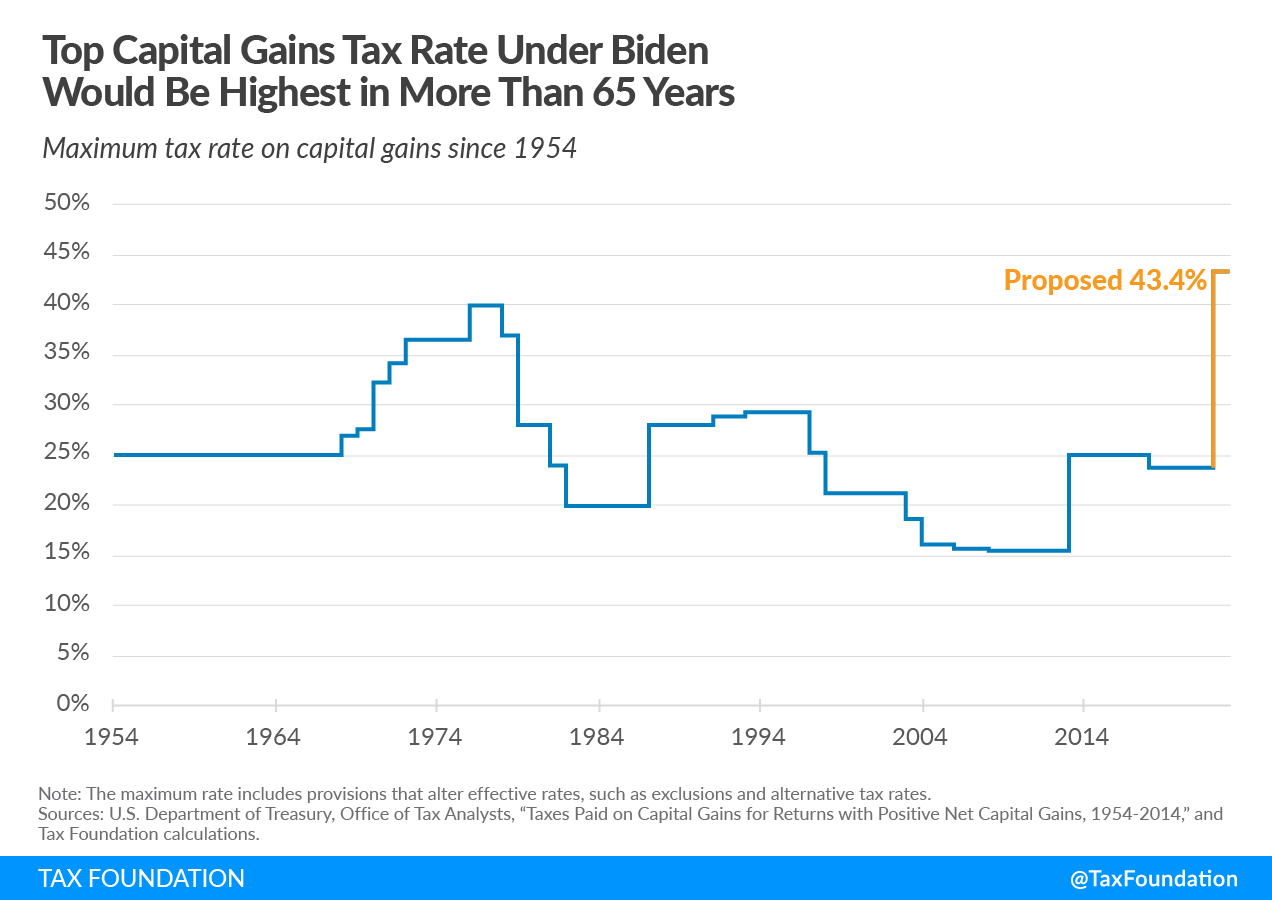
For the 2018 tax year, standard death benefit proceeds paid to a beneficiary were generally income tax-free under Internal Revenue Code Section 101(a), meaning no capital gains or ordinary income taxes applied. However, gains realized from surrendering a policy or selling it via a life settlement were subject to tax: policy surrenders were taxed as ordinary income (up to 37%), while life settlements triggered capital gains rates (0%, 15%, or 20%) on proceeds exceeding the cash surrender value.
Understanding Life Insurance Taxation in Tax Year 2018
Determining the tax liability on life insurance proceeds requires distinguishing between the death benefit received by a beneficiary and lifetime payouts realized by a policyholder. The enactment of the Tax Cuts and Jobs Act (TCJA) of 2017, which took full effect for the 2018 tax year, revised key provisions governing policy sales, income tax brackets, and federal estate tax thresholds.
Many taxpayers assume that any profit derived from a financial instrument qualifies for capital gains treatment. With life insurance, the Internal Revenue Service (IRS) treats different transaction types under distinct sections of the Internal Revenue Code (IRC).
While death benefits are overwhelmingly tax-exempt, cash value growth, policy surrenders, and secondary market sales (life settlements) follow specialized rules that blend ordinary income tax rates with long-term capital gains rates.
1. Death Benefits: General Income Tax Exemption
Under IRC § 101(a)(1), gross income does not include amounts received under a life insurance contract if such amounts are paid by reason of the death of the insured. Whether the policy is term life, whole life, or universal life, a lump-sum death benefit payout in 2018 was completely exempt from federal income tax and capital gains tax.
- LIFE INSURANCE PROCEEDS
- Death Benefits (IRC § 101(a))
- Tax-Free Lump Sum (No Income or Capital Gains Tax)
- Lifetime Transactions (Surrenders / Sales)
- Taxable Based on Basis Exemption (Ordinary Income vs. Capital Gains)
- Death Benefits (IRC § 101(a))
Exceptions to the Death Benefit Tax Exemption
Although the general rule guarantees tax-free treatment for beneficiaries, several critical exceptions under 2018 tax law created income tax liabilities:
- Interest Option / Installment Payouts: If a beneficiary elected to receive the death benefit in installments or left the funds with the insurer to earn interest, the principal remained tax-free, but the accrued interest generated after the death of the insured was fully taxable as ordinary income.
- Transfer-for-Value Rule (IRC § 101(a)(2)): If a life insurance policy was transferred or sold to another party for valuable consideration prior to the insured's death, the death benefit exclusion was limited. The transferee could only exclude the actual consideration paid plus subsequent premiums. The remainder of the death benefit was taxable as ordinary income, not capital gains.
- Employer-Owned Life Insurance (EOLI): Under IRC § 101(j), death benefits from policies owned by employers on employees were taxable unless strict employee notice and consent requirements were satisfied before policy issuance.
2. Cash Value Surrenders and Policy Withdrawals
When a policyholder surrenders a cash value life insurance policy (such as whole life or universal life) during their lifetime, the distribution is governed by IRC § 72(e) rather than capital gains provisions.
The Cost Basis and First-In, First-Out (FIFO) Rule
For standard life insurance contracts that are not classified as Modified Endowment Contracts (MECs), lifetime distributions follow a First-In, First-Out (FIFO) accounting method:
- Return of Basis (Tax-Free): The taxpayer's cost basis equals the total net premiums paid into the policy minus any prior non-taxable distributions or dividends received. Withdrawals up to this cumulative investment in the contract are received tax-free.
- Gains Above Basis (Ordinary Income): Any amount received upon surrender or withdrawal that exceeds the adjusted cost basis is taxed as ordinary income.
Important Distinction: Excess gains on policy surrenders do not qualify for long-term capital gains tax rates, regardless of how many decades the policy was held. The IRS classifies this excess as ordinary income under IRC § 72(e)(2)(B).
2018 Federal Ordinary Income Tax Brackets
For taxpayers surrendering a policy in 2018, the excess cash value over basis was taxed according to the revised TCJA ordinary income tax brackets:
| 2018 Tax Rate | Single Filers (Taxable Income) | Married Filing Jointly (Taxable Income) |
|---|---|---|
| 10% | $0 to $9,525 | $0 to $19,050 |
| 12% | $9,526 to $38,700 | $19,051 to $77,400 |
| 22% | $38,701 to $82,500 | $77,401 to $165,000 |
| 24% | $82,501 to $157,500 | $165,001 to $315,000 |
| 32% | $157,501 to $200,000 | $315,001 to $400,000 |
| 35% | $200,001 to $500,000 | $400,001 to $600,000 |
| 37% | Over $500,000 | Over $600,000 |
3. Secondary Market Sales: Life Settlements and Capital Gains Rates
The primary scenario in 2018 where capital gains tax rates directly applied to life insurance proceeds was through a life settlement—the sale of an existing policy to a third-party investor for a lump sum exceeding the cash surrender value.
TCJA Reform of Revenue Ruling 2009-13
Before 2018, IRS Revenue Ruling 2009-13 required policyholders selling their contracts to reduce their cost basis by the cumulative cost of insurance (COI) charges deducted over the policy's life. This requirement artificially inflated the taxable gain upon sale.
Section 13525 of the Tax Cuts and Jobs Act of 2017 repealed this requirement effective for transactions occurring after December 31, 2017. For the 2018 tax year onward, a seller's cost basis in a life settlement was simplified to equal the total cumulative premiums paid, without any reduction for cost-of-insurance charges.
Three-Tiered Tax Structure for Life Settlements in 2018
When selling a life insurance contract in 2018, proceeds were categorized into three distinct tax tiers:
- LIFE SETTLEMENT PROCEEDS
- Tier 1: Up to Total Net Premiums Paid: Tax-Free (Return of Basis)
- Tier 2: Cash Value Exceeding Basis: Ordinary Income Rate
- Tier 3: Sale Price Above Cash Value: Capital Gains Rate
- Tier 1 (Tax-Free Basis): Proceeds up to the policyholder's adjusted cost basis (cumulative premiums paid) were treated as a non-taxable return of capital.
- Tier 2 (Ordinary Income): Proceeds exceeding the adjusted basis up to the policy's total cash surrender value were taxed as ordinary income under IRC § 72(e).
- Tier 3 (Capital Gains): Any remaining settlement proceeds received above the cash surrender value were taxed as long-term or short-term capital gains, provided the policy was held as a capital asset.
2018 Capital Gains Tax Rates
If a policy held for more than one year generated Tier 3 proceeds in 2018, those gains were subject to 2018 long-term capital gains tax rates:
| Long-Term Capital Gains Rate | Single Taxable Income Threshold | Married Filing Jointly Threshold |
|---|---|---|
| 0% | Up to $38,600 | Up to $77,200 |
| 15% | $38,601 to $425,800 | $77,201 to $479,000 |
| 20% | Over $425,800 | Over $479,000 |
Additional Net Investment Income Tax (NIIT)
In addition to the standard 0%, 15%, or 20% capital gains rate, high-income taxpayers in 2018 were subject to the 3.8% Net Investment Income Tax (NIIT) under IRC § 1411. This tax applied to the lesser of net investment income (which includes taxable gains from policy sales) or the excess of modified adjusted gross income (MAGI) over the following statutory thresholds:
- Single / Head of Household: $200,000
- Married Filing Jointly: $250,000
- Married Filing Separately: $125,000
Consequently, the maximum effective federal capital gains rate for a life settlement in 2018 was 23.8% (20% top capital gains rate + 3.8% NIIT).
4. Special Tax Considerations: MECs and Accelerated Death Benefits
Modified Endowment Contracts (MECs)
A life insurance policy that fails the 7-pay test under IRC § 7702A (because it was funded too quickly relative to its death benefit) is classified as a Modified Endowment Contract.
For tax year 2018, lifetime distributions or policy loans from a MEC were treated under Last-In, First-Out (LIFO) tax rules:
- Withdrawals and policy loans were taxed as ordinary income to the extent of gains inside the contract before any basis could be retrieved tax-free.
- If the policyholder was under age 59½ at the time of distribution, a 10% additional tax penalty applied to the taxable portion under IRC § 72(v), unless an exception (such as disability) applied.
- Note on Death Benefits: Being classified as a MEC does not strip the policy of its tax-free death benefit status under IRC § 101(a). The death benefit paid to a beneficiary upon the insured's death remained income-tax-free in 2018.
Accelerated Death Benefits and Viatical Settlements
Under IRC § 101(g), qualified accelerated death benefits paid prior to death to an insured who is terminally ill (certified by a physician as having an illness expected to result in death within 24 months) or chronically ill are excluded from federal gross income:
- Terminally Ill Individuals: All accelerated death benefit payments or viatical settlement sales were 100% exempt from income tax and capital gains tax in 2018.
- Chronically Ill Individuals: Payments were tax-exempt up to a statutory daily per diem limit ($360 per day in 2018) or the actual cost of qualified long-term care services, whichever was higher.
5. Federal Estate Tax Context for 2018
While death benefits are generally free from income tax and capital gains tax, they can be included in the gross estate for federal estate tax purposes under IRC § 2042.
If the deceased insured possessed any "incidents of ownership" in the policy (such as the right to change beneficiaries, borrow against cash value, or cancel the contract) at the time of death or transferred ownership within three years of death (IRC § 2035), the entire face value of the policy was included in the decedent's taxable estate.
- 2018 FEDERAL ESTATE TAX THRESHOLDS
- Individual Exemption Amount: $11,180,000
- Married Couple Exemption: $22,360,000
- Top Federal Estate Tax Rate: 40%
The Tax Cuts and Jobs Act substantially elevated the federal estate tax exemption starting in 2018. The basic exclusion amount rose to $11.18 million per individual ($22.36 million for a married couple). As a result, the vast majority of life insurance death benefits paid in 2018 avoided federal estate tax altogether, even when included in the gross estate under IRC § 2042.
6. Comprehensive Tax Treatment Summary Table
The following table summarizes the federal tax classification, primary rates, and governing tax codes for life insurance financial transactions in 2018:
| Transaction Type | Applicable Tax Category | 2018 Federal Tax Rate | Key Tax Code Section |
|---|---|---|---|
| Standard Death Benefit (Lump Sum) | Tax-Exempt | 0% | IRC § 101(a) |
| Death Benefit Installment Interest | Ordinary Income | 10% to 37% | IRC § 101(d) |
| Policy Cash Withdrawal (up to Basis) | Non-Taxable Return of Capital | 0% | IRC § 72(e) |
| Policy Surrender (Gains over Basis) | Ordinary Income | 10% to 37% | IRC § 72(e) |
| MEC Loan / Withdrawal (Gains) | Ordinary Income (+ 10% Penalty if < 59½) | 10% to 37% (+ 10%) | IRC § 7702A / § 72(v) |
| Life Settlement (Gains up to Surrender Value) | Ordinary Income | 10% to 37% | Rev. Rul. 2009-13 / TCJA § 13525 |
| Life Settlement (Proceeds above Surrender Value) | Long-Term Capital Gains | 0%, 15%, 20% (+ 3.8% NIIT if applicable) | IRC § 1221 / TCJA § 13525 |
| Viatical Settlement (Terminally Ill) | Tax-Exempt | 0% | IRC § 101(g) |
7. Reporting Requirements for 2018 Tax Returns
For transactions completed in 2018 that generated taxable income or capital gains, specific IRS reporting forms were required:
- IRS Form 1099-R: Insurers issued Form 1099-R to report policy surrenders, MEC withdrawals, or taxable annuity conversions. Box 1 reports total distributions, while Box 2a reports the taxable ordinary income portion.
- IRS Form 1099-LS & Form 1099-SB: Enacted under the TCJA for tax year 2018, acquirers of life insurance policies in reportable policy sales used Form 1099-LS to report payments made to sellers. Issuing insurance companies used Form 1099-SB to report the seller's cost basis and investment in the contract.
- IRS Form 8949 and Schedule D: If a policy settlement generated capital gains (Tier 3), the portion exceeding the cash surrender value was reported on Form 8949 (Sales and Other Dispositions of Capital Assets) and summarized on Schedule D of Form 1040.
- IRS Form 706: Required for estates exceeding the $11.18 million threshold in 2018 to report life insurance policies owned by the decedent or transferred within three years of death.
Frequently Asked Questions
Are life insurance proceeds considered capital gains?
No, standard life insurance death benefits are not considered capital gains and are generally excluded from gross income under IRC § 101(a). Capital gains rates only apply in specific lifetime sales, such as a life settlement, where the sale price exceeds the policy’s total cash surrender value.
What was the tax rate on a full policy surrender in 2018?
Surrendering a cash value life insurance policy in 2018 incurred ordinary income tax—not capital gains tax—on any amount received above the policy’s cost basis. The applicable 2018 federal ordinary income tax rates ranged from 10% to 37%, depending on the policyholder's total taxable income and filing status.
How did the 2017 Tax Cuts and Jobs Act change life settlement taxes for 2018?
The TCJA eliminated the requirement from Revenue Ruling 2009-13 that sellers subtract cumulative cost-of-insurance (COI) charges from their cost basis. Effective for sales after December 31, 2017, the seller's basis equaled total premiums paid, which significantly reduced taxable gains for life settlements conducted in 2018.
Do policy loans trigger income tax or capital gains tax?
Under non-MEC life insurance contracts, policy loans are generally tax-free and do not trigger capital gains or ordinary income tax, provided the policy remains active. However, if a policy with an outstanding loan lapses or is surrendered, the unpaid loan balance is treated as a taxable distribution taxed as ordinary income to the extent it exceeds cost basis.
What is the maximum federal tax rate for selling a life insurance policy?
In 2018, the ordinary income portion of a policy sale was taxed up to 37%. The capital gains portion (amounts received above cash surrender value) was capped at a 20% long-term capital gains tax rate, plus the 3.8% Net Investment Income Tax (NIIT) for high earners, bringing the maximum total federal capital gains rate on that segment to 23.8%.
Actionable Next Steps
If you are evaluating past 2018 tax filings or planning future transactions involving cash value life insurance policies, take the following steps:
- Audit Historical Policy Basis: Calculate total gross premiums paid into the contract minus non-taxable dividends or withdrawals. This establishes your exact cost basis under post-TCJA guidelines.
- Determine Transaction Type: Distinguish carefully between policy surrenders (taxed as ordinary income under IRC § 72(e)) and secondary market settlements (eligible for capital gains treatment under IRC § 1221).
- Review Tax Reporting: Verify that Form 1099-R, Form 1099-LS, or Form 8949 were completed accurately for historic transactions to prevent misclassification of ordinary income as capital gains or vice versa.
- Consult a Qualified Professional: Tax laws surrounding life insurance contracts involve complex interplay between IRS sections. Work with a Certified Public Accountant (CPA) or estate planning attorney to ensure full tax compliance and optimal wealth transfer structuring.
Disclaimer: Tax laws, regulations, and reporting requirements are subject to change and vary by personal financial circumstances and state tax codes. This article provides general educational information for tax year 2018. Consult a qualified professional tax advisor or legal counsel for personalized financial advice.