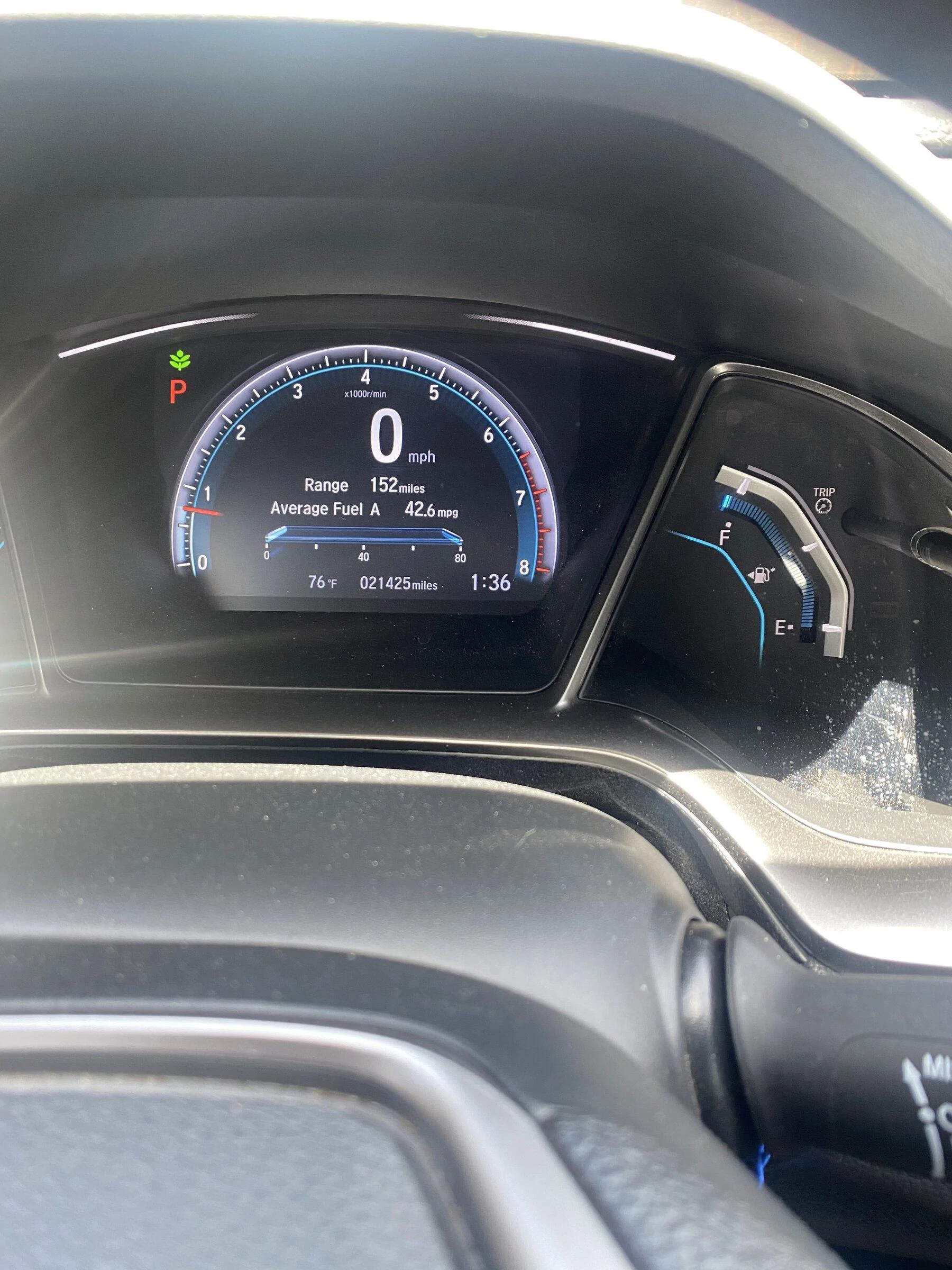
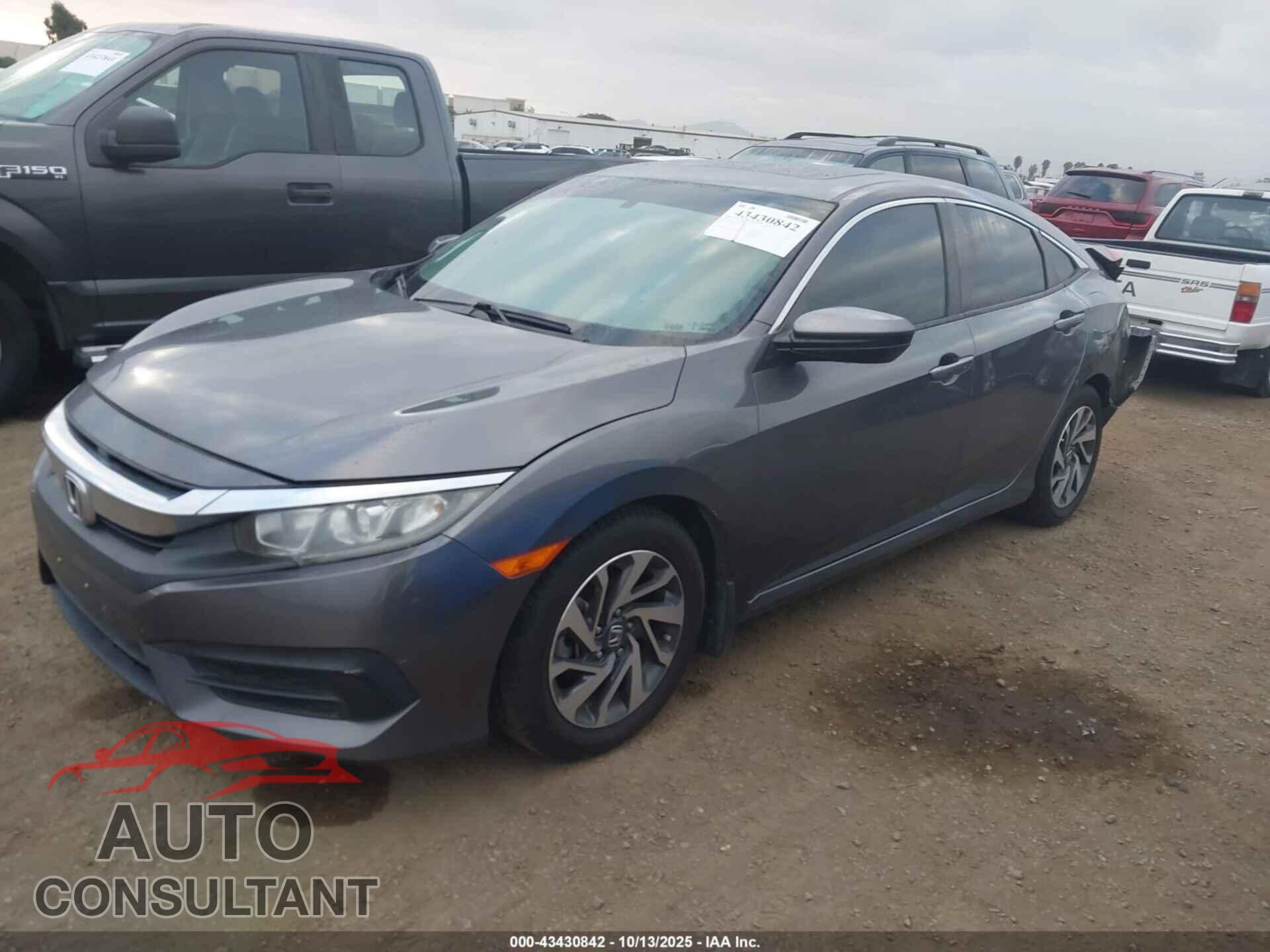
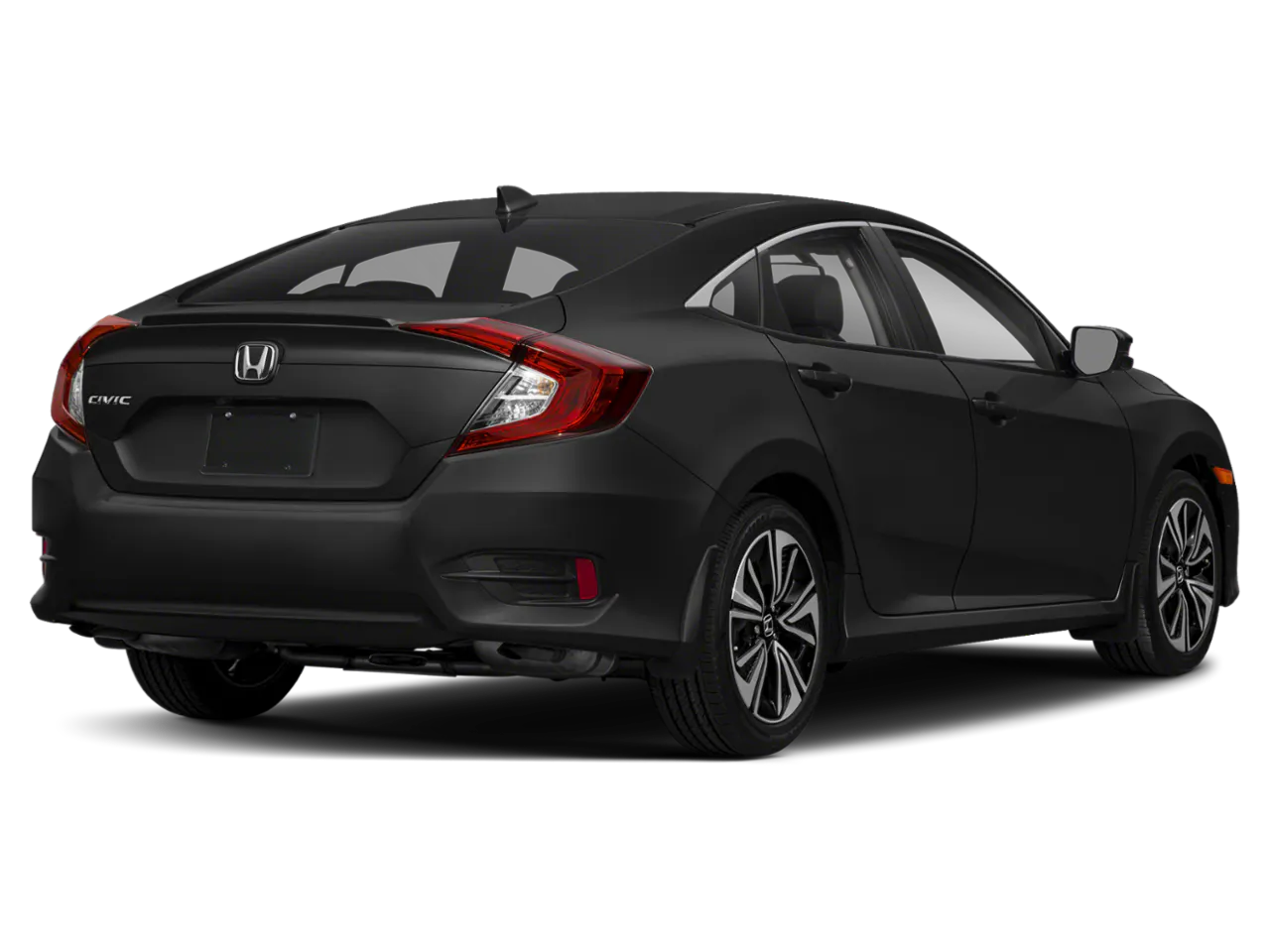
The 2018 Honda Civic EX achieves an EPA-estimated fuel economy of 31 mpg in the city, 40 mpg on the highway, and 35 mpg in combined driving. Equipped with a 2.0-liter naturally aspirated four-cylinder engine and a Continuously Variable Transmission (CVT), this trim level balances everyday drivability with long-term fuel efficiency for commuters and road-trip enthusiasts alike.
Evaluating the fuel economy of a pre-owned vehicle requires looking beyond window-sticker figures to understand how real-world conditions, engine configurations, driving habits, and maintenance schedules impact efficiency. For owners and prospective buyers of the 2018 Honda Civic EX, understanding these factors helps optimize fuel costs, maintain optimal performance, and diagnose mechanical or operational issues that cause drops in fuel economy.
2018 Honda Civic EX Powertrain and Technical Specifications
To understand the fuel economy of the 2018 Honda Civic EX, it is essential to examine the mechanical hardware beneath the hood. The EX trim utilizes a specific engine and transmission pairing that differentiates it from both the base LX trim (which offers a manual transmission option) and the turbocharged trims like the EX-T, EX-L, and Touring.
The 2018 Honda Civic EX features a 2.0-liter, port-injected, DOHC i-VTEC four-cylinder engine. This powerplant generates 158 horsepower at 6,500 rpm and 138 lb-ft of torque at 4,200 rpm. Unlike the 1.5-liter turbocharged engine found in higher trims, this naturally aspirated block relies on linear power delivery, making throttle response predictable and consistent across various driving environments.
Power is routed to the front wheels through a Continuously Variable Transmission (CVT). Unlike traditional stepped automatic transmissions with a fixed number of gears, a CVT uses a system of pulleys and a steel belt to provide a seamless, infinite range of gear ratios. This allows the engine to operate at its optimal RPM range for fuel efficiency during steady-state cruising, which directly contributes to the high highway fuel economy ratings of the Civic line.
Trim-Level Variations in Fuel Economy
When shopping for or reviewing a 2018 Honda Civic, buyers frequently encounter different fuel economy ratings across trims due to variations in curb weight, wheel dimensions, and forced induction.
| Trim Level | Engine Type | Transmission | City MPG | Highway MPG | Combined MPG |
|---|---|---|---|---|---|
| LX (Manual) | 2.0L 4-Cylinder | 6-Speed Manual | 28 | 40 | 32 |
| LX / EX / LX-P | 2.0L 4-Cylinder | CVT | 31 | 40 | 35 |
| EX-T / EX-L / Touring | 1.5L Turbo 4-Cylinder | CVT | 32 | 42 | 35 |
| Si | 1.5L Turbo 4-Cylinder | 6-Speed Manual | 28 | 38 | 32 |
The data shows that while turbocharged models achieve slightly higher figures on the highway (up to 42 mpg), the 2.0L CVT setup in the EX matches the combined efficiency at 35 mpg while avoiding the specific maintenance considerations associated with turbochargers and direct-injection carbon buildup.
EPA Estimates vs. Real-World Driving Dynamics
Environmental Protection Agency (EPA) laboratory testing provides a standardized baseline for comparing vehicle efficiency, but real-world fuel economy frequently fluctuates based on external variables. Drivers of the 2018 Honda Civic EX often report varying results depending on terrain, climate, and driving behavior.
The Role of ECON Mode
The 2018 Honda Civic EX includes an ECON button located on the lower dash. When engaged, ECON mode alters several vehicle parameters to maximize fuel economy:
- Throttle Response: The sensitivity of the accelerator pedal is dampened, requiring a deeper press to achieve rapid acceleration, which prevents aggressive throttle inputs.
- Transmission Mapping: The CVT adjusts its ratio changes to keep engine RPMs lower during acceleration phases.
- Climate Control Operation: The air conditioning compressor and blower fan operate with reduced intensity to lower auxiliary engine load.
While ECON mode can yield measurable improvements in heavy stop-and-go city traffic, many drivers notice minimal difference during long highway trips where throttle inputs remain steady.
Aerodynamics and Weight
The tenth-generation Honda Civic (spanning model years 2016 through 2021) was engineered with a sleek, aerodynamic fastback silhouette featuring an underbody panelling design that reduces drag coefficient. The EX trim includes 16-inch alloy wheels wrapped in 215/55R16 all-season tires. Maintaining the correct tire rolling resistance and factory wheel size is critical; aftermarket modifications such as wider wheels, heavier rims, or roof racks disrupt the aerodynamic and rolling efficiency, dropping highway fuel economy by 2 to 4 mpg.
Operating Costs and Financial Impact of Fuel Efficiency
Fuel economy directly dictates the cost of ownership. To evaluate the ongoing expenses of operating a 2018 Honda Civic EX, owners must calculate fuel consumption based on annual mileage and regional fuel prices.
Assuming an average driving distance of 15,000 miles per year and a combined fuel economy of 35 mpg, the vehicle consumes approximately 428.5 gallons of gasoline annually. At a hypothetical fuel cost of $3.50 per gallon, the yearly fuel expenditure equals roughly $1,500. By comparison, a vehicle averaging 25 mpg under the same conditions would consume 600 gallons, resulting in an annual fuel cost of $2,100—highlighting a yearly savings of $600 in favor of the Civic EX.
Furthermore, the 2018 Civic EX runs on regular unleaded gasoline (87 octane or higher), sparing owners the added expense of premium fuel required by many performance-oriented or high-compression turbocharged engines.
Factors That Cause Reduced Fuel Economy in a Used 2018 Civic EX
As vehicles age, accumulated wear and deferred maintenance can degrade fuel efficiency below factory specifications. Owners experiencing a sudden or gradual drop in mpg should investigate several common mechanical and environmental culprits:
1. Ignition and Combustion Health
Worn spark plugs or failing ignition coils prevent complete fuel combustion within the cylinders. The 2018 Honda Civic 2.0L engine requires periodic inspection and replacement of its iridium spark plugs, typically recommended by Honda at 105,000 miles. Failing plugs lead to misfires, rough idling, and increased fuel consumption as the Engine Control Unit (ECU) attempts to compensate for lost power.
2. Air Intake and Filtration
A clogged engine air filter restricts airflow into the combustion chambers, forcing the engine to work harder to draw in air and reducing volumetric efficiency. Similarly, a dirty Mass Air Flow (MAF) sensor sends incorrect air density readings to the computer, skewing the air-fuel ratio toward a rich mixture that burns excess fuel.
3. Tire Pressure and Alignment
Underinflated tires increase rolling resistance, requiring more energy from the engine to maintain forward motion. Maintaining the manufacturer-specified tire pressure (typically 32 psi for the Civic EX, located on the driver's door jamb placard) is one of the simplest ways to protect fuel economy. Misaligned suspension components also cause scrubbing and drag, dragging down efficiency.
4. Transmission Fluid and CVT Wear
The CVT fluid degrades over time due to heat and mechanical shear. While Honda's maintenance minder system dictates service intervals, failing to change the HCF-2 CVT fluid can cause belt slip or delayed ratio changes, robbing the drivetrain of mechanical efficiency.
Frequently Asked Questions
What is the exact EPA gas mileage rating for the 2018 Honda Civic EX?
The EPA rates the 2018 Honda Civic EX at 31 mpg city, 40 mpg highway, and 35 mpg combined. These figures apply to models equipped with the 2.0-liter engine and standard Continuously Variable Transmission.
Does the 2018 Honda Civic EX require premium fuel?
No. The 2.0-liter engine is designed to run efficiently on regular unleaded gasoline with an octane rating of 87 or higher. Using premium fuel provides no performance or fuel economy advantage for this naturally aspirated engine.
How does the EX trim fuel economy compare to the Civic LX and Touring trims?
The EX matches the LX CVT model and standard EX-T/Touring models in combined efficiency at 35 mpg. However, turbocharged trims (EX-T, EX-L, Touring) achieve slightly higher highway ratings (up to 42 mpg) due to the efficiency of forced induction during steady cruising, while the base LX with a manual transmission drops to 28 mpg in the city.
Why is my 2018 Honda Civic EX getting lower gas mileage than advertised?
Real-world fuel economy is influenced by aggressive driving habits, excessive idling, cold weather conditions, underinflated tires, roof racks, aging spark plugs, and clogged air filters. Short city trips where the engine does not reach operating temperature also significantly lower average mpg.
Does turning on the A/C or using ECON mode affect fuel economy?
Using the air conditioning compressor places an auxiliary load on the engine, which can reduce fuel economy by 1% to 4% depending on fan speed and ambient temperature. Engaging ECON mode helps offset this auxiliary draw by smoothing out throttle response and tempering climate control intensity.
Conclusion and Next Actions
The 2018 Honda Civic EX remains a benchmark for compact car efficiency, offering a reliable 35 mpg combined rating that keeps operating costs low. To maintain or restore peak fuel economy, ensure your vehicle undergoes routine preventative maintenance: check tire pressures monthly, replace engine air and cabin filters on schedule, inspect spark plugs past the 100,000-mile mark, and keep up with recommended CVT fluid changes using genuine Honda fluid.