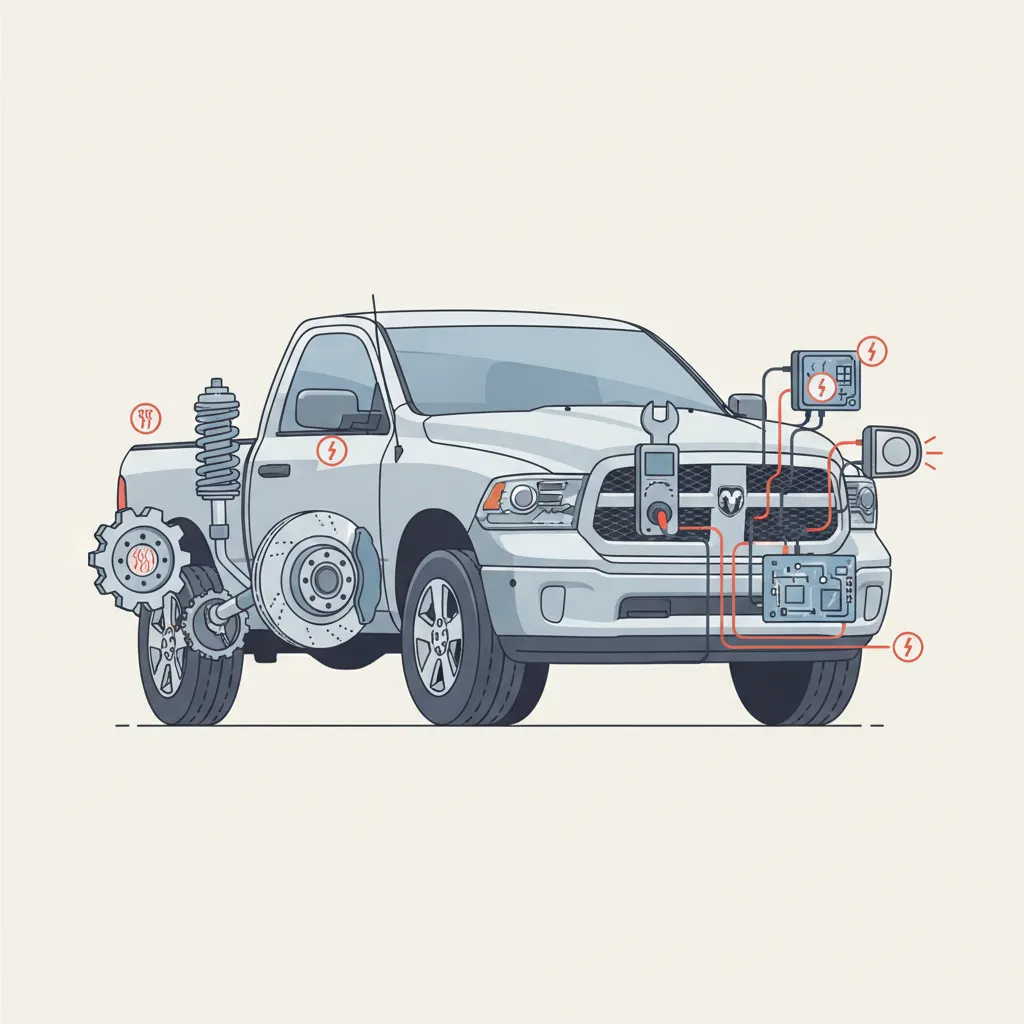
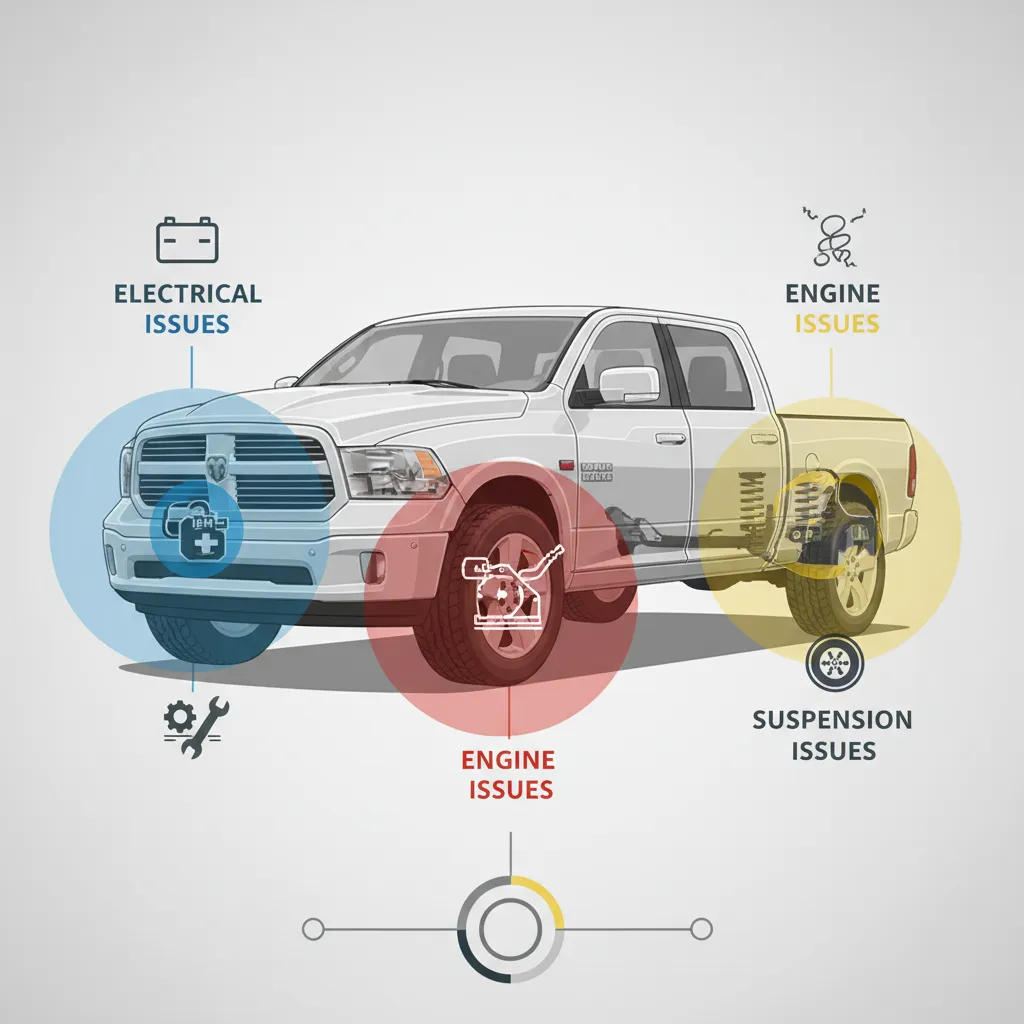
The 2015 Ram 1500 is generally regarded as a comfortable, capable light-duty pickup, but it suffers from several well-documented mechanical issues, most notably exhaust manifold bolt failures on the 5.7L HEMI engine, catastrophic EGR and oil cooler failures on the 3.0L EcoDiesel, and air suspension malfunctions in cold climates. While the 8-speed ZF transmission is robust, electrical glitches in the Uconnect system and water leaks from the third brake light are also frequent complaints for owners of this model year.
Overview of 2015 Ram 1500 Reliability in 2026
By 2026, the 2015 Ram 1500 has firmly transitioned into the high-mileage category. Most units on the road today have surpassed the 120,000-mile mark, meaning that original factory warranties—including the powertrain coverage—have long since expired. This decade of service has allowed a clear picture of the truck’s long-term durability to emerge.
The 2015 model year was part of the fourth-generation Ram (DS platform). It was a period of transition where Ram was attempting to lead the market in fuel efficiency through the introduction of the EcoDiesel V6 and the widespread implementation of the ZF-sourced 8-speed automatic transmission. While these innovations provided class-leading driving dynamics at the time, they also introduced specific complexities that have become the primary sources of repair bills a decade later.
For a used buyer or a current owner, understanding these problems isn't just about identifying what might break; it is about knowing which issues are "nuisance repairs" (like a leaky light) and which are "total loss" events (like a spun bearing in an EcoDiesel).
Major Powertrain Issues: HEMI vs. Pentastar vs. EcoDiesel
The 2015 Ram 1500 offered three primary engines, each with its own distinct profile of mechanical vulnerabilities.
1. The 5.7L HEMI V8: Manifold Bolts and "The Tick"
The 5.7L HEMI is the most common engine found in the 2015 model. While the iron block is sturdy, two specific issues dominate owner forums:
- Exhaust Manifold Bolt Failure: This is arguably the most common problem with the 2015 Ram 1500. The cast-iron exhaust manifolds and the aluminum cylinder heads expand and contract at different rates during heat cycles. This creates significant shear stress on the mounting bolts, particularly those at the rear of the engine (cylinders 7 and 8). Eventually, the bolt heads snap off, leading to an exhaust leak. This manifests as a loud tapping or "ticking" sound when the engine is cold, which often fades as the metal expands and seals the gap. Repairing this often requires drilling out the broken studs, a labor-intensive process.
- The "HEMI Tick" (Lifter and Camshaft Failure): Distinct from the manifold leak, this "tick" is much more serious. It occurs when the needle bearings in the roller lifters fail or seize. This causes the lifter to grind down the camshaft lobe. If left unaddressed, it leads to misfires and requires a complete replacement of the camshaft and all lifters—a repair that can cost between $3,500 and $5,000 in 2026 dollars. This issue is often attributed to long periods of idling or oil starvation at the top end of the engine.
2. The 3.0L EcoDiesel V6: Efficiency at a Cost
In 2015, the EcoDiesel was praised for its torque and fuel economy. However, as these engines have aged, they have proven to be the most problematic and expensive to maintain in the lineup.
- EGR Cooler Cracking: The Exhaust Gas Recirculation (EGR) cooler is prone to internal cracking, which allows coolant to be sucked into the intake manifold. This can cause the engine to overheat or, in extreme cases, lead to a thermal event (engine fire). Multiple recalls have addressed this, but the underlying complexity of the emissions system remains a weak point.
- Bottom-End Failures: There have been numerous reports of "spun" main bearings in the 3.0L engine, often occurring without warning. Because parts for the VM Motori-sourced diesel are more expensive and harder to find than HEMI parts, a bottom-end failure often results in the truck being "totaled" due to repair costs exceeding the vehicle's market value.
3. The 3.6L Pentastar V6: The Most Reliable Option?
The base V6 is generally the most reliable engine for 2015. Its primary issues are related to the oil filter housing/oil cooler. The housing is made of plastic and sits in the "V" of the engine. Over time, the plastic warps or cracks, leading to oil leaks that pool on top of the transmission. By 2026, many owners have replaced these with aftermarket aluminum versions to solve the problem permanently.
Transmission and Drivetrain Concerns
The 2015 Ram 1500 utilized two different automatic transmissions: the 65RFE (6-speed) and the 8HP45/8HP70 (8-speed).
The 8-Speed ZF Transmission
The 8-speed is widely considered one of the best transmissions in the industry. However, Chrysler originally marketed this as having "Lifetime Fluid." In reality, by 2026, any 2015 Ram that hasn't had a transmission service (fluid and integrated filter/pan replacement) is at high risk. Neglecting this service can lead to rough shifting or "gear hunting." The service is expensive because the filter is built into the plastic oil pan, but it is essential for longevity.
Transfer Case and Differential Noises
In 4WD models, the "Auto 4WD" setting can cause premature wear on the clutch packs within the transfer case if used excessively on dry pavement. Owners often report a "binding" or "shuddering" sensation during tight turns. Additionally, rear differential hum is common in trucks that have frequently towed near their maximum capacity without regular gear oil changes.
Suspension and Chassis: The Air Ride Dilemma
One of the standout features of the 2015 Ram 1500 was the optional 4-Corner Air Suspension. While it provides an excellent ride and load-leveling capabilities, it has become a significant liability as the trucks have aged.
- Cold Weather Malfunctions: The system is a "closed-loop" nitrogen-based setup. However, moisture can still enter the lines. In freezing temperatures, this moisture freezes, blocking valves or preventing the compressor from leveling the truck. Owners in northern climates often find their trucks "slammed" to the bump stops on cold mornings.
- Component Failure Costs: Replacing a single air strut can cost over $1,000, and a failed compressor is equally expensive. By 2026, many owners of 2015 models choose to "delete" the air system entirely, replacing it with a traditional coil-over strut conversion kit to regain reliability.
Electrical and Interior Faults
The 2015 model year sits right in the middle of the "connected car" boom, and its electronics are beginning to show their age.
- Uconnect 8.4 Glitches: The infotainment screen is known for "ghost touching" (where the screen acts as if someone is pressing buttons) or total delamination. Delamination occurs when the adhesive between the screen layers fails, causing bubbles and making the touch interface unresponsive.
- The Third Brake Light Leak: A deceptively simple but destructive problem. The seal on the high-mount brake light (on the back of the cab) fails, allowing rainwater to enter the cabin. This water often runs down the back pillars, soaking the carpet and causing a musty smell. If left unchecked, it can corrode the RF Hub (Radio Frequency Hub) located behind the rear seat, which controls the keyless entry and ignition, potentially leaving the driver stranded.
- Rotary Shifter Confusion: While not a "breakage" per se, the electronic rotary dial shifter has been the subject of safety concerns. Users accustomed to traditional levers sometimes fail to ensure the vehicle is in "Park" before exiting, leading to roll-away incidents. This was addressed via a software update that automatically applies the electronic parking brake if the door is opened while the truck is in gear.
Comparison Table: Common Issues by Engine Type
| Feature / Issue | 3.6L Pentastar V6 | 5.7L HEMI V8 | 3.0L EcoDiesel V6 |
|---|---|---|---|
| Primary Failure | Oil Filter Housing Leak | Exhaust Manifold Bolts | EGR Cooler / Spun Bearings |
| Repair Complexity | Moderate | Moderate to High | Very High |
| Avg. Repair Cost (2026) | $600 - $900 | $1,200 - $4,500 | $3,000 - $12,000 |
| Transmission Type | 8-Speed (8HP45) | 8-Speed (8HP70) | 8-Speed (8HP70) |
| Recommended Service | Every 80k-100k miles | Every 80k-100k miles | Every 60k-80k miles |
| Reliability Rating | High (High Mileage) | Moderate | Low (High Maintenance) |
Recalls and Safety Bulletins
Before purchasing or performing major repairs on a 2015 Ram 1500, it is vital to verify that all safety recalls have been completed. You can check your specific VIN at the NHTSA Recalls Portal. Key recalls for this year include:
- Takata Airbags: Like many vehicles from this era, the 2015 Ram was involved in the massive Takata inflator recall.
- Tailgate Latch: A recall was issued for power-locking tailgates that could unlatch unexpectedly while driving.
- Cruise Control Lock-on: A software bug could prevent the cruise control from being cancelled, requiring a firmware update to the Powertrain Control Module (PCM).
- EcoDiesel EGR Cooler: As mentioned, this is a critical safety recall to prevent engine fires.
High-Mileage Maintenance for 2026
If you are operating a 2015 Ram 1500 in 2026, standard maintenance schedules are no longer sufficient. To keep these trucks on the road, consider the following proactive steps:
- Shorten Oil Change Intervals: For the HEMI, changing oil every 5,000 miles with a high-quality synthetic oil and a high-flow filter (like a Royal Purple or Wix XP) can help mitigate lifter wear.
- Cooling System Refresh: At 11 years old, plastic coolant Y-pipes and hoses are becoming brittle. Replacing these preventatively can save the engine from a catastrophic overheat.
- Ground Strap Inspection: Many "phantom" electrical issues in the Ram are caused by corroded ground straps. Inspecting and cleaning the grounds near the battery and the engine block can solve many Uconnect and sensor glitches.
- Seal the Third Brake Light: Even if it isn't leaking yet, applying a bead of clear silicone or replacing the factory foam gasket with a thicker aftermarket rubber seal is highly recommended.
Frequently Asked Questions
Is the 2015 Ram 1500 a good truck to buy used in 2026?
It depends on the configuration. A 3.6L V6 or a 5.7L HEMI with documented service history is generally a solid choice for a work truck or daily driver. However, the 3.0L EcoDiesel is high-risk in 2026 due to the potential for catastrophic engine failure and expensive emissions components.
How do I know if my 2015 Ram has the "HEMI Tick"?
Start the truck after it has been sitting overnight. If you hear a sharp metallic tapping that disappears after 2-3 minutes of idling, it is likely a broken exhaust manifold bolt. If the tapping stays loud even after the engine is fully warm and increases in speed with the RPMs, it is likely a lifter/camshaft issue.
Can I fix the air suspension myself?
Unless you have specialized diagnostic software (like AlfaOBD) to bleed and refill the nitrogen system, air suspension repairs are difficult for DIYers. Many owners find it more cost-effective to swap the entire system for a standard coil spring conversion.
Why is my 2015 Ram 1500 shifting roughly?
If you have the 8-speed transmission, this is often a sign that the fluid is degraded or low. Despite the "lifetime" claim, the fluid should be changed. If the battery is old, low voltage can also cause the electronic transmission controller to behave erratically.
Is there a class action lawsuit for the 2015 Ram EcoDiesel?
Yes, there have been several. The most notable resulted in the "Approved Emissions Modification" (AEM), which provided a warranty extension and a cash settlement to original owners. By 2026, most of these extended warranties have expired, but the software changes remain.
Next Actions for Owners
If you currently own a 2015 Ram 1500, your first priority should be inspecting the rear cab for moisture. A leak from the third brake light can cause thousands of dollars in electrical damage that may not be immediately apparent. Secondly, if you own a HEMI and hear a cold-start tick, address the manifold bolts before they warp the manifold so severely that it cannot be resurfaced. Finally, if your truck is approaching 150,000 miles, prioritize a transmission fluid service and a cooling system pressure test to ensure another five years of reliable service.