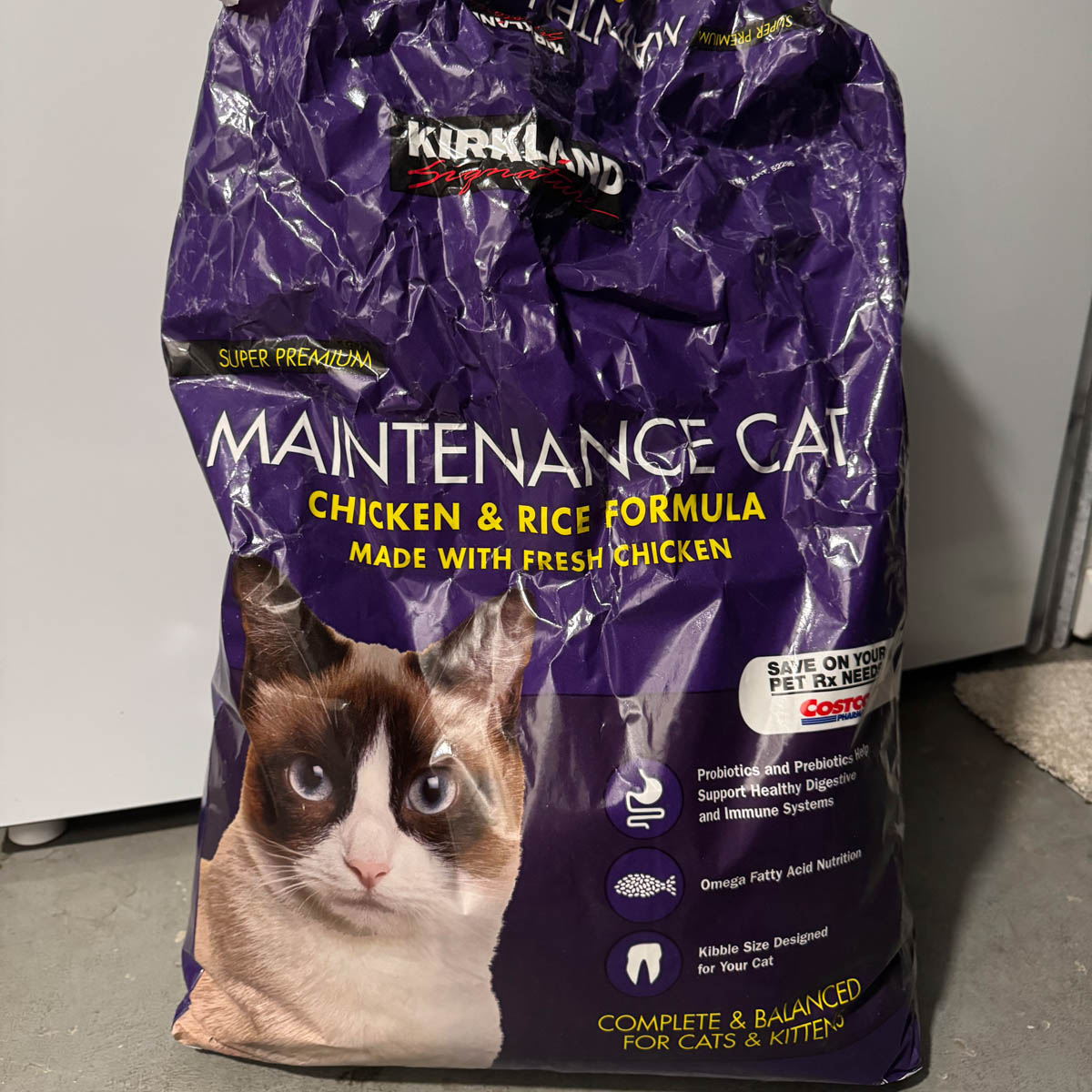
While the year 2015 frequently surfaces in online discussions regarding pet food safety, Costco’s private-label brand, Kirkland Signature, did not experience a widespread, systemic cat food recall in 2015. Historical pet food recall databases maintained by the U.S. Food and Drug Administration (FDA) and the American Veterinary Medical Association (AVMA) indicate that major Kirkland Signature pet food recalls occurred in other years—most notably in 2007 during the nationwide melamine contamination crisis and later voluntary manufacturer-related actions involving dog food lines in 2012.
Examining the timeline of pet food safety alerts, understanding how private-label manufacturing works, and knowing how to verify historical recalls are essential steps for pet owners seeking clarity on historical pet food safety.
The Landscape of Private-Label Pet Food Manufacturing
To understand why pet food recalls generate widespread consumer confusion—especially regarding store brands like Kirkland Signature—it is necessary to examine how these products are manufactured and distributed.
Costco Wholesale does not own or operate its own pet food manufacturing plants. Instead, like many large retailers with private labels, Costco contracts with major, established pet food manufacturers to produce Kirkland Signature products to exact corporate specifications. Historically, Diamond Pet Foods has been one of the primary co-packers responsible for manufacturing various lines of Kirkland Signature dry dog and cat foods.
When a recall affects a manufacturing facility, it frequently impacts multiple brands produced at that location simultaneously. This structural relationship explains why a recall notice issued for a manufacturing plant can quickly become associated with store brands in the minds of consumers, even if the specific retail brand experienced no direct product contamination or formal regulatory action during that exact window.
- COSOCO (Kirkland Signature)
- Contracts Production With
- Primary Manufacturer (e.g., Diamond)
- Produces Food at Regional Plants
- Multiple Brands Affected Simultaneously
- (Brand A, Brand B, Kirkland Signature, Brand C)
- Multiple Brands Affected Simultaneously
- Produces Food at Regional Plants
- Primary Manufacturer (e.g., Diamond)
- Contracts Production With
Historical Context: Verifying the 2007 and 2012 Pet Food Recalls
Because online search queries often conflate different years or misattribute historical events, clarifying the actual timeline of major Kirkland Signature and manufacturer-linked recalls provides necessary factual boundaries.
The 2007 Melamine Crisis
The most significant event in modern pet food safety history occurred in the spring of 2007. Menu Foods, a major co-packer, announced a massive recall of cuts and gravy style pet foods due to contamination with melamine and cyanuric acid traced back to imported ingredients from China.
- Impact on Private Labels: Diamond Pet Foods, which manufactures products for various labels, was caught up in the broader industry supply chain fallout.
- Regulatory Response: The FDA, alongside the AVMA and state departments of agriculture, published extensive lists of affected dry and canned products. While Diamond-manufactured foods faced scrutiny, consumers tracking historical timelines often confuse the 2007 multi-brand melamine event with later, isolated calendar years.
The 2012 Diamond Pet Foods Expansion
In March and April 2012, Diamond Pet Foods voluntarily recalled several brands of dry dog food manufactured at its Gaston, South Carolina facility due to potential Salmonella contamination.
- Scope: While this recall heavily impacted various dog food formulations—including select Kirkland Signature dog food variants—cat food formulations manufactured at different facilities or during uncompromised production runs were generally not subject to this specific expansion.
- Public Perception: Consumers frequently search historical archives looking for matching cat food alerts from adjacent years, such as 2011, 2013, or 2015, assuming that a multi-year manufacturing partnership implies continuous or repeated recall events.
Evaluating 2015 Pet Food Safety Reports
Reviewing the official FDA Recalls, Market Withdrawals, and Safety Alerts archive for the 12-month period of January 1, 2015, through December 31, 2015, reveals several important findings regarding pet products:
- No Kirkland Cat Food Action: There were no official FDA-reported recalls, voluntary market withdrawals, or safety alerts issued for Kirkland Signature cat food products in 2015.
- Broader Industry Recalls: While 2015 saw various pet treat and dog food recalls related to nutritional imbalances, packaging defects, or bacterial contamination (such as Salmonella or Listeria monocytogenes), none implicated Costco’s feline product lines.
- The Origin of Misinformation: Unverified social media posts, outdated blog roundups, and search engine autocomplete algorithms frequently group unrelated pet food brands and past decades together, creating phantom recall timelines that lack official documentation.
Comparison of Major Historical Pet Food Safety Events
To help pet owners distinguish between verified regulatory actions and unfounded rumors, the following table outlines major historical milestones, affected species, and official regulatory documentation sources.
| Year | Primary Event / Issue | Affected Species | Associated Manufacturers / Brands | Official Verification Source |
|---|---|---|---|---|
| 2007 | Melamine and cyanuric acid contamination | Dogs and Cats | Multiple co-packers, Menu Foods, Diamond, and others | FDA Center for Veterinary Medicine Archives |
| 2012 | Salmonella contamination at South Carolina plant | Dogs (select formulas) | Diamond Pet Foods (including some Kirkland Signature dog lines) | FDA Enforcement Reports (Spring 2012) |
| 2015 | Routine monitoring and isolated third-party actions | Various (No Kirkland cat food) | Various independent brands | FDA Recalls, Market Withdrawals & Safety Alerts (2015 Archive) |
How to Verify Current and Historical Pet Food Recalls
When researching pet food safety, relying on primary government sources and manufacturer verification tools prevents the spread of inaccurate information. Follow these practical steps to verify whether a specific product has ever been subject to a recall:
- Consult the FDA Animal & Veterinary Recalls Database: The official FDA portal maintains a searchable, chronological archive of every regulated pet food recall, withdrawal, and safety alert issued in the United States.
- Check the American Veterinary Medical Association (AVMA): The AVMA maintains a comprehensive tracking page that aggregates official veterinary product warnings and safety announcements.
- Inspect Product Packaging: Retain the original bag or container whenever possible. Batch codes, production plant codes, "Best By" dates, and UPC barcodes are required to determine whether a specific package falls within a recalled lot.
- Contact the Retailer or Manufacturer Directly: Costco’s member service departments and corporate quality assurance teams maintain accurate records of all private-label product distributions and safety notifications.
Frequently Asked Questions
Was there a recall on Kirkland cat food in 2015?
No. Official records from the U.S. Food and Drug Administration and major veterinary organizations confirm that no recalls were issued for Kirkland Signature cat food in 2015.
Who manufactures Kirkland Signature cat food?
Costco partners with established, large-scale commercial pet food manufacturers—most notably Diamond Pet Foods—to produce its private-label cat and dog food lines according to strict corporate nutritional specifications.
Where can I check if a pet food brand has an active recall?
The most reliable resource is the official U.S. Food and Drug Administration (FDA) Recalls, Market Withdrawals & Safety Alerts portal, which provides real-time updates and historical archives for animal feeds.
How do I check my specific bag of cat food for safety issues?
Locate the production code, lot number, and "Best By" date printed on the packaging—typically found near the bottom seal or along the back gusset—and cross-reference these numbers directly with the manufacturer's official advisory notices.
Next Actions for Concerned Pet Owners
If you possess older packaging or suspect that a specific product lot may have been involved in an unverified or localized safety alert, do not rely on unverified internet archives or social media threads. Check the lot numbers against official FDA enforcement reports, consult your veterinarian immediately if your cat exhibits symptoms of gastrointestinal distress or illness, and reach out directly to Costco member services for historical quality assurance documentation.