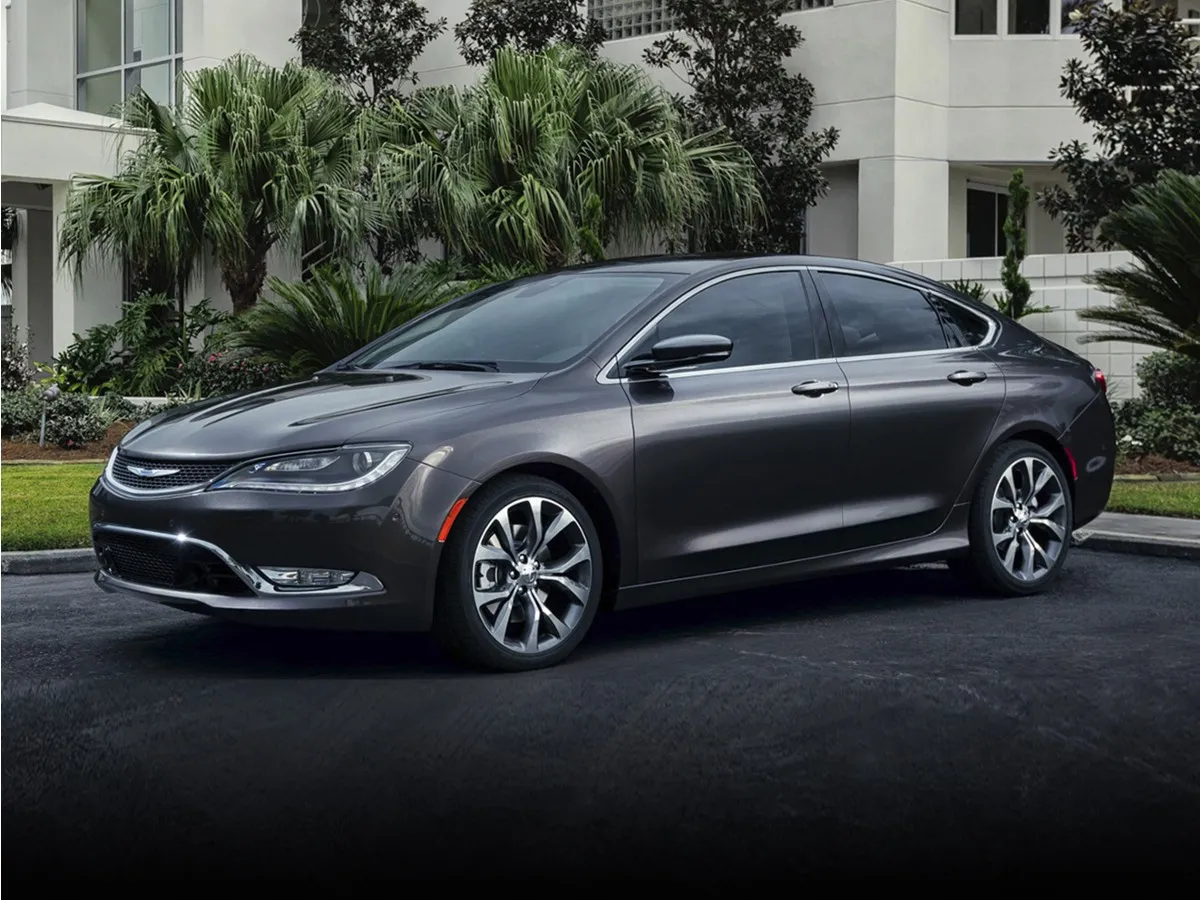
The factory tire size for a 2015 Chrysler 200 Limited depends heavily on whether the vehicle came equipped with standard 17-inch wheels or optional 18-inch wheels. The most common original equipment size is 215/55R17, though models upgraded with larger alloy wheels frequently use 235/45R18 dimensions to match performance and styling goals.
Selecting the correct tire size is vital for maintaining the safety, fuel economy, speedometer accuracy, and overall driving dynamics of a midsize sedan. When owners need replacement tires, seasonal winter tires, or alternative touring options for their 2015 Chrysler 200 Limited, verifying the exact specifications printed on the vehicle door placard ensures a proper fit and safe operation on public roadways.
Evolution and Trim Variations of the 2015 Chrysler 200 Limited
The redesign of the Chrysler 200 for the 2015 model year introduced a sleek, coupe-like profile built upon the FCA Compact US Wide (CUSW) platform. Aimed directly at competing in the crowded midsize sedan segment against rivals like the Toyota Camry, Honda Accord, and Ford Fusion, the 200 balanced European-inspired styling with American comfort.
Within the lineup, the "Limited" trim sat comfortably as a popular mid-tier option, bridging the gap between the entry-level LX and the sportier 200S or luxury-oriented 200C. Because vehicle configuration options varied widely at the dealership level, understanding factory specifications requires looking beyond the trim nameplate alone. Wheel packages directly dictated the tire dimensions installed at the factory assembly plant, meaning two 2015 Chrysler 200 Limited sedans sitting side-by-side might require completely different replacement tires depending on their original factory options.
Detailed Breakdown of 2015 Chrysler 200 Limited Factory Tire Sizes
Automotive tire sizing utilizes a standardized alphanumeric code that describes width, aspect ratio, construction type, and wheel diameter. For the 2015 Chrysler 200 Limited, two primary metric sizes served as Original Equipment (OE).
1. The Standard 17-Inch Fitment: 215/55R17
The standard configuration for most base and Limited models relied on 17-inch alloy wheels paired with 215/55R17 tires.
- 215: Denotes the nominal section width of the tire in millimeters from sidewall to sidewall.
- 55: Represents the aspect ratio, meaning the sidewall height is 55% of the tire's total section width.
- R: Stands for radial construction, the industry standard for passenger vehicle tires.
- 17: Indicates the diameter of the wheel rim in inches that the tire is designed to fit.
This configuration prioritizes ride comfort, impact absorption over potholes, and lower rolling resistance to maximize highway fuel economy.
2. The Optional 18-Inch Fitment: 235/45R18
Many buyers opted for appearance packages that upgraded the wheels to 18 inches. These models require 235/45R18 tires.
- 235: A wider tread footprint (235 millimeters) providing enhanced dry grip and cornering stability.
- 45: A lower profile aspect ratio (45%), which stiffens the sidewall for sharper steering response.
- 18: Designed for an 18-inch wheel diameter.
While visually more aggressive and responsive in tight turns, this lower-profile option transmits slightly more road harshness into the cabin compared to the taller 17-inch sidewall.
Factory Tire Specifications and Load Ratings
Beyond dimensions, replacement tires must meet or exceed the minimum load index and speed rating established by Chrysler engineers. Installing tires with inadequate load capacities can lead to premature wear, heat buildup, and structural failure under heavy cargo loads or high-speed driving.
| Trim / Wheel Option | Standard Tire Size | Load Index | Speed Rating | Typical Application |
|---|---|---|---|---|
| Limited (Standard 17") | 215/55R17 | 94 or higher | V or H | Standard touring, balanced comfort, all-season |
| Limited (Optional 18") | 235/45R18 | 94 or higher | V or W | Enhanced handling, sporty appearance, touring |
Note: The load index of 94 corresponds to a maximum weight capacity of 1,477 pounds (670 kg) per tire when properly inflated. Speed ratings such as "H" (up to 130 mph) or "V" (up to 149 mph) far exceed legal highway limits, ensuring stable high-speed performance.
Where to Verify Your Exact Tire Size
Before purchasing replacement tires, drivers should always perform a physical verification on their specific vehicle. Relying solely on general online databases can occasionally lead to errors caused by previous owners swapping wheels or dealer-installed packages.
The Driver's Door Jamb Placard
The most reliable source of truth is the federal certification label located on the driver-side door jamb or B-pillar. Opening the driver's door reveals a white and yellow sticker detailing:
- The exact recommended cold tire pressure for front and rear tires.
- The original equipment tire size installed at the factory.
- The maximum vehicle capacity weight.
Reading the Sidewall of Current Tires
Looking directly at the rubber currently mounted on the vehicle provides an immediate secondary check. The sidewall displays a string such as P215/55R17 94V or 235/45R18 94V. Matching this exact sequence ensures that any new set of tires will mount seamlessly onto the existing factory rims without rubbing against suspension components or fender liners.
Choosing Replacement Tire Categories for the Chrysler 200 Limited
Once the correct size is confirmed, vehicle owners must select a tire category that aligns with their local climate, driving habits, and comfort preferences. The 2015 Chrysler 200 Limited is a front-wheel-drive (FWD) or all-wheel-drive (AWD) sedan, and tire choice significantly alters performance across these drivetrains.
All-Season Touring Tires
For the vast majority of drivers, Grand Touring All-Season tires represent the optimal choice. They offer a quiet, comfortable ride, long tread life, and dependable year-round traction in dry, wet, and light winter conditions. Brands frequently chosen in these sizes include Michelin, Bridgestone, Continental, and Goodyear.
High-Performance All-Season Tires
Drivers who prefer a more spirited driving experience may opt for High-Performance All-Season options, particularly in the 235/45R18 size. These tires feature stiffer tread blocks and advanced rubber compounds designed to improve cornering grip and braking performance without sacrificing all-weather capability entirely.
Dedicated Winter Tires
For regions experiencing heavy snowfall and sustained sub-freezing temperatures, dedicated winter tires mounted on a separate set of smaller 17-inch steel or alloy wheels offer superior safety. Winter compounds remain pliable in freezing weather, providing biting edges that radically shorten stopping distances on ice and packed snow compared to standard all-season rubber.
Proper Tire Maintenance and Inflation Guidelines
Maintaining correct tire pressure is essential for optimizing safety, braking distances, and tread longevity on the 2015 Chrysler 200 Limited. Under-inflated tires generate excessive internal heat, increasing rolling resistance and fuel consumption while accelerating shoulder wear. Conversely, over-inflation reduces the contact patch, causing harsh ride quality and rapid center-tread wear.
- Check Pressure Monthly: Verify cold tire pressure using an accurate digital gauge at least once a month and before long road trips.
- Follow Factory PSI: Refer to the door placard rather than the maximum pressure stamped on the tire sidewall. Factory recommendations typically range between 32 and 35 PSI for both 17-inch and 18-inch fitments.
- Rotate Every 5,000 to 7,500 Miles: Regular tire rotations prevent uneven wear patterns, particularly on front-wheel-drive variants where front tires handle steering, braking, and propulsion duties simultaneously.
- Monitor Tread Depth: Replace tires once tread depth reaches 2/32 of an inch, or earlier if operating frequently in wet or snowy environments where deeper grooves are required to prevent hydroplaning.
Frequently Asked Questions
Can I put 18-inch tires on a 2015 Chrysler 200 Limited that currently has 17-inch wheels?
No, you cannot mount 18-inch tires onto 17-inch wheels. Tire bead diameters must match the wheel rim diameter precisely. To switch to 18-inch tires, you must also replace your wheels with 18-inch rims designed to fit the Chrysler 200 bolt pattern and offset.
What happens if I install the wrong tire size on my Chrysler 200?
Installing incorrect tire sizes can cause several issues. If the overall diameter changes significantly, your speedometer and odometer will read inaccurately. Furthermore, tires that are too wide or tall may rub against inner fender wells, suspension struts, or brake lines during sharp turns, creating safety hazards and accelerated mechanical wear.
Does the All-Wheel Drive (AWD) model require special tire sizes?
The 2015 Chrysler 200 Limited AWD model uses the same factory tire sizes (215/55R17 or 235/45R18) as the front-wheel-drive models. However, AWD systems require all four tires to have matching tread depths, brands, and wear levels to prevent strain on the transfer case and differential components.
Is a spare tire included with the 2015 Chrysler 200 Limited?
Many modern vehicles omit spare tires in favor of tire inflator kits to save weight and space. The inclusion of a compact spare tire or inflator kit on a 2015 Chrysler 200 Limited depended on original factory option packages selected at purchase. Inspecting the trunk floor storage compartment reveals which equipment is present.
How do I reset the Tire Pressure Monitoring System (TPMS) after adjusting my tire pressure?
The TPMS on the 2015 Chrysler 200 resets automatically after you correct the tire pressures and drive the vehicle for a few miles at speeds above 15 mph. If the warning light remains illuminated, it may indicate a failing TPMS sensor battery or an uncorrected pressure issue requiring professional diagnostics.
Practical Next Actions
To ensure your 2015 Chrysler 200 Limited maintains optimal handling and safety performance, walk out to your vehicle and inspect the white and yellow placard on the driver's door jamb to confirm your exact original equipment tire size. If your current tires show signs of cracking, uneven wear, or have reached minimum tread depth, consult a certified tire professional to select a reputable replacement set matching either the 215/55R17 or 235/45R18 specification.