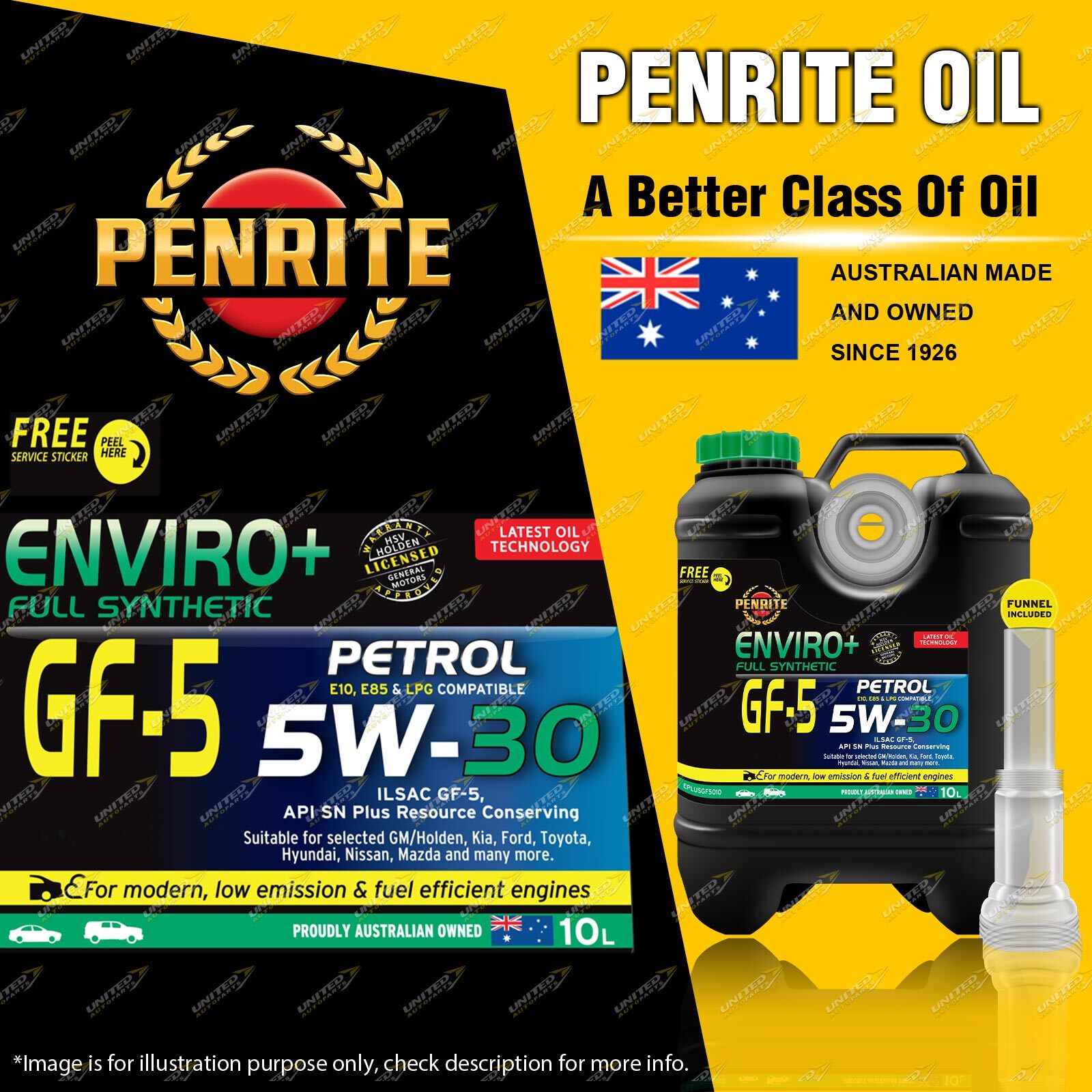
For the 2010 Toyota Camry, the recommended engine oil is SAE 0W-20 synthetic oil for the 2.5L 4-cylinder engine and SAE 5W-30 for the 3.5L V6 engine. Maintaining these viscosity standards, alongside high-quality oil filters and consistent change intervals, is essential for engine longevity, fuel efficiency, and protection against premature mechanical wear.
Understanding Your 2010 Toyota Camry Engine Requirements
The 2010 Toyota Camry was manufactured with two distinct engine options, each with specific lubrication requirements. Identifying the correct engine in your vehicle is the most critical first step before purchasing supplies. The 2.5L 4-cylinder engine (the 2AR-FE) and the 3.5L V6 engine (the 2GR-FE) operate under different thermal and mechanical stresses, requiring different oil viscosities to ensure optimal performance.
The 2.5L 4-Cylinder (2AR-FE) Engine
Toyota specified SAE 0W-20 for the 2.5L engine. This low-viscosity, fully synthetic oil is designed to reduce internal friction during cold starts and improve overall fuel economy. Because 0W-20 is thin at low temperatures, it reaches critical engine components faster during cold-weather startups, which is when most engine wear occurs.
If 0W-20 is unavailable, Toyota allows the temporary use of 5W-20, provided it is replaced with 0W-20 at the next scheduled service interval. However, 0W-20 should always be the default choice to maintain the vehicle’s engineering design parameters.
The 3.5L V6 (2GR-FE) Engine
The 3.5L V6 engine requires SAE 5W-30 motor oil. This engine generates more heat and possesses different clearances than the 4-cylinder variant. The 5W-30 viscosity provides a thicker protective film that is better suited for the V6 engine's specific high-output characteristics. Using 5W-30 ensures that the lubricating film remains stable under the higher operating temperatures common in the V6 power plant.
The Role of Oil Viscosity and Quality Standards
Engine oil performs multiple roles beyond simple lubrication. It acts as a cooling agent, a cleaner, and a sealant. The "0W" or "5W" in the oil specification refers to the oil's flow rate at low temperatures, while the "20" or "30" refers to the thickness of the oil at operating temperature (100°C).
It is vital to look for the API (American Petroleum Institute) "Starburst" symbol on the bottle. This symbol confirms that the oil meets the current energy-conserving standards required by your engine. Additionally, ensure the oil meets ILSAC (International Lubricant Standardization and Approval Committee) specifications, which are clearly noted on the container labels.
Oil Change Intervals and Monitoring
The service manual for the 2010 Toyota Camry generally recommends an oil change interval of every 5,000 miles or every six months, whichever comes first. While modern synthetic oils are capable of lasting longer in many vehicles, following the 5,000-mile interval is widely considered the "gold standard" for the 2010 Camry to prevent sludge buildup, particularly in the VVT-i (Variable Valve Timing with intelligence) components.
Factors that may necessitate more frequent oil changes include:
- Short-distance driving: Frequent short trips prevent the engine from reaching full operating temperature, which leads to moisture accumulation and fuel dilution in the oil.
- Stop-and-go traffic: Idling and frequent acceleration increase engine heat and stress the oil's additive package.
- Towing or heavy loads: Placing extra strain on the engine accelerates the degradation of the oil's lubricating properties.
- Extreme climates: High-dust environments or extreme temperature fluctuations can degrade oil faster.
Essential Tools for a DIY Oil Change
Performing an oil change at home requires specific tools to ensure the process is safe and compliant with the vehicle's design.
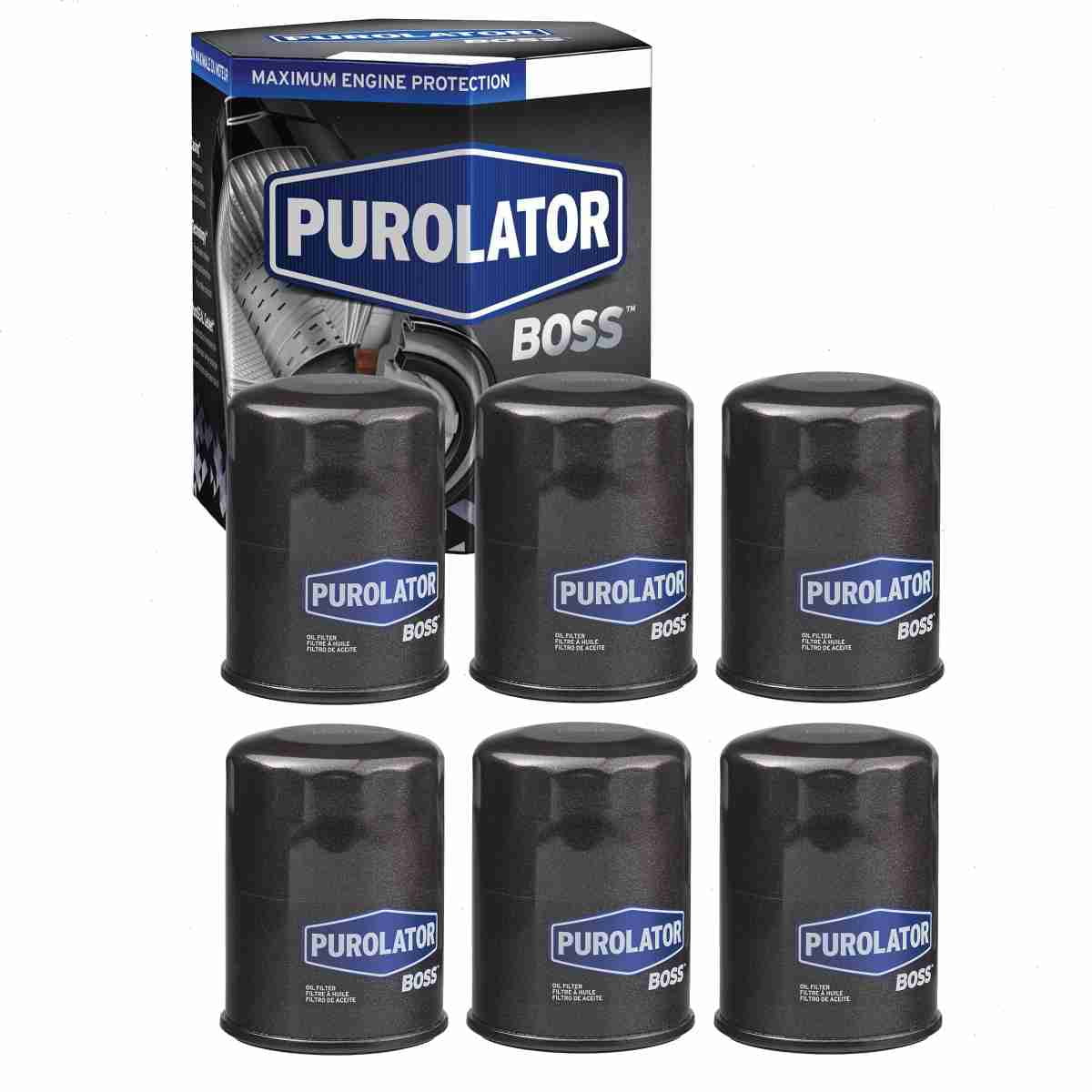
- Oil Filter Wrench: The 2010 Camry utilizes a cartridge-style oil filter for both engine types, which requires a specific cap-style wrench that fits onto the filter housing.
- Drain Pan: A container with a capacity of at least 5–6 quarts to catch old oil without spillage.
- Socket Wrench Set: You will need a 14mm socket to remove the oil drain plug.
- Jack and Jack Stands: Never rely solely on a hydraulic jack; always secure the vehicle on stands before crawling underneath.
- Funnel and Rags: To ensure clean pouring and immediate cleanup of any drips.
Step-by-Step Oil Change Overview
Following a structured approach minimizes the risk of errors and protects your engine from contamination.
- Preparation: Warm the engine for 3–5 minutes to allow the oil to flow freely, then park on a level surface.
- Drainage: Locate the drain plug on the oil pan, place the pan beneath it, and remove the plug. Allow the oil to drain completely—this may take 10 minutes.
- Filter Replacement: Unscrew the oil filter housing cover. Remove the old cartridge filter element and the O-ring seal. Replace both with the new filter and new O-ring, ensuring the O-ring is lightly lubricated with fresh oil before installation.
- Closing: Replace the drain plug, using a new crush washer to prevent leaks. Torque the drain plug to manufacturer specifications (typically around 30 ft-lbs, but verify via your owner's manual).
- Refill: Add the correct volume of new oil (approx. 4.4 quarts for the 2.5L and 6.4 quarts for the 3.5L, though you should check the dipstick throughout the process).
- Verification: Start the engine, check for leaks under the vehicle, and confirm the oil level on the dipstick.
Comparative Specification Table
| Engine Type | Recommended Viscosity | Typical Oil Capacity | Filter Type |
|---|---|---|---|
| 2.5L 4-Cylinder | SAE 0W-20 | 4.4 Quarts | Cartridge |
| 3.5L V6 | SAE 5W-30 | 6.4 Quarts | Cartridge |
FAQ: Common Questions Regarding 2010 Camry Oil
1. Can I use conventional oil in my 2010 Toyota Camry? While you can physically pour conventional oil into the engine, it is highly discouraged. Toyota’s engineering for this model, especially for the 2.5L 4-cylinder, relies on the thermal stability and flow characteristics of synthetic oil to maintain the health of the VVT-i system and other internal components.
2. Why is my engine oil turning dark shortly after a change? It is normal for engine oil to darken within a few hundred miles. This indicates that the oil’s detergent additives are working correctly, suspending microscopic carbon deposits and combustion byproducts so they can be trapped by the oil filter rather than settling as sludge.
3. What happens if I overfill the engine oil? Overfilling can cause the oil to foam as it is agitated by the crankshaft. Foamy oil cannot properly lubricate internal components and can result in increased oil pressure, which may damage seals and gaskets. If you suspect an overfill, drain the excess immediately.
4. Does the "Maintenance Required" light mean I have low oil? No. In the 2010 Camry, the "Maintenance Required" light is a distance-based timer programmed to illuminate every 5,000 miles to remind you that an oil change is due. It is not an oil pressure sensor. If your oil pressure light illuminates, stop the vehicle immediately and check your oil levels, as this indicates a serious lack of lubrication.
5. Are high-mileage oils beneficial for my 2010 Camry? As the vehicle reaches higher mileage, high-mileage formulas may be beneficial. These oils contain seal conditioners that help keep aging rubber gaskets pliable, which can help reduce or prevent minor oil consumption issues common in older engines.
Next Actions and Professional Advice
To maintain the long-term reliability of your 2010 Toyota Camry, prioritize high-quality synthetic oils and genuine Toyota (or equivalent high-tier) oil filters. Always verify the oil level on the dipstick two or three minutes after turning off a warm engine to ensure you are getting an accurate reading. If you are uncertain about your technical ability to perform the oil change, utilize a trusted service center to prevent damage to the oil filter housing, which can be prone to cracking if over-tightened. Always keep a log of your oil changes, including the date and mileage, to maintain the vehicle's service history for future resale or maintenance planning.