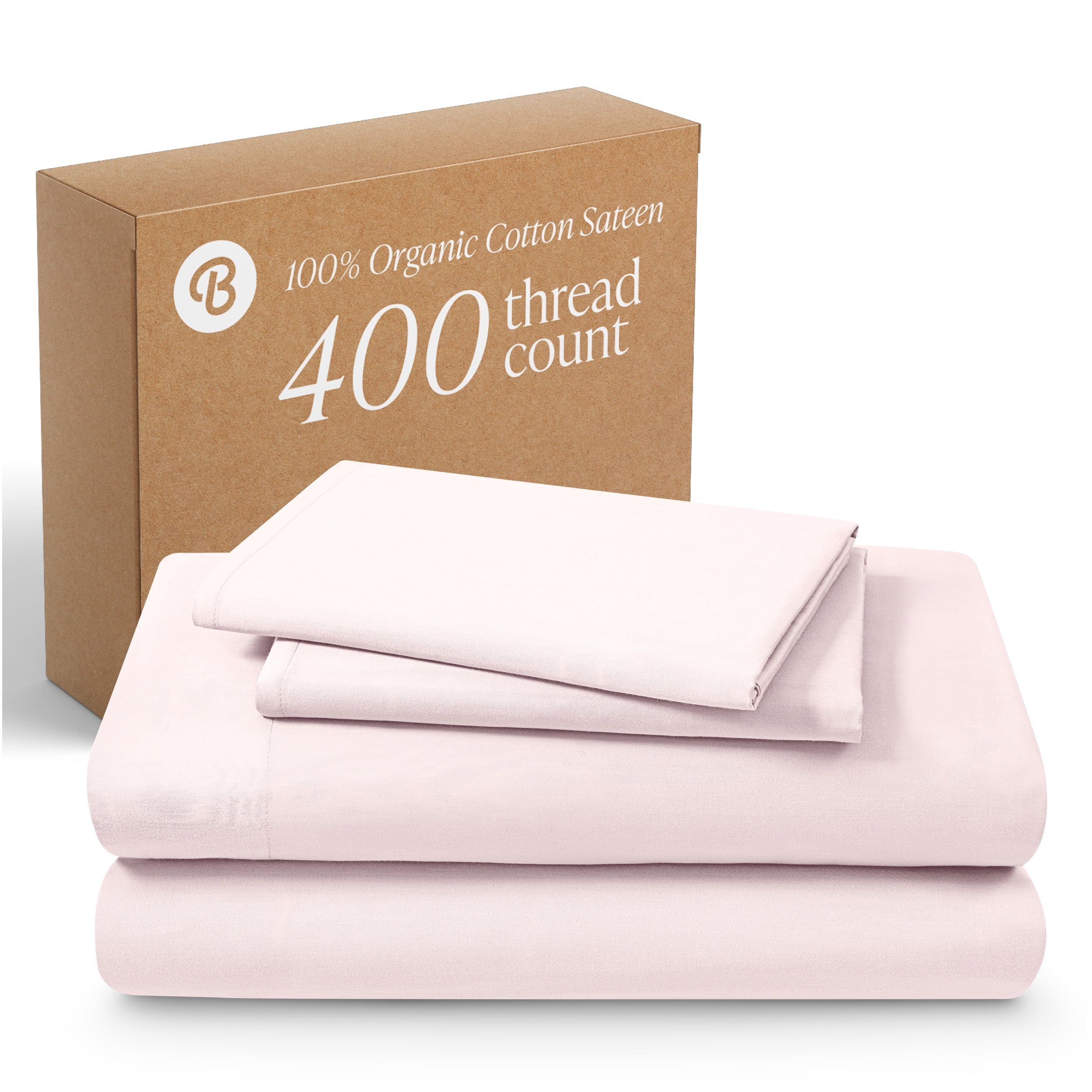
The primary difference between 200 and 400 thread count lies in fabric density, breathability, and "hand" or feel. A 200 thread count offers a crisp, lightweight, and highly breathable experience ideal for hot sleepers, while a 400 thread count provides a silkier, heavier, and more durable fabric suitable for year-round comfort.
Selecting the right bed sheets often feels like a balancing act between luxury and utility. While marketing campaigns for decades have conditioned consumers to believe that higher numbers always equate to higher quality, the reality of textile engineering in 2026 tells a more nuanced story. Thread count is merely one metric in a larger equation that includes fiber quality, yarn ply, and weave type. To make an informed decision between 200 and 400 thread count, one must understand how these threads are woven together and how they interact with your body’s natural temperature regulation during sleep.
Defining Thread Count in Modern Textiles
To understand the comparison, we must first define what thread count actually represents. Thread count is the total number of horizontal threads (the weft) and vertical threads (the warp) woven into one square inch of fabric. For example, a sheet with 100 warp threads and 100 weft threads per square inch results in a 200 thread count.
In the early 21st century, manufacturers began inflating these numbers by using "multi-ply" yarns—twisting two or three thin, lower-quality threads together and counting them as individual units. By 2026, industry standards and consumer advocacy have largely pushed back against these inflated figures, focusing instead on "single-ply" construction. A genuine 200 or 400 thread count made from single-ply, long-staple cotton is far superior to a "1000 thread count" sheet made from inferior multi-ply yarns.
The 200 Thread Count Profile: Crisp and Breathable
A 200 thread count is often the entry point for high-quality cotton sheets, particularly those utilizing a percale weave. At this density, the fabric has enough structure to be durable but remains porous enough to allow significant airflow.
Tactile Experience and Feel
Sheets with a 200 thread count are characterized by their "crispness." If you have ever stayed at a high-end boutique hotel and enjoyed the cool, matte feeling of the bedding, you were likely sleeping on a 200 to 250 thread count percale. These sheets do not drape or cling to the body; instead, they stand slightly away from the skin, which facilitates a sensation of coolness.
Thermal Regulation and Breathability
For individuals who suffer from night sweats or live in warmer climates, a 200 thread count is often the superior choice. Because the weave is less dense than higher-count fabrics, heat generated by the body can escape more easily. This prevents the "insulation effect" that can occur with denser fabrics, keeping the sleep environment temperate throughout the night.
Durability and Maintenance
While a lower thread count might suggest a shorter lifespan, the opposite is often true if the fibers are of high quality. A 200 thread count sheet made from long-staple cotton (such as Egyptian or Supima) is incredibly resilient. These sheets tend to soften with every wash without losing their structural integrity. They are also less prone to pilling compared to denser, lower-quality weaves because there are fewer fiber ends exposed on the surface of the fabric.
The 400 Thread Count Profile: The "Sweet Spot" of Luxury
Many textile experts refer to the 400 thread count as the "sweet spot" for bed linens. This density provides a more substantial weight and a smoother finish than a 200-count sheet without sacrificing too much breathability.
The Sateen Advantage
While 200 thread count is synonymous with percale, 400 thread count is frequently associated with the sateen weave. Sateen uses a "four over, one under" weaving pattern, which exposes more of the thread surface. Combined with the higher density of a 400 thread count, this creates a fabric with a subtle sheen and a silky-smooth touch.
Drape and Weight
A 400 thread count sheet has more "drape," meaning it conforms more closely to the contours of your body. This creates a cozy, cocoon-like feeling that many sleepers find comforting, especially in cooler months. The fabric feels heavier and more "expensive" to the touch, providing that classic luxury department store aesthetic.
Longevity and Pilling Resistance
At 400 threads per square inch, the weave is tight enough to prevent individual fibers from shifting or breaking easily. If manufactured with single-ply, high-quality cotton, these sheets can last for a decade or more. However, because the weave is tighter, they may require a few more washes to "break in" and reach their maximum softness compared to the immediately accessible 200 thread count.
Technical Comparison: 200 vs 400 Thread Count
| Feature | 200 Thread Count | 400 Thread Count |
|---|---|---|
| Common Weave | Percale (One-over, one-under) | Sateen (Four-over, one-under) |
| Feel | Crisp, matte, lightweight | Silky, smooth, substantial |
| Airflow | Excellent; high breathability | Moderate; holds more heat |
| Weight | Very light | Medium weight |
| Wrinkle Resistance | Prone to wrinkling | Naturally more wrinkle-resistant |
| Best For | Hot sleepers, summer months | Year-round use, luxury feel |
| Initial Softness | Softens significantly over time | Often smooth right out of the box |
The Impact of Fiber Quality
It is a common mistake to prioritize thread count over fiber quality. A 400 thread count sheet made from short-staple "upland" cotton will likely feel rougher and fail sooner than a 200 thread count sheet made from 100% extra-long staple (ELS) cotton.
Long-Staple vs. Short-Staple Cotton
The "staple" refers to the length of the individual cotton fiber. Long-staple fibers can be spun into much finer, stronger yarns. When these fine yarns are used:
- In a 200 TC sheet: They create a fabric that is incredibly light yet surprisingly strong.
- In a 400 TC sheet: They allow for a dense weave that remains supple rather than becoming stiff or cardboard-like.
In 2026, certifications such as GOTS (Global Organic Textile Standard) or specific regional marks like the Cotton Egypt Association seal have become critical for verifying that the fibers used in both 200 and 400 TC sheets are actually what the label claims.
Choosing the Right Weave for Your Count
The "200 vs 400" debate is inextricably linked to the weave. If you prefer a 200 thread count, you should almost exclusively look for a percale weave. A 200-count sateen would likely feel too thin and lack the structural integrity required for long-term use.
Conversely, if you are looking at a 400 thread count, you have a choice. A 400-count percale will be very dense and quite crisp—almost like a high-end dress shirt. A 400-count sateen will be the traditional "silky" sheet. Most consumers find that 400-count sateen offers the best balance of softness and weight, while those who prefer the 400-count percale are often looking for maximum durability and a very specific "crunchy" feel to their linens.
Common Myths and Marketing Deceptions
As of 2026, the bedding industry still faces challenges with "inflated" thread counts. It is physically difficult to fit more than 500 to 600 high-quality, single-ply threads into a single square inch. When you see thread counts of 800, 1000, or 1200, the manufacturer is likely using multi-ply yarns.
Multi-ply yarns use cheaper, shorter fibers twisted together. This creates a thicker thread, which results in a heavier, coarser, and less breathable sheet. These sheets often trap heat and pill quickly. Therefore, a legitimate 200 or 400 thread count sheet is almost always a higher-quality product than a generic 1000 thread count sheet sold at a deep discount.
Environmental and Sustainability Considerations
In the current 2026 market, the environmental impact of textile production is a major factor for consumers. Higher thread counts (like 400) require more raw cotton per square inch than lower thread counts (like 200).
If sustainability is a primary concern, a high-quality 200 thread count sheet may be the more "eco-friendly" choice simply due to lower material requirements. However, this must be balanced against longevity; a 400 thread count sheet that lasts twice as long as a poorly made 200 thread count sheet has a lower total environmental footprint over its lifecycle. Look for OEKO-TEX certification to ensure the manufacturing process has been screened for harmful substances.
Frequently Asked Questions
Is 400 thread count always softer than 200?
Not necessarily. While a 400 thread count sateen sheet will feel smoother and silkier initially, a high-quality 200 thread count percale sheet made from Egyptian cotton will become incredibly soft and "lived-in" after several washes. Softness is as much a result of fiber quality and finishing processes as it is thread count.
Which is better for people with sensitive skin?
For those with sensitive skin or eczema, a 400 thread count sateen is often recommended. The "four over, one under" weave creates a smoother surface with fewer "peaks and valleys" in the fabric, reducing friction against the skin. However, if the skin sensitivity is triggered by heat or sweat, the more breathable 200 thread count percale may provide more relief.
Do 400 thread count sheets last longer than 200?
Generally, yes, provided the fiber quality is equal. The higher density of threads in a 400-count sheet provides more structural reinforcement, making the fabric more resistant to tearing and thinning over time. However, 200-count percale is famously durable and is less likely to pill than 400-count sateen.
Can you use 200 thread count in the winter?
Yes, but you may need an extra blanket. 200 thread count sheets are designed for airflow, which means they do not retain body heat well. In contrast, 400 thread count sheets have a tighter weave that provides a small amount of extra insulation, making them slightly better suited for cold sleepers or winter months.
Why do some 400 thread count sheets feel "stiff"?
Stiffness in high-thread-count sheets is often caused by the use of chemical "sizers" or starches applied during manufacturing to make the sheets look crisp in the packaging. It can also be a sign of lower-quality, thicker threads. A few washes with a mild detergent should remove these finishes and reveal the true feel of the cotton.
Practical Recommendation: Which Should You Buy?
Your choice between 200 and 400 thread count should be dictated by your personal sleep climate and tactile preferences rather than a "higher is better" mentality.
Choose 200 Thread Count if:
- You are a "hot sleeper" who often wakes up feeling overheated.
- You live in a warm or humid climate.
- You prefer the "crisp" feel of hotel linens.
- You want a lightweight sheet that dries quickly after washing.
Choose 400 Thread Count if:
- You prefer a silky, smooth texture against your skin.
- You want a sheet that feels substantial and has a heavy "drape."
- You are looking for year-round bedding that performs well in both summer and winter.
- You prefer a more formal, polished look with a slight fabric sheen.
For the best results in 2026, always verify that the sheets are "100% Cotton" (specifically Long-Staple, Supima, or Egyptian) and "Single-Ply." Regardless of whether you choose 200 or 400, these two specifications are the truest markers of a sheet that will provide a comfortable and restorative night's sleep.