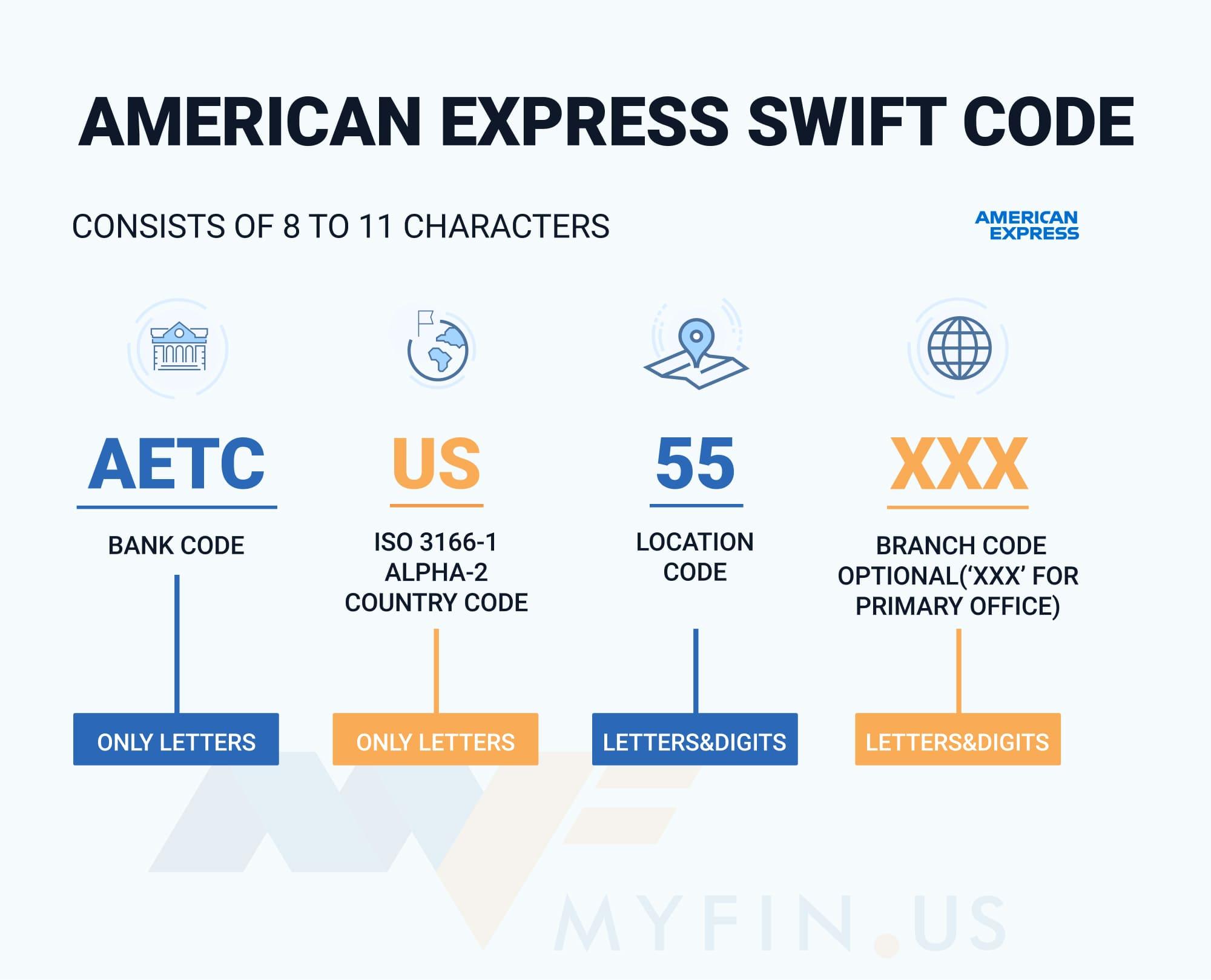
American Express cards do not utilize a traditional bank sort code because they function primarily as charge or credit card products rather than as standard retail current account banking instruments. While you may see a sort code field on some third-party payment forms or direct debit mandates, American Express accounts rely on different identifiers to process financial transactions and verify account ownership.
The Nature of Financial Identifiers
In the United Kingdom and similar banking jurisdictions, a "sort code" is a six-digit numerical code used to identify a specific branch and institution of a bank. This system is fundamentally designed for the Clearing House Automated Payment System (CHAPS) and the Bacs Payment System, which facilitate the movement of money between traditional current accounts.
American Express, as a global financial services corporation, operates its card products differently. When you hold an American Express credit or charge card, you are entering into a line of credit agreement rather than maintaining a traditional current account that facilitates standard interbank transfers, standing orders, or Bacs-based salary deposits in the way a retail high-street bank does. Because these cards are not "banks" in the traditional retail sense, they do not have branch-levelsort codes.
Why You Might Be Searching for a Sort Code
Often, consumers encounter a request for a sort code when attempting to set up a direct debit to pay their American Express bill, or when trying to transfer money from a third party into their account.
It is a common point of confusion for users to assume that because a card is a financial account, it must possess the same routing numbers as a checking account. However, payment processors and banking portals are designed to handle American Express transactions through different protocols. If a website or service requires a sort code to process a payment, it is typically because that system is configured exclusively for current accounts or savings accounts, and it may not be compatible with the American Express payment network directly.
How American Express Payments Actually Work
Since you cannot send a traditional bank transfer to an American Express card via a sort code and account number, you must use the payment methods specifically supported by American Express.
- Direct Debit: This is the most common method. You provide American Express with your bank’s sort code and account number. You are essentially authorizing American Express to "pull" the funds from your actual bank account to cover your card statement.
- Electronic Funds Transfer (EFT): Some users attempt to push money to American Express. This is only possible if you are using specific American Express banking products (such as a savings account) that may have different identifiers, but it does not apply to standard credit or charge cards.
- Online Banking Payment: You can pay your bill using your bank's online platform. In this scenario, you select "American Express" as the payee. Your bank uses its internal directory to ensure the payment reaches the correct American Express clearing account, bypassing the need for you to input a sort code manually.
Comparing Payment Identifiers
Understanding the difference between bank account identifiers and card identifiers helps clarify why the "sort code" request leads to frustration.
| Identifier Type | Purpose | Associated With |
|---|---|---|
| Sort Code | Identifies bank and branch for Bacs/CHAPS | Current/Savings Accounts |
| Account Number | Identifies individual account holder | Current/Savings Accounts |
| Card Number | Identifies the specific line of credit | Credit/Charge Cards |
| Security Code (CVV) | Verifies physical possession of card | Credit/Charge Cards |
Prerequisites for Managing Your Account
If you are struggling to make a payment or provide details to a third party, ensure you have the correct information ready. To pay your American Express card, you do not need the card's sort code; you need the sort code of the account from which the money will be withdrawn.
If an employer or government entity is requesting a sort code to deposit money into your account, they are likely attempting to make a standard bank transfer (Bacs). Since a standard American Express card cannot receive these transfers, you must provide the sort code and account number of a traditional current account. You will then have to transfer funds from that current account to your American Express account if you wish to maintain a credit balance.
Troubleshooting Common Payment Issues
If you are repeatedly failing to complete a transaction, review these common errors:
- Entering Card Details in Bank Fields: Do not enter your 15-digit American Express card number into a field marked "Account Number" that is expecting a standard 8-digit format.
- Assuming Portability: Some services require a bank account for verification purposes (e.g., verifying your identity via a micro-deposit). American Express cards are often excluded from these automated verification systems because they do not support the underlying ACH or Bacs deposit protocols.
- Third-Party Payment Forms: If you are using a portal that insists on a sort code, the portal likely does not support American Express as a valid destination for that specific transaction type. In such cases, there is no "workaround" that involves a sort code; you must use an alternative payment or receiving method.
Expert Guidance on Payment Methods
The most secure way to handle your account is to manage payments through the official American Express mobile application or the secure online portal. These interfaces are hard-coded to recognize the specific requirements of your account. By avoiding third-party "payment helper" websites, you eliminate the risk of misdirecting funds or entering sensitive information into systems that cannot actually process American Express transactions.
Always ensure your bank account has a valid direct debit mandate active for your American Express card. This prevents late fees and ensures that even if you forget to manually pay your statement, the funds are collected automatically on your due date.
Frequently Asked Questions
Does my American Express card have a hidden sort code? No. Sort codes are exclusive to institutions participating in the clearing systems for current and savings accounts. American Express uses different, proprietary financial infrastructure.
Can I receive a salary payment directly into my American Express card? Generally, no. Standard American Express credit and charge cards are not designed to receive incoming Bacs payments, such as salaries or government benefits. You should have these paid into a standard current account.
How do I pay my American Express bill without a sort code? You use the sort code and account number of your own bank account to set up a direct debit. When paying via online banking, you simply select "American Express" from the predefined list of credit card providers.
Is the 15-digit number on my card a sort code? No. That is your unique card account number. It is used for identifying your specific credit facility, whereas a sort code identifies a branch of a bank.
What should I do if a form requires a sort code and won't accept my card? This indicates the form is strictly for standard bank accounts. You will need to use a different payment method or provide the details of a conventional current account instead of your American Express card.
Next Actions for Account Holders
To ensure your financial operations remain seamless, review your current direct debit setup via your American Express online account dashboard. Verify that your bank account details are up to date. If you frequently encounter situations where you are asked for a sort code, consider maintaining a standard current account with a local bank to act as a buffer for incoming transfers or specialized payments that the American Express network cannot accommodate. Should you need to confirm specific payment instructions, always refer to the back of your card for the official customer service contact number, which can provide guidance based on your specific card type and region.