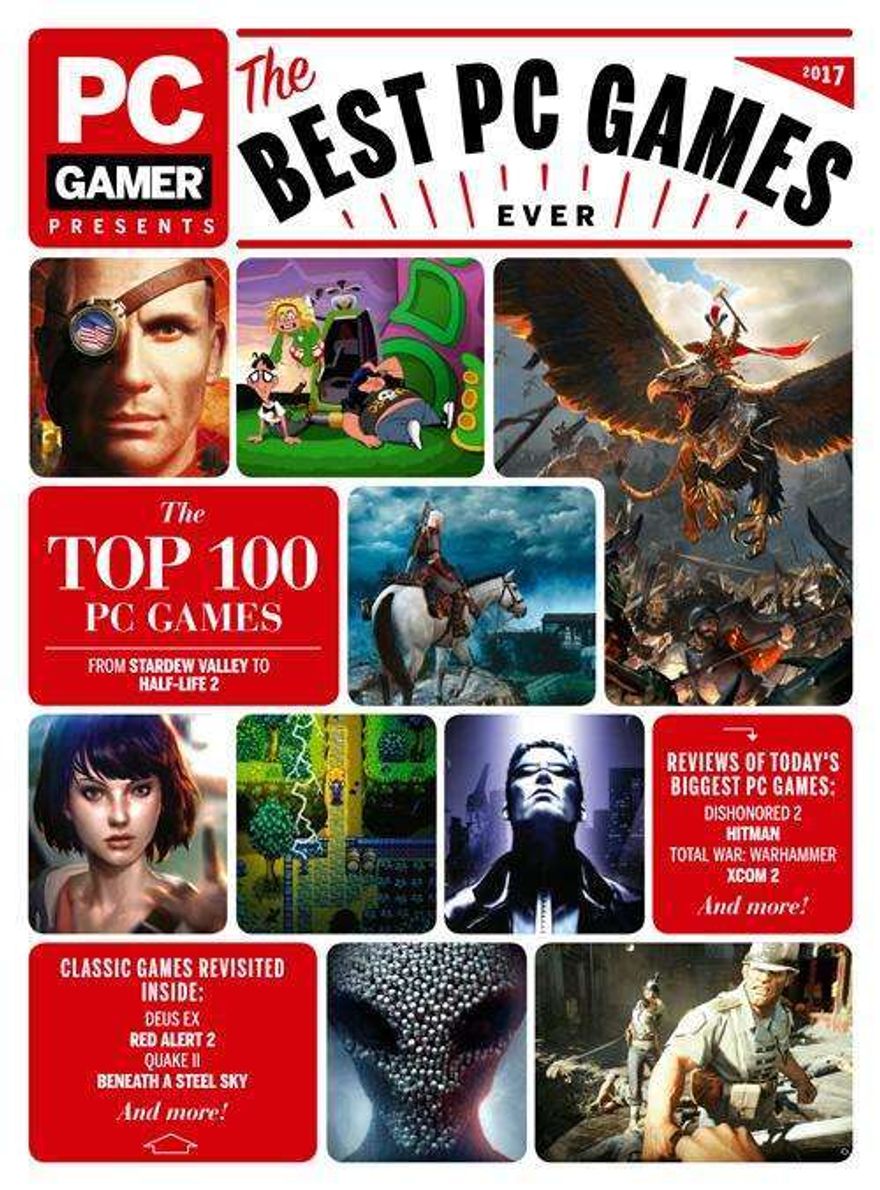
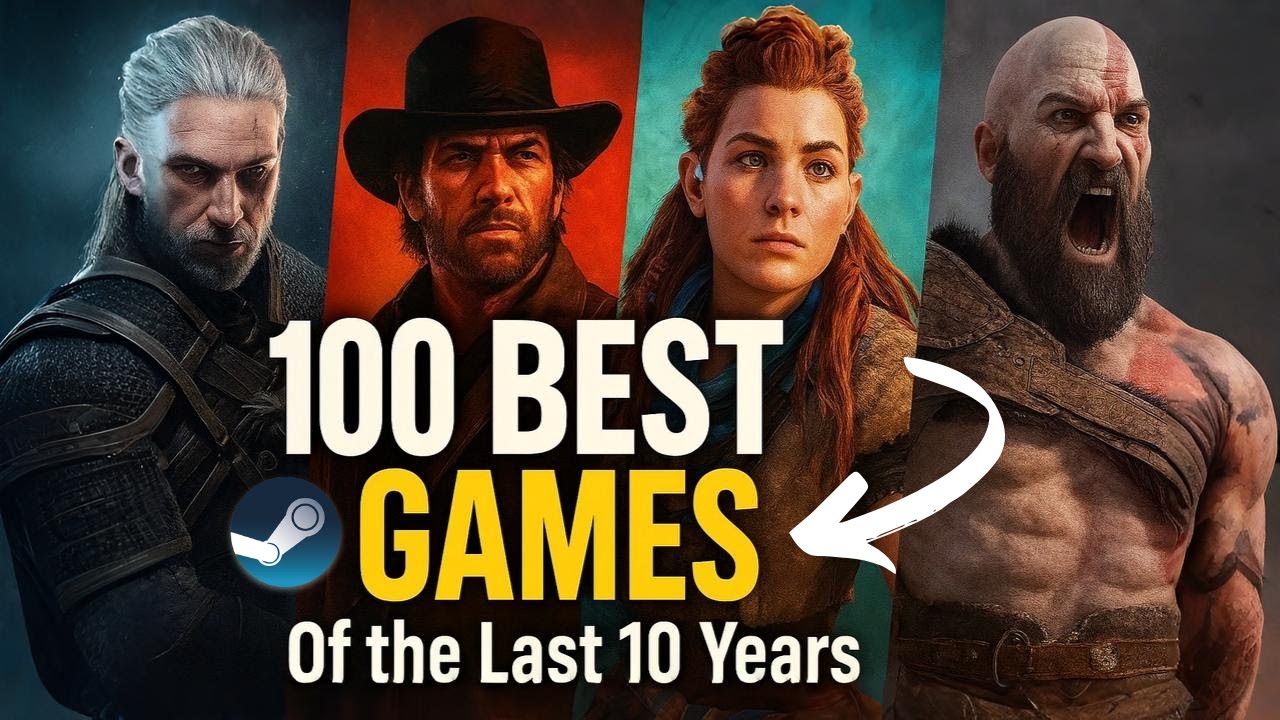
The search for the 100 best PC games ever is a journey through decades of technological evolution, creative risk-taking, and cultural milestones that have defined personal computing as the ultimate gaming platform. From the pixelated dungeons of early text adventures to breathtaking ray-traced open worlds, the personal computer has consistently served as the incubator for the industry's most innovative ideas. This comprehensive guide examines the titles that shaped the medium, evaluating what makes a masterwork endure across generations of hardware.
Compiling a definitive list of the greatest computer games requires looking beyond mere popularity or nostalgic affection. It demands an examination of mechanical innovation, narrative ambition, artistic direction, and historical impact. While individual tastes vary across genres—from sprawling role-playing epics to precise competitive shooters—certain software achievements transcend their era to remain essential experiences for any modern player.
The Evolution of PC Gaming Excellence
Personal computer gaming has evolved from hobbyist programming on mainframes and early home micros into a dominant global entertainment medium. Unlike closed console ecosystems, the platform has always thrived on openness, mod culture, and hardware adaptability. This environment allowed independent developers and visionary auteurs to bypass traditional gatekeepers, resulting in design philosophies that prioritized player agency, intricate simulation, and deep systemic complexity.
Early milestones demonstrated that monitors could display more than business spreadsheets. Titles like Doom (1993) revolutionized real-time 3D graphics and popularized network multiplayer, while Civilization (1991) established the addictive loop of turn-based strategic empire-building. As processors grew faster and graphic cards evolved, computer-exclusive genres such as real-time strategy, complex flight simulators, and immersive simulations flourished, taking full advantage of the keyboard and mouse interface.
Defining Categories of Masterpieces
To understand what constitutes an all-time great title, it helps to categorize these software achievements by how they transformed their respective genres. The platform's history can be mapped through distinct periods of creative disruption.
The Golden Age of Innovation and System Simulation
During the 1990s and early 2000s, developers pushed hardware boundaries to simulate complex worlds. Role-playing games experienced a renaissance with titles like Baldur's Gate II: Shadows of Amn (2000) and Deus Ex (2000), which offered unprecedented narrative choice and player freedom. Simultaneously, simulation software like SimCity 2000 (1993) and RollerCoaster Tycoon (1999) proved that systemic rule sets could create endlessly engaging emergent gameplay.
Modern Masterworks and Open-World Design
As development budgets expanded, contemporary masterworks refined these foundational concepts with cinematic storytelling, advanced physics engines, and seamless open worlds. Games like The Witcher 3: Wild Hunt (2015) raised the bar for narrative-driven role-playing design, while survival crafting phenomena like Minecraft (2011) demonstrated the boundless potential of player-driven creativity and procedural generation.
| Game Title | Release Year | Primary Genre | Defining Innovation / Legacy |
|---|---|---|---|
| Doom | 1993 | First-Person Shooter | Popularized fast-paced 3D action and local area network deathmatch. |
| Civilization | 1991 | Turn-Based Strategy | Established the "just one more turn" addictive strategic gameplay loop. |
| Deus Ex | 2000 | Immersive Sim | Blended RPG elements with multiple solution paths for missions. |
| Half-Life 2 | 2004 | First-Person Shooter | Advanced physics-based puzzles and cinematic environmental storytelling. |
| World of Warcraft | 2004 | MMORPG | Brought persistent online multiplayer worlds into mainstream culture. |
| Minecraft | 2011 | Sandbox / Survival | Redefined player creativity, open-world survival, and independent success. |
| Disco Elysium | 2019 | Role-Playing | Pioneered skill-check dialogue systems without traditional combat. |
Essential Pillars of the All-Time Greats
When analyzing games that consistently rank at the top of critical lists, several core attributes emerge. These characteristics separate fleeting commercial successes from enduring artistic achievements.
Mechanical Precision and Agency
The finest software on the platform respects the player's intelligence. Whether it is the tight, responsive gunplay of a tactical shooter or the intricate economic balancing of a grand strategy title, mechanics must feel rewarding to master. Agency means offering multiple viable paths to overcome obstacles, ensuring that no two playthroughs unfold in exactly the same way.
Narrative Ambition and Atmosphere
Environmental storytelling and sharply written scripts elevate code and polygons into emotional experiences. Titles that explore mature themes, complex moral dilemmas, or distinct atmospheric identities leave lasting impressions on players long after the credits roll.
Modding Support and Community Longevity
A defining trait of many historical computer hits is their openness to community modification. Software designed with extensibility in mind—allowing players to create custom maps, total conversions, and gameplay tweaks—often enjoys active player bases decades after initial release.
Navigating Compatibility and Modern Access
For contemporary enthusiasts exploring historical titles, navigating hardware compatibility and modern operating systems presents unique challenges. Many MS-DOS classics and early Windows releases require specialized compatibility layers or emulation software to run smoothly on modern hardware architectures.
Emulation and Source Ports
Community-driven projects such as DOSBox or source ports for classic engines (like GZDoom for id Software's legendary shooter) ensure that older software remains playable on current systems. Digital storefronts such as GOG (Good Old Games) specialize in pre-packaging these historical titles with the necessary patches and wrappers for seamless installation.
Modern Remasters and Remakes
When original software becomes too antiquated for modern displays or control schemes, publishers frequently release remasters or complete remakes. While purists often advocate for original release conditions, updated versions provide accessible entry points for new audiences without sacrificing the core design principles of the original release.
Frequently Asked Questions
What makes a computer game worthy of being called an "all-time great"?
An enduring masterwork combines groundbreaking mechanical innovation, artistic vision, and cultural impact. It must successfully solve complex design problems, influence subsequent developers, and remain engaging to play years or decades after its initial release.
Are older computer games difficult to run on modern systems?
Some older titles require extra configuration due to changes in operating systems, audio drivers, and display resolutions. However, community patches, source ports, and digital distribution platforms like GOG typically resolve compatibility hurdles for historical software.
Why are strategy and simulation genres traditionally associated with personal computers?
The precision of the keyboard and mouse interface, combined with higher processing power and memory capacity, historically allowed developers to build deeper, more complex simulation and strategy mechanics that were difficult to adapt for simpler controllers.
How do user modifications (mods) affect a game's legacy?
Modding communities extend the lifespan of software exponentially. By allowing players to fix bugs, add new content, or completely alter gameplay mechanics, user-generated modifications often transform good games into legendary, perennial favorites.
Conclusion and Next Steps
Exploring the greatest computer games of all time offers a masterclass in interactive storytelling and engineering ingenuity. Whether revisiting pioneering 1990s classics through community source ports or diving into sprawling modern open-world simulations, understanding this lineage enriches the appreciation of the medium as a whole. To begin your journey, select a genre that aligns with your personal interests, check digital storefronts for properly patched historical versions, and experience the milestones that shaped modern digital entertainment.