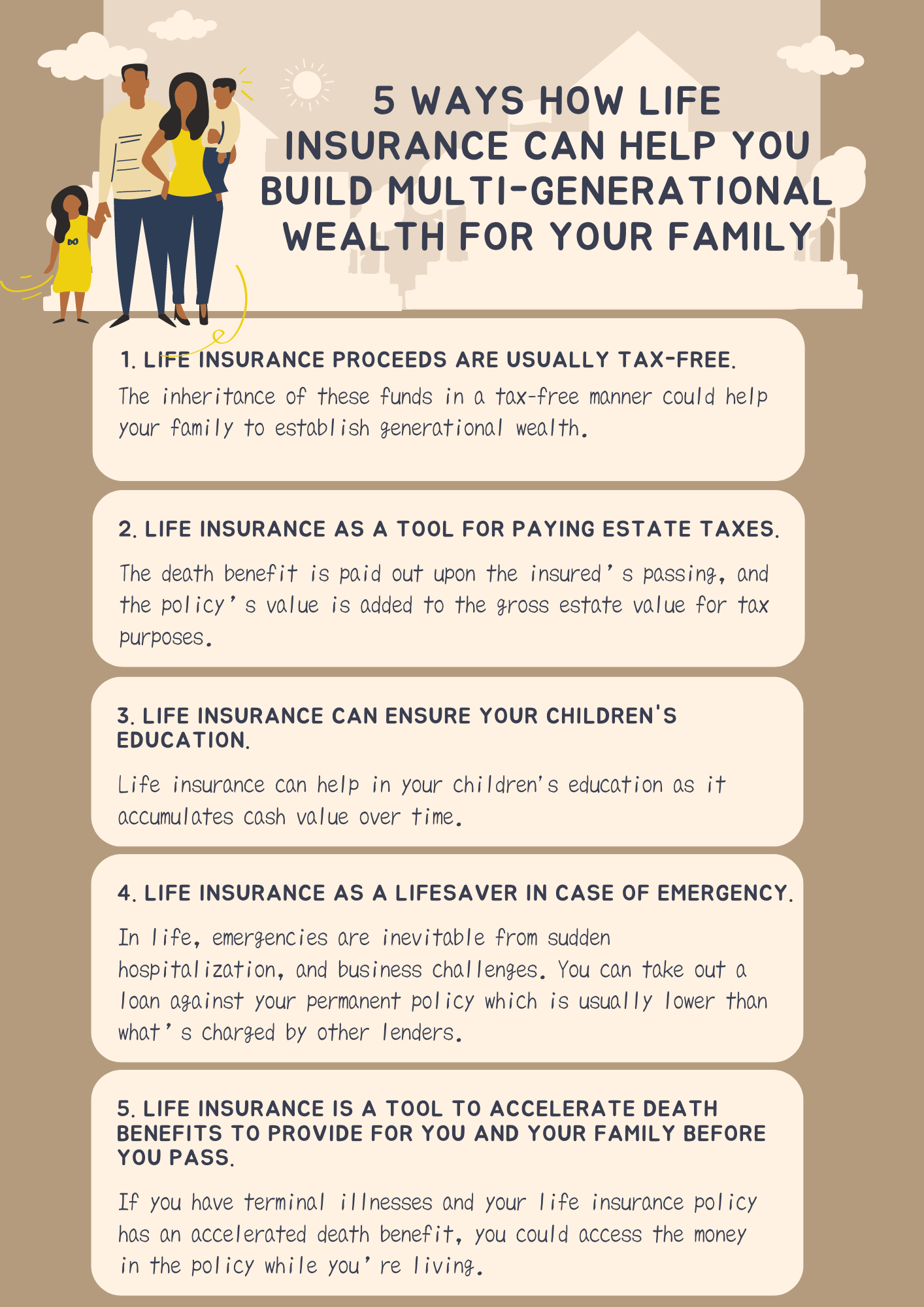
Leaving a life insurance policy to a minor requires careful planning because children under 18 lack the legal capacity to directly own, manage, or inherit significant financial assets. Parents and policyholders must use specific legal structures—such as naming a trustee, establishing a trust, or utilizing custodial accounts—to ensure the death benefit is managed safely and distributed according to their exact wishes.
Planning for the financial security of minor children is one of the most critical responsibilities a parent or guardian can undertake. Life insurance serves as a vital safety net, replacing lost income, funding future educational expenses, and covering day-to-day living costs if the unthinkable happens. However, naming a minor child directly as a beneficiary on a life insurance policy is fraught with legal and logistical complications. Insurance companies generally cannot pay death benefits directly to a child under the age of 18. If a policyholder passes away without proper arrangements, the court may step in to appoint a property guardian, a process that can be costly, time-consuming, and subject to rigid judicial oversight.
To prevent these complications, policyholders must understand the various legal mechanisms available to transfer death benefits securely to minors. This guide explores ten distinct methods for leaving a life insurance policy to children under 18, examining the structural mechanics, advantages, potential drawbacks, and legal considerations of each approach.
Understanding the Legal Challenges of Minors as Beneficiaries
Before evaluating specific strategies, it is essential to understand why direct designations fail when minor children are involved. When an insurance carrier processes a claim where a minor is listed as the primary beneficiary, they legally cannot release the funds directly to the child.
State laws dictate that minors cannot legally sign a binding receipt for funds or manage large sums of money. Consequently, the insurance company will typically hold the funds until a court-appointed legal guardian or conservator is established. This court intervention introduces several systemic drawbacks:
- Financial Costs: Legal fees, court costs, and ongoing accounting expenses deplete the insurance payout.
- Loss of Control: A judge, rather than the deceased parent, dictates how and when the funds are accessed.
- Immediate Access at Age of Majority: In most jurisdictions, court-supervised accounts must be handed over completely to the child the moment they reach the age of 18 or 21 (depending on state law), often before they possess the maturity to manage substantial wealth responsibly.
Utilizing intentional estate planning structures avoids these pitfalls. Below are ten structured ways to navigate these challenges and protect a child's financial future.
1. Name a Revocable Living Trust as Beneficiary
Establishing a revocable living trust is widely considered the gold standard for individuals with minor children. In this arrangement, you create a legal entity (the trust) during your lifetime and name it as the beneficiary of your life insurance policy. You also appoint a trustee—a trusted family member, friend, or professional fiduciary—to manage the assets after your death.
The trust document contains explicit instructions outlining how the insurance proceeds should be used. For example, you can stipulate that the funds pay for the children's health, education, maintenance, and support, while delaying full distribution until the children reach specific milestones, such as ages 25, 30, or older.
- Pros: Complete control over distribution timing; protection from creditors; avoids probate.
- Cons: Higher upfront legal costs to draft the trust; ongoing administrative responsibilities.
2. Utilize a Testamentary Trust (Trust Created by Will)
A testamentary trust does not exist during your lifetime; instead, it is built directly into your Last Will and Testament. You name your estate or the testamentary trust as the life insurance beneficiary, and the trust springs into legal existence upon your passing.
Like a living trust, this method allows you to appoint a trustee and set rules for how the insurance proceeds are disbursed to minors. However, because it is tied to a will, the trust and the distribution of assets typically must go through the probate court process.
- Pros: Simpler and often less expensive to set up initially than a living trust.
- Cons: Subject to public probate proceedings; delays in funding the trust while the will is validated.
3. Establish a Uniform Transfers to Minors Act (UTMA) Account
If you want a straightforward approach without the complexity of a formal trust, you can name a custodian under the Uniform Transfers to Minors Act (UTMA) as the beneficiary designation. When structuring this, the beneficiary designation form typically reads: "[Name of Adult Custodian] as custodian for [Name of Minor Child] under the [State] Uniform Transfers to Minors Act."
The designated custodian manages the life insurance proceeds, invests the funds, and uses them for the child's benefit until the child reaches the statutory age of termination (usually 18 or 21, depending on state law).
- Pros: Inexpensive to set up; no complex trust documents required; transparent management.
- Cons: The child gains absolute control over the remaining funds at a relatively young age (18 or 21), which may not align with your wishes for maturity.
4. Set Up a Uniform Gifts to Minors Act (UGMA) Account
Similar to an UTMA, a Uniform Gifts to Minors Act (UGMA) account can be designated as a life insurance beneficiary in many states. The primary technical difference is the type of assets the account can hold; while UGMAs are traditionally limited to financial assets like cash, securities, and insurance policies, UTMAs can also hold real estate and physical property.
The operational mechanics remain identical: an adult custodian manages the funds until the minor reaches the age of majority.
- Pros: Easy to establish and administer without legal assistance.
- Cons: Rigid termination age; limited asset flexibility compared to a trust.
5. Appoint a Guardian of the Property (Court-Appointed Conservator)
If no alternative beneficiary arrangements are made and a minor is listed directly on the policy, a court will appoint a legal guardian of the property (often called a conservator) to manage the payout. While this happens involuntarily if no plan is in place, a policyholder can also express a preference for this role within their will.
The conservator is legally bound to act in the child's best financial interest, but every major financial decision—such as withdrawing funds for education—often requires formal approval from a judge.
- Pros: Ensures legal oversight of the funds.
- Cons: Highly restrictive; invasive court supervision; ongoing legal and bonding fees paid out of the child's funds.
6. Name a Secondary Adult Beneficiary with a Binding Agreement
Some policyholders consider naming a trusted adult relative (such as an aunt, uncle, or adult sibling) as the direct beneficiary, relying on a verbal or informal agreement that the funds will be used exclusively to care for the children.
- Financial Planning Warning: This method carries extreme legal and financial risks. Legally, the adult beneficiary owns the money outright. If that person faces a lawsuit, divorce, bankruptcy, or unexpected death, the life insurance proceeds intended for the children could be seized or diverted.
- Pros: Maximum initial simplicity and privacy.
- Cons: Zero legal protection for the children; heavily dependent on the honesty and financial stability of the adult beneficiary.
7. Direct Payout to a Settlement Option (Life Insurance Company Retained Asset Account)
Many major life insurance companies offer structured settlement options or retained asset accounts for beneficiaries. If a minor is the named beneficiary, some policy insurers allow the proceeds to be placed into an interest-bearing account managed by the insurance company itself until the child reaches the age of majority.
The child can then access the accumulated funds upon turning 18. Alternatively, structured settlement options can be configured to disburse fixed periodic payments over a designated timeline.
- Pros: Professional institutional management; guaranteed interest rates depending on the contract.
- Cons: Limited investment growth potential; lack of personalized discretion for unique family needs.
8. Create a Section 529 College Savings Plan Beneficiary Structure
If the primary goal of the life insurance policy is to fund higher education for children under 18, policyholders can coordinate their insurance planning with a 529 college savings plan. While a 529 plan cannot be named directly as a standard insurance beneficiary in most standard policy structures, a living trust or custodian can be mandated to funnel a designated portion of the insurance payout directly into active 529 accounts.
This ensures that the capital is shielded and specifically earmarked for tuition, books, and qualified higher education expenses.
- Pros: Significant tax advantages for educational savings; clear allocation of purpose.
- Cons: Funds are restricted to educational expenses; penalties apply if withdrawn for non-qualified uses.
9. Utilize an Irrevocable Life Insurance Trust (ILIT) for Estate Tax Mitigation
For high-net-worth families, an Irrevocable Life Insurance Trust (ILIT) serves a dual purpose: it removes the life insurance proceeds from the taxable estate while providing structured support for minor children.
Once an ILIT is established and the policy is transferred into it, the trust owns the policy. The policyholder cannot alter or revoke the trust. Upon the insured's death, the trustee collects the tax-free payout and manages it for the minor beneficiaries according to strict, predetermined guidelines.
- Pros: Substantial estate and gift tax savings; asset protection from creditors and legal judgments.
- Cons: Complete loss of control over the policy once transferred; complex setup and maintenance requirements.
10. Direct Family-Law Support Trust via Divorce Decree
For divorced or separated parents, ensuring that children are provided for is often a mandated obligation. A parent can be ordered by a court—or choose voluntarily via a property settlement agreement—to maintain a life insurance policy with a structured support trust for the minor children as beneficiaries.
This ensures that even if the paying parent passes away before the children reach adulthood, child support and educational obligations continue to be funded seamlessly through the insurance payout.
- Pros: Legally enforceable; provides stability in blended or single-parent family structures.
- Cons: Requires legal coordination between family law attorneys and estate planners.
Comparison of Methods for Leaving Life Insurance to Minors
| Strategy | Control Level | Setup Complexity | Probate Avoidance | Best Suited For |
|---|---|---|---|---|
| Revocable Living Trust | High | Moderate-High | Yes | Parents wanting customized, multi-stage payouts |
| Testamentary Trust | Moderate-High | Moderate | No | Individuals wanting trust benefits integrated into a will |
| UTMA / UGMA Custodial Account | Low-Moderate | Low | Yes | Smaller policies where simplicity is prioritized |
| Court Conservatorship | None | High (Involuntary) | No | Unplanned estates with minor beneficiaries |
| Irrevocable Life Insurance Trust (ILIT) | Moderate | High | Yes | High-net-worth estates requiring tax planning |
Key Questions to Consider (FAQ)
What happens if I name my minor child directly as a life insurance beneficiary?
The insurance company will not release the funds directly to the child. The payout will typically be frozen until a court appoints a legal guardian or conservator to manage the funds, which involves legal fees, court oversight, and mandatory turnover of the money to the child at the age of majority.
Can an 18-year-old manage a life insurance payout responsibly?
While legally permitted to receive funds at 18 in many jurisdictions, many young adults lack the financial literacy to manage large sums. Utilizing a trust or custodial structure allows you to delay distributions until the beneficiary reaches an age of greater financial maturity, such as 25 or 30.
Do I need a lawyer to set up a trust for my life insurance policy?
While do-it-yourself estate planning templates exist, life insurance trusts involve complex legal and tax considerations. Working with a qualified estate planning attorney ensures that the trust is drafted correctly and aligns with state laws and your specific insurance policy contracts.
Are life insurance death benefits taxable to minor beneficiaries?
Generally, life insurance death benefits are received income-tax-free by beneficiaries, whether individuals, trusts, or custodians. However, if the estate itself is named as the beneficiary or if the estate exceeds federal or state estate tax exemption limits, tax implications may arise.
Can I change my life insurance beneficiary later if my children grow up?
Yes, as long as you own a standard revocable policy and have not irrevocably assigned the policy to an ILIT, you retain the right to update your beneficiary designations at any time by submitting the appropriate change-of-beneficiary forms to your insurance provider.
Practical Next Steps
Securing the financial future of children under 18 requires proactive coordination between your life insurance coverage and your broader estate plan. Begin by reviewing your current policy documents to verify your existing beneficiary designations. Next, consult with a licensed estate planning attorney or financial advisor to evaluate whether a revocable living trust or a custodial account best aligns with your family's financial situation and long-term goals. Taking these steps today ensures that your children are protected no matter what the future holds.