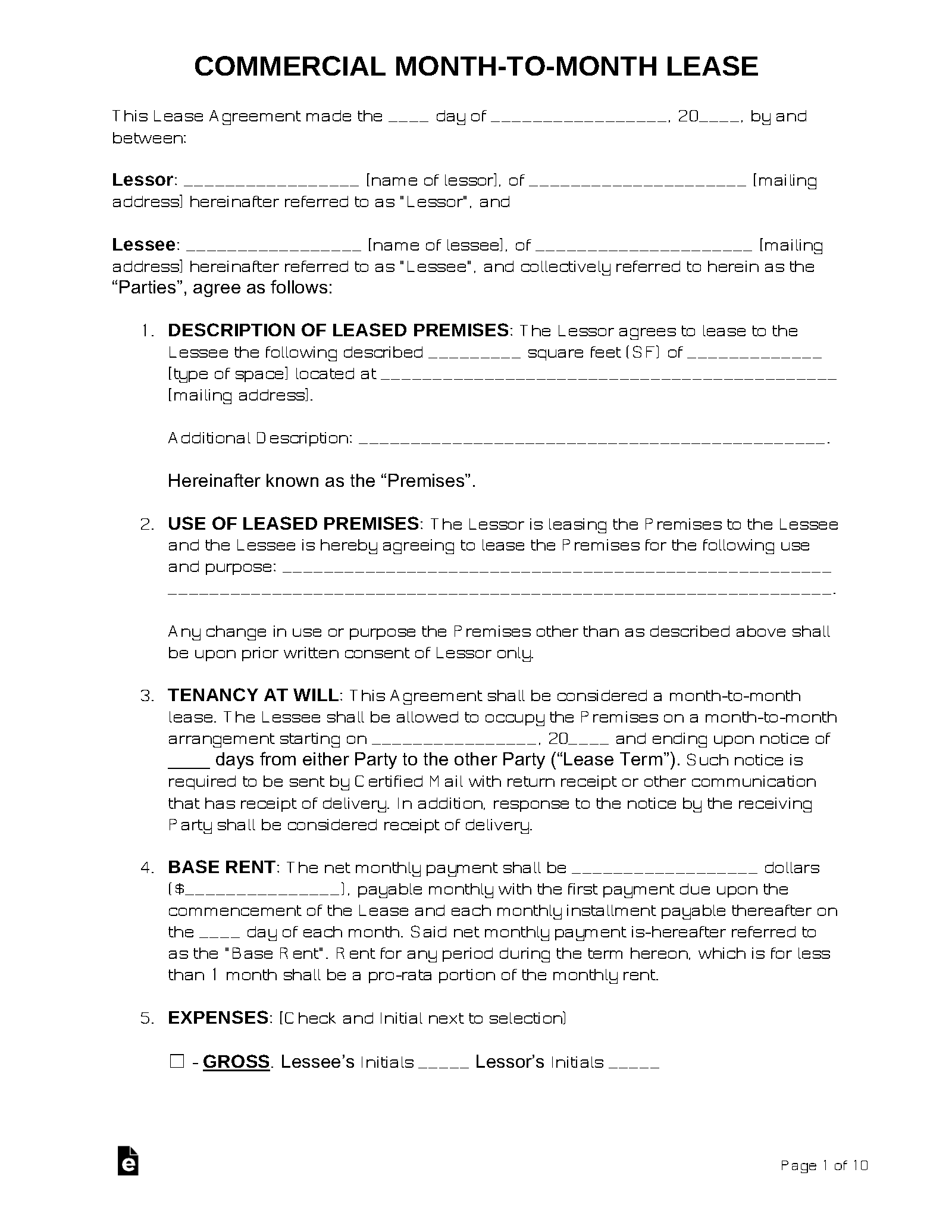
A 10-month lease term is a specialized residential rental agreement that bridges the gap between a standard 12-month lease and a short-term or month-to-month contract. This arrangement is commonly utilized by academic professionals, university students, corporate transferees, or individuals transitioning between real estate purchases. While it follows the same fundamental legal structure as a traditional lease, it introduces distinct expiration timelines, specialized renewal clauses, and unique pricing adjustments that require careful examination before signing.
The Fundamentals of Residential Lease Terms
To understand how a 10-month lease operates, it is helpful to place it within the broader landscape of residential property management. Landlords and property management companies typically prefer 12-month agreements because they minimize turnover costs, limit vacancy gaps during off-peak seasons, and provide predictable, long-term cash flow. However, demographic shifts and localized economic conditions often create demand for alternative timeframes.
Standard lease agreements legally bind both the tenant and the landlord for a specified duration. Breaking a lease early usually incurs financial penalties, such as forfeiture of security deposits, continued rent liability until a new tenant is found, or explicit lease-break fees. A 10-month lease legally binds the parties for ten consecutive months, establishing a firm termination date that must be managed proactively by both sides.
Why Landlords and Tenants Choose Non-Standard Terms
The real estate market is rarely uniform, and rigidity can harm occupancy rates. Landlords may offer a 10-month lease to strategically align their property's expiration date with the spring or summer leasing season—the period when demand is highest and prospective tenants are most abundant. Conversely, tenants seek these agreements to match specific life events without paying for empty months or facing the uncertainty of month-to-month tenancy, which often carries higher rental rates and less security.
Anatomy of a 10-Month Lease Agreement
A legally binding 10-month lease term example shares most of its structural components with a standard 12-month contract. However, specific clauses must be drafted with precision to reflect the truncated timeline. Below is an overview of the core sections typically found in a well-drafted 10-month lease document.
1. Term of Lease and Possession Dates
The lease must explicitly state the commencement date and the exact expiration date. For example, a lease might begin on August 1st and terminate on May 31st of the following year. Precision here prevents legal ambiguities regarding overstaying or holdover tenant status.
2. Rent Calculation and Payment Schedules
Rent can be structured in several ways under a 10-month term. Some landlords calculate the total annual revenue they require and divide it evenly across the 10 active months, which can result in a higher monthly payment compared to a 12-month rate. Others charge a premium—often 5% to 15% higher than the standard monthly rate—to offset the increased risk of turnover and vacancy.
3. Security Deposits and Move-In Fees
State and local laws often dictate the maximum amount a landlord can charge for a security deposit, usually tied to a multiple of the monthly rent (e.g., one to two months' rent). Because the monthly rent on a 10-month lease may be adjusted upward, the security deposit may scale accordingly, providing the landlord with equivalent financial protection.
4. Renewal and Holdover Provisions
Because a 10-month lease is designed to end at a specific juncture, the contract must outline what happens upon expiration. Common provisions include:
- Automatic conversion to a month-to-month tenancy at an escalated rate.
- A requirement for the tenant to provide written notice of intent to vacate 30 to 60 days prior to the end date.
- An option to sign a subsequent 12-month lease at market rate.
Comprehensive 10-Month Lease Term Example Scenario
To visualize how these clauses manifest in practice, consider the following detailed scenario involving a university town rental property.
- Landlord: Apex Property Management LLC
- Tenant: Dr. Jane Doe (Visiting Professor)
- Property: 742 Evergreen Terrace, Unit 4B
- Commencement Date: September 1, 2026
- Expiration Date: June 30, 2027
- Monthly Rent: $2,200 (Reflecting a $200 short-term premium over the standard $2,000 12-month rate)
- Security Deposit: $2,200
Sample Excerpt: Term and Expiration Clause
"Landlord hereby leases to Tenant, and Tenant hereby leases from Landlord, the real property located at 742 Evergreen Terrace, Unit 4B, for a term commencing on September 1, 2026, and expiring at 11:59 PM on June 30, 2027. This Lease Term shall automatically terminate on the Expiration Date without the necessity of any notice from either Landlord or Tenant, unless a renewal agreement has been executed in writing by both parties at least thirty (30) days prior to the Expiration Date."
Sample Excerpt: Rent and Payment Structure
"Tenant agrees to pay to Landlord as base rent the sum of Twenty-Two Hundred Dollars ($2,200.00) per month, due on or before the first day of each calendar month. Payments shall be delivered to Landlord's designated portal. A late fee of five percent (5%) shall be assessed for any rent payment received after the fifth (5th) day of the month."
Comparing Lease Term Structures
Choosing the right lease length depends entirely on the tenant's schedule and the landlord's strategic goals. The following table compares a 10-month lease term against standard 12-month agreements and short-term month-to-month arrangements.
| Lease Feature | 10-Month Lease Term | 12-Month Standard Lease | Month-to-Month Agreement |
|---|---|---|---|
| Primary Duration | Exactly 10 months | One full year (12 months) | Indefinite, rolling monthly periods |
| Monthly Rental Rate | Often includes a short-term premium | Standard baseline market rate | Typically highest due to landlord risk |
| Expiration Season | Strategically aligned (e.g., spring/summer) | Often anniversary-based (any month) | Terminable by either party with notice |
| Tenant Stability | Moderate-to-high fixed term | Maximum fixed stability | Low stability; vulnerable to rate hikes |
| Turnover Risk | Controlled by landlord | Low annual frequency | High frequency |
Advantages and Disadvantages of a 10-Month Lease
Every contractual structure involves trade-offs for both parties involved. Evaluating these pros and cons helps stakeholders determine whether a 10-month commitment is appropriate for their situation.
Benefits for Tenants
- Alignment with Academic Calendars: Ideal for educators, researchers, and students whose professional or academic obligations run concurrent with the academic year.
- Avoiding Summer Vacancies: Tenants who do not need a property over the summer months avoid paying for empty space or attempting to sublease.
- Rate Certainty: Unlike month-to-month agreements where rent can fluctuate with statutory notice, a 10-month lease locks in the rental rate for the duration.
Drawbacks for Tenants
- Higher Monthly Payments: Landlords frequently price shorter leases higher to compensate for potential vacancy gaps.
- Moving Frequency: Having to relocate every ten months can lead to recurring moving expenses, utility connection fees, and logistical stress.
- Limited Availability: Many residential landlords refuse non-standard terms, narrowing the pool of available housing options.
Benefits for Landlords
- Seasonal Market Alignment: Landlords whose leases expire in May, June, or July enter the busiest rental season when demand peaks, minimizing prolonged vacancies.
- Controlled Risk: If a tenant proves difficult or unreliable, the landlord regains possession of the property faster than under a 12-month commitment.
Drawbacks for Landlords
- Increased Administrative Overhead: Processing new tenants, conducting move-in/move-out inspections, and cleaning units every 10 months requires more labor and expense than a stable 12-month tenancy.
- Potential Vacancy Gaps: If a new tenant is not secured immediately upon the expiration of the 10-month term, the property may sit vacant during less desirable leasing months.
Common Legal and Financial Pitfalls to Avoid
Entering into a non-standard lease agreement requires heightened attention to detail. Both parties should watch for common pitfalls that can lead to disputes or financial loss.
1. Vague Holdover Language
If the lease does not clearly specify the financial penalties or terms for staying past the 10-month mark, a holdover tenant may legally default to a month-to-month tenancy at the original rate under certain state laws. Landlords must include explicit holdover rent multipliers (e.g., 150% of the standard monthly rate) to deter unauthorized occupancy.
2. Misunderstanding Early Termination Rights
A common misconception is that a shorter lease is easier to break. Legally, a 10-month lease is just as binding as a 12-month lease. Unless an explicit early termination clause or military clause (such as the Servicemembers Civil Relief Act) applies, breaking the lease early makes the tenant liable for remaining rent.
3. Ignoring Local Rent Control and Tenant Laws
Jurisdictional laws heavily regulate residential leases. In rent-controlled municipalities, statutory limits may apply to how much a landlord can increase rent for short-term leases or what fees can be assessed. Always verify compliance with local housing authorities or consult a licensed real estate attorney before executing non-standard agreements.
Disclaimer: Real estate and rental laws vary significantly by jurisdiction, state, and municipality. This article is for informational purposes and does not constitute formal legal or financial advice. Consult a qualified attorney or local housing authority regarding specific lease agreements.
Frequently Asked Questions
Can a 10-month lease be renewed for another 10 months?
Yes, a landlord and tenant can mutually agree to execute a new 10-month lease or renew the existing terms upon expiration. However, neither party is obligated to renew unless an option-to-renew clause was embedded in the original contract. If no action is taken, the lease typically terminates or converts to month-to-month status as dictated by the original agreement.
Do landlords charge more for a 10-month lease than a 12-month lease?
Frequently, yes. Landlords often apply a short-term premium to offset the administrative costs of turnover and the statistical risk of the unit sitting vacant during off-peak months. The exact amount depends on local rental market demand and vacancy rates.
What happens if I need to move out before the 10 months are up?
Breaking a 10-month lease early carries the same legal consequences as breaking any other fixed-term lease. You remain legally responsible for the rent until the end of the term or until a replacement tenant is secured, unless your lease contains an early termination clause or you negotiate a lease buyout with the landlord.
How does a 10-month lease affect my security deposit return?
A 10-month lease does not alter security deposit laws. Upon the expiration of the lease and the tenant vacating the property, the landlord must inspect the unit for damage beyond normal wear and tear and return the deposit within the timeframe mandated by state law (typically 14 to 60 days).
Are utilities handled differently in a 10-month lease?
No. Utility responsibilities—whether paid directly by the tenant to utility providers or reimbursed to the landlord—are negotiated independently of the lease term length and will be explicitly outlined in the utility clause of the contract.
Practical Next Steps for Tenants and Landlords
If you are preparing to draft, negotiate, or sign a 10-month lease, follow these actionable steps to protect your interests:
- Clarify the End Date: Ensure both parties agree on the exact calendar date the lease terminates to prevent scheduling conflicts with moving or new occupancy.
- Calculate Total Costs: Compare the total financial outlay of the 10-month lease (including any short-term premiums) against standard 12-month alternatives.
- Review Renewal Policies: Read the renewal and holdover clauses carefully to understand your obligations as the expiration date approaches.
- Consult Professionals: Have a local real estate agent or legal professional review the contract if you are uncertain about jurisdictional lease regulations.