If you are searching for a series similar to True Detective Season 1, the most compelling match is Mindhunter. While many procedural dramas attempt to capture the haunting, atmospheric dread of Nic Pizzolatto’s magnum opus, Mindhunter mirrors its intellectual rigor, obsession with the criminal psyche, and the grinding tension of a long-form investigation conducted by deeply flawed, cerebral detectives.
The Anatomy of the True Detective Aesthetic
To understand why True Detective Season 1 remains a cultural monolith, one must identify the specific levers it pulled that few other shows have managed to replicate. It was not merely a police procedural; it was a Southern Gothic meditation on nihilism, the failure of memory, and the rot beneath the veneer of small-town American life.
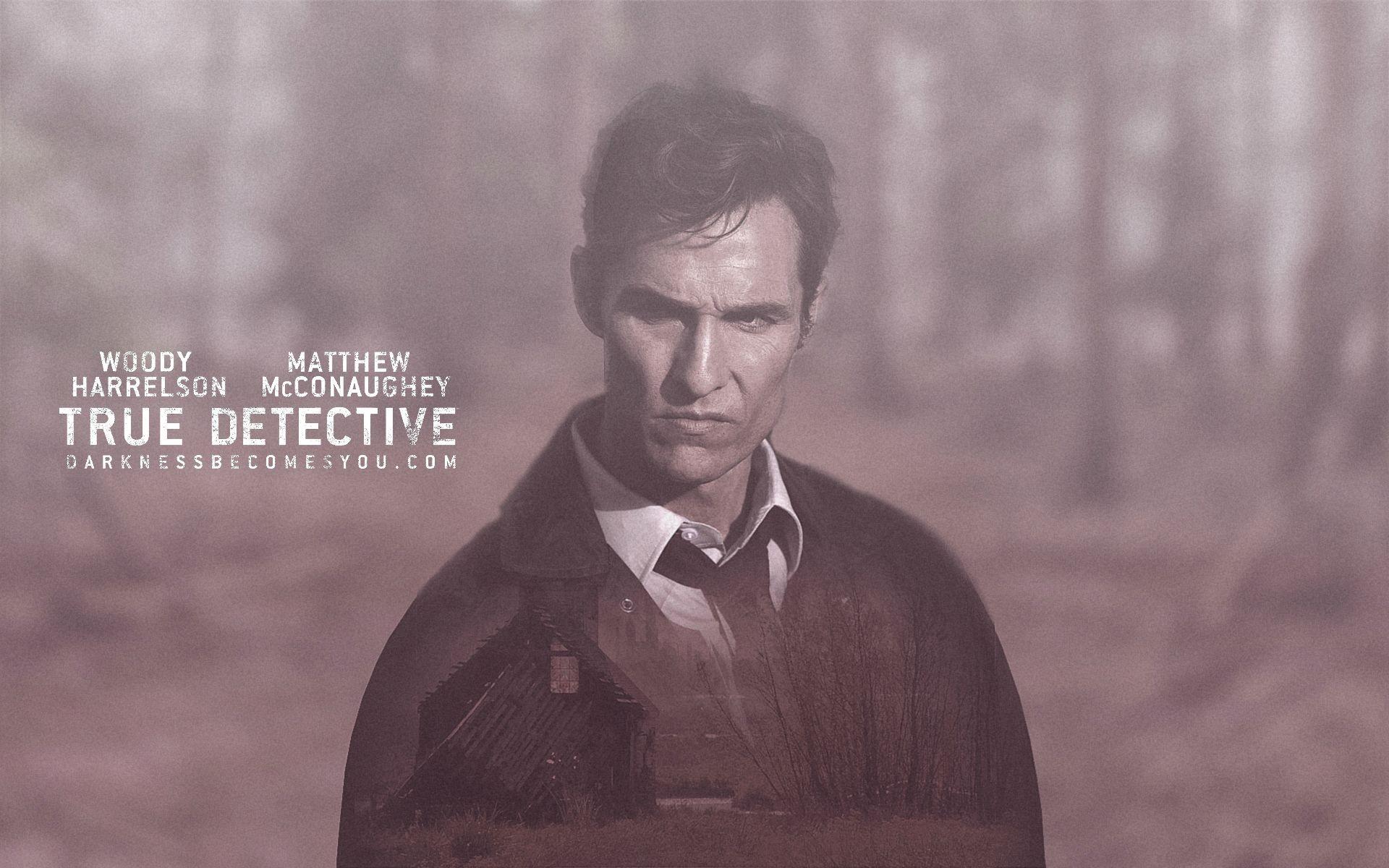
The primary draw for audiences was the interplay between Rust Cohle—the philosophically disillusioned detective—and Marty Hart, the flawed traditionalist. Their partnership provided a window into the darker aspects of human nature. Any series claiming to be "similar" must move beyond simple crime-solving and offer a distinct atmosphere, a challenging narrative structure, and an uncompromising tone that respects the intelligence of the viewer.
Why Mindhunter Stands Alone as the Best Equivalent
Mindhunter, directed primarily by David Fincher, captures the precise frequency of True Detective Season 1 through its commitment to psychological realism. Set in the late 1970s, the series follows FBI agents Holden Ford and Bill Tench as they navigate the nascent stages of behavioral science.
Like the investigation into the "Yellow King," Mindhunter is less about the hunt for a singular killer and more about the existential toll of staring into the abyss. When Ford interviews incarcerated serial killers, he is not just gathering clues; he is engaging in a terrifying philosophical exercise that challenges his own perception of morality. The technical depth of the interviews, the bureaucratic friction within the FBI, and the slow, deliberate pacing create a sense of inevitable dread that resonates deeply with those who appreciated the slow-burn intensity of the 2014 classic.
Key Pillars of Comparison: What Defines a Similar Experience
When evaluating other series, one should measure them against four specific criteria that defined the True Detective experience: the philosophical underpinning, the visual atmosphere, the non-linear or multi-temporal storytelling, and the depth of character study.
1. Philosophical Underpinnings
Does the show force the protagonist to grapple with a worldview that is being dismantled by their work? In True Detective, Rust Cohle’s "time is a flat circle" dialogue was a framing device for the entire narrative. A similar series must offer characters who are undergoing a crisis of meaning, not just a crisis of employment.
2. Visual Atmosphere
True Detective utilized the humid, overgrown, and decaying landscapes of Louisiana to act as a secondary character. A show that captures the same spirit must use cinematography to establish a "sense of place" that feels oppressive, isolated, or haunting.
3. Storytelling Structure
Whether through shifts in timeline or the gradual revelation of a grand, disturbing conspiracy, the narrative must demand active engagement. Shows that rely on cheap "whodunit" reveals often fall short. You are looking for a show that rewards the viewer for paying attention to subtle, recurring motifs.
4. Character Depth
The toxicity and the codependency between the lead investigators serve as the anchor. If the relationship between the detectives is functional, the show loses the tension necessary to compete with the legacy of Hart and Cohle.
Comparative Analysis of Atmospheric Crime Dramas
The following table summarizes how various acclaimed series stack up against the specific atmospheric and thematic elements found in True Detective Season 1.
| Series | Psychological Depth | Atmospheric Weight | Narrative Complexity | Key Similarity |
|---|---|---|---|---|
| Mindhunter | High | High | Moderate | Intellectual investigation |
| Top of the Lake | High | Extreme | High | Environmental dread |
| Broadchurch | Moderate | High | Moderate | Impact on a small community |
| The Outsider | High | High | Moderate | Supernatural/Grim tone |
| Hannibal | High | Extreme | High | The nature of evil |
Deep-Dive: Exploring Alternatives to the Main Recommendation
While Mindhunter is the most direct equivalent in tone, other shows serve different facets of the True Detective itch.
Top of the Lake (Jane Campion’s Masterpiece)
For those who loved the isolated, swamp-like atmosphere of Louisiana, Top of the Lake offers a similarly oppressive environment in the rugged landscapes of New Zealand. The story follows a detective investigating a missing pregnant twelve-year-old. It mirrors the thematic focus on misogyny and institutional rot, providing a haunting, deeply uncomfortable viewing experience that matches the grit of the Bayou.
The Outsider
Based on a Stephen King novel, The Outsider leans into the same "detective-versus-the-unknowable" dynamic. While True Detective was grounded in reality with only the suggestion of cosmic horror, The Outsider transitions into the supernatural. However, the first half of the series is a masterclass in police procedure, procedural exhaustion, and the breakdown of rational belief.
Hannibal (Bryan Fuller’s Vision)
If your primary interest in True Detective was the intellectual sparring and the exploration of the "dark side" of humanity, Hannibal is essential viewing. While it is more stylized and operatic than the grounded, dusty reality of the Rust Cohle saga, it shares an obsession with the aestheticization of death and the psychological destruction of its investigators.
Practical Guidance for Viewers
To select the right follow-up, categorize what you personally missed most when the credits rolled on True Detective Season 1.
- If you miss the "Southern Gothic" isolation: Prioritize Top of the Lake. The environment serves as a barrier to justice, creating a claustrophobic effect that is unmatched in the genre.
- If you miss the "Intellectual/Philosophical" conflict: Prioritize Mindhunter. The dialogue-driven scenes are the closest you will find to the intense, rambling, and insightful conversations between partners in a car.
- If you miss the "Haunted Detective" trope: Look toward The Killing (US version). While it is a standard procedural on the surface, the character development of Sarah Linden—an intensely dedicated, socially isolated detective—is highly reminiscent of the "detective as an obsessive" archetype.
Common Pitfalls in Seeking Similar Content
A frequent mistake is seeking shows solely based on the "occult mystery" aspect. Many series utilize creepy symbols, ritualistic murders, and occult aesthetics without the philosophical weight. Shows like Midnight, Texas or Constantine might feature symbols, but they lack the grounding in human tragedy and systemic corruption that made True Detective effective.
Focusing on the atmosphere over the plot device is the key to finding satisfaction. A show about a mundane bank robbery can feel exactly like True Detective if the cinematography, writing, and character dynamics emphasize the same existential despair. Do not be misled by marketing that promises "a dark, mystery-filled ride"; instead, look for series with a singular directorial vision, such as those overseen by David Fincher or Jane Campion.
Troubleshooting Your Viewing Experience
If you find that your chosen show is not "hitting" the way True Detective did, consider these three adjustments:
- Check the Pacing Expectations: True Detective was a slow-burn, limited series. If you try to compare it to a high-octane action thriller, the pacing will feel sluggish. Allow the show at least three episodes to establish its rhythm before deciding it is not for you.
- Evaluate the Partnership: The magic of the first season was the clashing of ideologies. If a show features a lone wolf protagonist, you may find the lack of "intellectual friction" disappointing. Look for shows with a dual-lead structure.
- Auditory Context: Many of these shows utilize ambient soundscapes and silence. If you are watching in a noisy environment, you will lose the atmospheric tension essential to the viewing experience. These shows require a focused, controlled environment to fully appreciate the sound design.
Moving Forward with Your Next Watch
The journey of finding a series that matches the quality and tone of True Detective is often a process of trial and error. Because the 2014 season was a "lightning in a bottle" production—combining a singular writer, a single director, and the perfect casting of Matthew McConaughey and Woody Harrelson—there is no perfect clone.
Your best next action is to begin with the first episode of Mindhunter. By the time the title sequence concludes, the cold, clinical, and intellectually demanding atmosphere will likely provide the level of immersion you are seeking. If the 1970s setting does not appeal, pivot to the desolate beauty of Top of the Lake. Both selections prioritize the "how" and "why" of criminal behavior over the simple "who," which is the hallmark of the prestige crime drama experience.