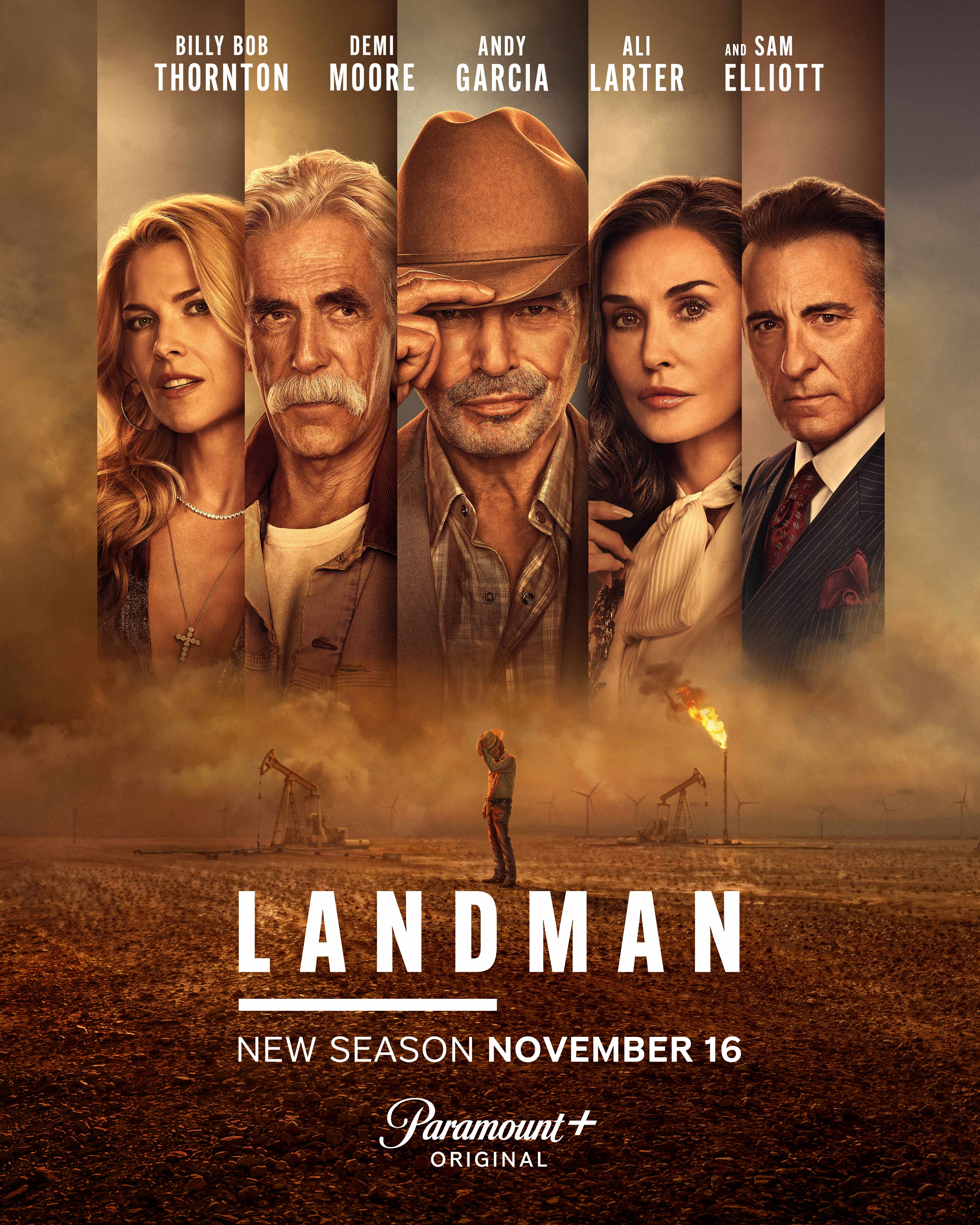
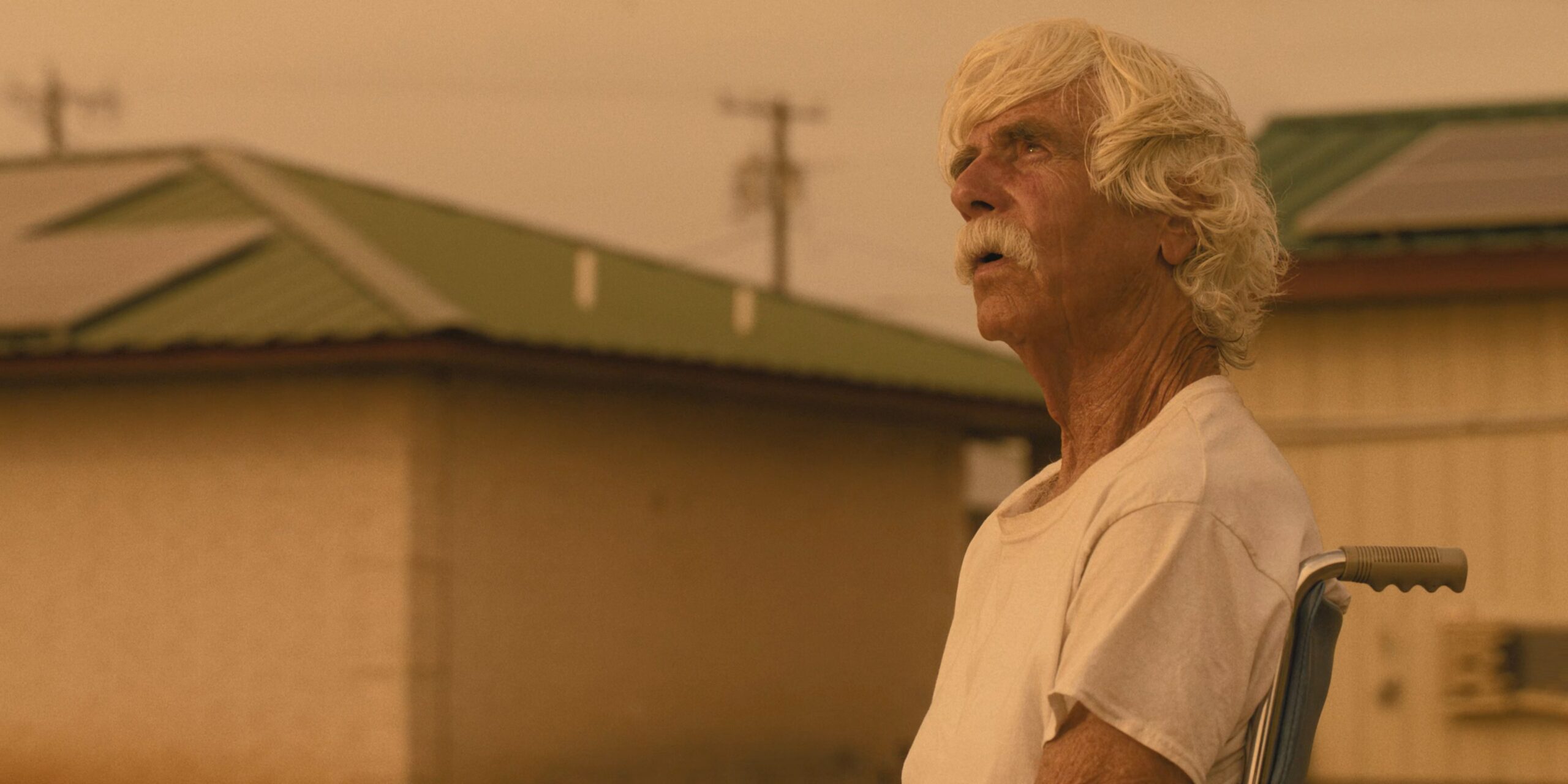
As of 2026, Sam Elliott remains a central fixture in the Paramount+ original series Landman, continuing his portrayal of Clay Miller. Following the conclusion of a high-stakes inaugural season that established the volatile landscape of the West Texas oil industry, the second season delves deeper into the complex familial and corporate power dynamics, with Elliott’s character serving as a pivotal figure in navigating these treacherous waters.
Understanding the Role of Clay Miller in Landman
The series Landman, created by Taylor Sheridan and Christian Wallace, is set in the boomtowns of West Texas, a region defined by its extreme wealth, dangerous labor, and the relentless pursuit of oil. Sam Elliott stars as Clay Miller, a veteran presence within the industry who brings a weathered, authoritative gravitas to a show rooted in the brutal realities of the energy sector.
Unlike the frenetic pacing of the series' younger protagonists, Clay Miller represents the old guard. His character functions as an anchor, grounding the narrative in the history and tradition of the oil patch. In Landman, the "landman" is the person tasked with negotiating contracts, securing mineral rights, and navigating the legal and physical landscapes to ensure drilling operations can proceed. Clay Miller’s experience provides the audience with a necessary perspective on how the industry has evolved—and how, despite modernization, the risks remain as existential as they ever were.
Season 2 Narrative Trajectory
By the time viewers reach the events of the second season in 2026, the series has moved beyond the initial "world-building" phase. The first season focused on the immediate chaos of Tommy Norris (Billy Bob Thornton) trying to manage the day-to-day survival of his company and his family. In contrast, Season 2 transitions into a more strategic conflict.
Clay Miller’s arc in the second season sees him balancing his legacy against the shifting ethical standards of a younger generation of oilmen. The tension between the survival-at-all-costs mentality of the Permian Basin and the long-term, perhaps more tempered, approach championed by the veteran characters creates the primary engine for the season's drama. Fans of Sam Elliott’s performance will note that his character is not merely a background figure; his influence often dictates the outcome of contract disputes that form the backbone of the series' plot.
Key Thematic Developments
- Generational Friction: The show continues to emphasize the gap between those who built the industry on handshakes and intuition versus those leveraging satellite data, high-frequency trading, and complex corporate hedging.
- Environmental and Regulatory Pressures: As the timeline progresses into 2026, the series integrates modern regulatory hurdles, forcing characters like Clay to adapt to federal oversight that didn't exist in the same capacity decades ago.
- Familial Burden: The interaction between the Norris family and the broader industry players, with Clay acting as a mentor or, at times, a reluctant participant in their schemes, highlights the personal cost of the oil business.
The Production Context of Landman
Landman is filmed on location in Texas, capturing the authentic, desolate beauty and industrial grit of the region. The authenticity of the series is a cornerstone of its appeal, and Sam Elliott’s involvement is often cited by the show's producers as essential for maintaining that tone. The production team prioritizes practical effects and real-world filming locations over heavy CGI, ensuring that when the audience sees the drilling rigs or the vast, dusty landscapes, they are seeing the actual environment where the energy industry operates.
For those tracking the show’s technical progression, the second season demonstrates an increased reliance on long-form narrative arcs. Rather than episodic "problem of the week" conflicts, Season 2 focuses on a season-long legal and corporate battle that ties together the various factions introduced in the first outing.
Comparison of Character Roles in the Oil Industry Drama
The following table provides a breakdown of how the key archetypes in Landman—including the position occupied by Sam Elliott’s character—contribute to the overall ecosystem of the series.
| Character Type | Primary Function | Interaction with Clay Miller |
|---|---|---|
| The Landman (Tommy) | Operations, negotiation, crisis management. | Frequently relies on Clay for historical context and industry clout. |
| The Veteran (Clay) | Strategy, mentorship, institutional memory. | Acts as a moral compass (or lack thereof) for younger executives. |
| The Executive | Capital acquisition, investor relations. | Clashes with Clay over risk tolerance and long-term liabilities. |
| The Roughneck | Field labor, physical infrastructure maintenance. | Respected by Clay for their sacrifice; often the victims of corporate disputes. |
Why Sam Elliott’s Performance is Integral
Sam Elliott has carved out a niche in modern television by playing characters who are stoic, deeply principled, and often weary of the modern world. In Landman, this archetype is pushed into a grey area. Clay Miller is not a traditional "hero." He is a man who understands that in the oil business, the ends often justify the means, but he does so with a sense of regret and heavy experience that elevates the show’s dialogue.
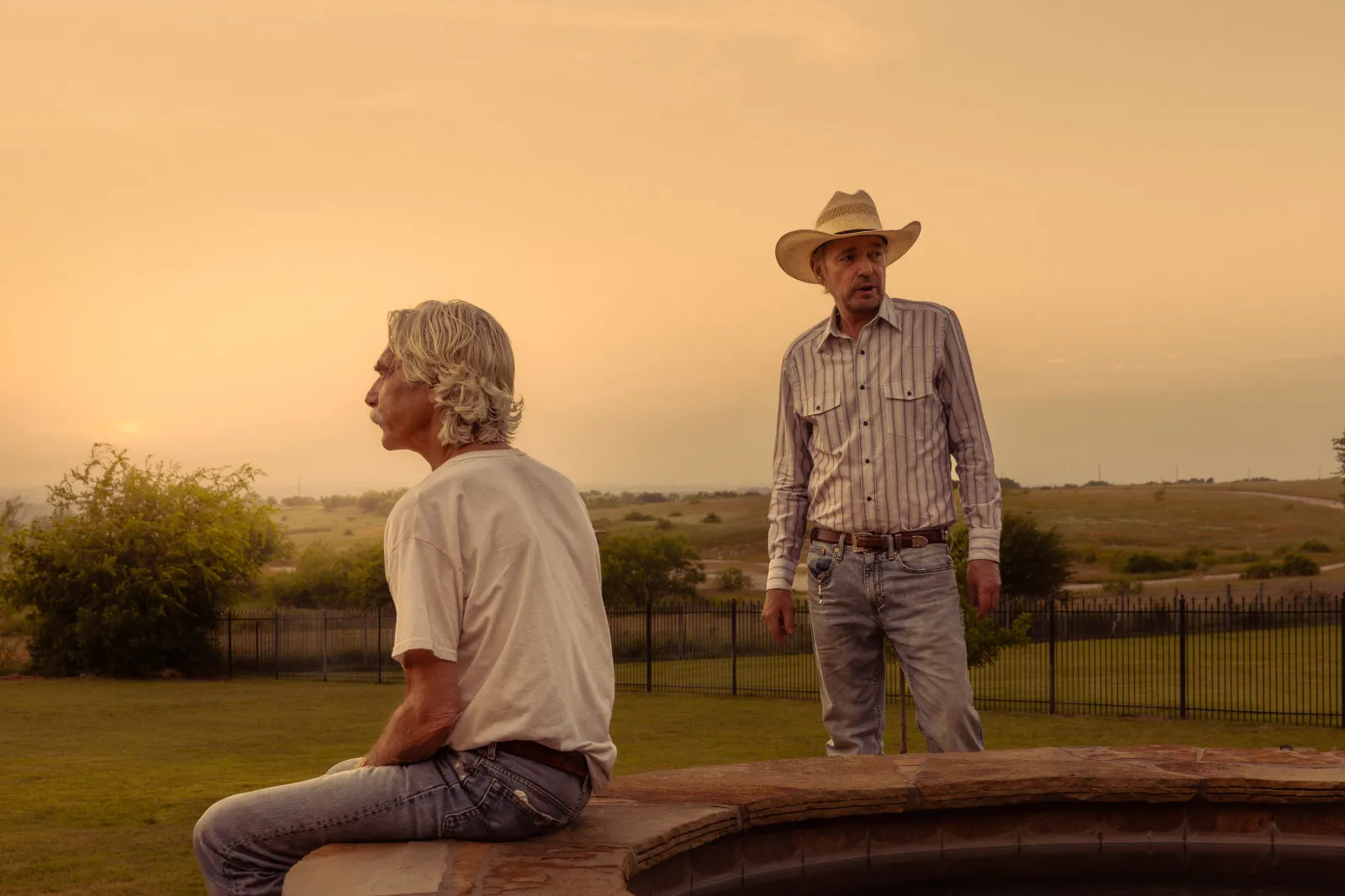
His chemistry with Billy Bob Thornton provides the series with its strongest emotional beats. Their shared screen time often features minimal dialogue, relying instead on the shared history of two actors who have spent decades perfecting the craft of the "quiet, dangerous man." This stylistic choice keeps the audience grounded in the reality of the show’s high-stakes environment.
Troubleshooting and Viewing Guidelines
If you are new to the series or trying to catch up on the trajectory of Season 2, consider the following practical guidance for the best viewing experience:
- Understand the Jargon: The series uses significant amounts of industry-specific terminology. Terms like "mineral rights," "leaseholds," and "severance taxes" are central to the plot. Don't be discouraged if you need to pause or look up specific industry mechanics to understand why a certain contract or legal filing is so catastrophic for the characters.
- The 2026 Viewing Landscape: Landman is available exclusively on Paramount+. Ensure your subscription includes access to original programming, as regional licensing agreements can sometimes delay access in non-US territories.
- Pacing Expectations: Do not approach this show expecting a fast-paced action thriller. It is a slow-burn procedural that prioritizes character-driven tension and realistic industrial conflict. The second season, in particular, rewards viewers who pay attention to the subtle negotiations in early episodes, as these often serve as the foundation for the season’s climax.
Frequently Asked Questions
Is Sam Elliott’s role in Landman a main or recurring character?
Sam Elliott is a series regular. His character, Clay Miller, is integral to the plot of both seasons, appearing throughout the narrative as a foundational piece of the Texas oil scene.
Do I need to watch the first season to understand Season 2?
Yes. The relationships and the specific industrial conflicts established in the first season are the direct catalysts for the events in Season 2. Jumping in mid-stream will result in a loss of context regarding the characters' motivations.
Is Landman based on a true story?
The show is inspired by the podcast Boomtown, which investigated the real-life oil industry in the Permian Basin. While the characters are fictional, the industry practices, legal struggles, and environmental challenges depicted are heavily rooted in the reality of the modern American oil and gas sector.
Will there be a third season after the current storyline?
As of mid-2026, the focus remains entirely on the narrative trajectory of Season 2. Paramount+ has not released definitive information regarding a third-season order, as is standard practice for high-budget productions of this nature.
How does the oil industry depiction in the show compare to real-world safety standards?
The show highlights the inherent dangers of the oil patch, including high-pressure environments, extreme weather, and logistical hazards. While the show dramatizes these for entertainment, it accurately reflects the high-stress, high-consequence nature of the industry and the rigorous safety requirements that operators must balance against production quotas.
Next Steps for Viewers
If you have finished the first season and are preparing for the second, your next best action is to re-familiarize yourself with the final three episodes of Season 1. The strategic shift in power at the end of the first season is the primary jumping-off point for the events that unfold in the current season. By understanding the specific legal standing of the Norris company at the conclusion of the first year, you will be much better prepared to follow the complex contractual and political maneuvers that define the second season.