The 1980s represented a pivotal turning point for the American automotive industry, transitioning from the smog-choked "Malaise Era" into a decade of high-tech digital dashboards, electronic fuel injection, and the birth of the modern SUV. Iconic models such as the Chevrolet Corvette C4, the Buick Regal GNX, and the Ford Mustang GT defined this era by blending emerging computer technology with traditional American muscle.
The decade began under the shadow of the 1979 energy crisis, forcing Detroit to innovate or perish. What followed was a radical departure from the heavy, carbureted iron of the 1970s. Engineers embraced turbocharging, aerodynamic "jellybean" styling, and front-wheel-drive platforms to meet stricter CAFE (Corporate Average Fuel Economy) standards. As we look back from 2026, these vehicles are no longer just "used cars"; they are highly sought-after "Radwood-era" classics that represent the first generation of truly modern driving dynamics.
The Technological Evolution: From Carburetors to Computers
To understand why 1980s American cars are iconic, one must first understand the technical hurdles of the time. The early 80s were plagued by "choke" systems and unreliable vacuum lines as manufacturers struggled to meet emissions targets. However, by mid-decade, the introduction of Electronic Fuel Injection (EFI) changed everything.
Systems like GM’s Tuned Port Injection (TPI) and Ford’s Electronic Engine Control (EEC-IV) allowed engines to breathe again. These systems used sensors to monitor oxygen, throttle position, and engine temperature, adjusting the fuel-air mixture in real-time. This provided the reliability and cold-start performance we take for granted in 2026. This technological leap is the primary reason why 80s icons remain drivable today, whereas many 70s vehicles require constant tuning.
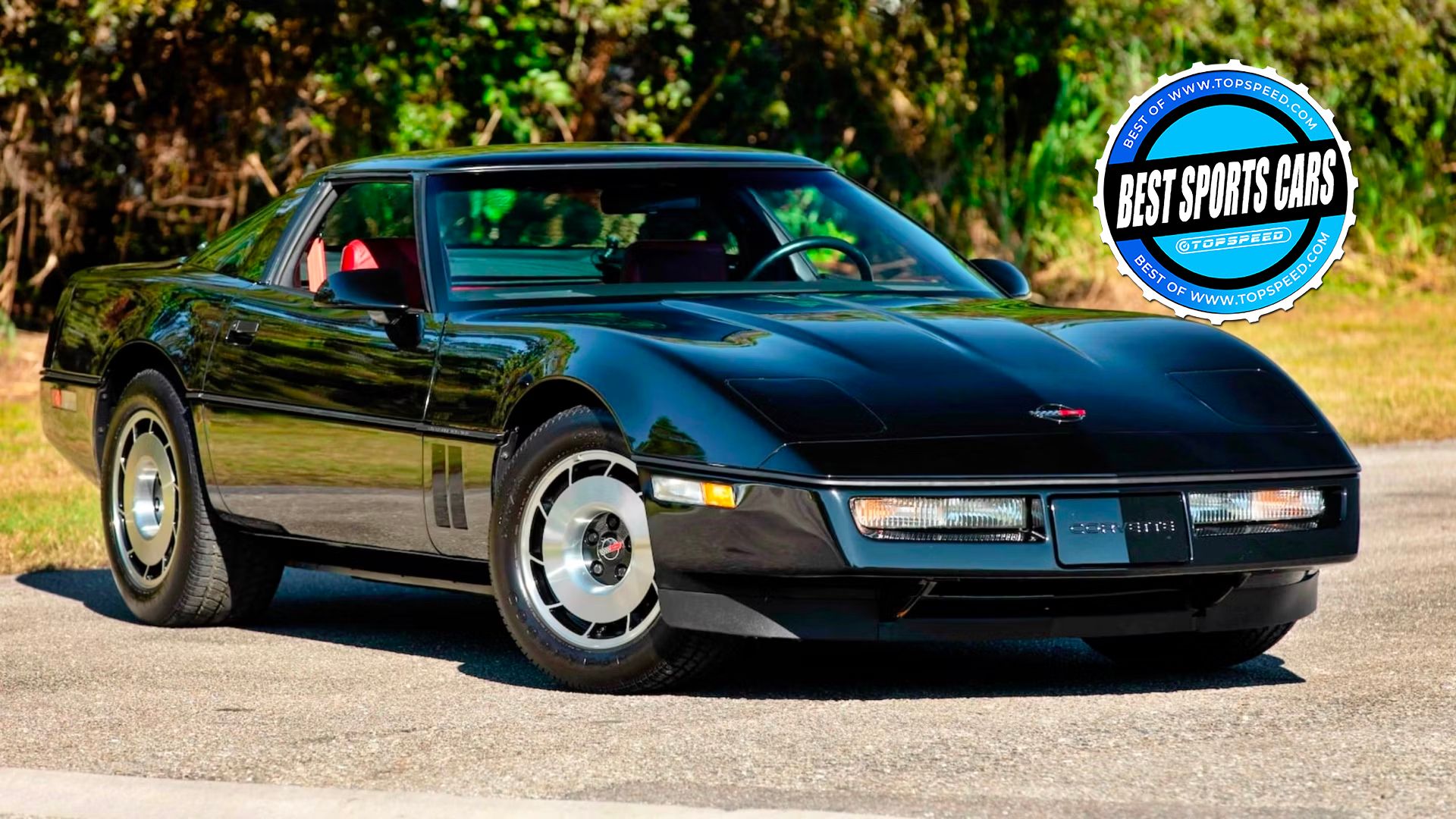
1. Chevrolet Corvette C4 (1984–1996)
The arrival of the fourth-generation Corvette in March 1983 (as a 1984 model) was a shock to the system. After fifteen years of the aging C3 platform, the C4 was a spaceship. It featured a high-strength uniframe, a transverse plastic leaf spring suspension, and a drag coefficient of just 0.34.
Technical Prowess and Digital Innovation
The C4 was famous for its "Star Wars" liquid-crystal display (LCD) dashboard. While prone to fading over the decades, in 1984, it was the pinnacle of cockpit technology. Under the clamshell hood, the 1984 model carried the "Cross-Fire" fuel injection, but the real icon arrived in 1985 with the L98 5.7L V8 featuring Tuned Port Injection.
By 1989, Chevrolet partnered with ZF to create a robust 6-speed manual transmission, and in 1990, the "King of the Hill" ZR-1 debuted with an LT5 engine designed by Lotus. This model proved that an American car could compete with European exotics on the Nürburgring.
2. Buick Regal GNX (1987)
If the Corvette was the scalpel, the Buick GNX was the sledgehammer. In 1987, Buick decided to send the aging, rear-wheel-drive G-Body platform out with a bang. They partnered with McLaren Engines to create the GNX (Grand National Experimental).
The "Darth Vader" Performance
Only 547 units were produced, and they were all painted black. The GNX featured a 3.8L V6 with a Garrett T3 turbocharger and a ceramic impeller. While officially rated at 276 horsepower, contemporary testing suggested it was closer to 300 hp, with a massive 360 lb-ft of torque.
The GNX was legendary for its ability to outrun Ferraris and Lamborghinis of the era in a quarter-mile sprint. It utilized a unique rear suspension setup with a dedicated torque arm and Panhard bar to keep the tires planted—a level of engineering rarely seen in a Buick showroom.
3. Ford Mustang "Fox Body" (1979–1993)
The Fox Body Mustang is perhaps the most culturally significant American car of the decade because it democratized performance. Based on the lightweight Fox platform, this iteration of the Mustang moved away from the uninspired Mustang II of the 70s.
The Return of the 5.0
In 1982, Ford famously advertised that "The Boss is Back" with the return of the High Output (HO) 302 cubic-inch (5.0L) V8. By 1986, Ford replaced the 4-barrel carburetor with Sequential Multi-Port Fuel Injection.
The Fox Body was iconic for its "notchback" and "hatchback" silhouettes and its incredible aftermarket potential. Even in 2026, the 5.0L Windsor engine remains one of the most supported platforms in automotive history, making it a favorite for restorers and drag racers alike.
4. Jeep Cherokee XJ (1984–2001)
While sports cars get the glory, the 1984 Jeep Cherokee XJ changed the global automotive landscape. It was the first "Sport Utility Vehicle" to use a unibody construction rather than a traditional truck frame. This made it lighter, more fuel-efficient, and surprisingly agile.
The Legendary 4.0L Inline-Six
In 1987, Jeep (then under AMC) introduced the 4.0L PowerTech Inline-Six engine. This engine is widely considered one of the most durable powerplants ever built in America. Its cast-iron block and head, combined with a simple overhead valve design, allowed many XJs to surpass 300,000 miles with basic maintenance. The XJ’s boxy, timeless design by Dick Teague remains a masterclass in functional aesthetics.
5. DeLorean DMC-12 (1981–1983)
Though its production was short-lived and plagued by scandal, the DeLorean DMC-12 is arguably the most recognizable American car of the 80s. Designed by Giorgetto Giugiaro and featuring unpainted stainless steel body panels and gull-wing doors, it looked like nothing else on the road.
Reality vs. Pop Culture
Despite its futuristic looks, the DMC-12 was technically underwhelming. It was powered by a 2.85L Peugeot-Renault-Volvo (PRV) V6 that produced a meager 130 horsepower. However, its starring role in the Back to the Future franchise cemented its status as a cultural icon. In the collectors' market of 2026, original DeLoreans command high prices not for their speed, but for their status as the ultimate 1980s artifact.
Technical Specifications Comparison
| Model | Engine Displacement | Horsepower (Peak 80s) | Layout | Notable Innovation |
|---|---|---|---|---|
| Chevrolet Corvette (1985) | 5.7L V8 (L98) | 230 hp | RWD | Tuned Port Injection (TPI) |
| Buick GNX (1987) | 3.8L V6 Turbo | 276 hp | RWD | McLaren-tuned Turbo/Intercooler |
| Ford Mustang GT (1987) | 5.0L V8 | 225 hp | RWD | Mass Air Flow EFI (later years) |
| Jeep Cherokee XJ (1987) | 4.0L I6 | 173 hp | 4WD | Unibody SUV Construction |
| DeLorean DMC-12 | 2.8L V6 | 130 hp | RR | Stainless Steel / Gull-wings |
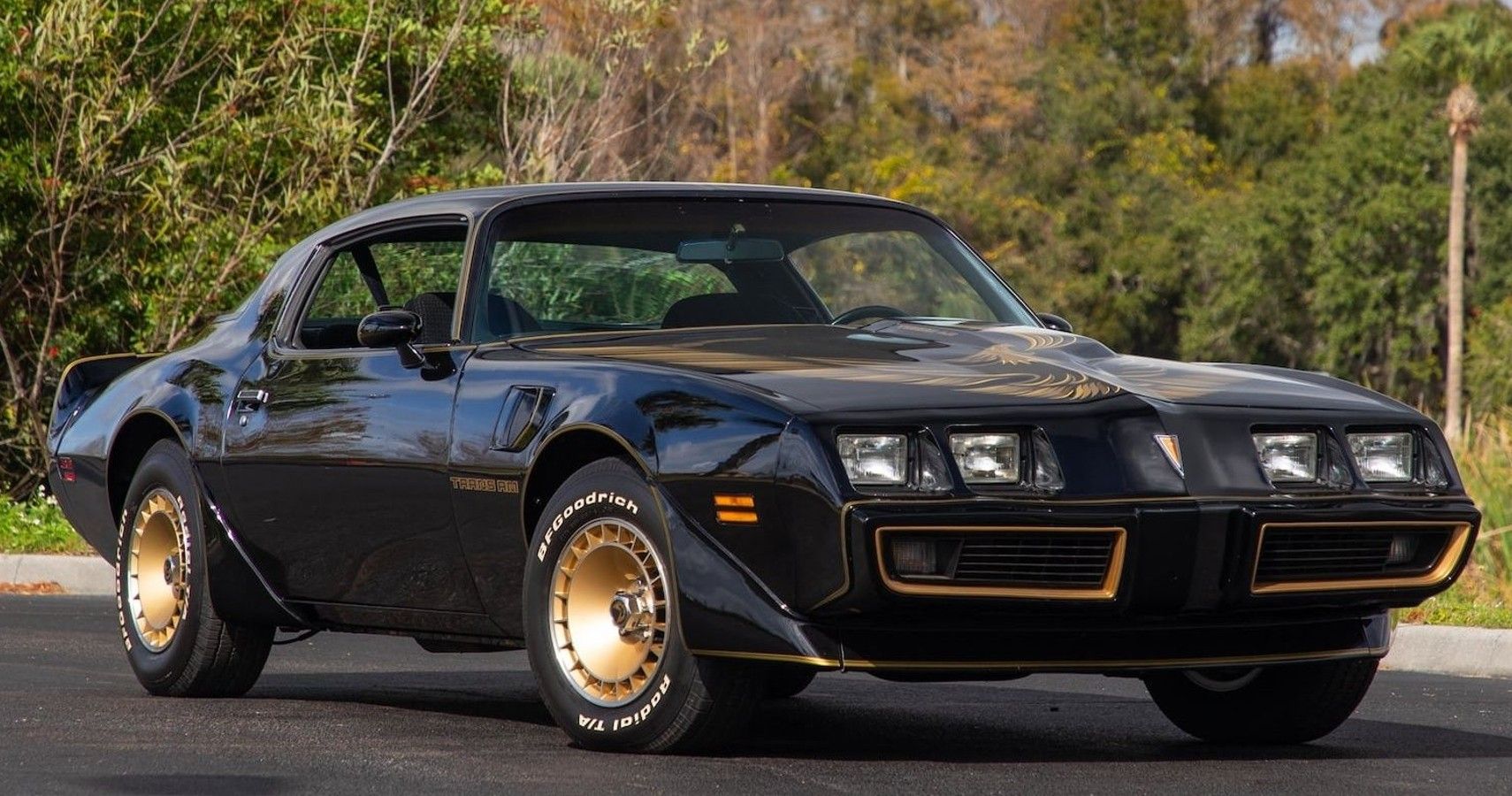
| Pontiac Trans Am GTA | 5.7L V8 | 210-225 hp | RWD | WS6 Performance Suspension |
The Impact of the "Radwood" Movement in 2026
As of 2026, the valuation of 1980s American cars has stabilized after a decade of rapid growth. The "Radwood" movement—a subculture dedicated to the cars and fashion of the 80s and 90s—has shifted the focus from Boomer-era muscle cars of the 60s to the tech-heavy cars of the 80s.
Collectors now prioritize "survivors"—cars with original paint, intact digital dashes, and uncracked plastic interiors. The challenge for 2026 enthusiasts is the degradation of early electronic components. Capacitors in Engine Control Units (ECUs) and LCD screens have reached their natural end-of-life, creating a niche industry for specialized electronics restoration.
Why 1980s Cars are Becoming Investment Grade
- Accessibility: Most 80s cars (excluding the GNX and ZR-1) remain more affordable than 1960s icons.
- Drivability: With EFI and overdrive transmissions, these cars can easily keep up with 2026 highway traffic.
- Nostalgia: The generation that grew up with Knight Rider and Miami Vice now has the disposable income to buy their childhood dream cars.
Identifying Potential Issues: What to Look For
If you are considering acquiring an 80s American icon in 2026, you must be aware of specific era-related weaknesses.
- Vacuum Systems: Early 80s cars (1980–1984) often have miles of vacuum hoses used for emissions control. A single leak can cause significant idling issues.
- Interior Plastics: Manufacturers were still perfecting UV resistance in plastics. Dashboards are prone to cracking, and headliners frequently sag.
- Early ABS Systems: First-generation Anti-lock Braking Systems (like those found in late-80s Corvettes) can be difficult to service, with parts often being "No Longer Available" (NLA) from the manufacturer.
- Rust Prevention: While better than 70s cars, 80s vehicles did not have the advanced galvanization processes used in the 1990s. Check floorboards and rear wheel arches carefully.
Frequently Asked Questions
Which 1980s American car is the most reliable?
The Jeep Cherokee XJ with the 4.0L inline-six is widely regarded as the most reliable. Its engine is famously overbuilt, and the mechanical components are straightforward. The Ford Mustang with the 5.0L V8 also ranks highly due to the simplicity of the Windsor engine and massive parts availability.
Are 80s digital dashboards reliable?
Generally, no. By 2026, most original LCD and VFD (Vacuum Fluorescent Display) dashboards in cars like the Corvette C4 or Chrysler Laser will have suffered from "sun-burn" or internal component failure. However, several specialized firms now offer refurbishment services using modern LED backlighting and fresh capacitors.
Can I use modern fuel in an 80s car?
Most 80s American cars were designed for unleaded gasoline. However, the ethanol content in modern (2026-era) fuels can be corrosive to original rubber fuel lines and early fuel injectors. It is highly recommended to replace fuel lines with ethanol-compatible hoses and consider using a fuel stabilizer if the car is not driven daily.
What is the most expensive 80s American car to buy today?
The Buick GNX consistently tops the charts. Given its limited production of 547 units and its status as the ultimate "sleeper," well-maintained examples in 2026 can exceed $150,000. The 1990-1995 Corvette ZR-1 (technically starting in 1990 but developed in the 80s) is also seeing significant price appreciation.
Why was the DeLorean considered a failure despite its fame?
The DMC-12 suffered from poor build quality at the Belfast factory, a high MSRP ($25,000 in 1981, which was more than a Corvette), and a lackluster 130-hp engine that failed to deliver the performance its looks promised. John DeLorean's legal troubles eventually led to the company's bankruptcy in 1982.
Recommendations for New Collectors
For those entering the 1980s car market in 2026, the Ford Mustang GT (1987–1993) or the Chevrolet Corvette C4 (1985–1991) offer the best balance of performance, parts availability, and historical significance.
Before purchasing, verify the functionality of the electronic systems, as these are often more expensive to fix than mechanical issues. Always check for a documented service history, specifically regarding the fuel system and cooling components. For more information on historical values and market trends, resources like Hagerty Valuation Tools or the Hemmings Motor News archives provide invaluable data for the serious enthusiast.