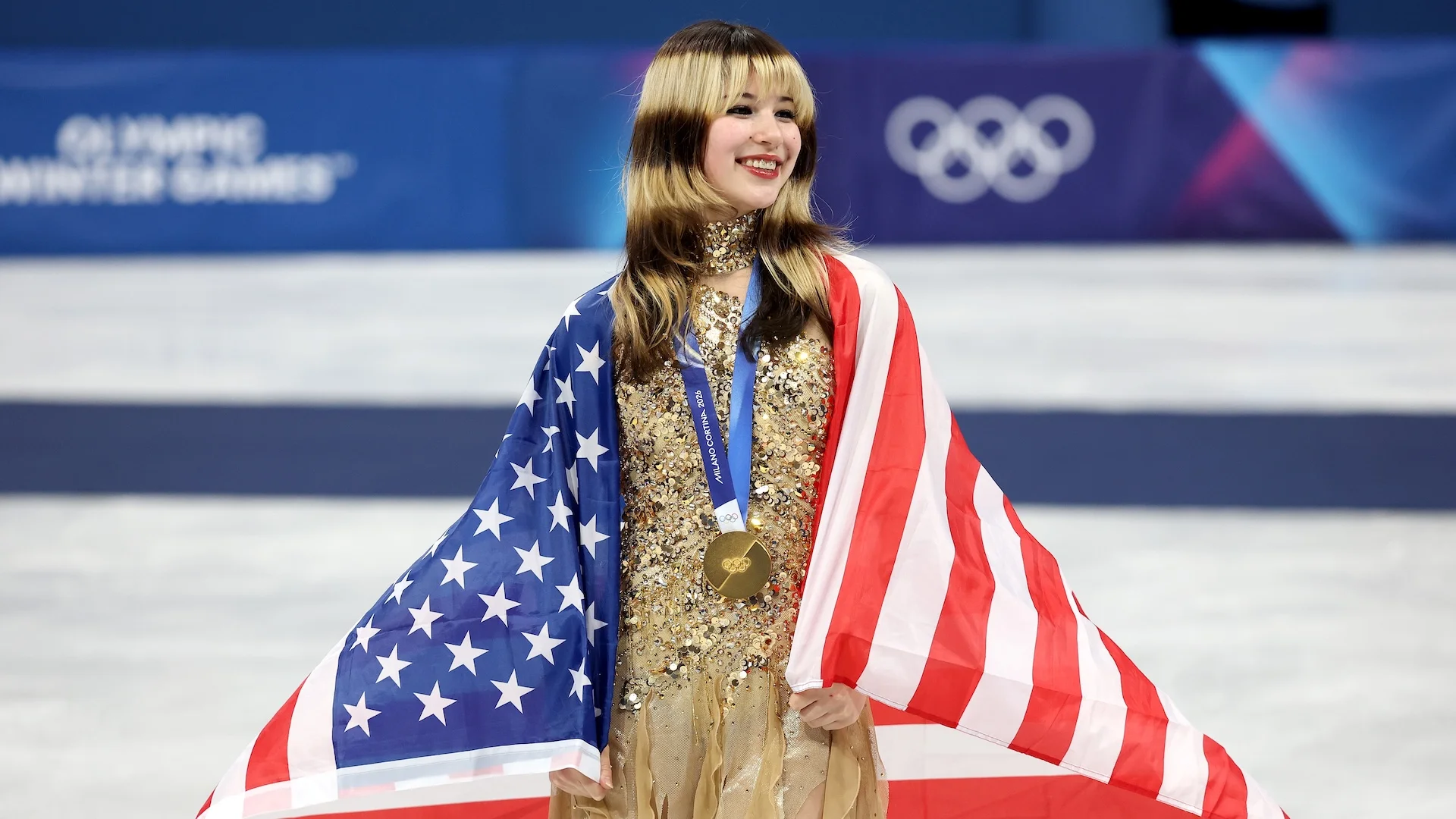
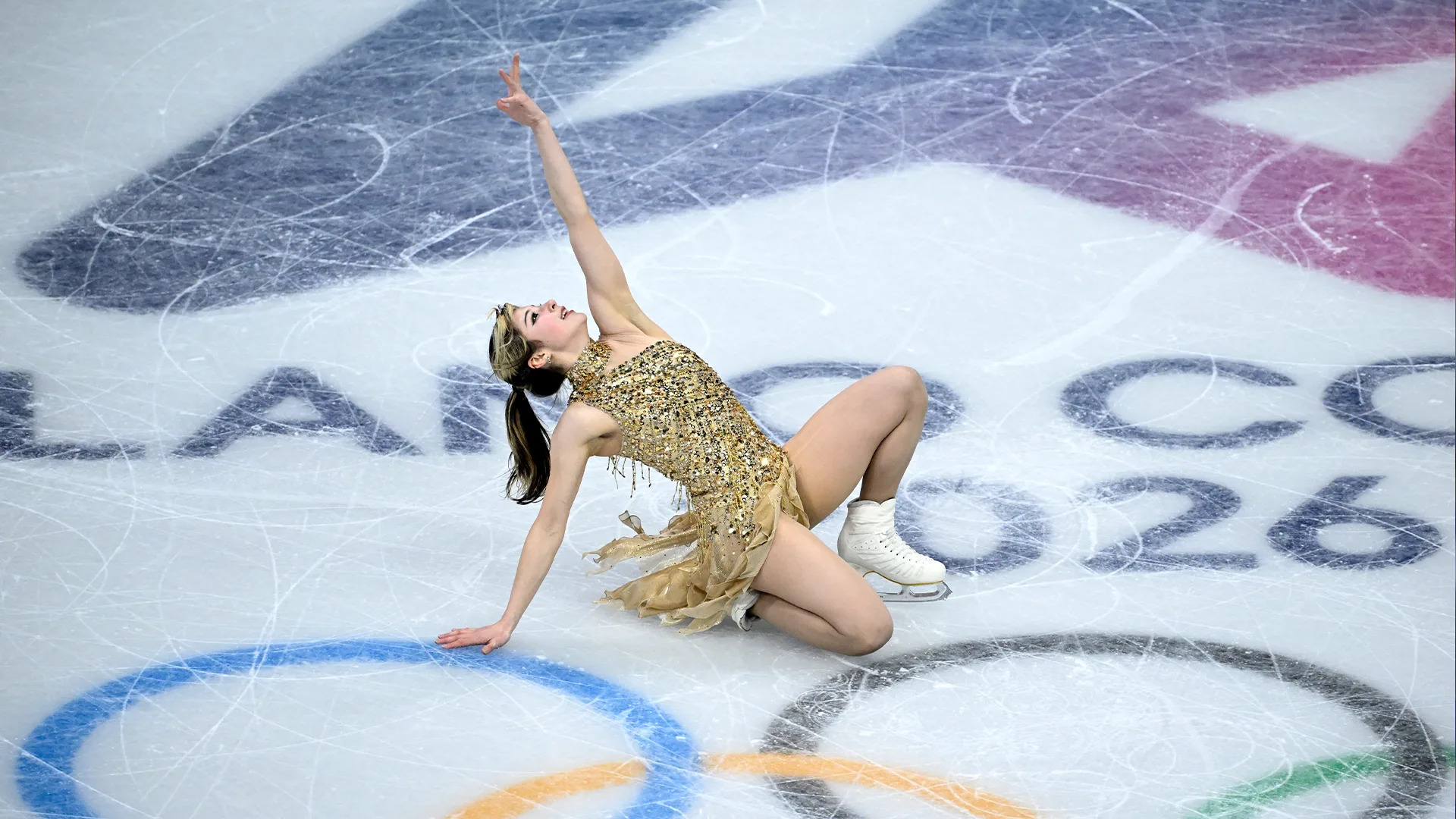
Alysa Liu’s medal ceremony at the 2026 Milano Cortina Winter Olympics marks a historic pinnacle in American figure skating, celebrating her successful transition from a 2022 retirement back to the global podium. The ceremony, held at the Medals Plaza in Milan, honors her technical resilience, artistic growth, and the successful execution of her high-difficulty triple axel sequences.
The journey to the 2026 medal podium for Alysa Liu is one of the most compelling narratives in modern Winter Games history. After announcing a surprise retirement at age 16 following the 2022 season, Liu’s return to the ice in 2024 set the stage for a dramatic appearance in Italy. As the 2026 Winter Olympics unfold in Milan and Cortina d'Ampezzo, the medal ceremony serves as more than just a presentation of hardware; it is a validation of a mature, self-driven approach to elite sport. This guide provides an in-depth look at the ceremony, the technical performance that secured her placement, and the broader implications for international figure skating.
The Road to the Milano Cortina 2026 Podium
To understand the weight of the 2026 medal ceremony, one must analyze the two-year hiatus and the subsequent training block that led to this moment. Liu’s retirement in April 2022 was seen as a premature end to a legendary career. However, her return in the 2024-2025 season signaled a shift in her competitive philosophy. Unlike her earlier years, which were characterized by the immense pressure of being a "child prodigy," her 2026 Olympic campaign was defined by agency and personal joy.
The qualification process for the 2026 Games was rigorous. Liu had to re-establish her world standing through the ISU Challenger Series and the Grand Prix circuit. Her performance at the 2026 U.S. Figure Skating Championships was the final hurdle, where she secured her spot on the Olympic team with a program that emphasized musicality as much as technical difficulty. By the time she arrived in Milan, she was no longer the youngest skater on the ice, but rather a seasoned veteran of the sport’s fluctuating landscape.
Training and Technical Adjustments
In the lead-up to 2026, Liu focused on refining her skating skills (SS) and transitions (TR), which had previously been overshadowed by her jumping ability. Working with elite coaches, she prioritized the "Total Package" approach. This meant that while she maintained her Triple Axel, she also invested heavily in the performance components (PCS) that the International Skating Union (ISU) updated following the 2022 Beijing Games. This shift was critical in Milano Cortina, where the judging panel rewarded skaters who balanced high-risk elements with sophisticated choreography.
Technical Breakdown of the Olympic Performance
Liu’s presence in the 2026 medal ceremony was made possible by a free skate that combined tactical precision with emotional depth. The technical panel's review of her elements highlights why she was able to outscore a highly competitive field of international skaters from Japan, South Korea, and Europe.
The Triple Axel Factor
The Triple Axel remains the "great equalizer" in women's figure skating. In the 2026 Olympic free skate, Liu’s ability to land a clean Triple Axel in the opening minute of her program provided the necessary base value (BV) to stay ahead of the pack. Under the current ISU judging system, a successfully executed Triple Axel yields a base value of 8.00, but the Grade of Execution (GOE) is where Liu truly excelled. By achieving +3 and +4 GOEs, she maximized her point potential.
Level 4 Spin and Step Sequences
Beyond the jumps, the 2026 medalists were distinguished by their ability to achieve Level 4 status on all non-jumping elements. Liu’s "Layback Spin" and "Change Foot Combination Spin" featured the required variations and revolutions to secure maximum points. Her step sequence, choreographed to highlight her improved edge work, was a highlight of the Milano Cortina games, demonstrating a level of maturity and ice coverage that surpassed her 2022 Olympic appearance.
| Element Category | 2022 Beijing Performance (Avg) | 2026 Milano Performance (Avg) | Improvement Focus |
|---|---|---|---|
| Triple Axel (3A) | Occasional usage | Consistent primary element | Stability and height |
| Lutz-Toe Loop (3Lz+3T) | High BV, lower GOE | High BV, positive GOE | Extension and landing flow |
| Program Components | 8.50 - 8.75 range | 9.25 - 9.50 range | Artistry and musicality |
| Spin Levels | Mixture of Level 3 & 4 | Consistent Level 4 | Centering and speed |
| Step Sequence | Level 3 | Level 4 | Edge depth and complexity |
The Medal Ceremony Protocol in Milan
The 2026 Winter Olympics utilize a dual-ceremony format common to recent Games. Following the conclusion of the Women’s Free Skate at the Milano Santa Giulia Ice Arena, a "Venue Ceremony" (also known as the flower ceremony) takes place immediately on the ice. However, the official "Medal Ceremony," where Liu receives her physical Olympic medal, takes place at the Medals Plaza located in the heart of Milan.
The Venue Ceremony (Flower Ceremony)
The immediate aftermath of the long program is an emotional peak. Once the scores are finalized in the "Kiss and Cry" area, the top three finishers are ushered back onto the ice. In 2026, this moment captured Liu alongside her fellow podium finishers, acknowledging the crowd and the international media. This ceremony involves the presentation of a mascot or a small bouquet, serving as the unofficial coronation before the formal medal presentation.
The Medals Plaza Event
The formal medal ceremony in 2026 is a public event designed to bring the Olympic spirit to the city. The protocol follows strict International Olympic Committee (IOC) guidelines:
- Procession: The athletes are introduced in reverse order (Bronze, Silver, then Gold).
- Anthem and Flag Raising: As the medals are placed around the athletes' necks, the national flags are raised to the rafters of the Medals Plaza. For Alysa Liu, hearing the "Star-Spangled Banner" in this context is the fulfillment of a decade-long journey.
- Dignitary Presentation: Medals are typically presented by a member of the IOC and a representative from the International Skating Union.
The Significance of the 2026 Comeback
Alysa Liu’s participation in the 2026 medal ceremony is a landmark event for U.S. Figure Skating. Since the era of Michelle Kwan and Tara Lipinski, the U.S. has faced intense competition from international powerhouses. Liu’s ability to step away from the sport, regain her passion, and return to an Olympic podium at age 20 provides a new blueprint for longevity in a sport often criticized for its "disposable" treatment of young athletes.
Changes in the Age Limit Rule
The 2026 Games are the first Winter Olympics to fully implement the new ISU age requirements, which raised the minimum age for senior competition to 17. This rule change significantly altered the field that Liu faced in Milan. The 2026 podium was composed of "adult" skaters, reflecting a shift toward sustainable careers and physical maturity. Liu, having navigated the transition from a teenage prodigy to a mature competitor, benefited from this new landscape, which prioritized longevity over the "quadruple-jump-at-all-costs" mentality of previous cycles.
Impact on the U.S. Program
Liu’s 2026 medal is a cornerstone for the U.S. figure skating program’s recruitment and retention strategies. It demonstrates that the collegiate-age years can be the prime of a skater’s career. Her success in Milan provides the U.S. with critical world standing points, ensuring that the country continues to earn the maximum of three spots for the subsequent World Championships and international events.
Viewing and Accessing the Ceremony
For fans and analysts looking to revisit or witness the 2026 ceremony, several official platforms provide high-definition coverage. Because the Olympics are a tiered media event, access depends on the region and the specific rights-holder.
Official Broadcasters
In the United States, NBCUniversal remains the primary rights-holder, providing coverage across NBC, Peacock, and its various cable affiliates. The 2026 medal ceremonies are typically broadcast during the primetime window to maximize viewership. Internationally, the Olympic Channel and various national broadcasters (such as Eurosport or CBC) provide live streams and on-demand replays of the Medals Plaza events.
Digital Archives and Social Media
The IOC maintains an extensive digital archive on Olympics.com, where full replays of the medal ceremonies are stored. These archives include multiple camera angles, including the "behind-the-scenes" footage of athletes preparing to walk onto the podium. For technical analysts, these replays are vital for studying the emotional and psychological state of the athletes during one of the most significant moments of their lives.
Competitive Landscape: The Rivalries of 2026
Alysa Liu did not reach the 2026 podium in a vacuum. The competition in Milan was arguably the deepest in twenty years. To secure her medal, she had to overcome several formidable opponents whose technical scores were within decimals of her own.
- The Japanese Powerhouse: Skaters like Kaori Sakamoto and Mone Chiba continued to push the boundaries of skating skills and power. Their consistency forced Liu to be near-perfect in her technical execution.
- The Emerging European Contingent: Several skaters from Belgium and Switzerland showed significant improvement between 2022 and 2026, emphasizing the "European style" of high-concept choreography and intricate transitions.
- The U.S. Teammates: Liu was pushed by her own teammates, including skaters who emerged during her retirement years, ensuring that the internal competition within Team USA remained at a world-class level.
Frequently Asked Questions
Why did Alysa Liu come out of retirement for the 2026 Olympics?
Alysa Liu announced her return to competitive skating in March 2024 after a two-year hiatus. Her decision was rooted in a renewed love for the sport and a desire to compete on her own terms. During her time away, she experienced life outside the "skating bubble," which allowed her to return with a healthier perspective and a more sustainable training regimen. Her comeback was not about proving others wrong, but about fulfilling her own potential as a mature athlete.
What venue hosted the figure skating events in 2026?
The figure skating events for the 2026 Milano Cortina Winter Olympics were held at the Milano Santa Giulia Ice Arena (also known as the Sparkle Arena). This state-of-the-art facility in Milan was specifically designed to host high-capacity indoor sports. The venue’s ice quality and atmosphere were praised by athletes for providing the optimal environment for high-stakes technical performances.
How does the 2026 medal ceremony differ from the 2022 ceremony?
The primary difference lies in the atmosphere and the absence of pandemic-related restrictions. The 2022 Beijing ceremonies were conducted under strict "closed-loop" protocols with limited spectators and social distancing. In contrast, the 2026 Milano Cortina ceremonies feature full-capacity crowds, a vibrant Medals Plaza in the city center, and a celebratory, integrated experience that allows athletes to interact more freely with their families and fans.
Did Alysa Liu perform a quadruple jump in 2026?
While Liu was the first American woman to land a quadruple Lutz in international competition earlier in her career, her 2026 Olympic strategy focused on the Triple Axel and high-GOE triple-triple combinations. Given the changes in judging and the increased emphasis on skating skills, she and her coaching team opted for a "clean and polished" approach over the high-risk quadruple jumps, a tactic that proved successful in securing her place on the podium.
What is the significance of the 2026 age limit rule for Liu?
The 2026 Games were the first to require all senior skaters to be at least 17 years old. For Liu, who was 20 years old during the Milano Cortina Games, this created a more level playing field. The rule change aimed to prevent the burnout of very young skaters and encouraged the type of career longevity that Liu herself demonstrated by returning to the sport as an adult.
Future Outlook: Beyond the 2026 Podium
Following the 2026 medal ceremony, Alysa Liu’s legacy is firmly cemented as one of the most resilient figures in American sports. Whether she chooses to continue competing through the 2030 cycle or retires once more, her performance in Milan serves as a masterclass in athlete autonomy. Her success has already begun to influence how U.S. Figure Skating supports its athletes, with an increased focus on mental health, life-sport balance, and the technical development of adult skaters.
For those inspired by the 2026 Milano Cortina Games, the next steps involve following the ISU Grand Prix circuit to see how the next generation of skaters adapts to the standards set by Liu and her contemporaries. The 2026 medal ceremony was not just an end point for a comeback story, but a new beginning for the sport of figure skating as a whole.