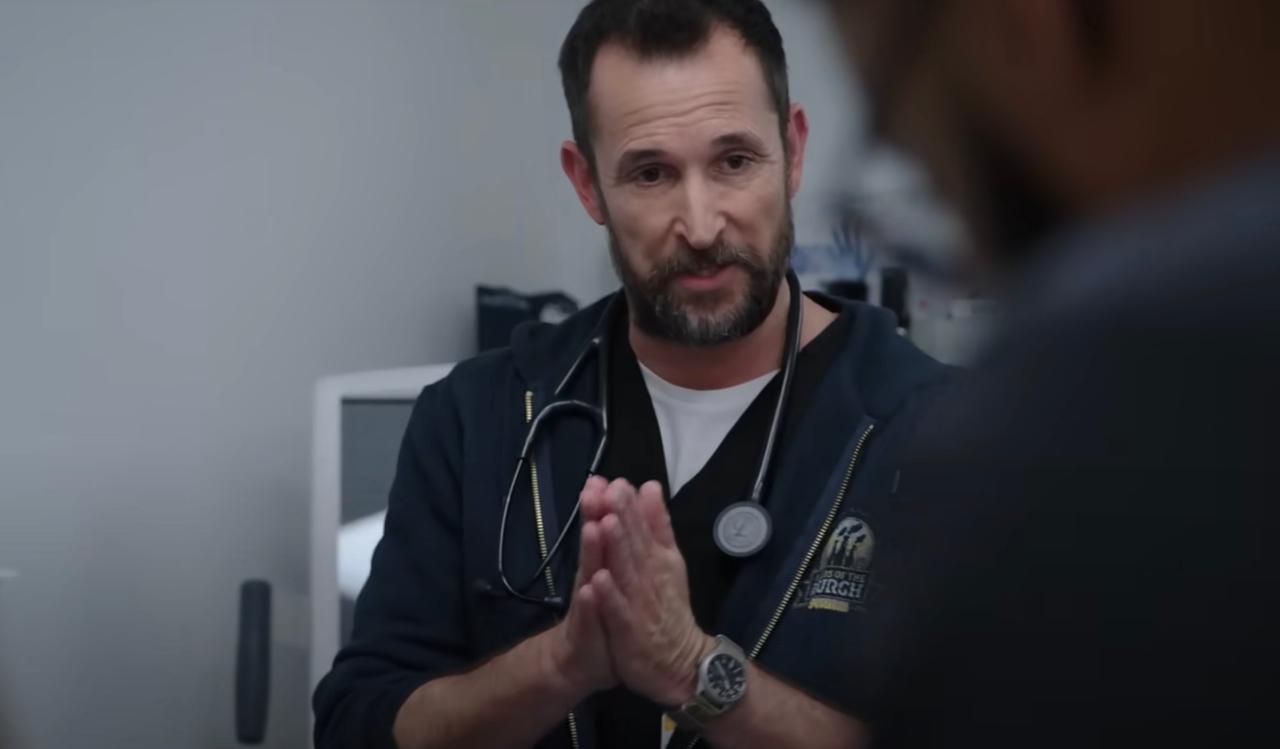
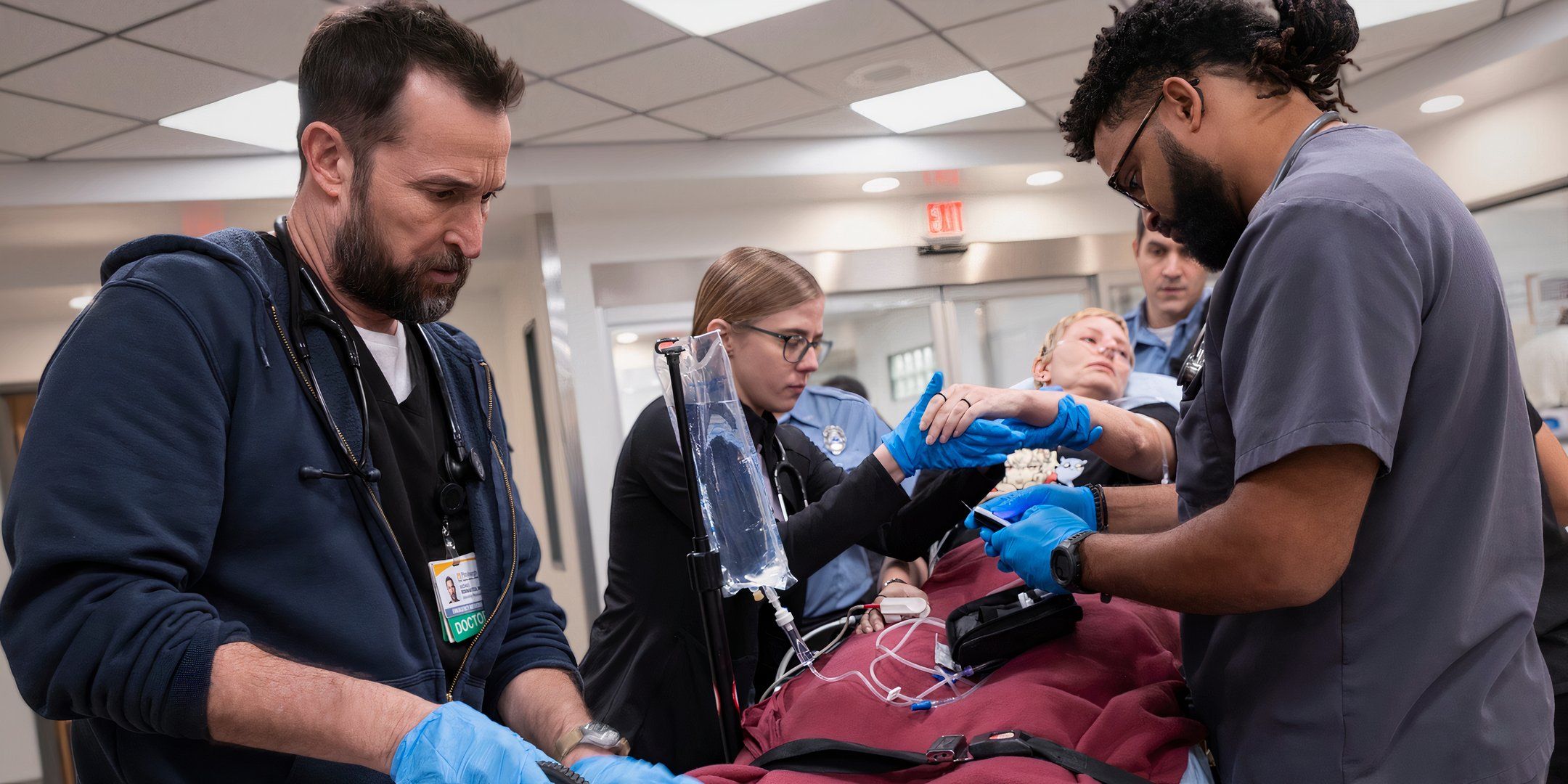
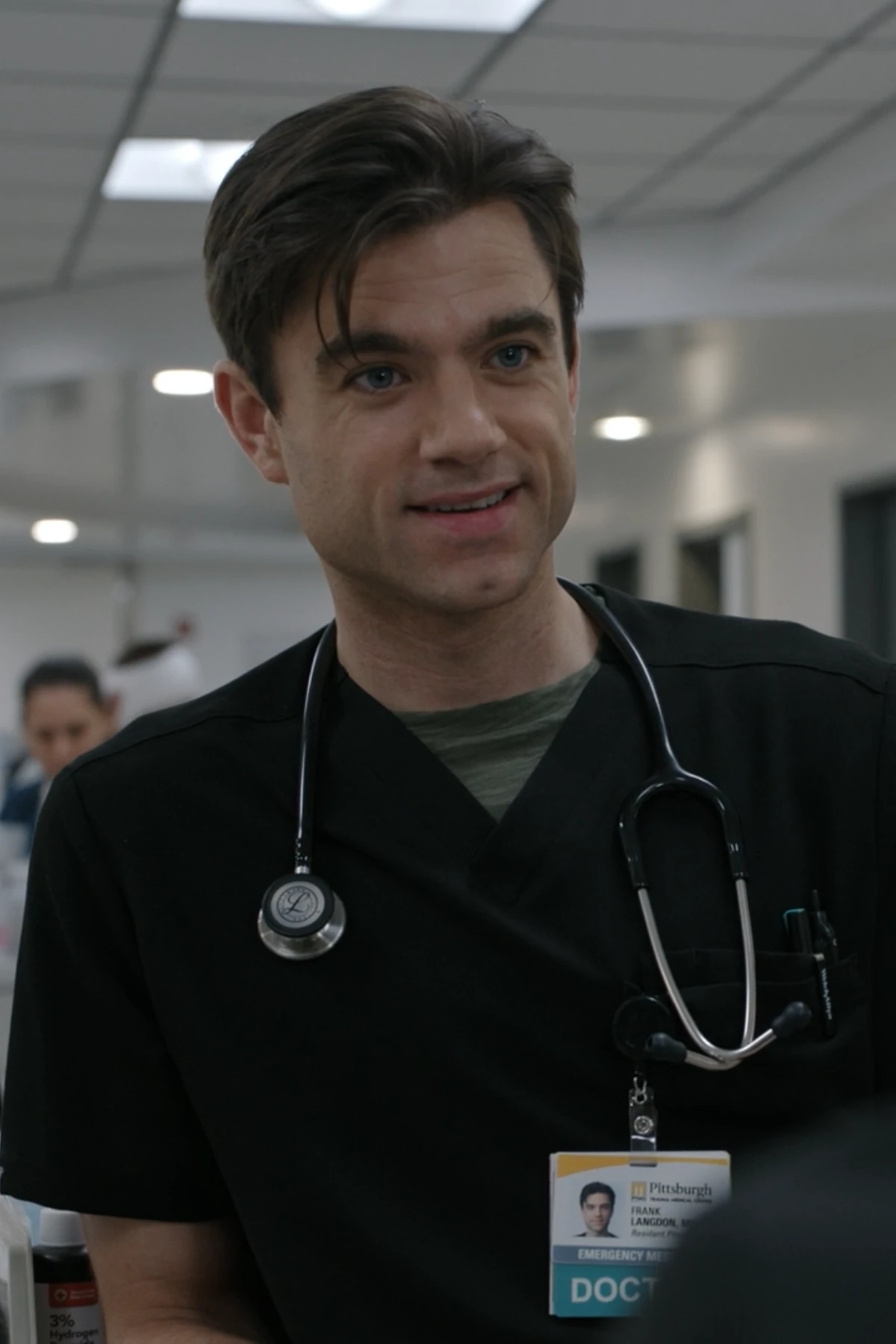
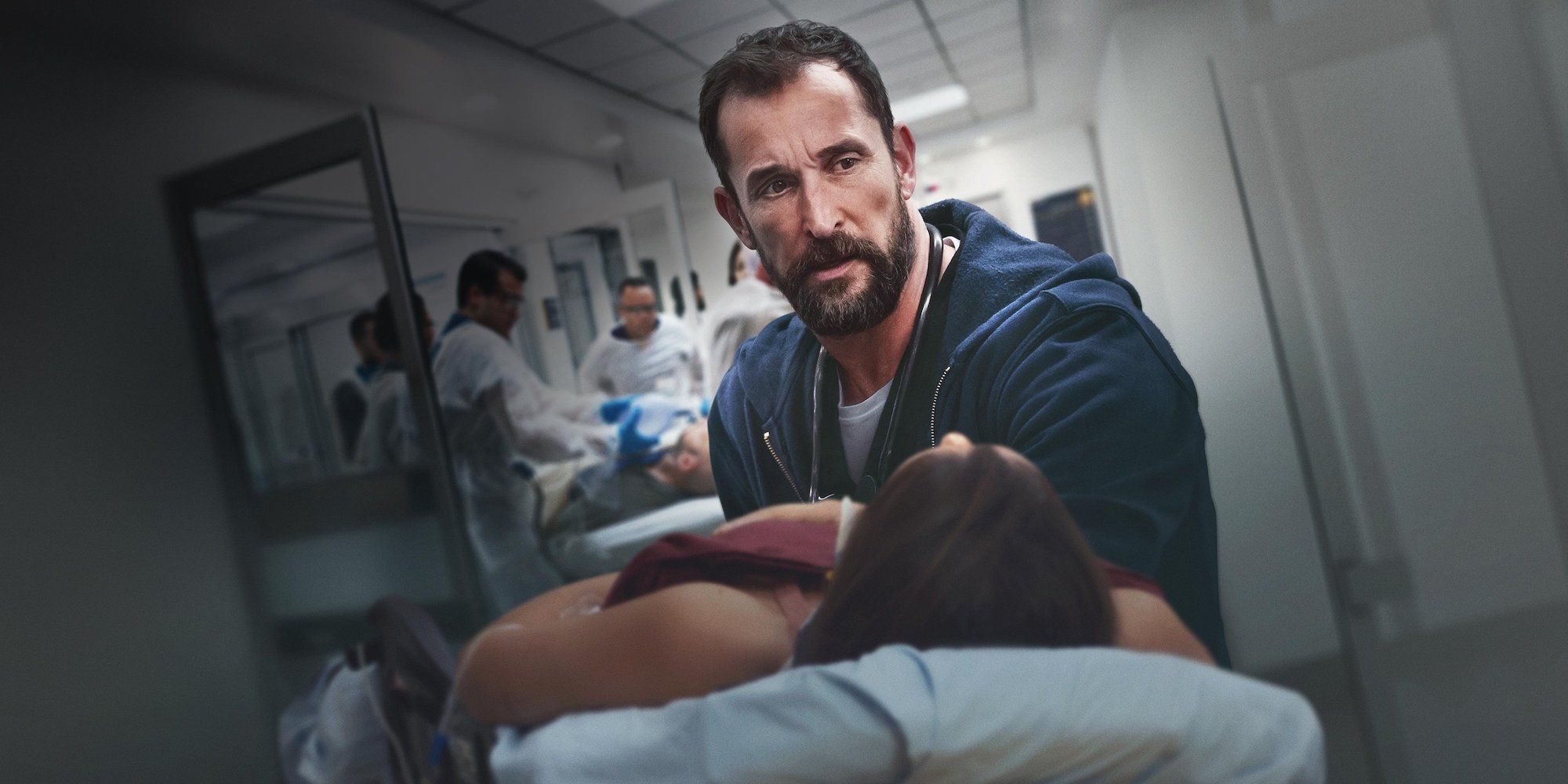
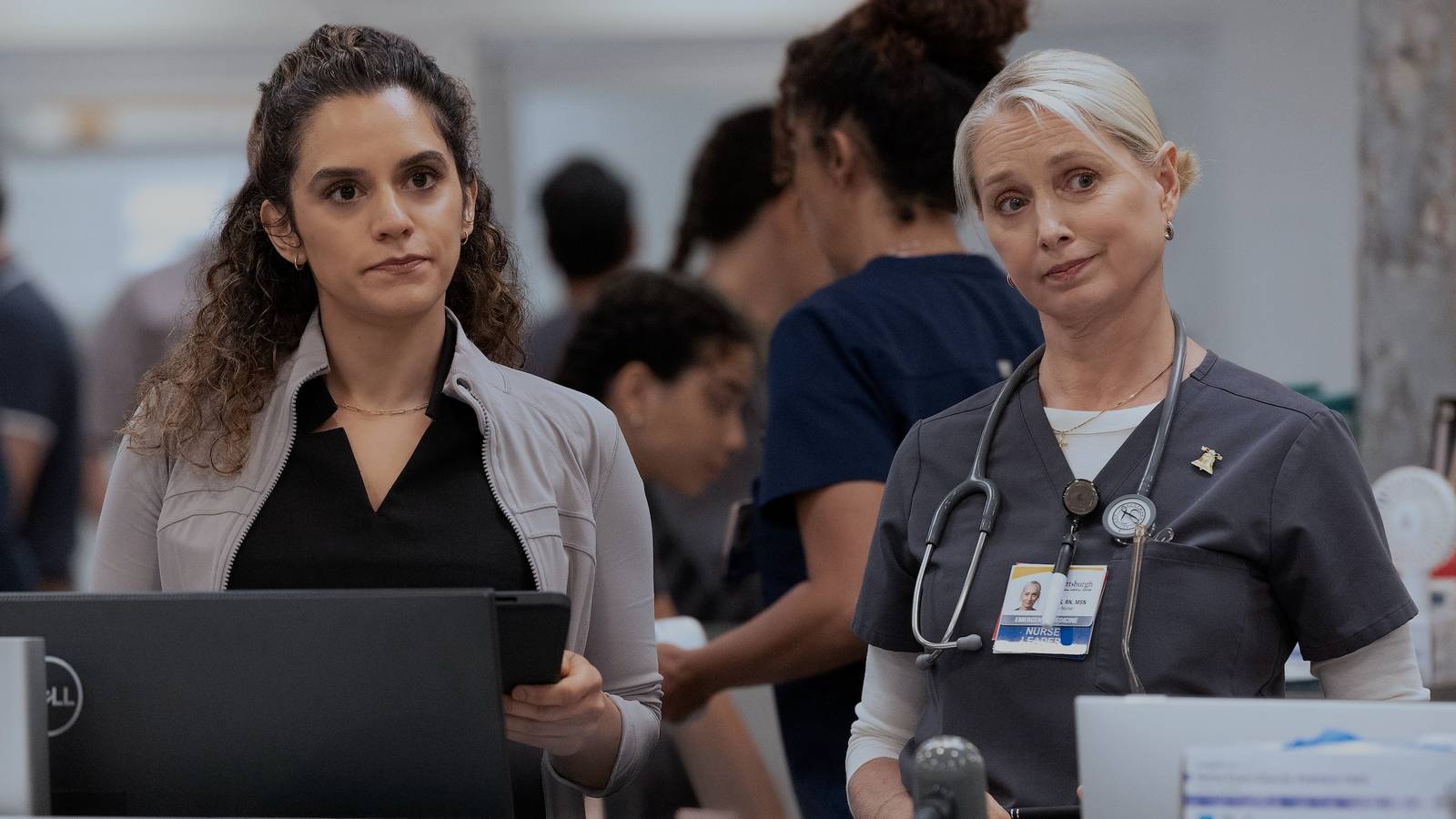
"The Pitt" is a fictional medical drama television series produced for Max, created by R. Scott Gemmill and starring Noah Wyle. While the show is set in a realistic, high-pressure modern Pittsburgh trauma hospital and draws heavily on authentic medical terminology, procedures, and ethical dilemmas, the doctors depicted on screen are fictional characters played by professional actors, not practicing physicians. However, the creative team achieves its renowned level of clinical authenticity by employing real-life medical doctors, nurses, and healthcare consultants behind the scenes as writers, technical advisors, and producers.
Understanding the Production and Creative Background of "The Pitt"
To fully understand the clinical accuracy of "The Pitt," it is essential to look at the lineage of its core creative team. The series reunites several key creative forces behind ER, the groundbreaking NBC medical drama that ran from 1994 to 2009. Creators and executive producers R. Scott Gemmill, John Wells, and star Noah Wyle all worked extensively on ER. During its 15-season run, ER established a gold standard for television medical realism, largely due to its commitment to hiring practicing physicians as technical advisors and medical script consultants.
When developing "The Pitt," the production team sought to modernize this approach for the streaming era. Rather than relying solely on generalized dramatic tropes, the showrunners designed a hyper-realistic, fast-paced environment that mirrors the daily chaos, administrative burdens, and clinical exhaustion of a contemporary urban trauma center. While the actors walking the hospital corridors are members of SAG-AFTRA performing a scripted narrative, the medical infrastructure they navigate is scrutinized by active medical professionals to ensure that the diagnoses, surgical techniques, and bedside manners reflect modern emergency medicine.
The Role of Real Medical Professionals Behind the Scenes
While viewers will not find real doctors practicing medicine on screen as cast members, medical professionals are deeply embedded in the production pipeline of "The Pitt." Their involvement spans several critical phases of television production, ensuring that the physical and psychological realities of emergency healthcare are faithfully translated to the screen.
Medical Writers and Story Consultants
The writing room of a high-stakes medical drama requires more than dramatic flair; it requires a deep understanding of pathophysiology, pharmacology, and emergency protocols. "The Pitt" employs medical doctors and experienced nurse practitioners as staff writers and consultants. These professionals vet every script for clinical plausibility. If a character orders a specific dosage of a medication or performs an invasive procedure, a medical consultant reviews the sequence to ensure it aligns with current Advanced Cardiac Life Support (ACLS) guidelines and emergency medicine standards.
On-Set Technical Advisors
During filming, real-life nurses, paramedics, and physicians are frequently on set to guide the actors. Medical equipment—ranging from mechanical ventilators and ultrasound machines to complex surgical trays—must be handled with absolute precision. Technical advisors instruct actors on the correct physical mechanics of performing CPR, intubating a patient, or managing a massive transfusion protocol. This hands-on supervision prevents common television blunders, such as holding a stethoscope backward or shocking an asystole rhythm with a defibrillator.
Distinguishing Between Scripted Drama and Clinical Reality
Even with top-tier medical consultants, "The Pitt" remains a work of fiction designed to entertain and engage an audience. Understanding the boundary between television storytelling and real-world medicine helps clarify what is authentic and what is heightened for dramatic effect.
| Production Element | In "The Pitt" (Fictional Drama) | In a Real Pittsburgh Trauma Center |
|---|---|---|
| Primary Cast | Professional actors portraying resident physicians, attending physicians, and nurses. | Licensed medical doctors, registered nurses, and certified allied health professionals. |
| Case Progression | Complex, multi-system medical mysteries often resolve within a single 60-minute episode. | Diagnostic investigations require extensive lab panels, imaging reviews, and multidisciplinary consensus over hours or days. |
| Personal Dynamics | Heightened interpersonal conflict, dramatic romances, and high-stakes ethical showdowns among staff. | Professional collaboration governed by strict hospital compliance, institutional policies, and patient privacy laws (such as HIPAA). |
| Pacing and Workflow | Continuous high-adrenaline crises tailored to maintain viewer engagement and narrative momentum. | Periods of intense acute resuscitation interspersed with extensive documentation, electronic health record management, and administrative duties. |
Why Authenticity Matters in Modern Medical Dramas
Viewers often ask whether television shows feature real doctors because modern audiences have grown increasingly sophisticated regarding medical science. Shows that rely on lazy tropes or glaring inaccuracies quickly face criticism from healthcare professionals and knowledgeable viewers on social media.
By grounding "The Pitt" in realistic protocols, the creators aim to honor the lived experiences of frontline healthcare workers. Emergency departments across the United States face severe staffing shortages, burnout, and systemic strain. A fictional drama that accurately portrays these pressures resonates more deeply with viewers, bridging the gap between entertainment and public awareness of the challenges facing modern healthcare systems.
Common Misconceptions About Medical Television
- "Are the medical emergencies improvised?" No. Every medical emergency, trauma intervention, and surgical procedure is meticulously scripted, storyboarded, and rehearsed.
- "Do actors receive medical training?" While actors undergo boot camps and shadowing sessions with medical professionals to learn physical mannerisms and proper equipment handling, they do not acquire medical licenses or clinical competency.
- "Are the medical cases based on real patient files?" Script storylines are often inspired by medical literature, public health challenges, and the collective real-world experiences of the show's medical consulting staff, while maintaining strict patient confidentiality.
Summary of Viewing Considerations
"The Pitt" offers an immersive, realistic portrayal of emergency medicine, but it is fundamentally a dramatic television series. The doctors and nurses are portrayed by actors following a script. However, the show's commitment to clinical accuracy is reinforced by real physicians and healthcare workers who consult on the writing, staging, and technical execution of every episode. Viewers looking for an educational documentary will need to look elsewhere, but those seeking a medically grounded drama will find a high degree of procedural fidelity.