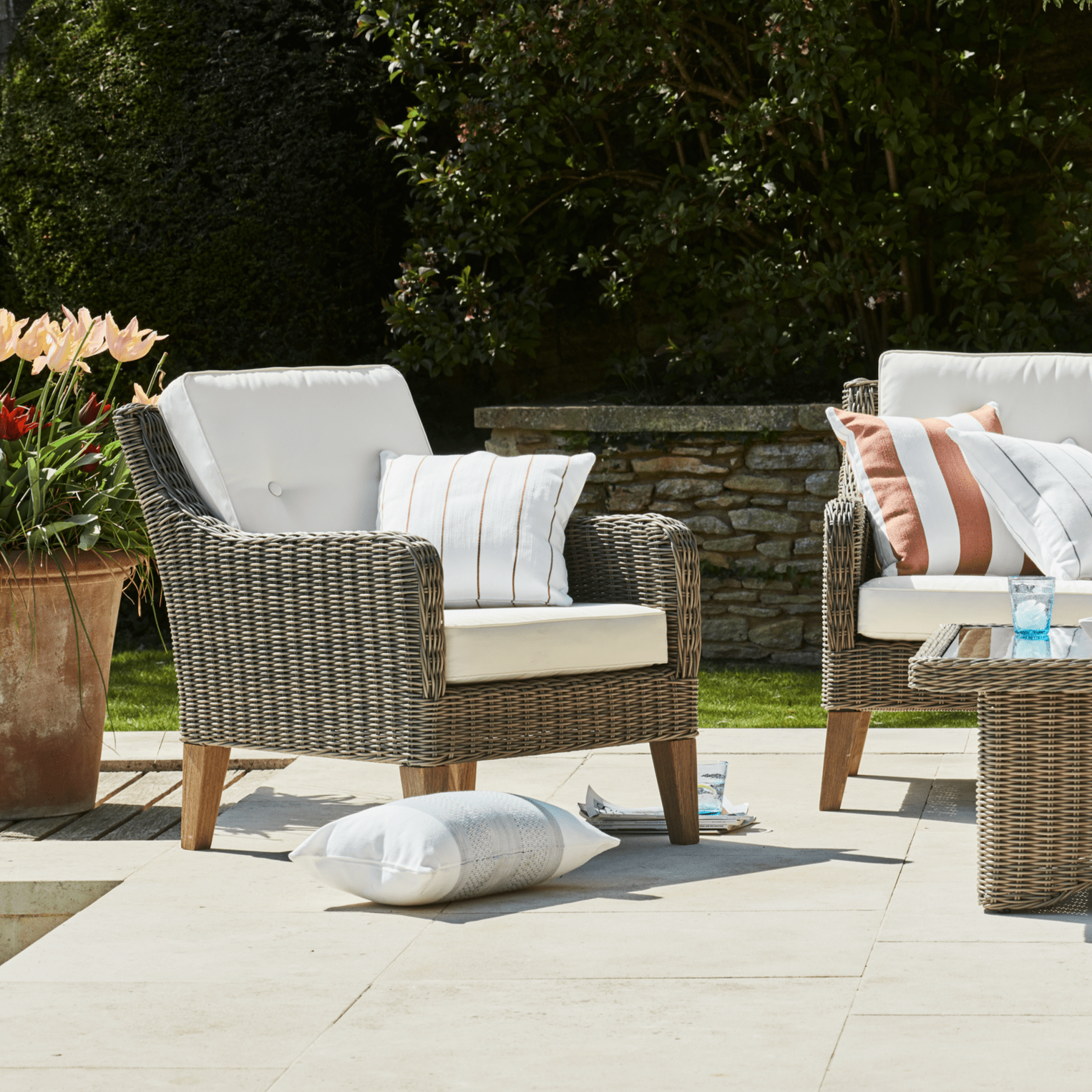
A lounger is a relaxed seating piece specifically engineered to support the body in a reclined or semi-reclined position, prioritizing comfort and ergonomic relaxation over upright, task-oriented posture. By extending the seat surface or incorporating an adjustable backrest, it facilitates weight distribution across a larger area, reducing pressure points during extended periods of rest.
The Defining Characteristics of Loungers
To identify a lounger correctly, one must distinguish it from standard chairs, sofas, or accent furniture. The fundamental design premise of a lounger is the promotion of "passive seating." Unlike an office chair or a formal dining chair—which are designed to keep the user alert, upright, and aligned for activity—the lounger encourages the user to shift their center of gravity backward.
This is achieved through several physical attributes. First, the backrest angle is typically obtuse rather than 90 degrees. This inclination mimics the natural curvature of the spine when relaxed. Second, the seat depth is usually greater than that of a standard chair. This added depth allows the user to sit further back, engaging the support of the backrest while leaving space for the legs to extend or rest comfortably. Finally, many loungers are designed to be paired with an ottoman or include an integrated footrest, acknowledging that true relaxation requires elevation of the lower limbs to improve circulation and reduce muscular tension.
Ergonomics and the Anatomy of Relaxation
The popularity of the lounger in 2026 continues to be driven by a deepening understanding of domestic ergonomics. When the body remains in a seated position for an extended time, the weight of the torso exerts pressure on the lumbar spine. A lounger mitigates this by transferring some of that load to the backrest.
The most effective loungers utilize "cradle" mechanics. A high-quality lounge chair will often feature a slight "waterfall" edge at the front of the seat, which prevents the frame from cutting into the back of the thighs—a common source of discomfort that restricts blood flow. Furthermore, lumbar support is not merely about having a cushion; it is about the structural profile of the chair. A well-designed lounger matches the lumbar lordosis (the inward curve of the lower back) to ensure that the spine is not unsupported or forced into a slumped position, which can ironically lead to fatigue.
Categorizing Loungers by Utility and Form
Not all loungers serve the same purpose. Depending on the environment—whether it is a residential living room, a high-end commercial lobby, or an outdoor pool deck—the requirements for materials and aesthetics change significantly.
Indoor Lounge Chairs
These are typically upholstered in textiles, leather, or performance fabrics. They focus on aesthetic integration with home decor. The classic mid-century modern lounge chair is a prime example of this category, often featuring wood frames and fixed or semi-fixed cushions. The priority here is tactile comfort and style.
Outdoor and Poolside Loungers
Functioning under different constraints, outdoor loungers must resist ultraviolet radiation, moisture, and temperature fluctuations. In 2026, manufacturers are increasingly using high-density polyethylene (HDPE) resins, powder-coated aluminum, and solution-dyed acrylic fabrics to ensure longevity. These pieces are often stackable or foldable for convenient storage during off-seasons.
Reclining Loungers
The recliner is a sub-category of the lounger that introduces mechanical variability. By using a lever or motorized system, the user can adjust the angle of the backrest and the extension of the footrest. This provides a "customized" relaxation experience, though it requires more space, as the chair must have enough clearance behind and in front to transition through its full range of motion.
Material Considerations and Maintenance
When selecting a lounger, the internal structure and external covering are the primary determinants of both price and lifespan.
- Frames: Hardwood frames, such as kiln-dried oak or maple, offer the best structural integrity for indoor pieces. For outdoor loungers, marine-grade stainless steel or extruded aluminum are preferred because they do not suffer from the same degradation as wood in wet environments.
- Filling Materials: High-resiliency (HR) polyurethane foam is the industry standard for 2026. It provides a supportive base that returns to its original shape after weight is removed. More premium options include down-feather wraps, which provide a "soft" initial sit, though they require regular "fluffing" to maintain their aesthetic shape.
- Maintenance: Maintenance is contingent on the material. Leather requires periodic conditioning to prevent cracking, especially in homes with low humidity. Upholstered loungers should be vacuumed weekly to prevent dust from settling into the weave, where it can act as an abrasive, damaging the fibers over time.
Comparative Analysis of Seating Types
The following table differentiates the lounger from other common seating furniture to clarify why the "relaxed" label is unique to this specific piece of furniture.
| Furniture Type | Primary Posture | Intended Use | Key Feature |
|---|---|---|---|
| Lounger | Reclined / Relaxed | Leisure and Rest | Deep seat, back inclination |
| Task Chair | Upright / Focused | Working and Writing | Adjustable height, lumbar support |
| Dining Chair | Upright / Neutral | Dining and Socializing | Narrow profile, firm cushioning |
| Sofa | Varied / Social | Shared Seating | Wide bench, multiple users |
| Ottoman | N/A (Auxiliary) | Leg support / Surface | Upholstered top, no back |
Common Mistakes When Choosing a Lounger
A frequent error consumers make in 2026 is prioritizing visual style over the "sit test." A chair may look sophisticated in a catalog but fail to provide the necessary support for the user's specific stature.
- Ignoring Seat Depth: If a user is shorter in stature, a deep-seated lounger can force them to sit perched on the edge, which negates the benefit of the backrest. Conversely, tall users in a shallow lounger will find their knees too high, causing instability.
- Neglecting Clearance: Many buyers fail to measure the footprint of the lounger in its fully reclined state. A piece that fits perfectly in a small living room when upright may obstruct walkways when opened.
- Prioritizing Softness Over Support: There is a common misconception that "softer is better." However, a seat that is too soft leads to "bottoming out," where the user feels the structural frame beneath the cushions, leading to pressure points and discomfort within minutes.
Creating the Ideal Relaxation Zone
The environment surrounding the lounger is as important as the piece itself. To create a truly relaxed seating arrangement, consider the "three-point environment":
- Proximity to Lighting: Because loungers are intended for reading or rest, a dedicated light source—such as a floor lamp with a diffused shade—is essential. Avoid harsh, direct overhead lighting, which can cause glare and interfere with the relaxation experience.
- Side Table Accessibility: A lounger is effectively a stationary piece. If a user has to leave the chair to reach a beverage, a book, or a phone, the rhythm of relaxation is broken. A side table of an appropriate height (usually aligned with the armrest of the chair) is a necessary prerequisite for a functional lounge area.
- Acoustic Management: Since the lounger is a place for internal focus, placing it away from high-traffic household areas like the kitchen or home office entryways can significantly enhance the perceived comfort.
Frequently Asked Questions
What is the difference between a lounge chair and an accent chair? An accent chair is primarily chosen for its aesthetic contribution to a room’s decor and is often less comfortable for long durations. A lounger is specifically designed for long-term comfort, featuring more supportive ergonomics and a physical structure that encourages a reclined posture.
Can a lounger be used for working? Generally, no. Because a lounger encourages a reclined, "open" posture, it is not optimized for typing, writing, or viewing a monitor, which requires a more stable, upright alignment. Using a lounger for tasks can lead to neck strain and repetitive stress injuries.
How often should I clean the cushions of a fabric lounger? For residential use in 2026, a light vacuuming with a soft brush attachment every two weeks is recommended to remove particulate matter. If the fabric is removable, check the manufacturer's care tag; many performance fabrics are machine washable, while others require professional dry cleaning to prevent shrinkage.
Why do some loungers cost significantly more than others? Price differences usually reflect the quality of the internal frame (e.g., solid wood vs. particle board) and the engineering of the suspension system. Hand-tied steel coils or high-tensile elastic webbing are significantly more expensive to manufacture than simple foam-on-board constructions, but they provide superior durability and weight distribution over time.
Is it necessary to have an ottoman with every lounger? While not strictly required, an ottoman is highly recommended if the chair does not feature an integrated footrest. Elevating the legs is a crucial component of the "relaxed" seating posture, as it reduces the weight load on the lower back and promotes better blood flow back toward the heart.
Final Recommendation
When investing in a lounger, start by determining your primary usage goal: is this for a dedicated reading corner, or a secondary seat for guests? Once the intent is clear, prioritize the physical "sit test" above the visual aesthetic. A lounger is a long-term investment in your personal comfort; ensure the seat depth, back height, and padding density are calibrated to your body type. For optimal results, treat your chosen lounger as the anchor of a "rest zone"—complement it with a side table, adequate task lighting, and a small rug to define the space, turning a simple piece of furniture into a functional retreat.