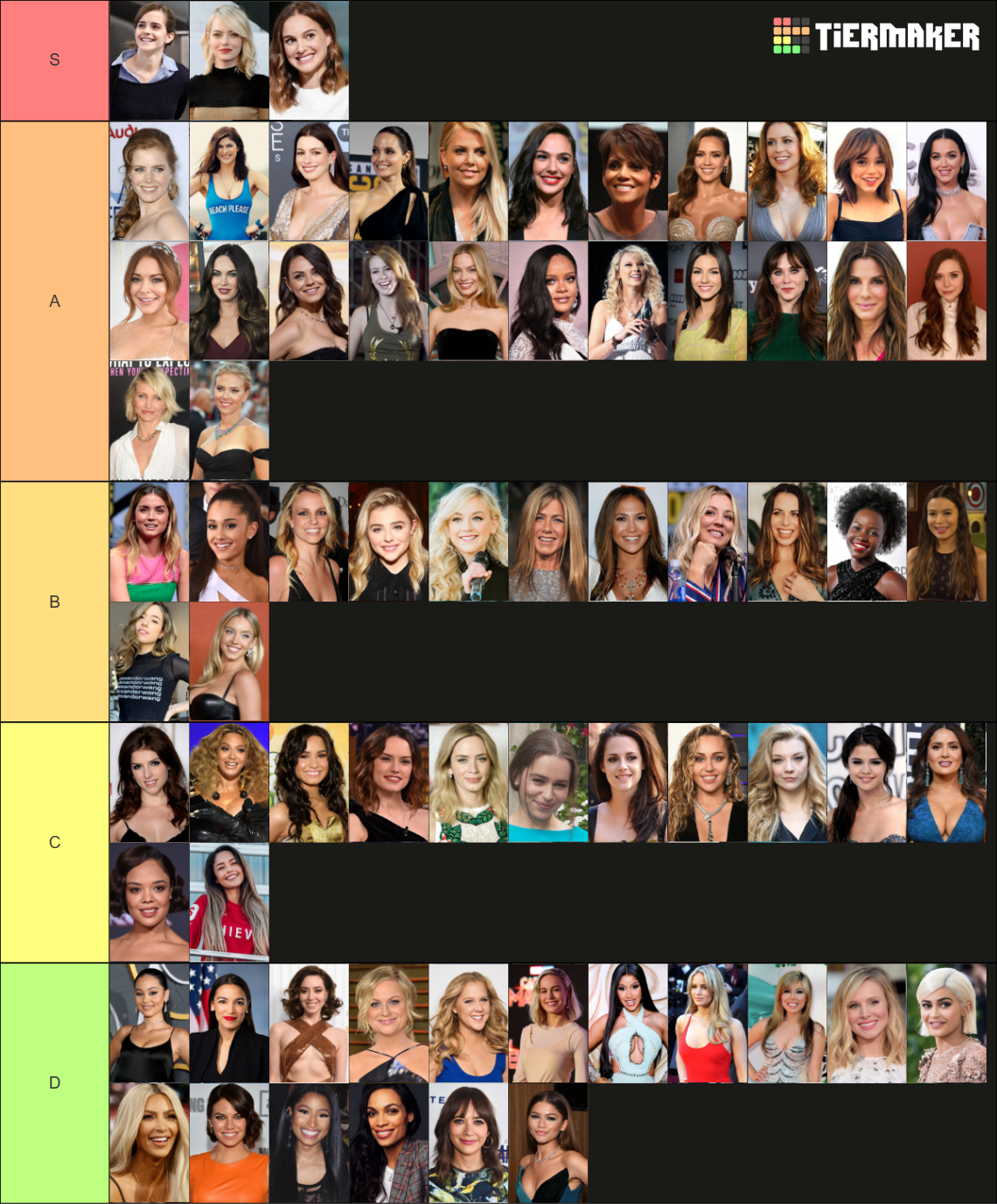
A list of random celebrities serves as a foundational dataset for developers, researchers, and writers who require a diverse array of public figures for software testing, creative writing, or academic analysis. These lists are typically generated using structured databases or public APIs to ensure entity variety, including varying levels of fame, global representation, and professional backgrounds.
The Role of Celebrity Datasets in Information Science
In the context of software engineering and data science, a list of random celebrities is often utilized to populate databases, test user interface components, or refine search algorithms. When a developer builds a social networking platform, a ticketing system, or a fan-engagement application, they require realistic placeholders to observe how different name lengths, profile image aspect ratios, and biographical data points affect system performance.
Using "random" data rather than static, repeated entries allows for a more accurate stress test. By pulling from a verified list, engineers can observe how a system handles special characters in names, varying date formats for birth years, and the categorization of complex career histories. This practice is essential for building robust, scalable software that can handle the unpredictability of real-world user inputs.
Methodology for Generating and Selecting Random Celebrity Lists
Generating a list of random celebrities requires a structured approach to maintain data integrity. Professional systems do not simply pull names; they filter entries based on verified public records. The process often involves leveraging APIs that provide structured JSON or CSV data derived from established knowledge graphs.
- Selection Criteria: Defining the scope of the list is the first step. Is the list intended to be global, or focused on specific domains like sports, cinema, or literature?
- Data Sourcing: Relying on authoritative, machine-readable sources ensures that the data is accurate. Systems often reference digital encyclopedias or public records that document professional status.
- Entity Normalization: Once entities are selected, they must be formatted into a standardized schema—typically including the full name, primary occupation, known years of activity, and a brief description of their public contributions.
- Randomization Protocols: Implementing a pseudo-random number generator (PRNG) ensures that each instance of the list is unique, preventing the development of algorithmic bias during testing.
Key Attributes of Celebrity Entities
When analyzing a collection of celebrity data, it is important to categorize them by specific attributes. This taxonomy helps researchers and developers understand the distribution of their data.
| Attribute | Definition | Significance for Data Sets |
|---|---|---|
| Primary Domain | The field where they achieved fame (e.g., Music, Science, Politics). | Allows for segmenting lists by industry. |
| Career Status | Whether the individual is currently active or a historical figure. | Useful for time-series analysis or aging-profile tests. |
| Geographic Origin | The region or country associated with the individual. | Essential for testing internationalization (i18n). |
| Public Recognition | The scale of the individual's global reach. | Helps in testing popularity-sorting algorithms. |
Practical Applications in Creative and Academic Research
Beyond technical testing, a list of random celebrities serves as a powerful tool in creative fields. Writers often use such lists as "character sparks"—a method of blending traits from disparate real-world figures to create unique, multifaceted fictional characters. By randomly selecting three names from a diverse list, a storyteller might be prompted to combine the stage presence of an iconic performer with the scientific background of a Nobel laureate and the diplomatic background of a public servant.
In academic settings, these lists assist in linguistics and cultural studies. Researchers might analyze how celebrity names are transcribed across different languages, or how the career trajectories of public figures correlate with shifting global socioeconomic trends. By working with randomized lists, scholars can avoid confirmation bias, ensuring their study samples are as objective and broad as possible.
Prerequisites for Building a Reliable Celebrity Database
If you are tasked with building a custom list, you must prioritize the accuracy of the underlying metadata. A list is only as useful as the verification behind it.
- Verifiable Identity: Ensure that each entity has a public profile that can be verified through secondary, credible sources. Avoid entries based on ephemeral internet trends or unconfirmed rumors.
- Structured Formatting: Always store your list in a standard format (JSON, YAML, or SQL). This ensures that your list remains interoperable with other software applications.
- Legal and Ethical Considerations: When using lists of public figures, respect the distinction between public interest and private life. Most datasets focus on public work, career milestones, and documented achievements. Avoid including personal contact information, home addresses, or private financial data, which are neither necessary for testing nor ethically appropriate for inclusion in general lists.
Troubleshooting Common Data Discrepancies
When working with lists of celebrities, developers and researchers often encounter recurring issues. Addressing these early prevents inaccuracies in your final project.
1. Name Ambiguity: Many individuals share names with others. To mitigate this, always include a unique identifier (such as a database ID or birth year) to ensure you are referencing the correct person. 2. Data Staleness: Information regarding career statuses can change. If your list is being used for a live application, ensure your data pipeline includes a process for refreshing attributes on a set schedule. 3. Encoding Errors: Names often contain non-Latin characters (diacritics, accents). Always use UTF-8 encoding to prevent data corruption during processing or display. 4. Incomplete Profiles: Some entities may have limited biographical information. Your application should be able to handle "null" or "empty" fields gracefully without breaking the user experience.
Frequently Asked Questions
How do I ensure the celebrities in my list are diverse? To ensure diversity, you should tag each entry with categories such as "region," "gender," and "occupation." Use a sampling algorithm that enforces a minimum percentage of entities from each category. This prevents the list from becoming skewed toward one region or industry.
Can I use these lists for commercial projects? Generally, names and public facts about celebrities are considered public domain knowledge. However, using these names for commercial marketing or implies an endorsement is legally sensitive. Always review local right-to-publicity laws. For software testing, using these names is standard industry practice, but avoid using their likeness in promotional materials.
What is the best way to keep a list updated in 2026? The most efficient method is to interface with existing public APIs. By programmatically pulling data, you ensure that you are working with the most current information available, rather than maintaining a static file that becomes obsolete quickly.
Are these lists suitable for training artificial intelligence? Yes, if the list is curated and cleaned, it can serve as part of a training set for machine learning models, specifically for tasks like Named Entity Recognition (NER). Ensure that the data is stripped of noise and formatted consistently to provide the highest quality signal for the model.
What if I need a list with specific traits (e.g., historical figures only)? You can refine your list by applying metadata filters. Most databases allow you to query for "date of birth" or "date of death." Filtering by date is the most precise way to isolate historical figures from contemporary ones.
Final Guidance for Implementation
To maximize the utility of a list of random celebrities, start by defining the specific problem you are attempting to solve. If your goal is software performance testing, focus on the variety of the data rather than the prominence of the names. If your goal is creative inspiration, focus on the depth of the biographical metadata. Regardless of the intent, always verify your data against reliable sources to ensure your outcomes are grounded in fact.
For developers starting a new project in 2026, the best approach is to create a modular script that pulls from an established, reputable API. This reduces the burden of manual maintenance and provides you with an infinitely expandable list that can be filtered on the fly to suit any specific requirement.