At-home facial hair removal can be achieved through various methods ranging from traditional shaving and waxing to advanced IPL (Intense Pulsed Light) technology. The most effective method depends on your skin sensitivity, hair color, and desired duration of results. While mechanical methods like dermaplaning provide immediate exfoliation, long-term reduction requires light-based devices or consistent epilation.
Understanding the Landscape of Facial Hair Removal
Facial hair removal is a common component of personal grooming, driven by aesthetic preferences, cultural norms, or the management of hormonal conditions such as Polycystic Ovary Syndrome (PCOS). In 2026, the technology available for home use has bridged the gap significantly between salon-grade treatments and DIY solutions. However, the skin on the face is thinner and more sensitive than the skin on the rest of the body, requiring a specialized approach to avoid irritation, scarring, or hyperpigmentation.
Before choosing a method, it is essential to understand the hair growth cycle. Hair grows in three stages: anagen (growth), catagen (transition), and telogen (resting). Methods that remove hair from the root, like waxing or IPL, are most effective during the anagen phase. Because not all hairs are in the same phase at once, consistency over several weeks or months is necessary for comprehensive results.
Mechanical Methods: Shaving and Dermaplaning
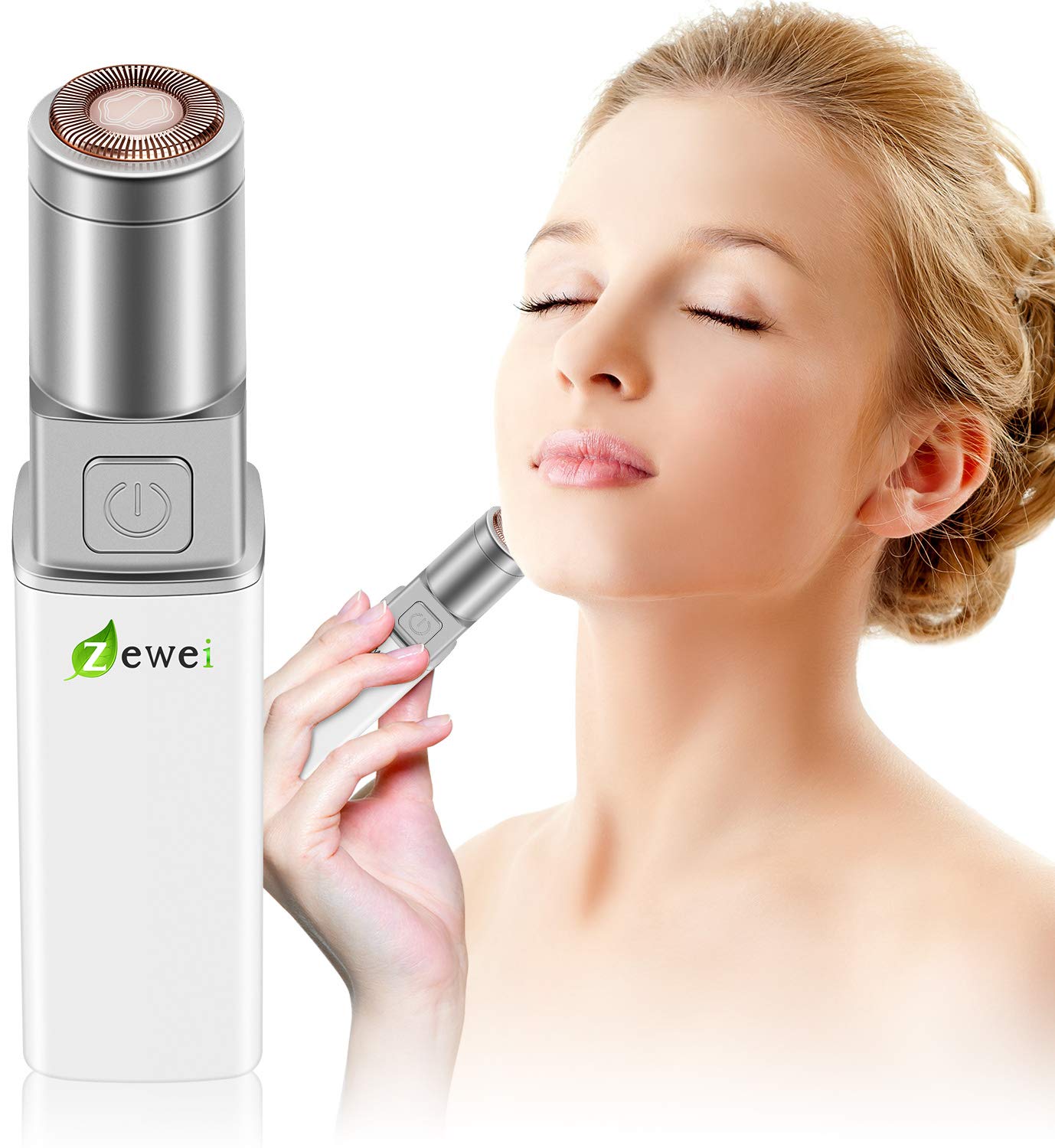
Shaving remains the most accessible form of at-home facial hair removal. In recent years, "dermaplaning"—a specific type of shaving using a single-edge blade—has surged in popularity. Unlike traditional shaving, which focuses solely on hair removal, dermaplaning aims to remove the top layer of dead skin cells (the stratum corneum) along with fine vellus hair, often called "peach fuzz."
The Technique of Dermaplaning
To perform dermaplaning safely at home, you must use a sterile, single-use tool designed for the face. Hold the skin taut with one hand and the blade at a 45-degree angle with the other. Use short, light strokes in the direction of hair growth. This method results in an exceptionally smooth surface that allows for better absorption of skincare products and a more even makeup application.
Debunking the "Thicker Growth" Myth
A persistent myth suggests that shaving causes hair to grow back thicker or darker. This is physiologically impossible. Shaving cuts the hair at the surface, leaving a blunt edge. As that blunt edge emerges from the follicle, it may feel coarser to the touch, but the actual structure and color of the hair remain unchanged. According to the Mayo Clinic, shaving does not affect the rate or thickness of hair growth.
Root Removal: Waxing, Threading, and Epilation
Methods that remove hair from the follicle provide longer-lasting results, typically ranging from two to six weeks. These techniques are ideal for thicker terminal hairs found on the upper lip, chin, or sideburns.
Waxing: Hard vs. Soft Wax
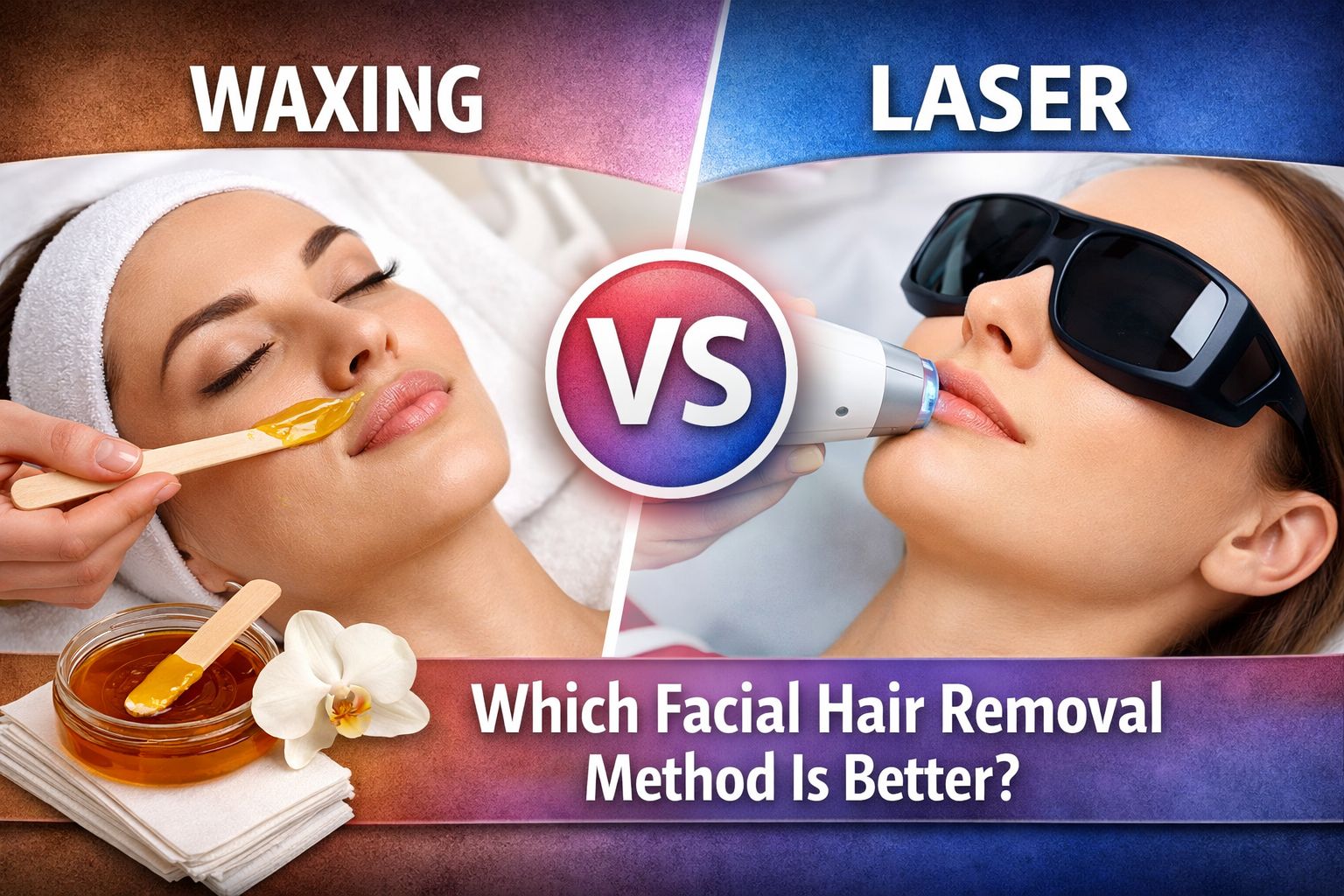
At-home waxing kits generally come in two forms: hard wax and soft wax (strips). For the face, hard wax is often preferred because it adheres only to the hair, not the skin, minimizing the risk of "lifting" the skin or causing abrasions. Soft wax requires a cloth strip and is better suited for larger, less sensitive areas.
- Pro Tip: Always apply wax in the direction of hair growth and pull it off rapidly in the opposite direction.
- Caution: Avoid waxing if you are using topical retinoids or Accutane, as these medications thin the skin and can lead to severe tearing.
Threading and Tweezing
Threading involves using a doubled-over cotton thread to pluck multiple hairs at once. While difficult to master at home without practice, it is highly precise and avoids the use of chemicals or heat. Tweezing, or plucking, is the gold standard for shaping eyebrows or removing stray chin hairs. It is precise but time-consuming for larger areas.
Epilators
Facial epilators are handheld devices with rotating tweezers that pull hair out mechanically. While effective, they can be painful and may cause temporary redness. Modern 2026 models often include massaging heads or cooling features to mitigate discomfort.
Chemical Depilatories
Depilatory creams use alkaline chemicals (such as calcium thioglycolate) to dissolve the protein structure of the hair just below the skin's surface. This allows the hair to be wiped away easily.
Safety Precautions: The skin on the face is highly reactive. Before using a depilatory, you must perform a patch test on a small area like the jawline. Wait 24 hours to ensure no allergic reaction or chemical burn occurs. Never leave the cream on longer than the manufacturer’s instructions. If you feel a stinging or burning sensation, remove the product immediately with cool water.
Light-Based Technology: At-Home IPL and Laser
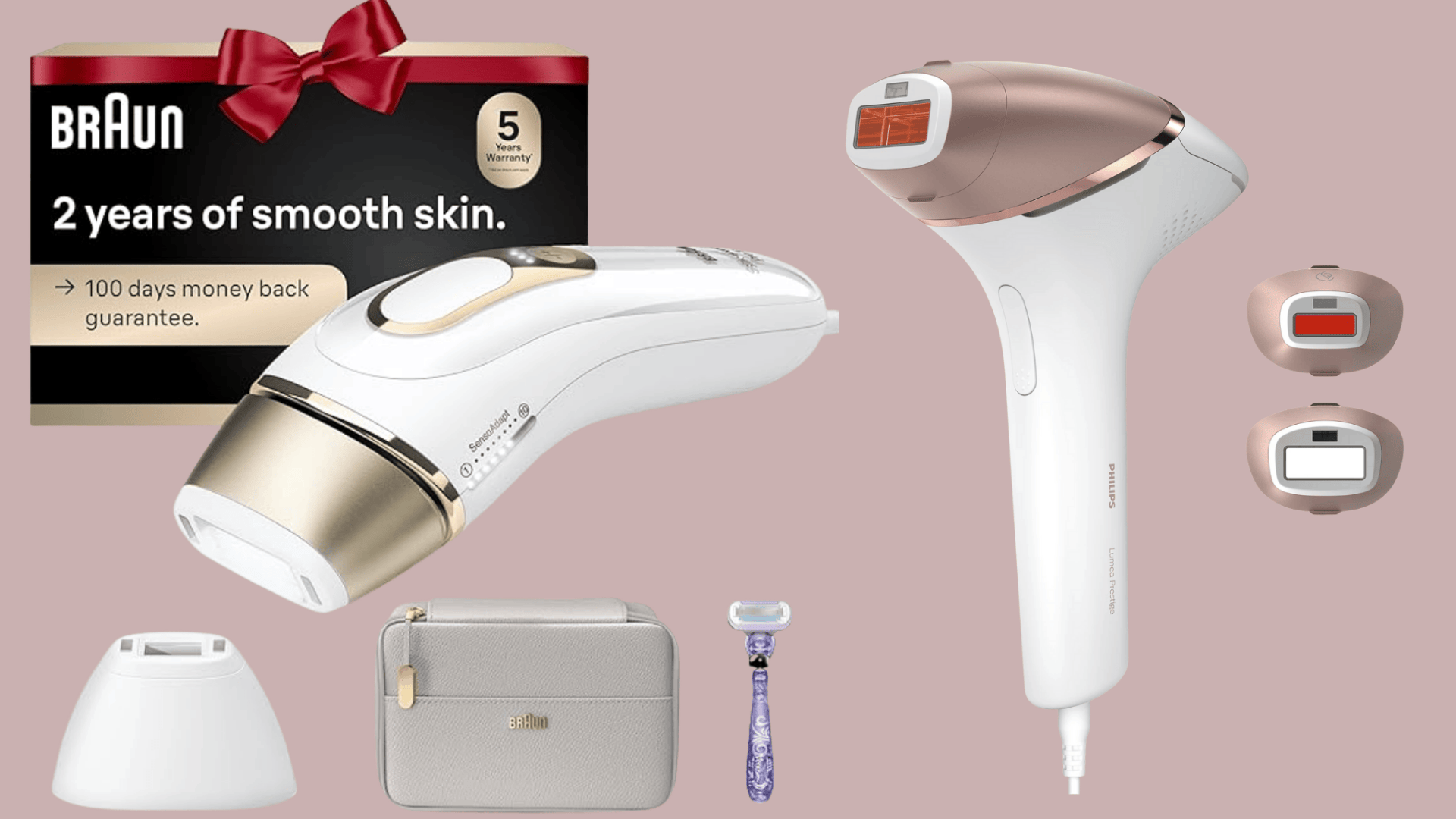
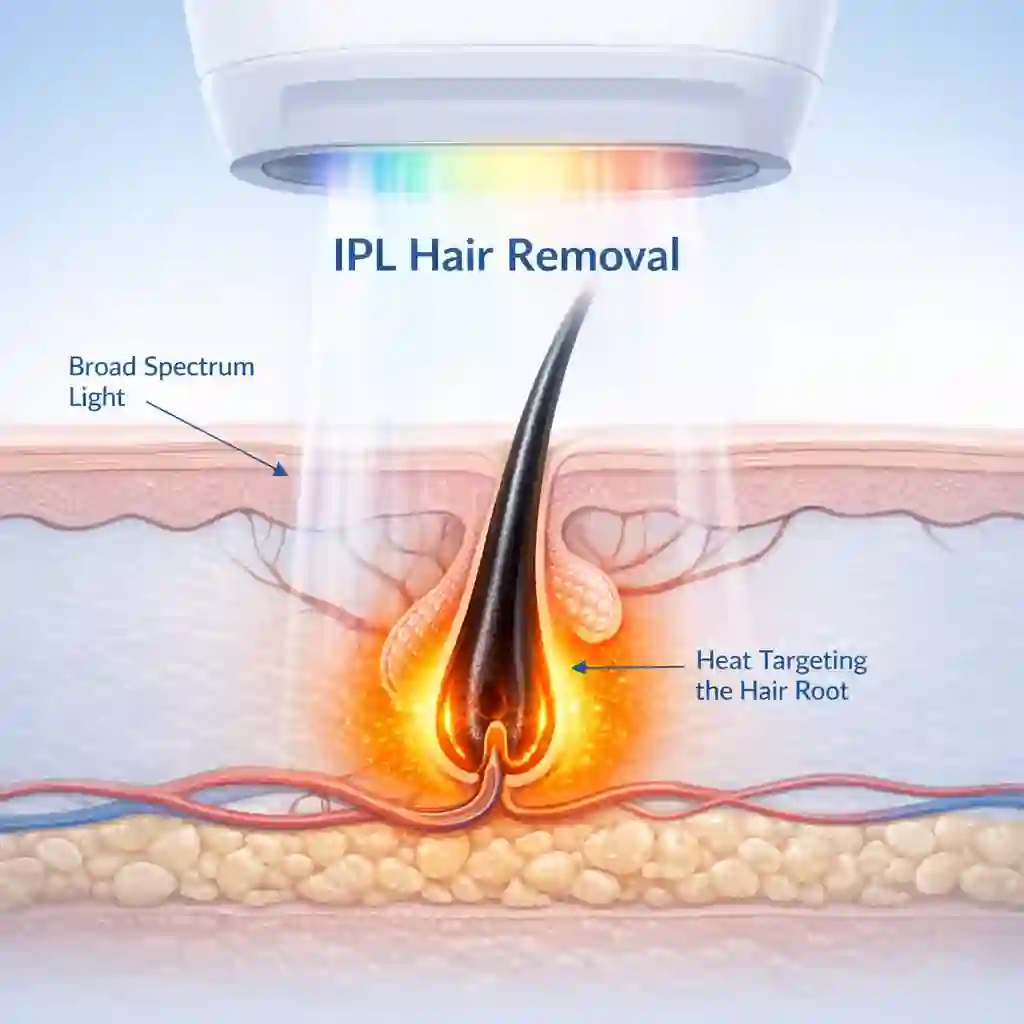
As of 2026, Intense Pulsed Light (IPL) devices have become the most sought-after solution for long-term hair reduction. While often marketed as "lasers," most home devices use IPL, which emits a broad spectrum of light to target the melanin in the hair follicle.
How IPL Works
The light energy is absorbed by the pigment (melanin) in the hair, where it is converted into heat. This heat damages the follicle, inhibiting future growth. Because the light targets pigment, these devices are most effective on individuals with light skin and dark hair.
The Fitzpatrick Scale and Safety
The safety of light-based devices depends on your skin tone, measured by the Fitzpatrick Scale. Most home devices are unsuitable for very dark skin tones (Fitzpatrick VI) because the skin contains so much melanin that it may absorb the light energy, leading to burns or scarring. However, 2026 technology has introduced more sophisticated sensors that automatically adjust the energy output based on skin tone detection.
Expected Results
IPL is not a "one and done" solution. A typical regimen involves weekly treatments for 8–12 weeks, followed by monthly maintenance. Users can expect a 70% to 90% reduction in hair density over time. According to the FDA, these devices are cleared for "permanent hair reduction" rather than total "permanent removal."
Comparison of At-Home Facial Hair Removal Methods
| Method | Longevity | Pain Level (1-10) | Best For | Primary Risk |
|---|---|---|---|---|
| Shaving | 1–3 Days | 1 | All hair types; quick fixes | Nicks and cuts |
| Dermaplaning | 2–3 Weeks | 1 | Vellus hair (peach fuzz); exfoliation | Skin barrier irritation |
| Waxing | 3–6 Weeks | 7 | Coarse hair; upper lip | Skin lifting; redness |
| Tweezing | 2–6 Weeks | 4 | Eyebrows; isolated hairs | Ingrown hairs |
| Depilatories | 4–7 Days | 2 | Fine to medium hair | Chemical burns |
| At-Home IPL | Semi-Permanent | 3–5 | Dark hair on light skin | Pigmentation changes |
Pre-Care and Post-Care Requirements
Success in hair removal is often determined by what you do before and after the treatment.
Pre-Treatment Preparation
- Cleanse: Remove all makeup, oils, and sunscreen.
- Exfoliate: For mechanical methods, a gentle chemical exfoliant (like Salicylic acid) used 24 hours prior can help prevent ingrown hairs.
- Avoid Irritants: Stop using Retinol or Vitamin C serums 48 hours before waxing or IPL to prevent extreme sensitivity.
Post-Treatment Recovery
- Soothe: Use aloe vera or a fragrance-free moisturizer to calm redness.
- Protect: The skin is highly photosensitive after hair removal. Apply a broad-spectrum SPF 30+ daily to prevent UV-induced hyperpigmentation.
- Wait: Do not apply heavy makeup or perfumes to the area for at least 12–24 hours.
Troubleshooting Common Issues
Ingrown Hairs (Folliculitis)
Ingrown hairs occur when a hair curls back or grows sideways into the skin. This is most common with waxing and shaving. To treat, use a warm compress and a gentle BHA (Beta Hydroxy Acid) solution to clear the follicle. Never "dig" for an ingrown hair with unsterilized tools.
Breakouts After Waxing
Some individuals experience small white bumps after waxing. This is often a histamine reaction or a sign of bacteria entering the open follicle. Using a tea tree oil-based toner or a cold compress immediately after waxing can minimize this response.
When to See a Professional
If you notice sudden, masculine-pattern hair growth (hirsutism) on the chin or jawline, it may indicate a hormonal imbalance. Consult a healthcare provider or endocrinologist. Additionally, if an at-home treatment results in a burn, blistering, or signs of infection (pus, spreading redness), seek dermatological care immediately. Information on clinical hair removal standards can be found through the American Academy of Dermatology (AAD).
Frequently Asked Questions
Does facial hair grow back thicker after shaving or dermaplaning?
No. This is a physiological myth. Shaving cuts the hair at the skin's surface, which creates a blunt tip that may feel prickly as it grows out, but it does not change the thickness, color, or growth rate of the hair.
Can I use at-home IPL if I have dark skin?
It depends on the device. Most traditional IPL devices are unsafe for Fitzpatrick skin types V and VI due to the risk of burns. However, some 2026 models use specific wavelengths or ELOS technology (RF + IPL) that are safer for deeper skin tones. Always check the manufacturer's skin tone chart.
How do I prevent ingrown hairs on my chin?
Prevention starts with regular exfoliation. Using a gentle chemical exfoliant containing salicylic acid or lactic acid twice a week keeps the hair follicles clear. Always shave in the direction of hair growth and ensure your skin is well-hydrated.
Is it safe to wax while using retinol?
No. Retinoids increase skin cell turnover, making the skin significantly more fragile. Waxing while using retinol can lead to "skin lifting," where the top layers of skin are pulled off with the wax, leading to raw patches and potential scarring. Discontinue retinol use at least 5 to 7 days before waxing.
What is the difference between at-home laser and professional laser?
At-home devices typically use lower energy levels (fluences) for safety reasons, meaning they require more frequent treatments over a longer period to see results. Professional lasers are more powerful and can target hair more precisely, often requiring fewer sessions.
Final Recommendation
For those seeking the most cost-effective and immediate results, dermaplaning is the recommended at-home method for overall facial smoothness. However, if your goal is long-term hair reduction and you have a high contrast between your skin and hair color, investing in a high-quality at-home IPL device is the most efficient path in 2026. Always prioritize skin barrier health by using sun protection and following a strict patch-testing protocol with any new chemical or light-based treatment.