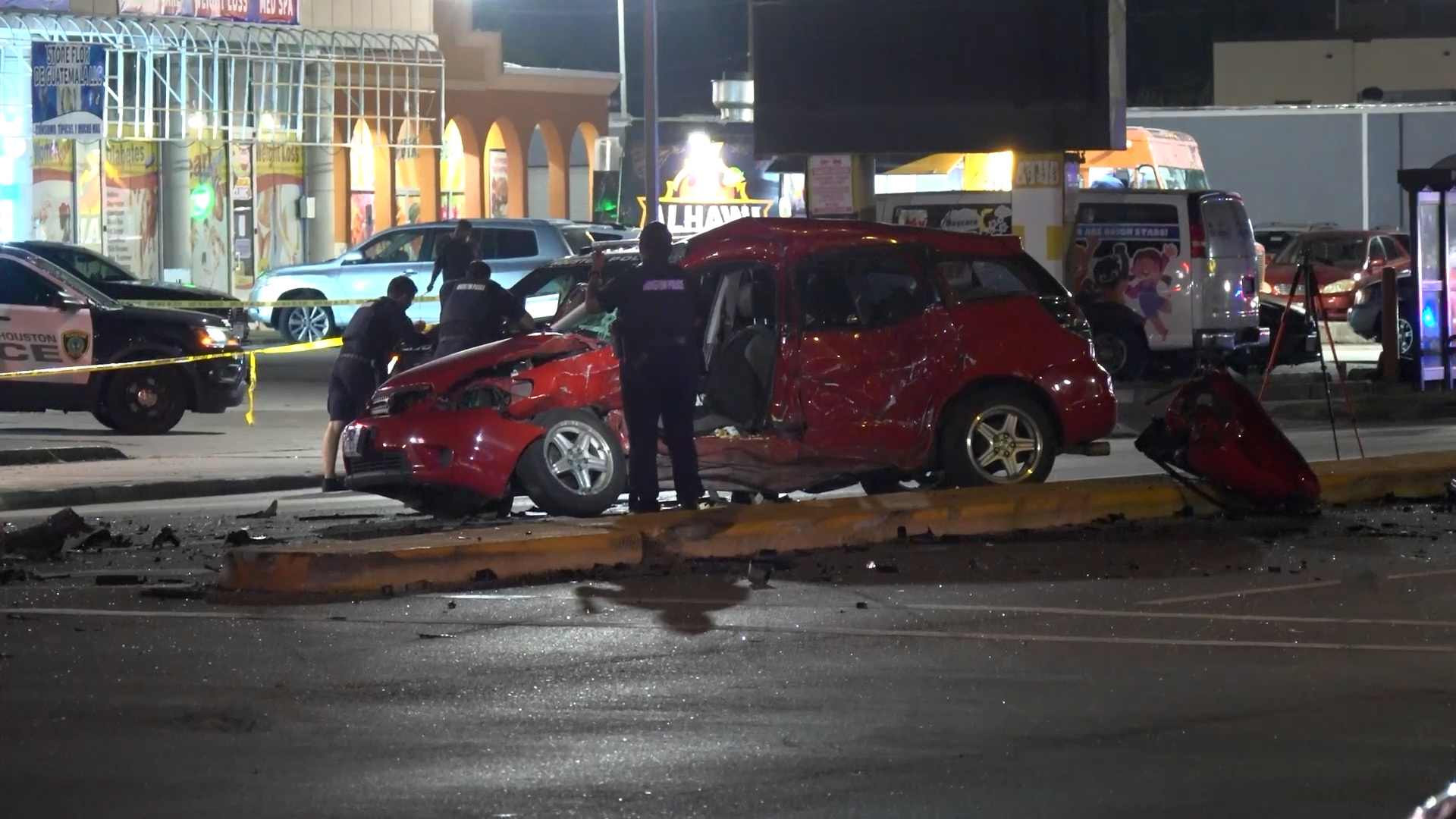
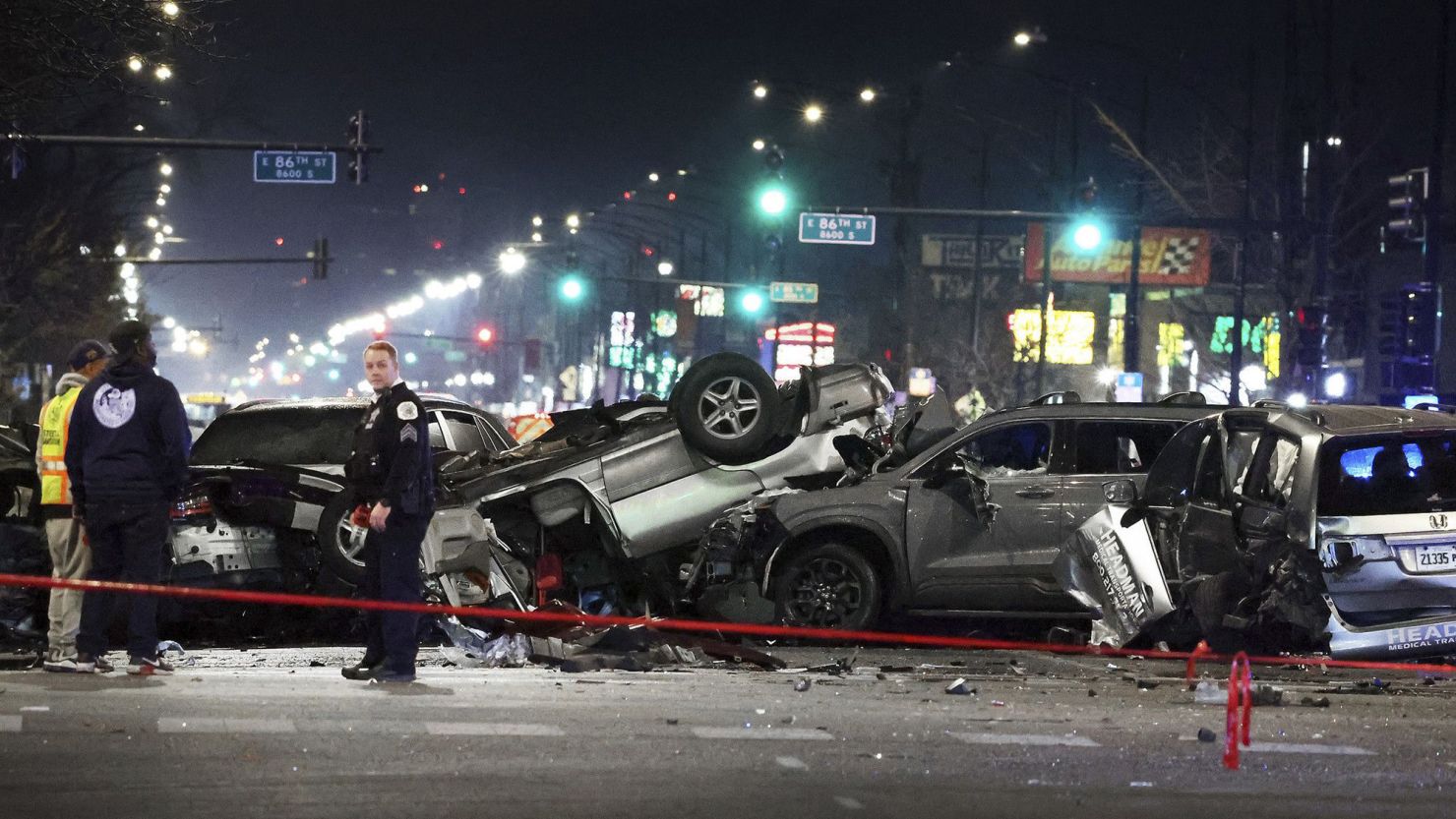
When a car crash occurs involving a driver under the influence of cannabis, the situation immediately shifts from a standard traffic incident to a complex legal, insurance, and safety matter. Victims often face significant medical, financial, and emotional challenges, necessitating a clear understanding of police procedures, liability, insurance implications, and the necessity of specialized legal guidance to secure compensation.
The Immediate Aftermath: Priorities and Evidence Preservation
The moments following a collision are critical, particularly when drug impairment is suspected. If you are involved in a crash, your primary responsibility is to ensure the safety of yourself and others. Once immediate medical needs are met, the focus must shift to securing documentation that can later serve as evidence.
Contact law enforcement immediately. When police arrive, it is essential to clearly articulate your observations regarding the other driver’s behavior. If you notice signs of impairment—such as glassy eyes, erratic movements, slow reaction times, or a distinct odor—inform the responding officer. While a "stoned" driver may not always exhibit the same aggressive traits as an alcohol-impaired driver, their lack of situational awareness often leads to significant lane deviations, delayed braking, or failure to observe traffic signals.
The officer will perform a field sobriety test or use specialized detection protocols. In many jurisdictions, this may include the presence of a Drug Recognition Expert (DRE). Ensure that the official police report accurately reflects your observations and that the officer is aware of the potential impairment. Request a copy of the case number and the police report as soon as it becomes available, as this document is the cornerstone of any subsequent insurance claim or civil litigation.
Challenges in Proving Cannabis Impairment
Unlike alcohol, which has a standardized, instantaneous breathalyzer test, detecting cannabis impairment presents a significant evidentiary challenge. Cannabis contains THC (tetrahydrocannabinol), which can remain in a person's system long after the psychoactive effects have subsided. Because of this, a blood or urine test may show the presence of THC without definitively proving the driver was impaired at the specific moment of the crash.
This nuance is why the "totality of circumstances" approach is used by law enforcement. Evidence is built on a combination of:
- Behavioral observations: How the driver operated the vehicle before and during the crash.
- Physical indicators: Pupil dilation, lack of convergence, or physical dexterity issues noted by officers.
- Contraband findings: The presence of cannabis products or paraphernalia within the vehicle.
- Statements: Admissions by the driver or accounts from witnesses.
As a victim, you should document everything you recall immediately. Write down the driver's demeanor, the time of day, weather conditions, and any specific actions they took that seemed abnormal. This supplemental narrative can be vital for your legal counsel when they attempt to establish liability through the lens of negligence.
Liability and Insurance Considerations
A car crash caused by a driver under the influence of cannabis falls under the broader category of "negligence per se" in many legal frameworks. Because driving while impaired is illegal, the act of causing a crash while in that state is often considered a breach of the duty of care owed to other road users.
From an insurance perspective, proving impairment can expedite the determination of fault, but it does not necessarily guarantee a seamless payout. Insurance companies operate on their own timelines. If the other driver is arrested, their auto insurance carrier may try to delay the claims process pending the outcome of the criminal trial.
Furthermore, some insurance policies contain "illegal act" exclusions. If the driver’s policy refuses coverage due to the commission of a crime, you may need to look toward your own Underinsured/Uninsured Motorist (UM/UIM) coverage. This is why a comprehensive review of your own policy is essential following any collision with an impaired driver.
Comparative Factors in Impaired Driving Claims
The following table outlines how incidents involving substance-impaired drivers are generally evaluated by claims adjusters and legal professionals.
| Evaluation Factor | Alcohol Impairment | Cannabis/Drug Impairment |
|---|---|---|
| Detection Method | Standardized Breathalyzer | DRE Evaluation/Blood/Saliva Test |
| Legal Threshold | Specific BAC (e.g., 0.08%) | Generally "Impaired" (Subjective/Testing) |
| Evidence Strength | High (Numerical/Objective) | Moderate (Behavioral/Contextual) |
| Criminal Link | High Correlation to Conviction | Often Requires Complex Expert Testimony |
| Impact on Claim | Strong Liability indicator | Requires proving lack of situational awareness |
Navigating the Legal and Recovery Landscape
Recovery from a car crash involves more than just physical healing. If you have been injured by a driver who was high, you may be eligible for damages covering medical expenses, lost wages, pain and suffering, and property damage. However, pursuing these claims against an impaired driver requires a strategic approach.
- Seek Medical Evaluation: Even if you feel fine immediately after the crash, adrenaline can mask significant injuries. Seek a professional assessment to document any trauma.
- Consult a Personal Injury Attorney: A lawyer who understands the nuances of impairment cases can help bridge the gap between police findings and civil liability. They can secure evidence that might otherwise be overlooked, such as traffic camera footage or witness statements.
- Manage Communication: Do not discuss the specifics of the driver's perceived impairment with their insurance company representatives without your attorney present. Anything you say can be used to minimize your claim or shift a portion of the blame onto you.
- Preserve Records: Keep a folder containing all medical bills, repair estimates, records of missed work, and correspondence with insurance adjusters.
Common Misconceptions About Impaired Driving
One of the most persistent myths is that because cannabis is legalized in many regions for medical or recreational use, driving while under its influence is treated as a minor offense. In practice, the legal system distinguishes heavily between the legality of possession and the illegal act of operating a vehicle while impaired.
A "stoned" driver is legally no different from an intoxicated one in terms of liability for the damage they cause. The impairment reduces their ability to process complex information, react to hazards, and maintain vehicle control. Courts and insurance adjusters are generally not swayed by the legal status of the substance; they are concerned with the performance of the driver and whether that performance fell below the standard of a reasonable person.
The Role of Expert Witnesses
In cases where the impairment of the other driver is contested or complex, legal teams often turn to expert witnesses. These individuals may include:
- Toxicologists: To explain the concentration of substances in the bloodstream and their impact on cognitive and motor functions.
- Accident Reconstructionists: To analyze the physics of the crash and demonstrate how the driver's actions (or lack thereof) led to the collision.
- Pharmacologists: To testify on how specific substances affect human reaction time and spatial awareness.
While these experts are often associated with criminal trials, they can provide invaluable testimony in civil depositions to prove that the driver’s impairment was the proximate cause of the crash.
FAQ: Addressing Common Concerns
Does the driver's arrest guarantee my insurance claim will be paid? Not necessarily. While an arrest is strong evidence of fault, insurance companies may still dispute the extent of your injuries or the value of your claim. It streamlines the liability phase but does not automatically resolve the damages phase.
What if the other driver claims they were not "stoned" at the time? Defense attorneys will often argue that traces of substances in the system do not equate to active impairment. This is why witness testimony and the responding officer’s notes regarding the driver’s physical behavior are so critical.
Can I sue for punitive damages if the driver was high? In some jurisdictions, if a driver was severely impaired, you may be able to seek punitive damages in addition to compensatory damages. Punitive damages are intended to punish the wrongdoer for reckless behavior, but they are subject to specific state laws and legal precedents.
How long do I have to file a claim? Every jurisdiction has a statute of limitations for personal injury claims. This is a strict deadline, usually ranging from one to several years from the date of the crash. Failing to file within this window permanently waives your right to pursue compensation.
Should I accept the first offer from the insurance company? Generally, no. Insurance companies often move quickly to offer a "low-ball" settlement immediately after a crash, hoping to resolve the claim before the full extent of your injuries and long-term costs are understood. Consult with legal counsel before signing any release of liability.
Next Steps and Professional Guidance
If you or a loved one has been involved in a car crash with a driver suspected of being under the influence of cannabis, your immediate next action should be to consult with a qualified personal injury attorney in your jurisdiction. They can provide an objective assessment of your case, help you gather and preserve evidence before it is lost, and handle negotiations with insurance companies.
Remember that while the legal system is designed to provide recourse, it is an adversarial process. Your ability to recover is often tied to your ability to document the facts and articulate the impact of the other driver’s actions on your life. Prioritize your physical and mental recovery, but ensure that your legal and financial interests are protected by professionals who understand the complexities of impaired driving litigation.