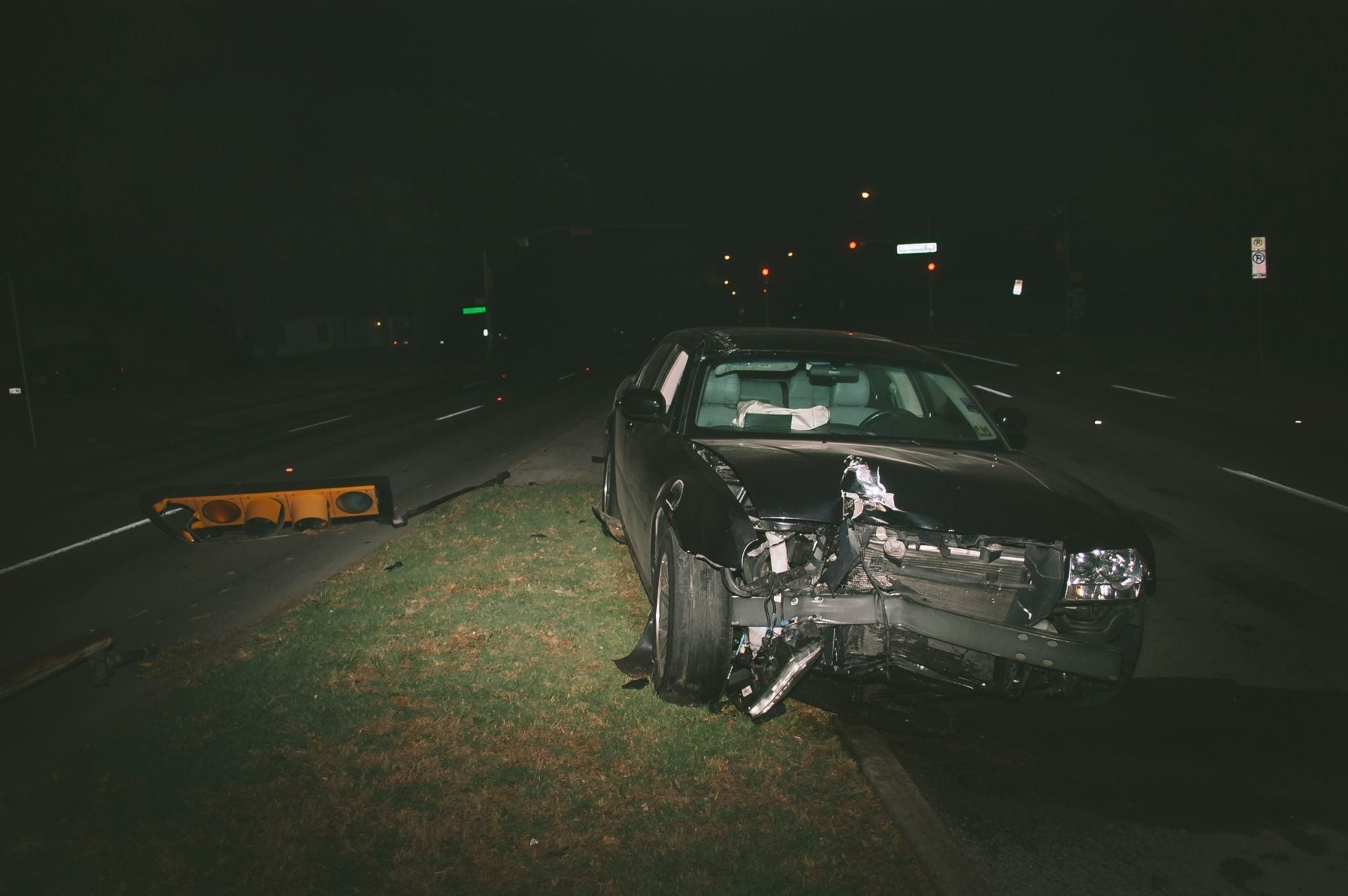
In Arkansas, a vehicle is declared a total loss when the cost of repairs plus the salvage value exceeds 70% of its actual cash value (ACV). Once this threshold is met, the insurance company pays the owner the vehicle's fair market value, minus any deductibles, and typically takes possession of the car.
Navigating a total loss claim in Arkansas involves understanding specific state statutes, insurance department regulations, and the mathematical formulas used to determine your payout. Whether you are dealing with a collision, flood damage, or theft recovery, the transition from a damaged vehicle to a financial settlement is governed by strict rules designed to ensure "fair and equitable" treatment of policyholders. As of 2026, these regulations remain centered on protecting the consumer's right to a comparable replacement or its cash equivalent.
The 70% Total Loss Threshold in Arkansas
Arkansas is one of many states that employs a specific percentage-based threshold to determine when a car is "totaled." According to Arkansas Code § 27-14-2301, if the cost of repairing a vehicle is equal to or greater than 70% of its fair market value, the vehicle must be considered a total loss.
This 70% rule is mandatory. Unlike states that use the "Total Loss Formula" (where repairs + salvage value must exceed the ACV), Arkansas sets a hard limit on repair costs. If a car is worth $20,000 and the repair estimate reaches $14,000, the insurer is legally required to declare it a total loss and issue a salvage title.
Why the Threshold Matters
The threshold exists to prevent "rebuilt" vehicles that may be structurally unsound from entering the secondary market without proper disclosure. For the consumer, this threshold is a double-edged sword. On one hand, it ensures you aren't forced to drive a heavily repaired vehicle that may never perform the same way again. On the other hand, it may lead to the "loss" of a vehicle you would prefer to keep if the damage is primarily cosmetic but expensive to fix.
How Arkansas Insurers Calculate Actual Cash Value (ACV)
The most contentious part of any total loss guide is the calculation of the Actual Cash Value (ACV). In Arkansas, the ACV is not what you paid for the car, nor is it the amount required to buy a brand-new version of the same model. Instead, it is the fair market value of your vehicle immediately before the accident occurred.
Factors Influencing the ACV
Insurance adjusters use several data points to determine this value:
- Local Market Comparisons: Adjusters look at recent sales of similar makes, models, and trims within a specific radius of your Arkansas zip code (e.g., Little Rock, Bentonville, or Jonesboro).
- Vehicle Condition: The pre-accident condition of the engine, interior, and bodywork plays a significant role. If your car had "high-mileage" or visible wear and tear, the ACV will be adjusted downward.
- Third-Party Valuation Services: Most Arkansas insurers use software like CCC Intelligent Solutions, Mitchell, or Audatex to aggregate data and produce a valuation report.
- Refurbishments: If you recently installed new tires or a high-end transmission, you may be able to negotiate a slightly higher ACV, though you typically only receive a fraction of the cost of those upgrades.
It is important to note that the ACV is a "depreciated" value. As soon as you drive a car off the lot, it begins to lose value. By 2026, the rapid technological turnover in electric vehicles (EVs) and advanced driver-assistance systems (ADAS) has made depreciation even more volatile, making the valuation process more complex for adjusters.
The Role of the Arkansas Insurance Department (Rule 43)
The Arkansas Insurance Department (AID) oversees the behavior of insurance companies through specific regulations. Rule and Regulation 43 is the primary document governing the "Standard of Conduct" for settling claims.
Under Rule 43, insurance companies must:
- Acknowledge the claim within 15 working days of receipt.
- Complete the investigation within 30 days, or provide a written explanation as to why more time is needed.
- Provide a fair settlement that reflects the market value. If the insurer and the claimant cannot agree on the value, the policy usually contains an "appraisal clause" that allows for an independent review.
If you feel your insurer is acting in bad faith or violating these timelines, you can file a formal complaint with the Arkansas Insurance Department.
Sales Tax, Title, and Registration Fees
One of the most overlooked aspects of the Arkansas total loss process is the reimbursement of taxes and fees. Arkansas law requires that a total loss settlement must be sufficient to allow the consumer to purchase a comparable replacement vehicle. This means the settlement should include:
- Sales Tax: The current Arkansas state sales tax, plus any applicable local or city taxes, must be factored into the payout.
- Title Fees: The cost to title a new vehicle.
- Registration Fees: The cost to register the replacement.
In some cases, the insurer will pay the ACV first and then reimburse the sales tax only after you provide proof that you have purchased a replacement vehicle within a specified timeframe (often 30 to 60 days). It is vital to check your specific policy language to see if the tax is paid upfront or as a reimbursement.
The Total Loss Claims Process: Step-by-Step
When your vehicle is involved in an incident that may result in a total loss, the following sequence generally occurs:
- Reporting and Inspection: You report the claim to your insurer. An adjuster or a third-party appraiser inspects the vehicle at a tow yard or body shop.
- The Valuation Report: The insurer generates a report detailing the ACV. You have the right to request a copy of this report to verify that the mileage, options (like sunroof or leather seats), and condition are accurately listed.
- The Offer: The insurer makes a settlement offer. This offer will be the ACV minus your deductible (if the accident was your fault or the other party is uninsured).
- Lienholder Payout: If you have an outstanding car loan, the insurer is legally obligated to pay the lienholder (the bank) first. If you owe $15,000 and the car is worth $12,000, the insurer pays the bank $12,000, and you are still responsible for the remaining $3,000 (unless you have Gap Insurance).
- Title Transfer: Once you accept the offer, you must sign the title over to the insurance company. They will then apply for a salvage title through the Arkansas Department of Finance and Administration (DFA).
Owner Retention: Keeping Your Totaled Car
In Arkansas, you have the option to keep your vehicle even after it has been declared a total loss. This is common for older vehicles that are still drivable but have repair costs exceeding the 70% threshold due to expensive parts or labor.
If you choose to keep the car, the process is called "owner retention." Here is how the math changes:
- Settlement = ACV - Deductible - Salvage Value.
The "salvage value" is the amount the insurance company would have received if they had sold your car to a scrap yard or at a salvage auction. By keeping the car, you are essentially "buying it back" from the insurer for that salvage price.
Warning: If you retain the vehicle, you are still required to obtain a Salvage Title from the Arkansas DFA. You cannot legally drive the vehicle on public roads until it has been repaired and passes a state inspection to receive a "Rebuilt" status. Furthermore, many insurance companies in 2026 refuse to provide comprehensive or collision coverage for vehicles with rebuilt titles.
Comparing Settlement Scenarios
The following table illustrates the financial difference between surrendering your vehicle and retaining it, based on a hypothetical $20,000 vehicle with $15,000 in damages.
| Component | Surrendering Vehicle (Standard) | Owner Retention (Keep the Car) |
|---|---|---|
| Actual Cash Value (ACV) | $20,000 | $20,000 |
| Deductible | -$500 | -$500 |
| Salvage Value Deduction | $0 (Insurer keeps car) | -$4,000 (You keep car) |
| Sales Tax (Approx 6.5% + Local) | +$1,400 | +$0 (Usually not paid on retention) |
| Net Payout to Owner | $20,900 | $15,500 |
| Vehicle Status | Owned by Insurer | Owned by You (Salvage Title) |
Common Mistakes to Avoid
- Accepting the First Offer Without Review: Always check the "comparables" used in the valuation report. If the insurer used cars from Missouri or Oklahoma that are priced lower than those in Arkansas, you can challenge the report.
- Forgetting Gap Insurance: If your car is newer, check if you have Gap Insurance. This coverage pays the difference between the ACV and your loan balance. Without it, a total loss could leave you owing money on a car you no longer own.
- Negotiating Based on "Replacement Cost": Do not argue that you need $30,000 because that is what a 2026 model costs. You must argue that your specific 2023 model was worth more than their $20,000 estimate based on its unique condition or low mileage.
- Ignoring Personal Property: Standard auto insurance does not usually cover personal items inside the car (like laptops or sunglasses). These would typically fall under a homeowners or renters insurance policy.
Frequently Asked Questions
What happens if I disagree with the insurance company's value?
In Arkansas, if you and your insurer cannot agree on the ACV, you can invoke the Appraisal Clause in your policy. This allows you to hire an independent appraiser, and the insurance company hires their own. If those two cannot agree, an "umpire" is selected to make the final determination. This process can be expensive, so it is usually reserved for high-value vehicles.
Does Arkansas require sales tax to be paid on total loss claims?
Yes, under the interpretation of Rule 43 by the Arkansas Insurance Department, insurers are generally required to include sales tax in total loss settlements because the goal is to make the consumer "whole." If the insurer does not include it in the initial check, you should ask for it specifically upon the purchase of your next vehicle.
Can I remove parts from my car before the adjuster sees it?
No. The valuation is based on the car as it sat at the time of the accident. If you remove the expensive stereo system or custom wheels, the adjuster will decrease the ACV accordingly. If you want to keep specific aftermarket parts, you must inform the adjuster, but expect the settlement offer to drop.
How long do I have to file a total loss claim in Arkansas?
While it is best to file immediately, the statute of limitations for property damage claims in Arkansas is generally three years from the date of the accident. However, your insurance policy likely has a "prompt notice" clause that requires you to report the incident much sooner.
Will my insurance rates go up after a total loss?
If you were at fault for the accident, it is highly likely your premiums will increase. However, if the total loss was caused by a "comprehensive" event (such as a tornado or hail—common in Arkansas) or if the other driver was 100% at fault, your rates may remain stable, depending on your provider’s specific underwriting rules.
Recommended Next Actions
If your vehicle has been involved in an accident in Arkansas, your first step should be to move the vehicle to a location that does not charge daily storage fees, as most insurers will only pay for a few days of storage. Next, gather all records of recent maintenance and major repairs to use as leverage during the valuation process. Finally, if the settlement offer seems significantly lower than the local market price for a similar vehicle in the Little Rock or Northwest Arkansas area, consider consulting with a public adjuster or a legal professional who specializes in insurance claims.