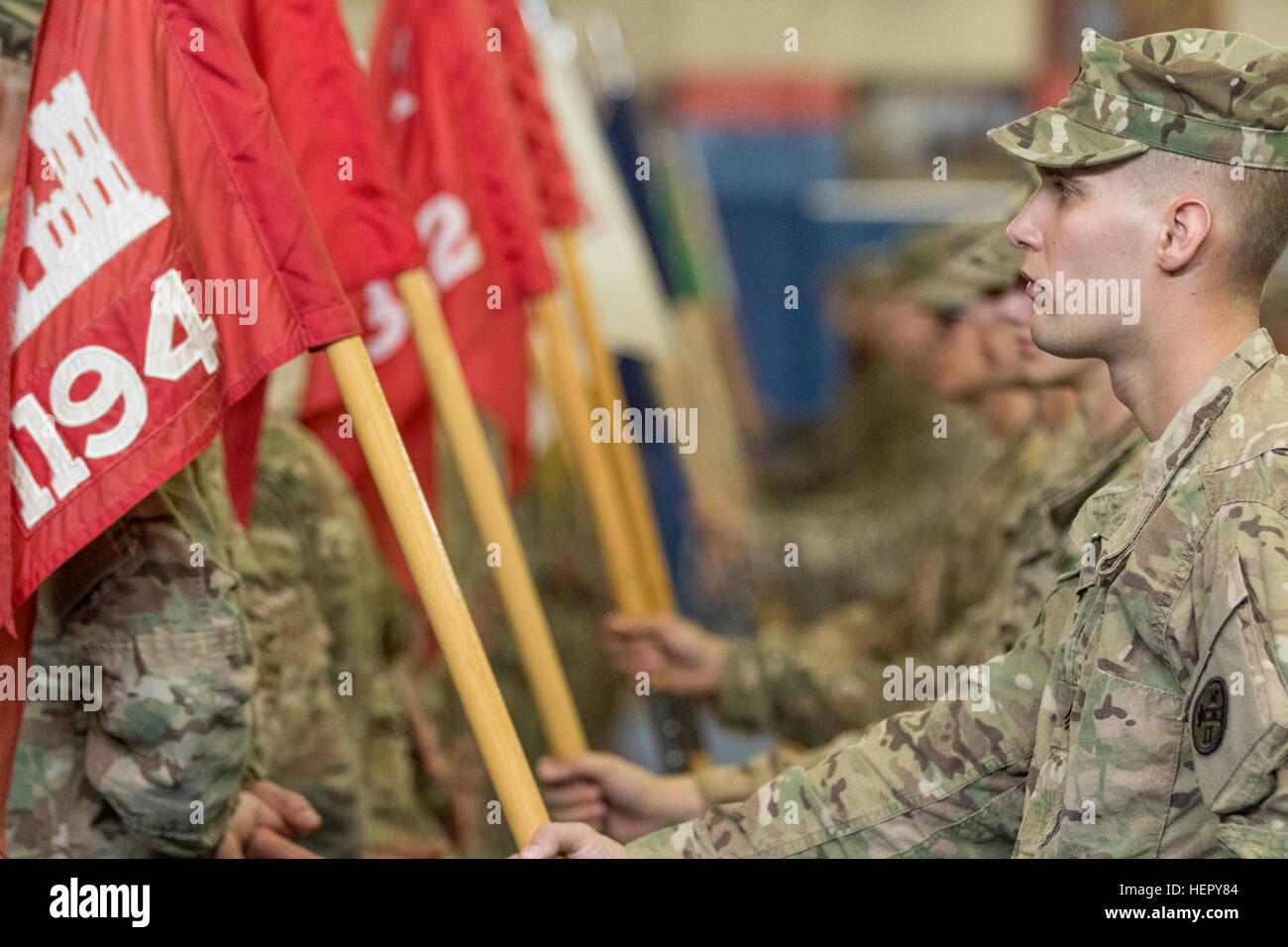
Camp Arifjan is a major United States Army installation in Kuwait that serves as a primary logistical hub and transit point for authorized military personnel, Department of Defense (DoD) contractors, and official visitors. It is not a public port for civilian tourists, but rather a secure support base facilitating movement through Kuwait’s sea and air ports.
Understanding Camp Arifjan’s Role in Kuwait
Camp Arifjan stands as one of the most significant military installations in the Middle East. Located south of Kuwait City and west of the Shuaiba Port, it serves as the nerve center for U.S. Army Central (ARCENT) operations. As of 2026, the base remains a critical "port area" in a functional sense—acting as the primary gateway for personnel and equipment transitioning into and out of the North African and Southwest Asian theaters.
Historically, the facility was developed to replace the aging Camp Doha, providing a more modern and expansive infrastructure to support long-term regional stability. Unlike a traditional civilian port, Arifjan is an inland installation that manages the logistics for the nearby Sea Port of Debarkation (SPOD) at Shuaiba and the Aerial Port of Debarkation (APOD) at Kuwait International Airport and Ali Al Salem Air Base. For the military "traveler," Arifjan is the "Gateway to the Theater," where administrative processing, equipment issue, and cultural orientations occur.
The complexity of the base is staggering. It houses thousands of service members from all branches of the U.S. military, as well as personnel from coalition forces. The mission is purely logistical and tactical: ensuring that the flow of resources remains uninterrupted. This involves massive warehouse operations, vehicle maintenance yards, and sophisticated communications networks that link the U.S. mainland to active operational zones.
Access and Eligibility: Who Can Visit the Base?
Access to Camp Arifjan is strictly regulated. It is essential to clarify that "travelers" in the context of Arifjan refers exclusively to individuals with official government business. The base does not offer services to the general public or leisure tourists. Understanding the prerequisites for entry is the first step for any authorized traveler.
Required Documentation and Security Clearances
All personnel entering Camp Arifjan must possess a valid Common Access Card (CAC) or an approved Department of Defense identification card. For contractors and foreign nationals, the process is even more stringent. Entry requires a pre-approved security clearance and inclusion on an Installation Access List (IAL).
Travelers arriving from outside Kuwait must also navigate the country’s immigration laws. While military personnel often travel under the Status of Forces Agreement (SOFA), contractors typically require a Kuwaiti work visa (Article 18) or a specific entry permit. It is a common mistake to assume that military orders supersede all local laws; in reality, coordination with the U.S. Embassy in Kuwait is often necessary for civilian contractors to ensure legal compliance with host-nation regulations.
The Gate Entry Process
The physical entry into the base involves multiple layers of security. Personnel should expect biometric verification, vehicle inspections, and frequent "100% ID checks." If you are arriving via a commercial taxi or a private shuttle, you will likely be dropped off at a designated transfer point or a "badging office" outside the main perimeter. New arrivals are often assigned a sponsor—a permanent party member who assists with the initial navigation of the security checkpoints and the "In-Processing" center.
Life on Base: Facilities and Amenities for Residents and Transients
For many travelers, Camp Arifjan is a temporary stop during a deployment or a permanent duty station for a one-year tour. As such, the base has evolved into a "city within a city," offering a range of amenities designed to maintain morale and readiness.
Housing and Billets
Housing at Camp Arifjan is divided primarily into several "Zones."
- Zone 1 and Zone 2: These areas typically house permanent party personnel and long-term contractors. Accommodations range from "B-Huts" to more modern barracks and containerized housing units (CHUs).
- Zone 6: Often referred to as the "Transit Zone," this area is dedicated to those moving through the gateway. Personnel here live in large, climate-controlled tents or transient barracks.
As of 2026, significant upgrades have been made to the climate control systems in Zone 6 to combat the extreme Kuwaiti summers, where temperatures regularly exceed 120°F (49°C). Travelers should be prepared for communal living arrangements, including shared latrines and showers, regardless of their rank or status.
Dining and Nutrition
Camp Arifjan is home to some of the largest Dining Facilities (DFACs) in the military inventory. These facilities provide three hot meals a day, featuring a variety of cuisines to accommodate international coalition partners. The "Patriot Village" and "Zone 6" DFACs are the most prominent.
In addition to military dining, the base features a "Fast Food Row" that includes recognizable American brands. This provides a sense of home for travelers and serves as a primary social hub. It is important to note that all food services on base follow strict Army health standards, though travelers are encouraged to stay hydrated—water points are located every few hundred feet across the installation.
Recreation and Wellness (MWR)
The Morale, Welfare, and Recreation (MWR) programs at Arifjan are extensive. There are multiple 24-hour gyms equipped with modern fitness gear, indoor and outdoor basketball courts, and even a swimming pool (subject to seasonal availability). The "Zone 1" and "Zone 6" Community Centers offer theaters, gaming rooms, and Wi-Fi lounges. These facilities are vital for travelers who need to stay connected with family back home or decompress after long shifts in the logistics yards.
Transportation Logistics: Navigating the Port and Transit Hubs
The primary reason Camp Arifjan is labeled a "port area" is its role in managing the throughput of the Port of Shuaiba. This sea port is where the majority of heavy military equipment—tanks, Bradleys, and humvees—arrives in Kuwait.
Connecting to the Port of Shuaiba (SPOD)
The link between Camp Arifjan and the Shuaiba Port is a heavily monitored corridor. Military convoys and commercial trucks move daily between these two points. For travelers involved in logistics or transportation corps, the "staging areas" at Arifjan are where equipment is offloaded from ships, inspected, and then prepared for onward movement. This process is known as Reception, Staging, Onward Movement, and Integration (RSO&I).
Aerial Port Operations (APOD)
While the sea port handles the heavy lifting, the "traveler" usually experiences Arifjan through its connection to the air ports. The Gateway at Camp Arifjan manages the bus manifests that transport personnel to Ali Al Salem Air Base or Kuwait International Airport. This is a highly choreographed operation. Travelers must often "stage" their luggage 24 to 48 hours in advance, a process known as "palletizing," to ensure that weight and balance requirements for military aircraft are met.
| Facility Type | Location | Primary Function | Accessibility |
|---|---|---|---|
| Zone 6 Gateway | North Side | Transit processing & transient housing | All incoming/outgoing personnel |
| PX (Exchange) | Zone 1 | Retail, electronics, and essentials | All ID card holders |
| Dining Facility (DFAC) | Multiple Zones | Meal service (Full-service buffet) | All ID card holders |
| MWR Gym | Zone 1 / Zone 6 | Fitness and physical readiness | All ID card holders |
| Medical Clinic | Zone 1 | Primary care and emergency stabilization | All personnel |
| Shuaiba Port (SPOD) | 15km East | Sea-based logistics and heavy equipment | Mission-essential personnel only |
Guidelines for Conduct and Safety in 2026
Living and working in Camp Arifjan requires strict adherence to both military regulations and Kuwaiti law. As a traveler, your conduct reflects on the U.S. government and can have diplomatic implications.
1. General Order Number 1 (GO-1): The consumption, possession, or sale of alcohol is strictly prohibited for all U.S. personnel in Kuwait, including at Camp Arifjan. This is a non-negotiable rule rooted in respect for the host nation’s Islamic culture and the need for operational readiness. Violations often result in immediate administrative or legal action.
2. Uniform and Dress Code: While on base, military personnel must adhere to their specific branch's uniform regulations. For contractors and visitors, "business casual" or "modest civilian attire" is generally required. In the 2026 environment, there is an increased emphasis on professional appearance in common areas like the PX and DFAC. Off-base, travelers must ensure their shoulders and knees are covered to respect local Kuwaiti customs.
3. Cybersecurity and OPSEC: Operational Security (OPSEC) is paramount. Travelers are cautioned against posting specific locations or transit schedules on social media. The use of "geotagging" on fitness apps or photos is frequently restricted in certain high-security zones of the camp.
Preparing for the Kuwaiti Environment
The environment at Camp Arifjan is one of extremes. Travelers must prepare for a climate that can be unforgiving.
- Heat Mitigation: During the summer months, the "Wet Bulb Globe Temperature" (WBGT) index is used to determine work-rest cycles. Heat injuries are the most common medical issue for new arrivals. The "hydration stations" found throughout the camp are not suggestions; they are operational necessities.
- Dust and Sand: Kuwait experiences frequent "Shamal" winds, which can lead to massive dust storms. These storms can halt flight operations at the APOD and restrict movement on the base. Travelers are advised to carry eye protection and a "buff" or neck gaiter to protect their airways.
- Connectivity: While Wi-Fi is available in MWR areas, many travelers opt to purchase a local SIM card (such as Zain or Ooredoo) from the vendors in the PX. This provides more reliable data for navigation and communication while traveling between the base and the ports.
Troubleshooting Common Issues for Travelers
Even with the most thorough planning, traveling through a military hub like Arifjan can present challenges.
- Lost ID Cards: If a CAC or ID card is lost, the traveler must immediately report it to the Provost Marshal’s Office (PMO). You cannot move through the base or pass through gates without it, and a replacement must be issued through the DEERS/RAPIDS office in Zone 1.
- Flight Delays: Military "MilAir" flights are notorious for schedule changes. Travelers at the Gateway should check the flight monitors every few hours and stay in close contact with their unit's travel NCO.
- Medical Clearances: Ensure your immunizations and dental screenings are up to date before arrival. The medical facilities at Arifjan are robust but are primarily intended for acute care and readiness, not for catching up on elective procedures.
Frequently Asked Questions
Can civilian tourists visit Camp Arifjan?
No, Camp Arifjan is a closed military installation. There are no tours or public access areas for leisure travelers or tourists. Access is granted only to those with a valid Department of Defense ID or pre-authorized official sponsorship.
What is the best way to get from the airport to Camp Arifjan?
Authorized personnel usually arrive via military shuttle or pre-arranged contract transport. If you are a contractor, your company is responsible for your transport. Commercial taxis are generally not allowed past the outer security checkpoints; they can only drop you at the badging office or the main gate "visitor center."
Is there a post office at Camp Arifjan?
Yes, the Military Post Office (APO) at Camp Arifjan is a major hub. Personnel can receive mail using an APO AE address. However, travelers should be aware that shipping times can vary from 10 days to three weeks depending on the time of year and flight availability.
Are there hotels inside Camp Arifjan?
There are no commercial hotels. All housing is government-provided, consisting of barracks, CHUs, or tents. If you are an official visitor, you may be placed in "DV" (Distinguished Visitor) quarters, but these are still within the military compound and are not equivalent to a civilian hotel.
What currency is used on base?
The U.S. Dollar is the primary currency used at the PX and fast-food outlets. However, Eagle Cash cards (a military debit system) are widely used. Most vendors also accept major credit cards. If you go off-base, you will need Kuwaiti Dinar (KWD), which can be obtained at ATMs or currency exchanges located in the Zone 1 PX area.
Final Recommendation for New Arrivals
For any traveler heading to Camp Arifjan in 2026, the most important asset is patience. The base is a high-traffic environment where security protocols and logistical shifts can change schedules in an instant. Always carry your documentation in a waterproof pouch, stay hydrated, and ensure you have a designated point of contact (sponsor) before you land in Kuwait. By respecting local laws and base regulations, you can ensure a smooth transition through this critical Middle Eastern port area.