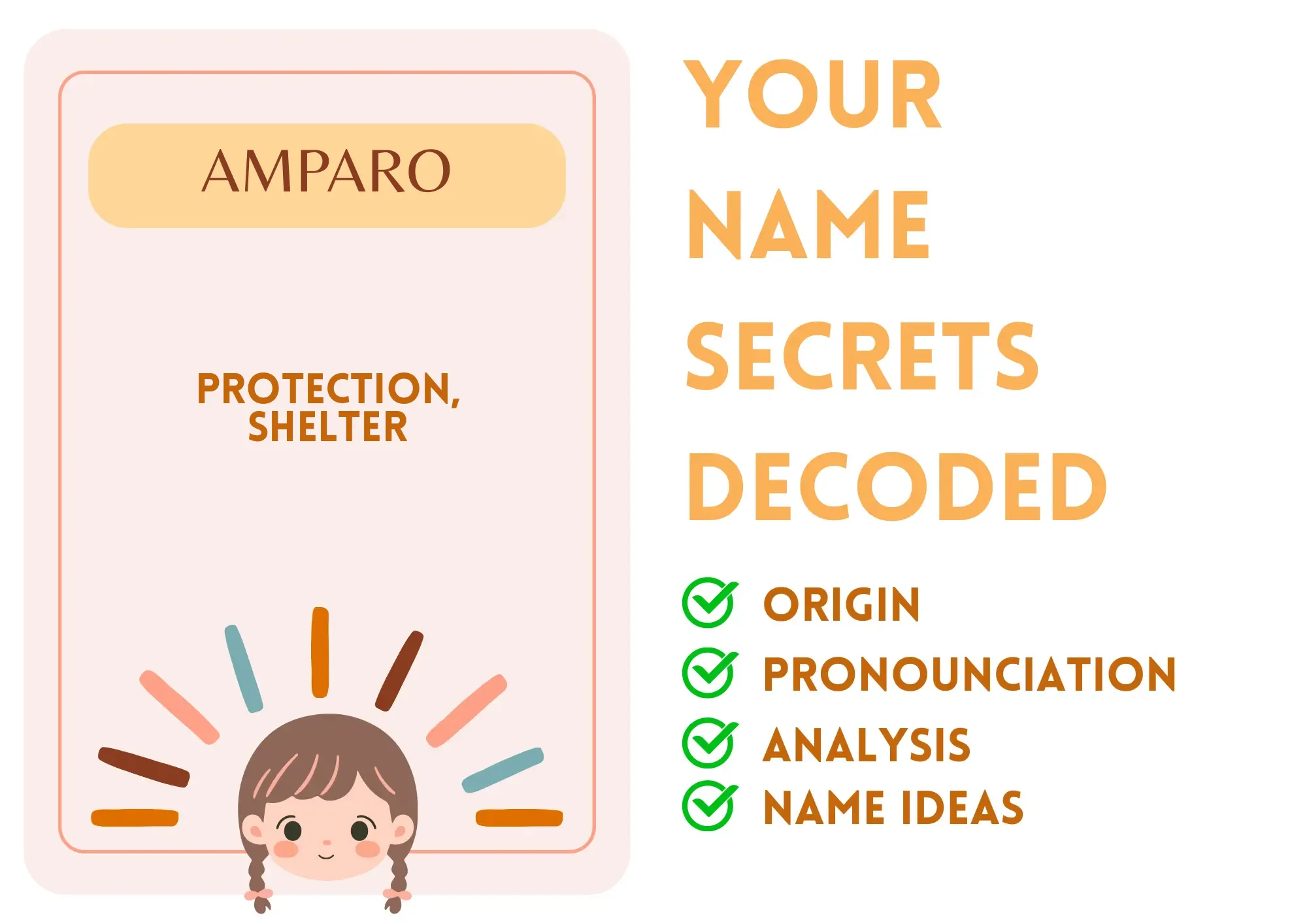
The term amparo translates literally from Spanish into English as "protection," "shelter," or "favor." However, in a professional, legal, or cross-cultural context, rendering the word into a single English equivalent often strips away its vital institutional weight. While everyday Spanish usage employs amparo to describe emotional support, refuge, or asylum, its primary international visibility stems from constitutional law, where it functions as a distinct legal remedy designed to safeguard fundamental human rights against government overreach or state violations.
Disambiguating this term requires separating its general linguistic definitions from its specialized constitutional status in Latin American and Spanish jurisprudence. In everyday conversation, amparo refers to backing, protection, or a safety net. In comparative law, the juicio de amparo or writ of amparo represents a specialized injunction or constitutional protection order. This mechanism has no exact, single-word equivalent in the common law systems of the United States or the United Kingdom, necessitating contextual translation depending on whether the text discusses civil law, administrative frameworks, or general literary expression.
Linguistic Etymology and General Definitions of Amparo
To understand the English equivalents of amparo, one must examine its verbal root, amparar. Derived from the Late Latin imparare (meaning to prepare or defend), the modern Spanish verb means to protect, shield, shelter, or back someone. Consequently, the noun amparo captures the state of being protected or the instrument providing that safety.
In non-legal contexts, English speakers encounter amparo in various settings requiring careful translation. Translators must avoid defaulting to a legal definition when the source text refers to social welfare, personal relationships, or institutional backing.
- Protection and Shelter: When used to describe physical or emotional safety, amparo translates closely to shelter, refuge, or protection. For instance, seeking amparo under a charitable program implies seeking social security safety nets.
- Backing and Sponsorship: In administrative or corporate contexts, amparo can denote endorsement, backing, or institutional support.
- Literary and Poetic Usage: Classical and romantic literature frequently employs amparo to signify divine protection or sanctuary, mapping cleanly onto English terms like succor or safekeeping.
Comparative Translation Matrix
| Spanish Context | Primary English Translation | Secondary/Contextual Alternatives | Usage Example |
|---|---|---|---|
| Legal / Constitutional | Writ of Amparo | Constitutional protection order, injunction | Filing an amparo against government seizure. |
| Social Welfare | Safety net | Social security, welfare protection | Providing amparo to vulnerable populations. |
| General / Literal | Protection | Shelter, refuge, backing | Finding amparo under the new policy. |
| Figurative / Literary | Sanctuary | Succor, safeguarding | Seeking spiritual amparo. |
The Legal Meaning of Amparo in Constitutional Law
The most significant application of the term for international scholars, translators, and legal professionals is the juicio de amparo (trial of amparo or writ of amparo). Originating in the legal history of the Yucatán Peninsula and subsequently integrated into the Mexican Constitution of 1857 by statesman Manuel Crescencio Rejón and jurist Ignacio Vallarta, the amparo serves as a cornerstone of constitutional procedural law throughout Latin America and the Iberian Peninsula.
In English legal terminology, explaining the amparo requires analogizing it to a hybrid of several common law instruments, while acknowledging its distinct civil law architecture. It combines elements of:
- Habeas Corpus: Protection against unlawful detention and arbitrary physical restraint.
- Injunctions: Court orders prohibiting government entities or officials from performing unconstitutional acts.
- Certiorari and Judicial Review: Mechanisms allowing higher courts to review the constitutionality of lower court decisions or legislative statutes.
Despite these overlaps, translating amparo as simply an "injunction" or "habeas corpus" is legally inaccurate because the amparo operates as an overarching omnibus constitutional remedy. It protects not only personal liberty but also property rights, freedom of speech, due process, and social rights guaranteed by a national constitution.
Core Characteristics of the Writ of Amparo
The legal mechanism of amparo possesses several defining procedural attributes that distinguish it from standard civil litigation or criminal appeals. Understanding these mechanics clarifies why literal translation into English often fails to capture its full scope.
- Party-Specific Effects (Formula Otero): Unlike constitutional review systems where a high court strikes down a law entirely for all citizens (erga omnes effect), a traditional amparo judgment protects only the specific petitioner who filed the suit (inter partes effect). While modern judicial reforms in countries like Mexico have introduced broader declarations of unconstitutionality under specific conditions, the historical baseline of amparo focuses on individualized relief.
- Subsidiarity: As a rule, an amparo cannot be filed prematurely. The petitioner must first exhaust all ordinary legal remedies, administrative appeals, and lower-court avenues available under local or federal statutes before invoking the constitutional court.
- Protection of Fundamental Rights (Garantías Individuales or Derechos Humanos): The sole jurisdictional trigger for an amparo is an alleged violation of constitutional rights or human rights recognized in international treaties signed by the state, committed by an authority acting under color of law.
Categories and Types of Amparo Actions
Because the scope of state interference can take many forms, legal systems that utilize the amparo have developed specialized modalities. When translating these terms into English, legal translators maintain the Spanish categorization while providing precise functional descriptions.
Amparo Directo (Direct Amparo)
Also known as amparo unicameral or direct review, this form challenges final judgments, sentences, or resolutions issued by judicial, administrative, or labor tribunals where no further ordinary appeal is possible. It is heard by Collegiate Circuit Courts (Tribunales Colegiados de Circuito) and focuses primarily on procedural violations or substantive legal errors committed during the underlying trial.
Amparo Indirecto (Indirect Amparo)
Also known as amparo bi-instancial, this action addresses laws, regulations, administrative decrees, acts of authority outside of a formal judicial trial, or procedural violations occurring during the pre-trial or investigative phases. It is filed before District Judges (Juzgados de District) and involves a two-tier review process where decisions can be appealed to Collegiate Circuit Courts or the Supreme Court.
Specialized Subsets of Amparo
- Amparo Agrario: Designed specifically to protect communal landholders (ejidatarios and comuneros) regarding agrarian reform and land tenure rights.
- Amparo Laboral: Protects the rights of workers and unions within administrative and labor dispute frameworks.
- Amparo Contra Leyes: Challenges the constitutional validity of a statute or legislative enactment either upon its enactment (autoaplicativo) or upon its first formal application to the petitioner (heteroaplicativo).
Jurisdictional Reach and Geographic Variations
While Mexico remains the most widely studied jurisdiction for the writ of amparo, the legal instrument has been adopted, with localized modifications, across numerous other Spanish-speaking nations. Each jurisdiction tailors the English translation of its specific procedural rules to its domestic legal framework.
- Colombia: Utilizes the Acción de Tutela, which shares the functional DNA of the Mexican amparo, serving as a rapid mechanism for the protection of fundamental constitutional rights.
- Peru: Explicitly recognizes constitutional processes such as the Acción de Amparo, alongside Habeas Corpus and Habeas Data.
- Spain: Incorporates the Recurso de Amparo before the Constitutional Court (Tribunal Constitucional) as the ultimate safeguard for rights violated by public authorities.
When reading academic or comparative law texts, translators usually retain the original Spanish term (amparo) in italics, followed by an explanatory English gloss in parentheses, such as "constitutional protection proceeding," to prevent procedural confusion.
Common Pitfalls in Translating and Interpreting Amparo
Misunderstanding the dual linguistic and legal nature of amparo leads to frequent errors in academic, legal, and journalistic translation.
- Over-reliance on "Injunction": While an interlocutory amparo bears resemblance to a preliminary injunction in American civil procedure, treating the entire juicio de amparo as an injunction obscures its role as a constitutional appellate and human rights review mechanism.
- Confusing Everyday and Legal Meanings: Translating a sentence referencing amparo social (social security protection) into legalistic terminology creates nonsensical administrative prose. Context dictates whether the word invokes state welfare or constitutional litigation.
- Ignoring Procedural Nuance: Assuming that an amparo works identically across all Latin American jurisdictions ignores vital structural differences in standing, exhaustion requirements, and execution authority.
Frequently Asked Questions About Amparo
What is the literal translation of amparo in English?
The literal translation of the noun amparo is protection, shelter, backing, or refuge. In legal contexts, it is conventionally rendered as "writ of amparo" or "constitutional protection proceeding" because no single exact equivalent exists in English common law.
Is an amparo the same as a restraining order?
No. While a restraining order is a specific civil or criminal court directive prohibiting contact or proximity between individuals, an amparo is a high-level constitutional lawsuit filed against state authorities or laws to protect fundamental human rights.
Which countries use the legal writ of amparo?
The legal mechanism originated in Mexico and is widely utilized across Latin America—including Argentina, Colombia, Peru, Brazil (under the name mandado de segurança), and Costa Rica—as well as in Spain.
Can an amparo be filed by foreign nationals?
Yes. In jurisdictions like Mexico, constitutional protections and the right to file an amparo extend to all individuals within the national territory, regardless of their nationality or immigration status, provided an authority has violated their fundamental rights.
How does an amparo differ from a standard appeal?
A standard appeal (recurso) evaluates whether a lower court correctly applied statutory law in a dispute between private parties. An amparo focuses strictly on whether a state authority, law, or court violated the constitutional rights or human rights of the petitioner.
Conclusion and Professional Recommendations
Navigating the meaning of amparo in English requires recognizing the sharp divide between its general linguistic definitions and its specialized role in constitutional law. For everyday text, rely on standard English terms such as protection, shelter, or backing. For legal, academic, or governmental documents, preserve the term amparo or use the formal gloss writ of amparo alongside clear contextual explanations. Legal professionals engaging with cross-border litigation or comparative jurisprudence should consult local counsel and specialized comparative law resources to ensure precise procedural alignment.