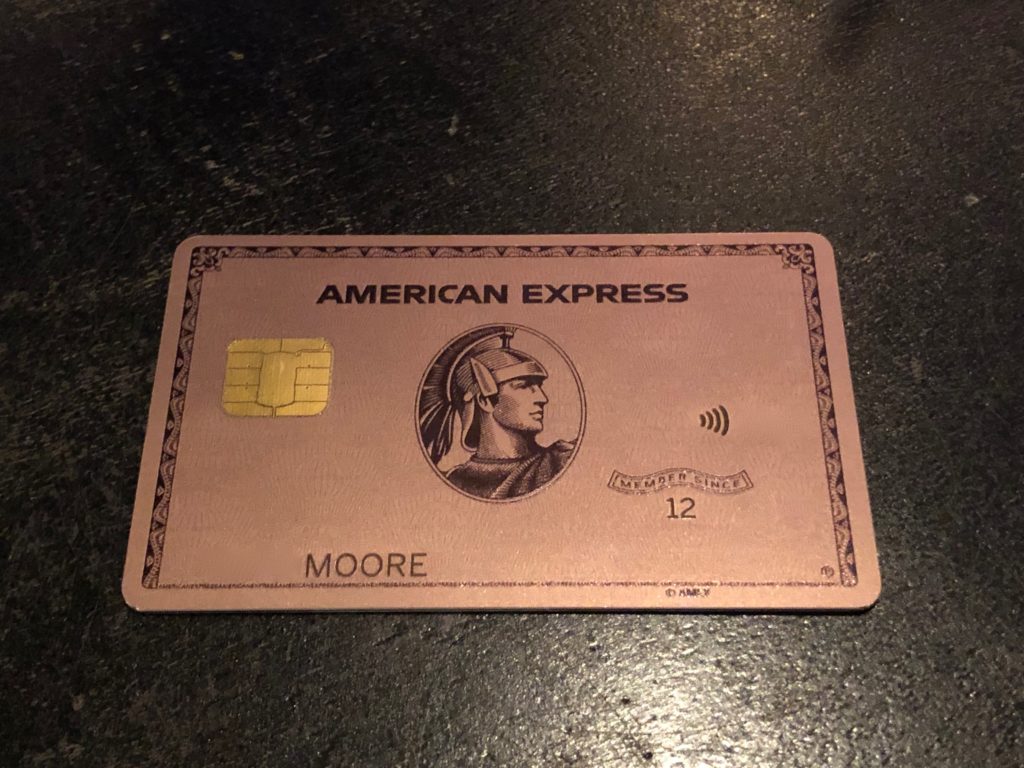
The American Express Gold Card is made of metal, featuring a stainless-steel exterior bonded to a plastic core that gives it a distinct heft, weighing approximately 15 grams, which sets it apart from traditional plastic credit cards.
Introduction: The Evolution of Premium Card Materials
For decades, consumer credit and charge cards were manufactured almost exclusively from polyvinyl chloride (PVC) or similar plastics. These traditional cards were lightweight, flexible, and inexpensive to produce, serving as the functional standard for global commerce. However, as the credit card market evolved—particularly in the rewards and premium segments—issuers sought ways to physically differentiate high-end products from standard consumer offerings. The introduction of metal as a primary substrate for credit cards transformed a mundane financial instrument into a status symbol.
Among the most popular premium offerings utilizing this design shift is the American Express® Gold Card. Understanding its physical construction requires looking beyond the shiny exterior to examine the engineering, weight, daily practicalities, and manufacturing techniques that define modern high-end payment cards. While many consumers recognize the card by its distinctive golden sheen and satisfying weight, questions frequently arise regarding its exact material composition, how it compares to other premium cards, and what maintenance it requires. This comprehensive guide explores every facet of the American Express Gold Card's metallic build, detailing how it is made, how it feels in everyday use, and what cardholders need to know about handling a heavy-substrate financial product.
Material Composition and Physical Specifications
To understand the physical nature of the American Express Gold Card, it is essential to examine its layering technology. Unlike solid bullion or pure blocks of heavy metal—which would interfere with contactless radio frequency identification (RFID) chips and magnetic stripes—modern metal cards utilize a composite engineering approach.
The card features a stainless-steel exterior skin bonded to a reinforced plastic core. This multi-layered construction serves several distinct engineering purposes:
- Weight Distribution: Weighing in at approximately 15 grams, the card provides a substantial, premium feel in the hand without being excessively heavy or burdensome in a standard wallet.
- Durability: The stainless-steel outer layers protect the card against bending, snapping, and normal wear and tear that quickly degrades standard plastic cards.
- Chip and Antenna Functionality: A completely solid metal card would block electromagnetic signals. The internal plastic core and precisely engineered cutouts allow room for the EMV chip and the embedded wireless antennas required for contactless tap-to-pay functionality.
The iconic gold finish is achieved through specialized physical vapor deposition (PVD) or electroplating processes applied to the stainless-steel substrate. This ensures that the color remains vibrant, resistant to scratching, and uniform across the surface of the card, including the laser-etched cardholder details, member-since date, and customer service phone numbers on the back.
Handling Daily Use, Weight, and Practical Considerations
Owning and carrying a metal card introduces minor shifts in everyday habits compared to traditional plastic payment methods. While the aesthetic and tactile appeal of the American Express Gold Card is widely appreciated by consumers, practical implications deserve consideration.
Wallet Fit and Storage
Because the card is thicker and more rigid than standard PVC cards, stacking multiple metal cards in a single wallet slot can stretch the leather or synthetic material, making it loose for subsequent cards. Many cardholders prefer to store their metal cards in dedicated slots or use minimalist wallets designed to accommodate thicker substrates.
Sound and Impact
When dropped onto a hard surface like a restaurant floor or a marble countertop, a metal card produces a distinct, resonant clinking sound rather than the dull thud of plastic. While this often reinforces the premium perception of the product, it can occasionally draw unwanted attention in quiet environments.
Flexibility and Resistance to Damage
Standard plastic cards are prone to cracking, peeling, or snapping along the magnetic stripe if sat on or bent sharply. The stainless-steel construction of the American Express Gold Card virtually eliminates this issue. It will not snap in half under normal pocket pressure. However, deep scratches can occasionally reveal the underlying metallic tone if the outer coating is compromised by abrasive materials like keys or loose coins stored in the same pocket.
Comparison of Premium Card Materials
The credit card industry features a variety of premium substrates, ranging from heavy-duty plastics to precious metals and even carved wood. Understanding where the American Express Gold Card sits in this landscape provides valuable context regarding weight, durability, and prestige.
| Card Name / Product | Primary Material | Approximate Weight | Contactless Capability | Special Physical Features |
|---|---|---|---|---|
| American Express Gold Card | Stainless Steel with Plastic Core | ~15 grams | Yes | Brushed gold finish, laser-etched details on back |
| The Platinum Card® from American Express | Metal (heavier composite) | ~18 grams | Yes | Heavier than the Gold Card, sleek platinum finish |
| Chase Sapphire Reserve® | Stainless Steel | ~12–13 grams | Yes | Embedded blue core, sleek dark blue coating |
| Standard Plastic Credit Card | Polyvinyl Chloride (PVC) | ~5 grams | Yes | Completely flexible, printed numbering on front or back |
| Apple Card | Titanium | ~14.75 grams | Yes | Laser-etched white titanium finish, minimalist design |
As illustrated in the comparison table, the American Express Gold Card strikes a balance between weight and functionality, maintaining a heavier profile than standard plastic while supporting modern contactless payment standards seamlessly.
Replacement, Expiration, and Card Lifecycle
Because metal cards are more expensive to manufacture than standard plastic, the lifecycle management differs slightly from traditional accounts.
When an American Express Gold Card approaches its expiration date, American Express automatically ships a replacement card prior to the month of expiration. The replacement card retains the same metal substrate and physical characteristics. Similarly, if a card is lost, stolen, or damaged, cardholders can request a replacement through the American Express mobile application or online account portal.
Crucially, cardholders should note proper disposal methods for expired or damaged metal cards. Because they contain stainless steel, tossing them into standard home recycling bins or municipal waste streams is discouraged. American Express provides a prepaid return envelope option upon request, allowing cardholders to mail their old metal cards back to the issuer for secure, environmentally responsible destruction and recycling.
Frequently Asked Questions
Is the American Express Gold Card made of real gold?
No, the card is not made of solid gold or gold plating containing precious bullion value. It is constructed from a durable stainless-steel substrate treated with a specialized PVD or electroplating process to achieve its signature gold color and brushed metallic finish.
Does the metal construction interfere with tap-to-pay (contactless) transactions?
No. While metal blocks radio frequency signals, American Express engineers the card with an internal plastic core and specialized internal antenna routing. This ensures that tap-to-pay functionality works reliably at all compatible point-of-sale terminals.
How much does the American Express Gold Card weigh?
The card weighs approximately 15 grams. This gives it a heavier, more substantial feel than standard plastic cards, which typically weigh around 5 grams, making it noticeable in a hand or wallet without being overly heavy.
Can I destroy an old metal card with household scissors?
Standard household scissors cannot cut through the stainless-steel construction of the American Express Gold Card and attempting to do so can damage the blades or cause injury. Cardholders should use heavy-duty shears or utilize the official mail-back destruction service provided by American Express.
What should I do if the gold coating scratches?
While the PVD coating is durable and resistant to normal pocket wear, deep scratches from keys or abrasive objects can occur. If structural integrity is not compromised, the card remains fully functional. However, if the chip, magnetic stripe, or card details are affected, cardholders can request a replacement card at no additional fee through their online account.
Conclusion and Next Actions
The American Express Gold Card successfully combines durable stainless-steel engineering with practical payment technology, offering a distinct physical experience that matches its rewards profile. For cardholders, understanding its material composition ensures proper daily care, safe storage, and responsible disposal at the end of its lifecycle. To manage your account, request a replacement for a damaged card, or explore current account terms, log in to your secure American Express online dashboard or navigate directly through the official mobile application.