American Express does not offer standard, primary, or standalone personal auto insurance policies like traditional insurance carriers such as GEICO, State Farm, or Progressive. Instead, "Amex auto insurance coverage" primarily refers to the secondary or optional primary collision damage insurance that cardmembers can purchase when renting a vehicle, alongside various protection perks embedded within specific premium credit cards.
Navigating the landscape of financial institution-backed vehicle protection requires a careful examination of what is covered, what is excluded, and how these offerings interact with your personal auto insurance policy. When renting a car or exploring financial perks, understanding these parameters ensures you avoid unexpected out-of-pocket expenses and navigate claims processes efficiently.
The Reality of American Express and Auto Insurance
Many consumers search for American Express auto insurance under the impression that the financial giant underwrites full vehicle policies for personal daily drivers. However, American Express operates strictly within the credit card, travel perk, and short-term rental protection space rather than functioning as a standard property-and-casualty insurance provider for registered personal vehicles parked in your driveway.
If you are looking for monthly-billed comprehensive and collision coverage for a vehicle you own and drive daily, you must look to traditional insurance agencies. American Express's involvement with automotive risk management focuses almost exclusively on car rental loss and damage insurance, roadside assistance frameworks, and select specialized business insurance products for corporate cardholders. Recognizing this distinction prevents severe gaps in coverage during travel or daily transit.
Premium Card Benefits: Rental Car Loss and Damage Insurance
The most common form of auto protection associated with American Express is the Premium Car Rental Protection program or the standard auto rental insurance waiver included as a card benefit. These programs are designed to cover theft or damage to an eligible rental vehicle when you decline the rental company’s Collision Damage Waiver (CDW) or Loss Damage Waiver (LDW).
Standard Credit Card Rental Coverage
Most standard American Express credit cards—ranging from cash-back options to rewards cards—offer secondary auto rental coverage.
- Secondary Status: Secondary coverage means the insurance kicks in only after your personal auto insurance policy has paid out up to its limits.
- Deductible Reimbursement: If your personal policy covers a claim, the card benefit may reimburse you for your personal deductible, along with certain secondary items like towing charges specific to the rental incident.
Premium Car Rental Protection
For cardmembers who frequently rent vehicles, American Express offers an optional, enrollment-based Premium Car Rental Protection program. Unlike the standard card benefit, this program operates on a flat-fee per rental period (typically ranging from around $15 to $25 depending on the level of coverage and state of residence) rather than a per-day fee.
- Primary Coverage: Premium Car Rental Protection acts as primary insurance. You do not need to file a claim with your personal auto insurance provider first, which protects your personal insurance rates from spiking after an incident.
- Coverage Limits: Policies typically offer options up to $75,000 or $100,000 for vehicle damage or theft, alongside accidental death and dismemberment coverage and secondary medical expenses.
- Automatic Enrollment: Once enrolled in the program, any eligible vehicle charged to your enrolled American Express card is automatically covered without requiring you to call before every rental.
Scope of Coverage: What Is Included and Excluded?
Understanding the fine print of American Express rental protection prevents costly surprises. While these plans offer robust security against common road hazards, they contain strict exclusions regarding vehicle types, geographical locations, and behavior.
| Coverage Aspect | Standard Card Benefit (Secondary) | Premium Car Rental Protection (Primary) |
|---|---|---|
| Primary vs. Secondary | Secondary to personal auto insurance | Primary coverage (no personal claim needed) |
| Pricing Structure | Included with card membership | Flat fee per rental period (enrollment required) |
| Maximum Coverage Limit | Up to vehicle's actual cash value (varies) | Typically $75,000 to $100,000 |
| Personal Liability | Excluded (does not cover damage to other cars/people) | Excluded (does not cover third-party liability) |
| Rental Period Limit | Usually up to 30 consecutive days | Usually up to 42 consecutive days |
Major Exclusions to Keep in Mind
- Third-Party Liability: Neither the standard benefit nor the premium protection covers bodily injury or property damage inflicted on other drivers, pedestrians, or public property. You must rely on the rental company's statutory minimum liability or your personal auto liability policy for this protection.
- Exotic and Luxury Vehicles: High-end exotic cars, antique vehicles, customized vehicles, cargo vans, full-sized trucks, and motorcycles are generally excluded from coverage. Standard consumer sedans, SUVs, and minivans are typically eligible.
- Off-Road Use and Negligence: Driving on unpaved roads, driving under the influence of alcohol or drugs, or violating the rental agreement terms immediately voids all coverage.
- Geographical Restrictions: Certain countries with high theft rates or geopolitical instability (e.g., specific nations in the Middle East, Africa, or Eastern Europe) are excluded. Always verify country eligibility before traveling abroad.
Roadside Assistance and Emergency Services
Beyond physical damage protection for rentals, American Express offers auxiliary assistance frameworks that aid drivers in distress. While not an insurance policy that pays for mechanical repairs, these services provide logistical support on the road.
Premium Roadside Assistance
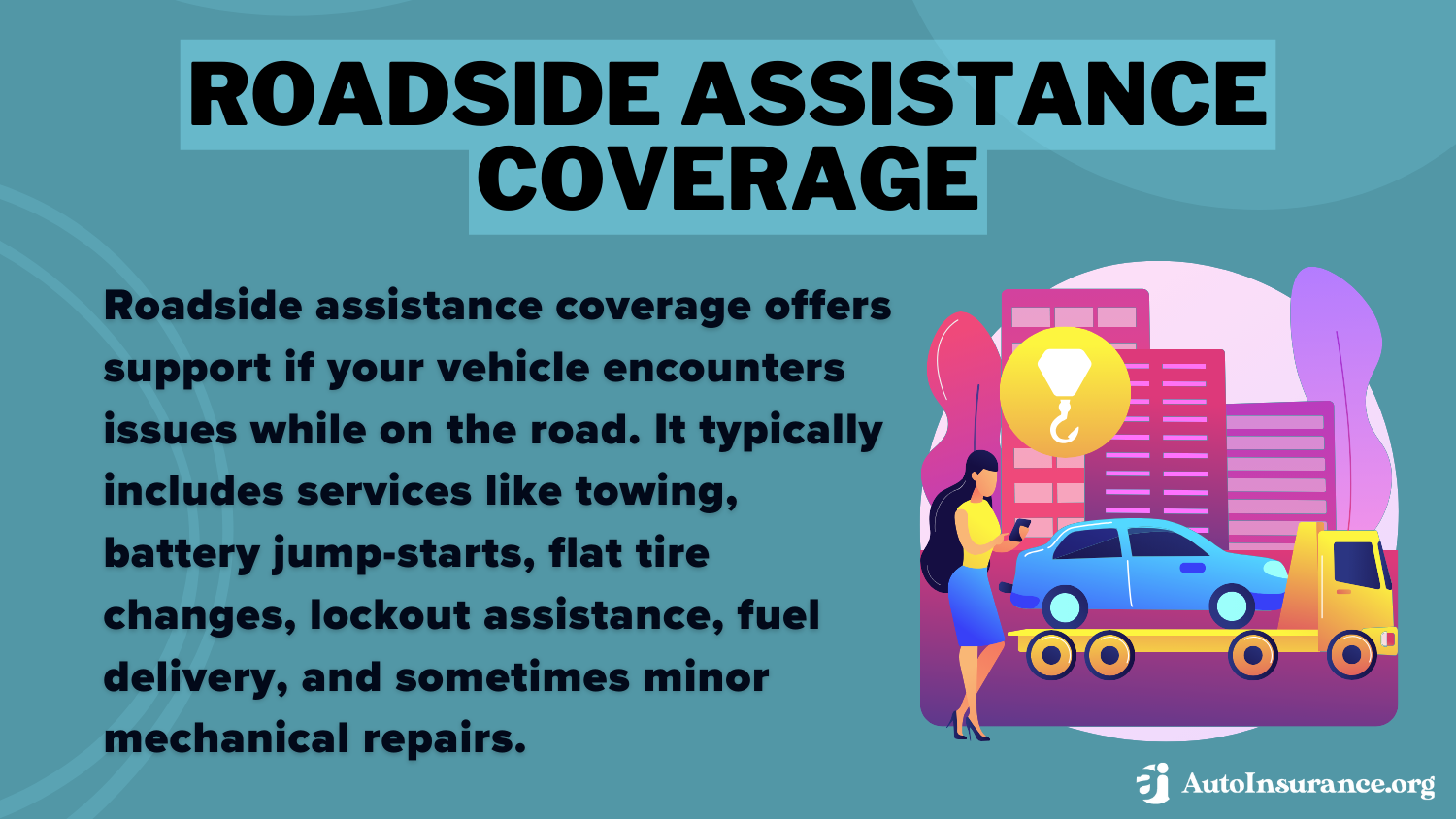
For eligible premium cardholders, Premium Roadside Assistance provides dispatch services for common roadside emergencies. Services typically include:
- Towing to the nearest repair facility (often up to a specified mileage limit).
- Jump-starting a dead battery.
- Changing a flat tire using a functional spare.
- Emergency fuel delivery (you pay for the cost of the fuel).
- Lockout assistance if keys are locked inside the vehicle.
While standard dispatch is coordinated through the service, cardholders are generally responsible for the actual costs of parts, fuel, or specialized towing distances exceeding the program limits, unless covered by a separate tier or promotional benefit.
Steps to File an Amex Auto Rental Claim
If you experience an accident, theft, or damage while utilizing American Express rental protection, acting quickly and methodically ensures a smooth claims process.
- Notify Authorities and the Rental Company: Immediately report any accident or theft to local law enforcement and secure a police report. Inform the rental company of the incident according to their contractual guidelines.
- Decline the Rental Agency CDW: Ensure you formally declined the rental company’s Collision Damage Waiver at the counter when you picked up the vehicle, as paying for their waiver can invalidate your credit card protection.
- Initiate the Claim with American Express: Access the American Express online claims portal or call the customer service number on the back of your card as soon as possible. Claims must typically be initiated within a strict window (often 30 to 60 days from the incident).
- Gather Documentation: Prepare to submit comprehensive documentation, including:
- The original rental agreement.
- The police report.
- The repair estimate or itemized repair bill from the rental company.
- A copy of the credit card statement showing the rental transaction.
- Your personal auto insurance declaration page and claim denial letter (if filing through secondary coverage).
- Aline Communication: Keep records of all correspondence between the rental car company, your personal auto insurance provider, and American Express adjusters until the claim is fully resolved.
Common Pitfalls and Mistakes to Avoid
Navigating credit card protection requires attention to detail. Cardholders frequently encounter issues due to avoidable oversights:
- Failing to Decline the Agency CDW: If you accept the rental company's physical damage waiver, your American Express coverage becomes entirely redundant, and you forfeit the cost of the agency's waiver without utilizing your card benefits.
- Exceeding Rental Duration Limits: Most policies cover rentals up to 30 consecutive days. If your rental stretches to 31 days or longer, the entire rental period may lose coverage.
- Using an Ineligible Payment Method: The entire rental transaction—from reservation to final drop-off—must be charged to the eligible American Express card. Splitting payments across different cards or using cash/points for a portion of the fee can invalidate the protection.
- Assuming Liability Coverage: Failing to purchase supplemental liability insurance from the rental company or lacking a personal auto policy leaves you exposed to lawsuits if you cause an accident involving other vehicles.
Frequently Asked Questions
Does American Express offer standard auto insurance for my personal car?
No. American Express does not underwrite standard personal auto insurance policies for vehicles you own and park at your residence. Their automotive protection plans are restricted to short-term rental car damage waivers and roadside assistance frameworks.
What is the difference between standard card coverage and Premium Car Rental Protection?
Standard card coverage is secondary, meaning it only pays out after your personal auto insurance policy covers an incident, though it may reimburse your deductible. Premium Car Rental Protection is an optional, flat-fee-per-rental program that acts as primary coverage, shielding your personal insurance rates from increasing after a claim.
Does Amex auto rental coverage include liability insurance?
No. American Express protection covers physical damage or theft of the rental vehicle itself. It does not cover injuries to other people, damage to other cars, or property damage you cause while driving the rental.
Can I use my Amex rental protection in any country?
No. While coverage is available in the United States and many foreign countries, several nations are excluded due to high risk or contractual limitations. You should review the specific country exclusion list on the American Express website before traveling internationally.
How long can I rent a car and still maintain Amex coverage?
Most American Express car rental protection plans limit coverage to consecutive rental periods of 30 days (or up to 42 days for certain premium tiers). Rentals exceeding this timeframe lose coverage for the entire duration.
Conclusion and Next Actions
While American Express does not replace traditional personal auto insurance for daily driving, its credit card rental protections and roadside assistance benefits offer significant value for travelers. Before your next trip, review your card’s specific terms, evaluate whether you need secondary reimbursement or primary enrollment via Premium Car Rental Protection, and always ensure you decline the rental counter's collision waiver to activate your card benefits successfully.