As of 2026, American Apparel is no longer exclusively made in the USA. While the brand maintains a specific "Made in USA" collection, the vast majority of its current inventory is manufactured in Gildan Activewear’s global facilities, primarily located in Central America. To ensure a garment is domestically produced, consumers must specifically check for the "Made in USA" label.
The Evolution of American Apparel's Manufacturing Identity
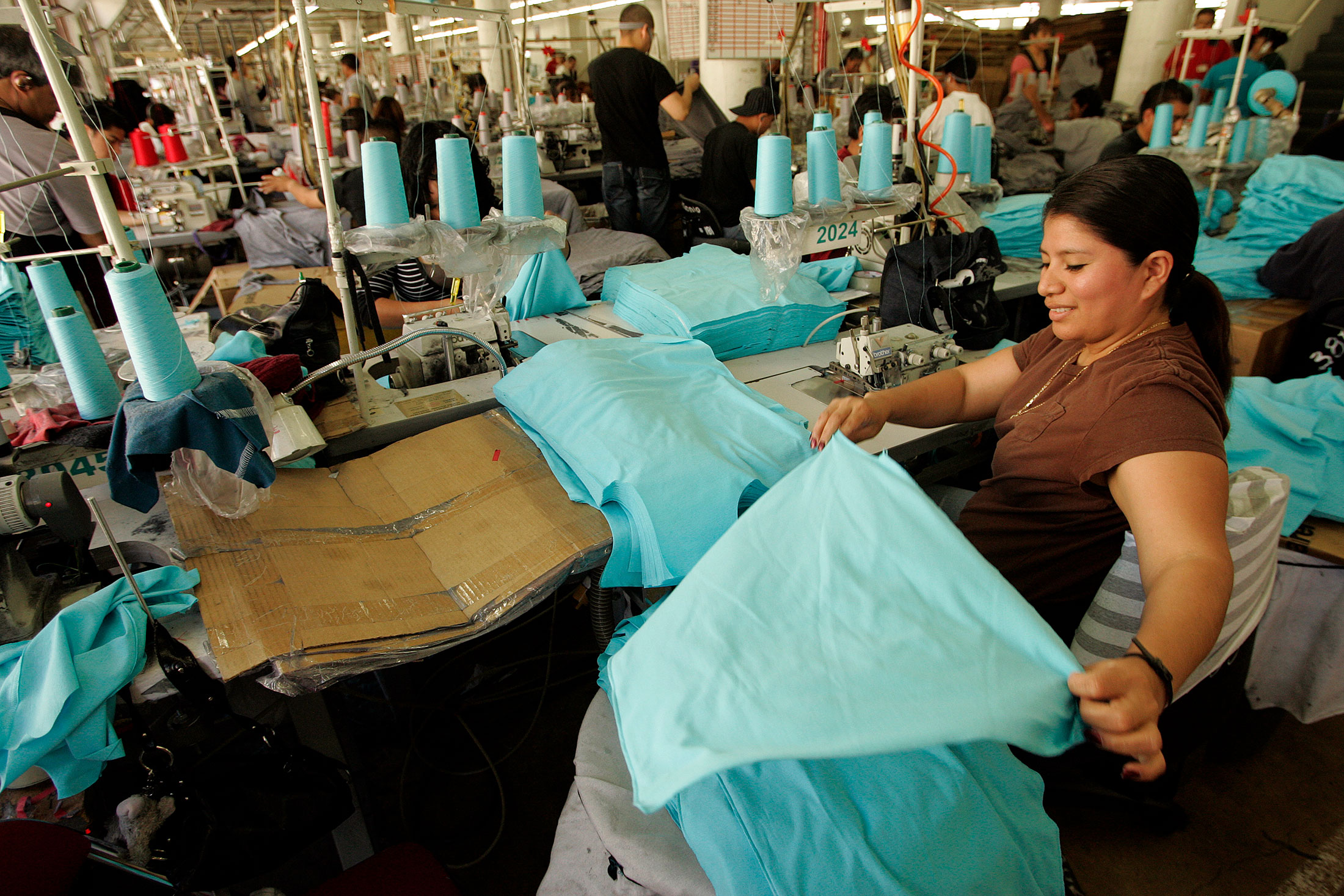
The question of whether American Apparel is made in the USA is more complex today than it was during the brand's iconic rise in the early 2000s. To understand the current status of the brand in 2026, one must look back at the dramatic shift in its business model following its acquisition by Gildan Activewear in 2017. For decades, American Apparel was synonymous with "Made in Downtown LA," operating the largest garment factory in the United States. This vertical integration was not just a manufacturing choice; it was the core of the brand’s marketing and identity.
Under its original founder, Dov Charney, the company championed a "sweatshop-free" philosophy that paid workers significantly higher wages than the industry average and provided onsite healthcare. However, financial instability, legal challenges, and two bankruptcy filings eventually led to the sale of the brand's intellectual property to Gildan, a Canadian apparel giant. This acquisition marked the end of the 100% domestic manufacturing era for American Apparel, as Gildan integrated the brand into its existing global supply chain.
By 2026, the brand exists as a hybrid entity. It functions primarily as a wholesale powerhouse for the "print-wear" industry while maintaining a direct-to-consumer e-commerce presence. While the name "American Apparel" remains, the "Made in USA" claim has transitioned from a universal brand standard to a specialized product line.
Where is American Apparel Manufactured in 2026?
In the current market, American Apparel products come from several different regions depending on the specific item and its intended market. Gildan Activewear operates a massive, highly efficient manufacturing hub in the Caribbean Basin, which serves as the primary source for the brand’s high-volume items.
The Global Supply Chain
The majority of American Apparel t-shirts, hoodies, and leggings sold today are manufactured in Honduras and Nicaragua. Gildan owns and operates large-scale textile mills and sewing facilities in these regions. The company utilizes a "vertically integrated" model similar to the original American Apparel, but on a global scale. This means they control the process from spinning the yarn to knitting the fabric and sewing the final garment, which allows them to maintain quality control while keeping costs competitive with other global brands.
The Domestic "Made in USA" Collection
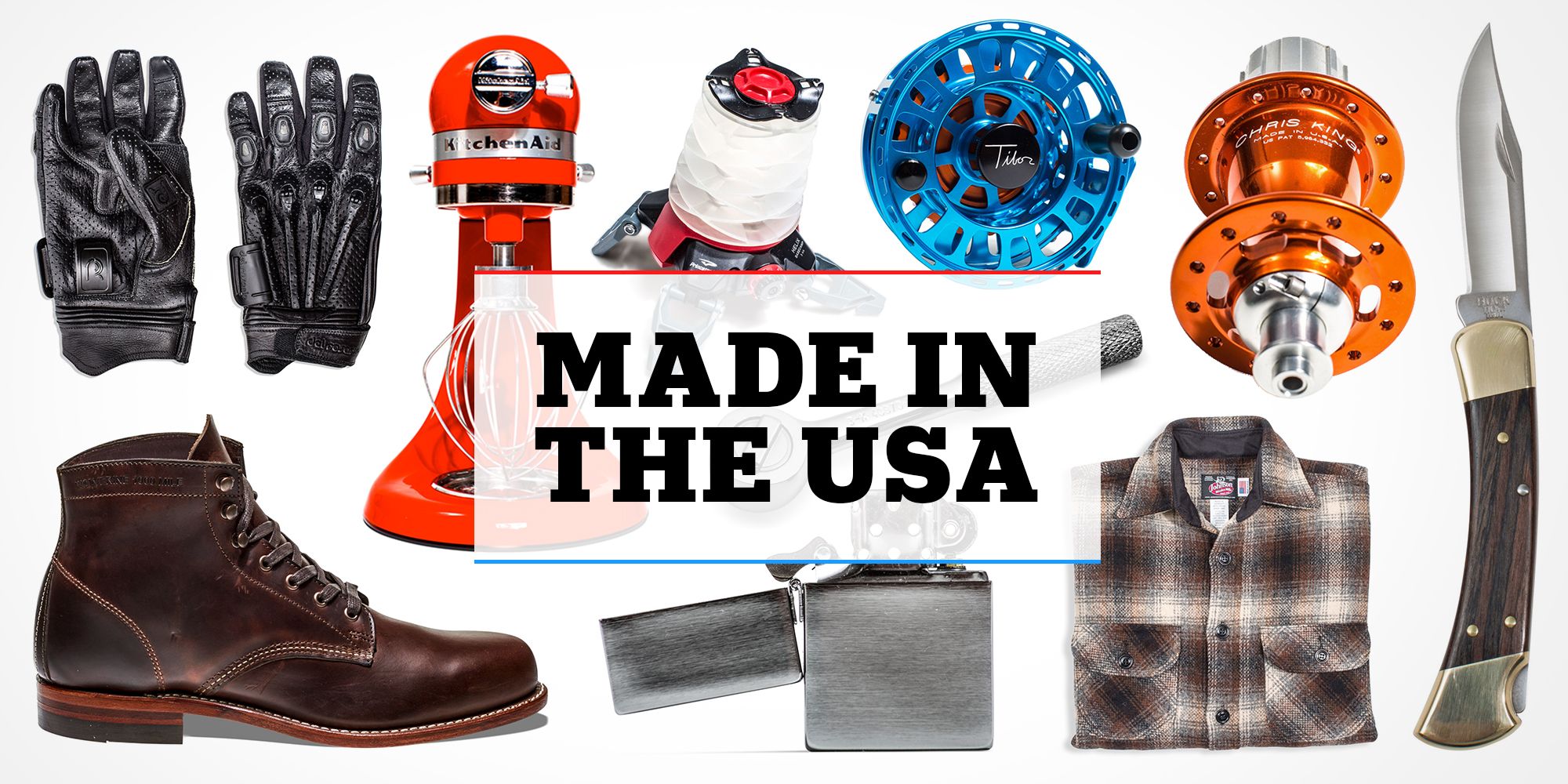
Recognizing that a significant portion of its loyal customer base—and the high-end promotional market—still demands domestically produced goods, Gildan continues to produce a select range of "Made in the USA" items. These products are typically manufactured by third-party contractors in the United States, often in Southern California, to maintain the aesthetic and feel of the original 2000s-era garments. These items are clearly marketed with a "Made in USA" tag and usually command a higher price point than their globally sourced counterparts.
Understanding the "Globally Sourced" Label
When browsing American Apparel products in 2026, you will frequently encounter the term "Globally Sourced." This is a strategic phrasing used by the brand to indicate that the garment was manufactured outside of the United States. In the garment industry, this often refers to a multi-national journey: cotton might be grown in the U.S., spun into yarn in a different country, and finally sewn in a third country.
For American Apparel, "Globally Sourced" specifically means the sewing and finishing occurred in Gildan-owned factories in Central America. It is important for consumers to distinguish between "Ethically Made" and "Made in the USA." American Apparel markets its global production as "sweatshop-free" and "ethically made," citing Gildan’s "Genuine Responsibility" program, which includes environmental and social governance (ESG) standards. While these garments meet high corporate social responsibility marks, they do not carry the "Made in USA" designation.
How to Verify Where Your American Apparel is Made
Because the brand uses the same styles (such as the 2001 Fine Jersey Tee) for both its domestic and global lines, verification requires looking at the physical or digital labels.
Checking the Physical Tag
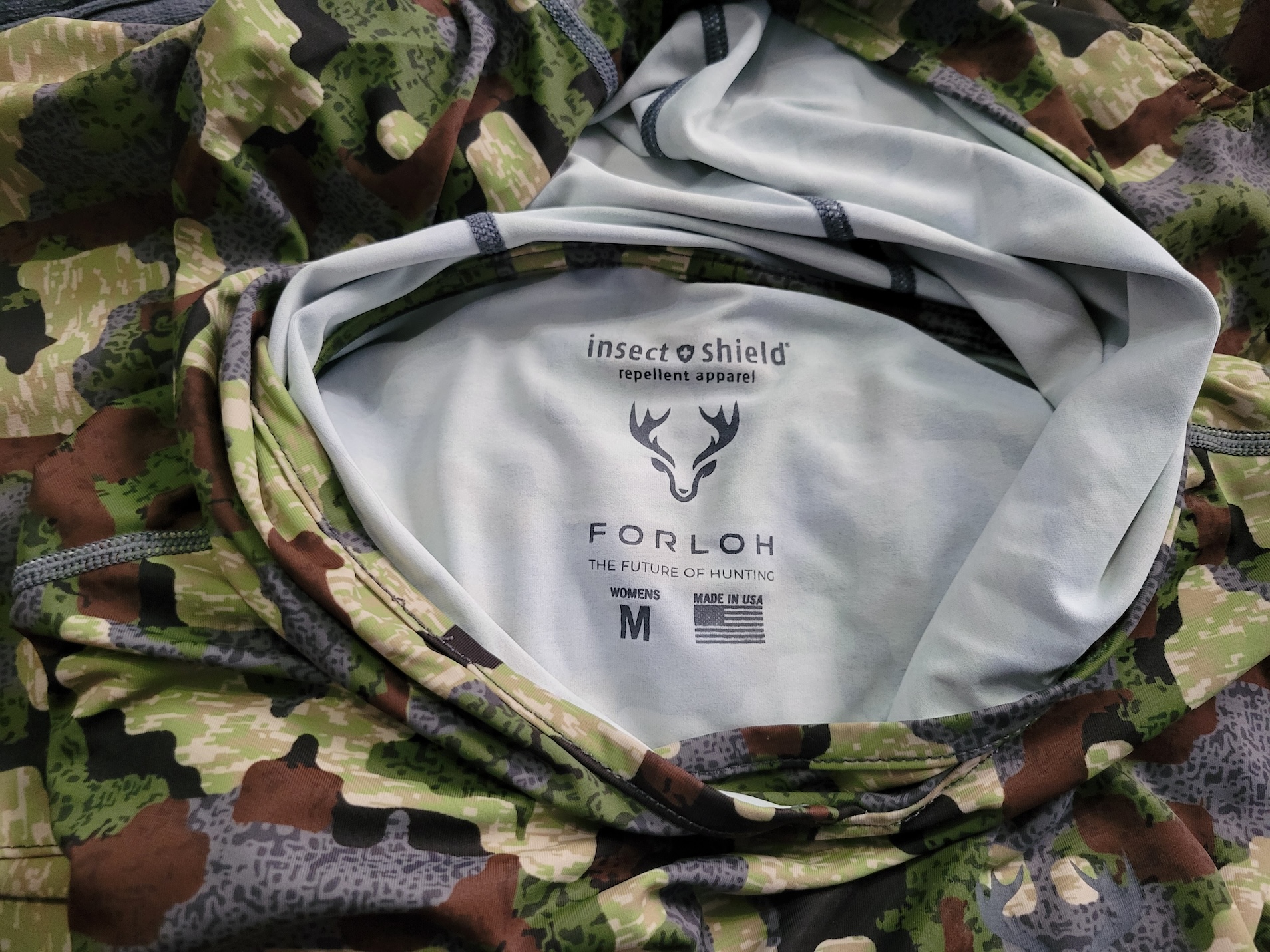
The Federal Trade Commission (FTC) requires that all textile products sold in the United States clearly state the country of origin. On a modern American Apparel garment, the tag will explicitly state "Made in Honduras," "Made in Nicaragua," or "Made in USA." If the tag simply says "Designed in Los Angeles," it is almost certainly manufactured abroad.
Online Product Descriptions
When purchasing through the official website or wholesale distributors, look for a specific "Country of Origin" or "Made in USA" filter. In 2026, the website usually separates these categories to prevent consumer confusion. If a product description mentions "Imported" or "Globally Sourced," it is not made in the USA.
The Distinction Between Wholesale and Retail
It is worth noting that the wholesale market (blanks bought for screen printing) has a higher volume of "Globally Sourced" items than the boutique retail market. If you are buying a band t-shirt or a corporate giveaway printed on an American Apparel blank, there is a high probability it was manufactured in Central America unless the organization specifically paid the premium for the USA-made blank.
Comparison: Original vs. Current American Apparel Manufacturing
To better understand the shift, the following table compares the manufacturing standards of the original brand versus the 2026 Gildan-owned version.
| Feature | Original American Apparel (Pre-2017) | Modern American Apparel (2026) |
|---|---|---|
| Primary Factory Location | Downtown Los Angeles, California | Honduras and Nicaragua |
| Manufacturing Model | Vertically Integrated (Single City) | Vertically Integrated (Global Hubs) |
| "Made in USA" Status | 100% of garments | Select collection only |
| Labor Cost Structure | High (California minimum wage+) | Competitive (Global market rates) |
| Price Point | Premium | Mid-range (Global) / Premium (USA) |
| E-commerce/Retail | High-street brick & mortar focus | Wholesale & E-commerce focus |
| Sustainability Claims | Organic lines, low waste | Gildan "Genuine Responsibility" ESG |
Why the Manufacturing Location Changed
The transition away from 100% U.S. manufacturing was a matter of economic survival for the brand. The original "Made in USA" model faced significant headwinds that eventually became unsustainable.
- Labor Costs: California’s rising minimum wage and strict labor regulations made it difficult for a mass-market brand to compete with fast-fashion giants manufacturing in low-cost regions.
- Debt and Management: Years of aggressive expansion and legal battles left the company with massive debt, making the expensive domestic manufacturing model a liability during bankruptcy proceedings.
- Scale and Efficiency: Gildan’s global infrastructure allows for a level of scale that is physically impossible in a downtown Los Angeles factory. By moving the bulk of production to Central America, the brand could lower its prices and recapture the wholesale market share it had lost to cheaper competitors.
While the move disappointed enthusiasts of domestic manufacturing, it allowed the "American Apparel" brand name and its specific fit/style signatures to survive into 2026, rather than disappearing entirely.
Ethical Standards in the Post-LA Era
A common concern for consumers who prioritized the original "Made in USA" American Apparel was the treatment of workers. The original brand used "Made in USA" as a proxy for fair labor. In 2026, the brand addresses this through Gildan's corporate transparency initiatives.
Gildan is a member of the Fair Labor Association (FLA) and its factories are often WRAP-certified (Worldwide Responsible Accredited Production). This means that while the clothes are made in developing nations, the facilities are subject to third-party audits regarding safety, child labor, and working hours. For many consumers, this "Ethically Made" global production is an acceptable middle ground, while for others, the lack of domestic jobs remains a dealbreaker.
Alternatives for 100% Made in USA Apparel
If "Made in the USA" is your primary requirement and the current American Apparel offerings do not satisfy your needs, several brands have stepped in to fill the void left by the original company's pivot.
- Los Angeles Apparel: Founded by Dov Charney after his departure from American Apparel, this company effectively mimics the original vertical integration model in Los Angeles. It is 100% made in the USA and employs many of the original AA garment workers.
- Royal Apparel: A long-standing domestic manufacturer that offers a wide range of organic and USA-made blanks.
- Bayside: Known for heavy-duty domestic workwear and basic tees, Bayside remains a staple for those seeking "Union Made" and "USA Made" certifications.
- Everybody.World: A newer player in the LA scene that focuses on ecological sustainability and domestic labor, using recycled cotton and fair-wage models.
Frequently Asked Questions
Is the quality of American Apparel still the same in 2026?
The quality is consistent but often feels different. The "Made in USA" collection uses the original specifications and heavier weight fabrics. The "Globally Sourced" items are engineered for high-volume wholesale, which sometimes results in a softer, slightly thinner feel compared to the "beefy" vintage shirts of the mid-2000s. However, Gildan has maintained the specific "fashion fit" (side-seamed, slimmer cut) that made the brand famous.
Why does my shirt say "Made in Honduras" if it's American Apparel?
Because Gildan Activewear, the parent company, manufactures the majority of American Apparel's inventory in their Central American facilities. Since 2017, the brand has used a global manufacturing model for its standard lines to remain price-competitive.
Are all American Apparel clothes sweatshop-free?
Yes, according to the brand's current standards. Gildan operates under strict social compliance programs and third-party certifications like WRAP and the Fair Labor Association. While the definition of "sweatshop-free" can vary between consumers and corporations, the brand maintains rigorous oversight of its global factories.
Can I still buy the original 2001 Fine Jersey Tee made in the USA?
Yes, but you must specifically look for the "2001USA" style code or the "Made in USA" section on the website. The standard "2001" style is now typically globally sourced.
Does American Apparel still have retail stores?
As of 2026, American Apparel operates primarily as an online retailer and a wholesale supplier. Most of the iconic brick-and-mortar stores were closed during the bankruptcy and acquisition process in 2017. The brand's presence today is felt more in digital spaces and as the base garment for merchandise.
Practical Recommendation for Consumers
If you are looking for the classic "Made in USA" American Apparel experience in 2026, the best course of action is to filter specifically for the domestic collection on their official website or through premium wholesale catalogs. Do not assume that the brand name alone guarantees U.S. manufacturing. For those who want to support the original ethos of the brand—100% domestic production and vertical integration—brands like Los Angeles Apparel serve as the more direct spiritual successor to the original 1989-2016 American Apparel model. Always verify the "Country of Origin" in the product specifications before finalizing a purchase to ensure the item aligns with your manufacturing preferences.