Advanced Micro Devices (AMD) stock represents a significant stake in the global semiconductor landscape, functioning as a primary challenger to industry incumbents in both the central processing unit (CPU) and graphics processing unit (GPU) sectors. Investors considering AMD must evaluate its competitive positioning in high-performance computing, data center expansion, and artificial intelligence infrastructure, while carefully weighing the inherent volatility associated with the cyclical nature of the chip industry.
Understanding AMD’s Market Position in 2026
To understand the trajectory of AMD stock, one must first identify its operational dualities. Unlike "fabless" companies that rely entirely on third-party manufacturing, AMD operates through a strategic partnership model with foundries, most notably TSMC. This allows the firm to focus its capital expenditure on research, development, and architectural design rather than the multi-billion-dollar cost of maintaining physical fabrication plants.
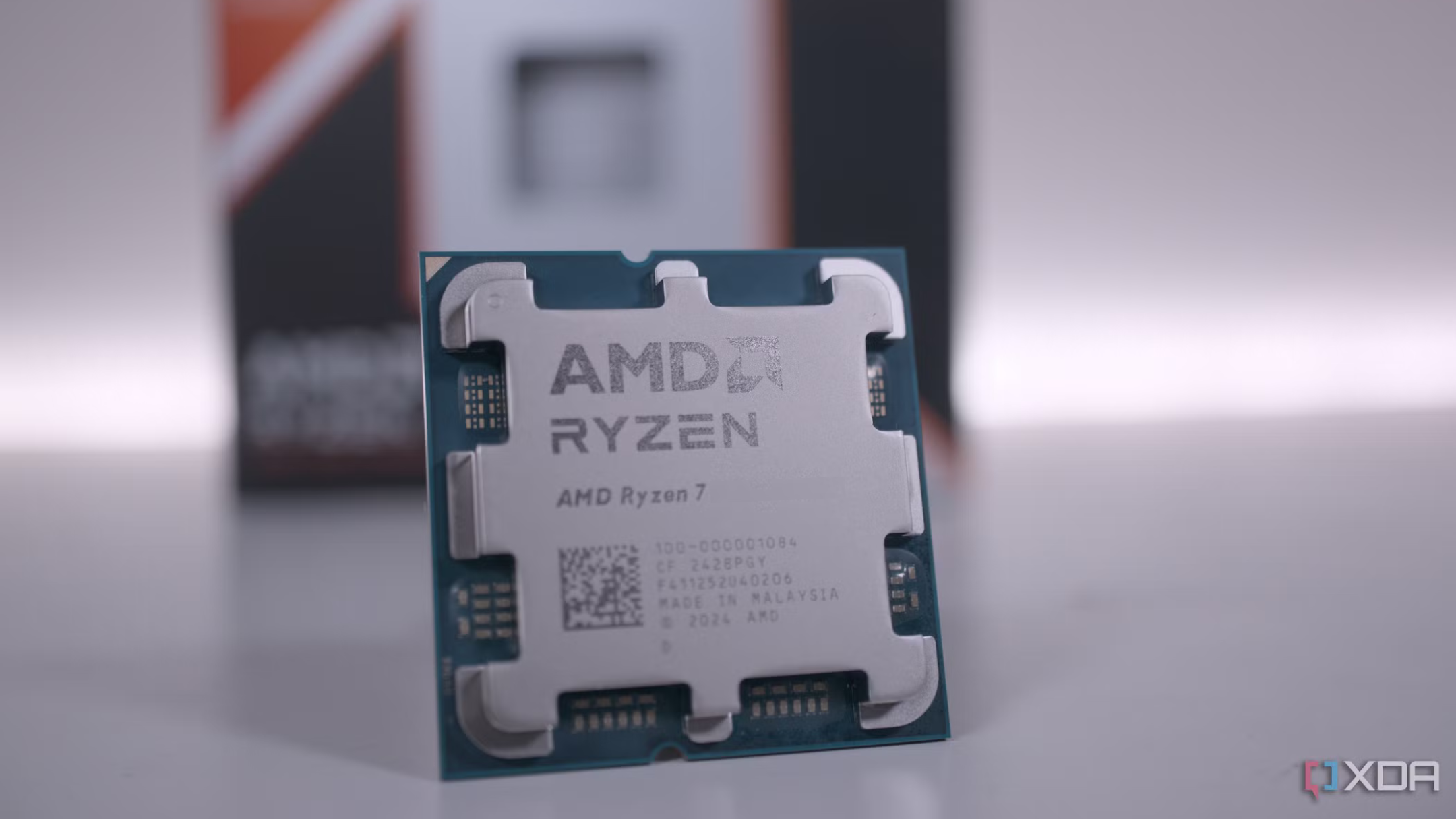
As of 2026, AMD’s portfolio is defined by the EPYC processor line for enterprise and cloud data centers, and the Ryzen series for consumer PCs and workstations. The company’s ability to capture market share from its primary rival, Intel, has been the primary engine for its valuation over the last decade. Furthermore, the expansion into the Instinct GPU series for AI workloads has positioned the company as a key beneficiary of the global shift toward generative AI and large-language model training.
Analyzing the Fundamental Drivers of AMD Stock
Investment analysis for a technology company of this size requires looking beyond simple price charts. Several fundamental metrics dictate how AMD is perceived by institutional investors and analysts.
Data Center Dominance
The data center segment has transitioned from a secondary revenue stream to a core pillar of AMD’s financial health. The shift toward cloud computing requires processors that balance high core counts with power efficiency—a metric where AMD’s "Zen" microarchitecture has consistently demonstrated competitive advantages. When assessing the stock, look closely at quarterly reports regarding the "Data Center" segment revenue, as this is where high-margin enterprise contracts are solidified.
GPU and Artificial Intelligence Growth
While competitors may dominate the market share for AI-specific accelerators, AMD’s strategy involves providing a scalable alternative for enterprise AI deployment. Investors should pay attention to software ecosystem maturity. Hardware power is only as effective as the software stack—in this case, ROCm—that allows developers to run their code efficiently. Success in this area is a leading indicator of long-term sustainability in the AI hardware market.
Gross Margin Trends
Semiconductor manufacturing costs are sensitive to supply chain fluctuations. Gross margin expansion is the clearest signal of pricing power. If AMD can maintain or increase margins despite the rising cost of advanced node manufacturing (such as 3nm or 2nm processes), it suggests strong demand for their premium chip offerings and effective inventory management.
Risk Factors and Market Volatility
Investing in AMD stock requires an acknowledgment of specific industry-wide risks that are beyond the company’s direct control.
- Geopolitical Supply Chain Risk: Because AMD relies heavily on overseas manufacturing—primarily in Taiwan—any regional instability or trade policy shift can create an immediate, negative impact on investor sentiment and physical production capabilities.
- Cyclicality of Consumer Demand: The consumer PC market often experiences "boom and bust" cycles. Periods of high demand, such as remote-work spikes, are often followed by years of slower refresh cycles. Diversification into enterprise and AI markets is designed to hedge against these consumer lulls, but the stock remains sensitive to global economic downturns.
- Capital Intensity: Developing next-generation silicon requires billions of dollars in R&D annually. Should revenue growth stall, the burden of these costs can compress net income, leading to downward pressure on the share price.
Comparative Framework: AMD vs. Industry Peers
Investors often evaluate AMD alongside other major technology players to determine relative value. The following table highlights the key areas of focus when comparing AMD to the broader semiconductor ecosystem.
| Metric | AMD Focus Area | Why It Matters |
|---|---|---|
| Architectural Efficiency | x86 High-Performance | Determines competitive edge against Intel. |
| AI Scalability | Instinct Series | Key metric for future growth beyond traditional CPUs. |
| Supply Chain Model | Fabless (TSMC) | Impacts agility and capital efficiency. |
| Customer Base | Cloud Providers/OEMs | Provides recurring revenue vs. one-off sales. |
| Market Diversification | Gaming, Embedded, Data Center | Determines sensitivity to specific market dips. |
How to Monitor AMD Performance
If you are tracking AMD for potential investment, you should avoid reacting to daily "noise." Instead, focus on the structured reporting cycle.
Earnings Calls and Guidance
The most important information regarding AMD stock comes directly from the quarterly earnings calls. Management provides "guidance" for the following quarter. When a company misses these internal expectations, the stock price frequently experiences significant volatility. Read the transcripts provided in the "Investor Relations" section of the official AMD website, rather than relying solely on summarized news headlines, which may lack critical context.
The Role of Regulatory Filings
Quarterly (10-Q) and annual (10-K) reports filed with the Securities and Exchange Commission (SEC) provide the objective reality of the company's financial health. These documents contain "Risk Factors" sections that are updated regularly to reflect new challenges, such as legal hurdles, changes in export controls, or shifts in customer concentration.
Analyst Consensus
While you should never base an investment decision solely on brokerage ratings, observing the consensus of major analysts can provide insight into how the professional market views the company’s valuation. Look for consistency in price targets and earnings estimates over consecutive quarters rather than individual outliers.
Navigating the Technical Landscape
Technical analysis, or the study of price patterns, is often used alongside fundamental analysis to time entries. However, keep in mind that for a stock like AMD, macroeconomic interest rate environments and general market "risk-on/risk-off" sentiment often outweigh purely technical signals. In a high-interest-rate environment, growth stocks like AMD may see increased downward pressure as investors rotate into more defensive, income-generating assets. Conversely, when rates stabilize or decrease, the potential for expansion in high-growth technology sectors often increases.
Important Considerations for Personal Finance
Investing in individual stocks involves inherent risk. Before committing capital to AMD or any specific equity, consider the following:
- Portfolio Allocation: Avoid over-concentration. AMD is a growth stock; holding too much of it can increase the volatility of your total investment portfolio.
- Investment Horizon: Are you looking for a short-term trade or a long-term position? Technology stocks are rarely suitable for short-term speculation unless you have a high risk tolerance and the ability to monitor market developments constantly.
- Professional Consultation: This information is for educational purposes and does not constitute financial, tax, or investment advice. Always consult with a licensed financial advisor who understands your personal financial situation, risk tolerance, and long-term goals before executing trades in the stock market.
Frequently Asked Questions
Is AMD considered a growth or value stock?
AMD is primarily classified as a growth stock. Its valuation is largely driven by its projected future earnings and its ability to capture market share from competitors in the CPU and GPU spaces. Unlike value stocks, which often pay steady dividends and are priced based on current assets, AMD’s share price often reflects expectations of rapid future expansion in data center and AI sectors.
How do supply chain issues affect AMD stock?
Because AMD is a fabless semiconductor company, it does not own the facilities that manufacture its chips. It relies on foundries like TSMC to produce its designs. Any disruption at these manufacturing sites—due to natural disasters, capacity constraints, or geopolitical events—directly limits AMD's ability to fulfill orders, which can lead to missed revenue targets and investor concern.
What is the significance of the x86 architecture?
The x86 architecture is the dominant instruction set for PCs and servers. AMD holds a cross-licensing agreement that allows it to produce these chips alongside Intel. This is a critical moat for the company; because most existing enterprise software is written to run on the x86 platform, AMD’s ability to provide high-performance chips that are compatible with this ecosystem is fundamental to its success in the server market.
Does AMD pay dividends?
As of 2026, AMD does not pay a regular cash dividend to its shareholders. The company’s policy is to reinvest its free cash flow into research and development, strategic acquisitions, and manufacturing capacity to fuel growth. Investors generally buy AMD for the potential of capital appreciation rather than income generation.
Why does the stock price drop when AI news is good?
This phenomenon is often described as "selling the news." If the market has already "priced in" positive expectations regarding AI growth, the actual announcement might not meet the high bar set by investors. Additionally, high-growth tech stocks are susceptible to profit-taking, where institutional investors sell portions of their position to lock in gains after a rapid price increase, contributing to short-term volatility.
Recommended Next Actions
If you are serious about evaluating AMD as an investment, begin by reviewing the most recent 10-Q filing on the company's official Investor Relations portal. Compare the "Management's Discussion and Analysis" (MD&A) section against the previous quarter’s report to see how the company’s outlook has shifted. If you decide to proceed, utilize dollar-cost averaging to enter your position, which helps mitigate the impact of short-term price volatility in the semiconductor sector.