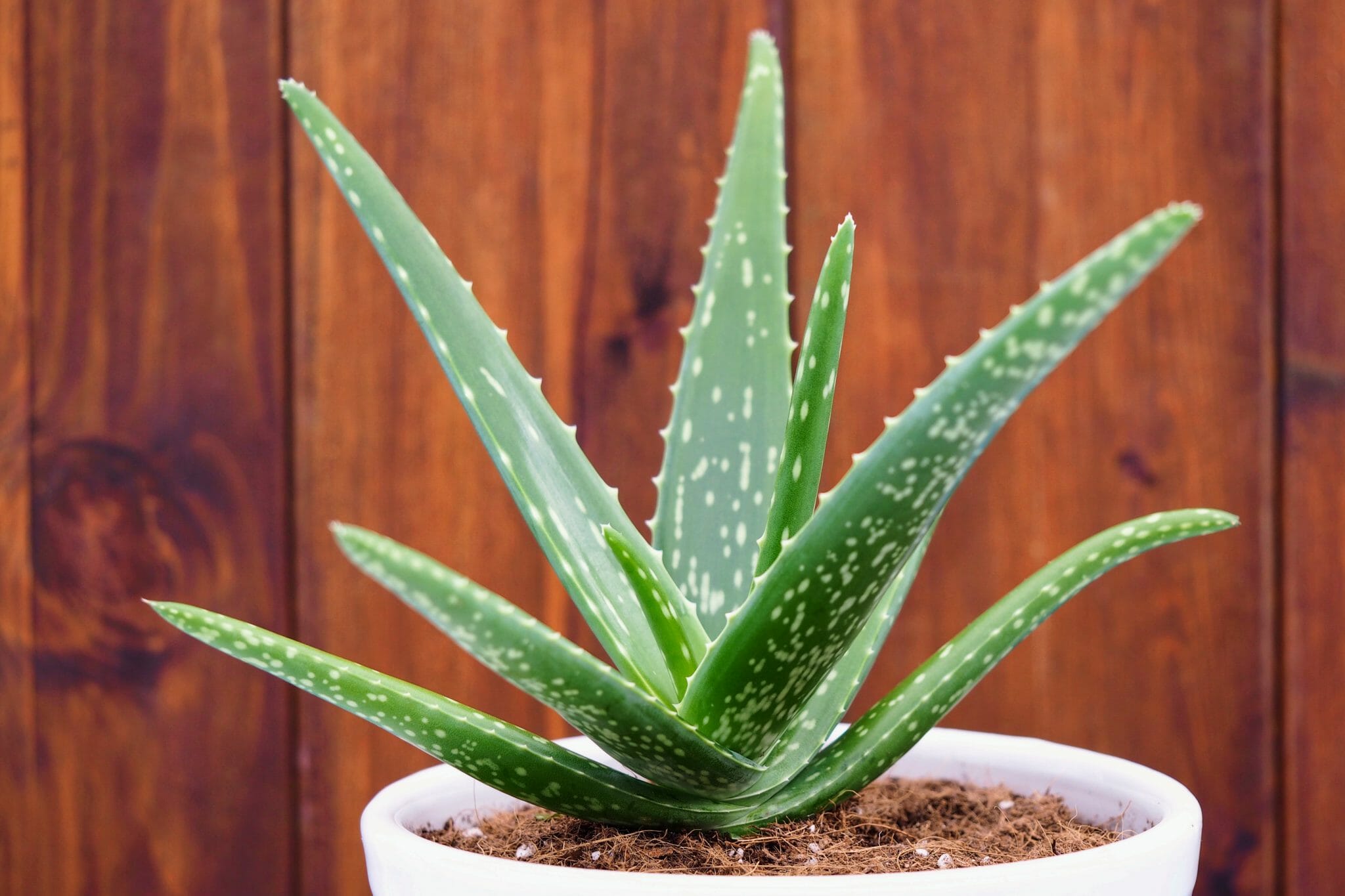
While aloe vera is widely recognized for its soothing properties on skin irritation and minor burns, it is not a medically recognized cure for a scabies infestation. Scabies is a parasitic condition caused by the microscopic mite Sarcoptes scabiei, which burrows into the upper layer of the skin. Aloe vera may provide temporary relief for the intense itching associated with the condition, but it cannot penetrate the skin to kill the mites or eliminate their eggs, which is the only way to resolve the infection.
Understanding the Nature of Scabies
Scabies is a skin condition that requires specific medical intervention. Unlike superficial skin irritations or rashes caused by environmental allergens, scabies is an infestation. The female mite tunnels into the epidermis, where she lays eggs. As these eggs hatch and the life cycle of the mite continues, the host immune system reacts, typically causing a severe, persistent itch that is often worse at night.
Because the mites live under the skin, they are shielded from most topical home remedies. If you suspect you have scabies—indicated by intense itching, a pimple-like rash, and small, thin, wavy burrows on the skin—it is essential to consult a healthcare provider for a formal diagnosis. Medical professionals typically use a dermatoscope or a skin scraping test to confirm the presence of mites. Relying on home remedies as a primary treatment often leads to the mites spreading to other household members and the condition worsening over time.
The Role of Aloe Vera in Dermatological Care
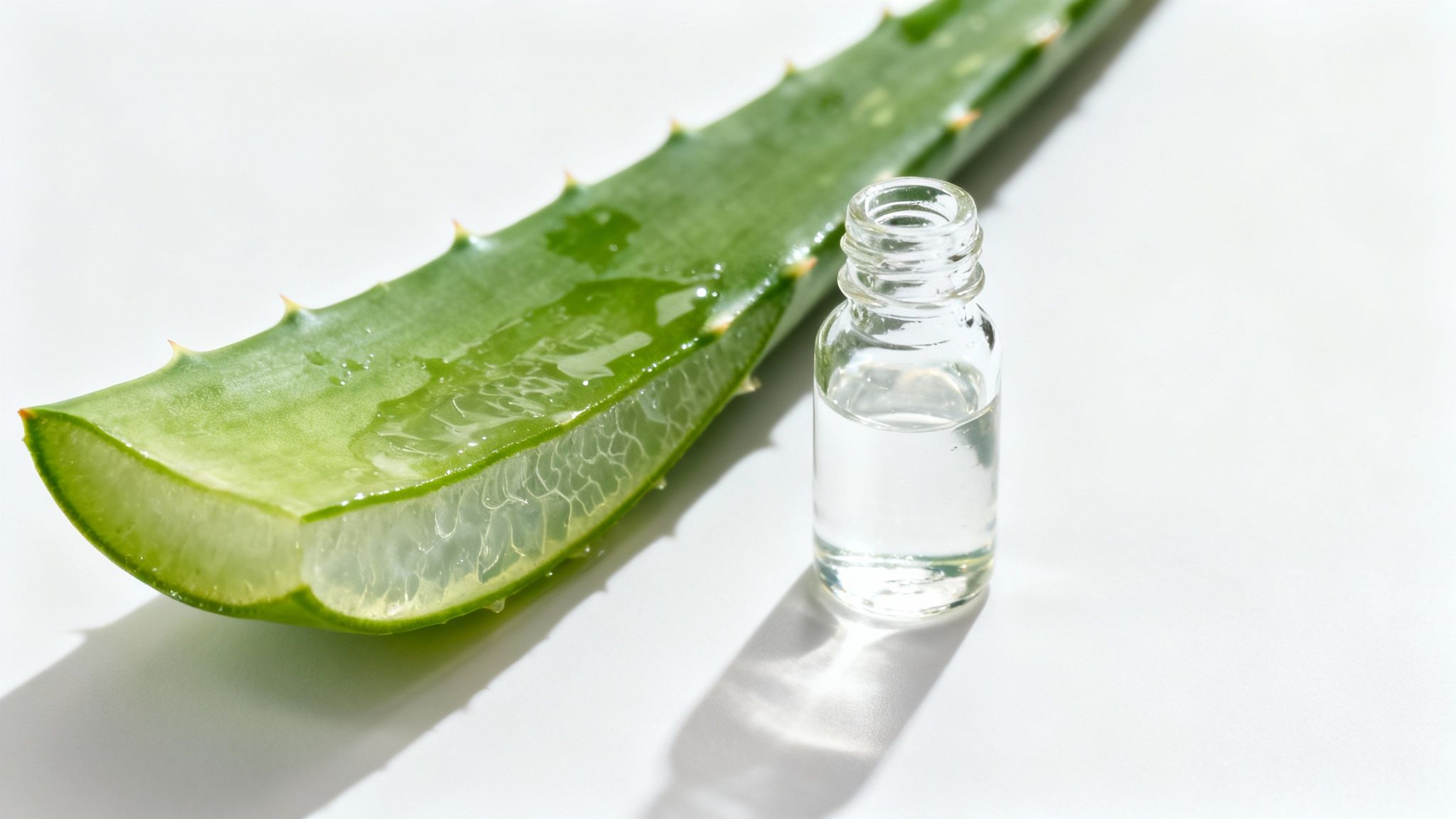
Aloe vera (Aloe barbadensis miller) is a succulent plant known for its gel, which contains water, vitamins, enzymes, minerals, and fatty acids. It is frequently used in dermatology for its anti-inflammatory and cooling properties. In the context of various skin conditions, it serves as a supportive measure rather than a curative agent.
When applied to skin affected by scabies, high-quality aloe vera gel can:
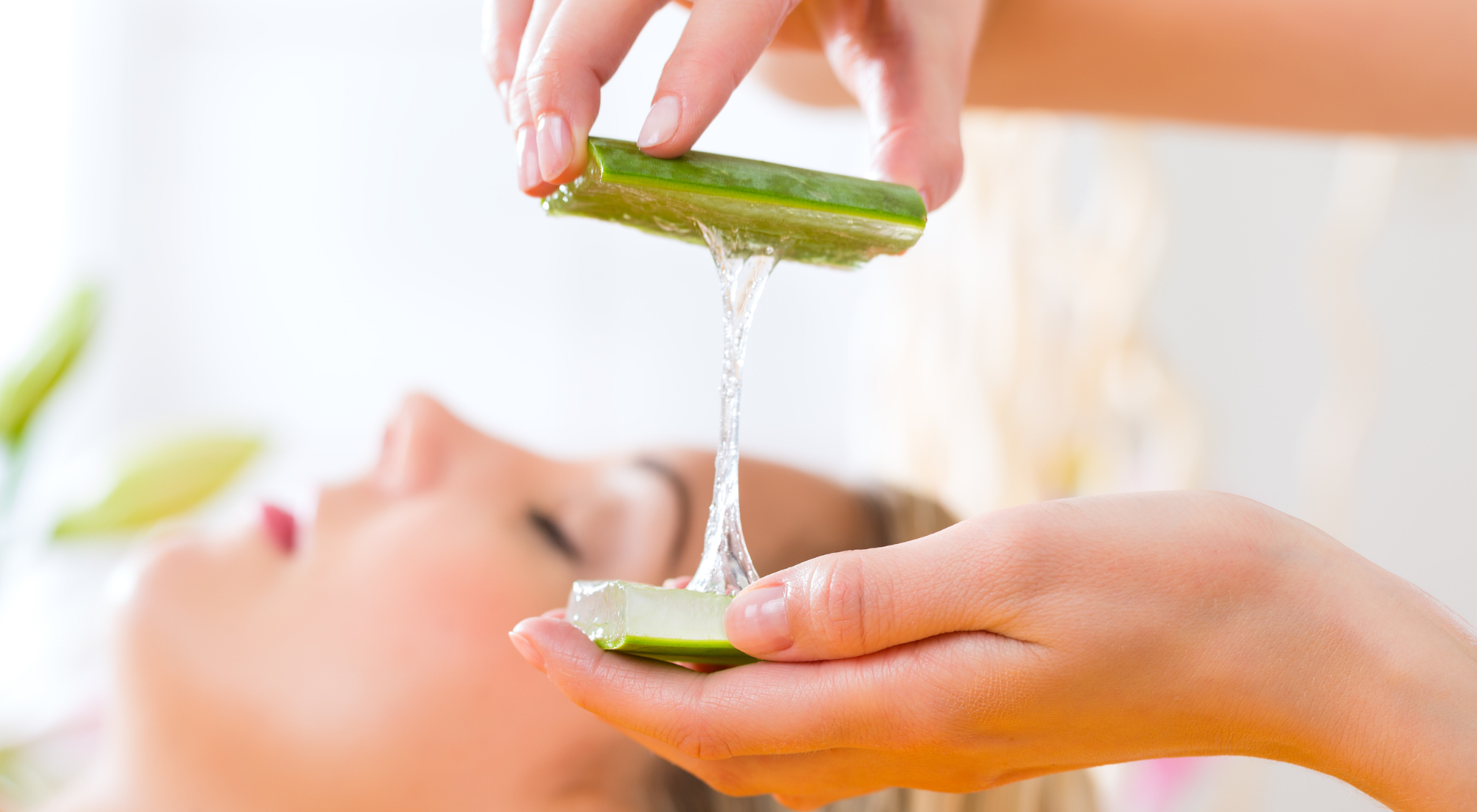
- Provide a Cooling Effect: The physical properties of the gel can distract the nerve endings from the persistent itch of scabies, providing short-term relief.
- Hydrate Dry Skin: The intense scratching caused by scabies often leads to skin barrier damage and excessive dryness, which aloe can help moisturize.
- Reduce Secondary Irritation: By keeping the skin supple, it may help prevent the skin from cracking further due to the inflammatory response to the mite's waste products.
However, users must be aware that "soothing" is not "healing" when it comes to parasites. If the skin is broken or raw from excessive scratching, applying any topical substance, even natural ones, carries a risk of stinging or potential secondary bacterial infection.
Comparing Scabies Management Approaches
Effective management of scabies requires a clear distinction between medically validated treatments and supportive care. The following table illustrates the role of various approaches in the treatment of a scabies infestation.
| Intervention Type | Examples | Purpose | Effective for Curing Scabies? |
|---|---|---|---|
| Prescription Scabicide | Permethrin cream, Ivermectin | Eliminates mites and eggs | Yes |
| Oral Antihistamines | Cetirizine, Loratadine | Manages nocturnal itching | No (Symptom control only) |
| Topical Soothing Agents | Aloe vera, Calamine lotion | Provides temporary cooling | No (Symptom control only) |
| Environmental Hygiene | Washing bedding/clothing at 60°C | Prevents reinfection | Essential (Supportive) |
The Necessity of Prescription Treatment
To eradicate scabies, you must use a prescription-strength scabicide. The most common first-line treatment is a 5% permethrin cream, which is applied from the neck down and left on for a specified number of hours before washing. In some cases, or if the infestation is severe or resistant, a doctor may prescribe oral ivermectin.
These medications are designed to be toxic to the mites while remaining relatively safe for human use when applied according to strict clinical instructions. Attempting to substitute these with natural alternatives, including aloe vera or various essential oils, often results in treatment failure. Furthermore, if only one person in a household is treated while the environment remains contaminated, the cycle of infestation will continue indefinitely.
Environmental Cleanup: The Missing Piece
Treating the body is only one half of the process. Scabies mites can survive for several days away from human skin, typically in fabrics. If you are undergoing treatment, you must undertake a rigorous cleaning process to ensure success.
- Laundering: All clothing, bedding, and towels used by the infected person within the previous three days must be washed in hot water (at least 60°C or 140°F) and dried on a high-heat cycle.
- Sealing: Items that cannot be washed, such as delicate garments or stuffed toys, should be placed in sealed plastic bags for at least seven days. The mites will die without a human host to feed on during this period.
- Vacuuming: Vacuum all carpets and fabric-covered furniture. Dispose of the vacuum cleaner bag or empty the canister immediately after use.
Risks of Relying on Unproven Remedies
The danger of relying on aloe vera or other unverified home treatments for scabies is twofold. First, the infestation continues to progress. Scabies are highly contagious, and a delay in proper treatment increases the likelihood of transmitting the mites to family members, friends, and coworkers.
Second, the intense scratching associated with scabies often breaks the skin, creating entry points for bacteria. This can lead to secondary infections like impetigo or cellulitis. These infections can be more difficult to manage than the scabies itself and may require systemic antibiotics. Always prioritize established medical protocols and use supportive therapies like aloe vera only as an adjunct to relieve symptoms, not as a replacement for pharmacological intervention.
Frequently Asked Questions
Can aloe vera kill scabies mites?
No. There is no clinical evidence to suggest that aloe vera contains compounds that can penetrate the skin and kill Sarcoptes scabiei mites or their eggs. It is strictly a soothing agent for the associated itch.
When should I see a doctor for itching?
You should see a doctor if you experience persistent, intense itching that is worse at night, particularly if you notice a rash or burrows. Do not wait to see if the symptoms subside on their own, as scabies does not resolve without proper medical treatment.
Is it safe to use aloe vera along with permethrin?
Generally, yes, as long as the permethrin cream is applied as directed and left on for the recommended duration. However, you should avoid applying any lotion or gel until you have washed off the medicated cream, as topical substances can alter the absorption or effectiveness of the treatment.
How long does it take for itching to stop after treatment?
It is common for itching to persist for several weeks even after the mites have been successfully killed. This is a reaction of your immune system to the dead mites and their debris, not necessarily a sign of active infestation. Consult your doctor if the itching does not begin to subside after two to four weeks.
Can I treat my home with aloe vera?
No, aloe vera has no role in the environmental management of scabies. Thorough cleaning, hot-water laundering, and, in some cases, professional pest control or specialized cleaning agents are required to eliminate mites from your living space.
Next Actions
If you suspect you have scabies, your first step must be a visit to a primary care physician or a dermatologist. Do not attempt to self-diagnose based on internet symptoms. Obtain a confirmed diagnosis and follow the prescribed medication regimen precisely. If you find the medication causes excessive dryness, ask your doctor for a recommendation for an appropriate, non-comedogenic, and fragrance-free moisturizer—such as pure aloe vera—that will not interfere with your treatment plan.