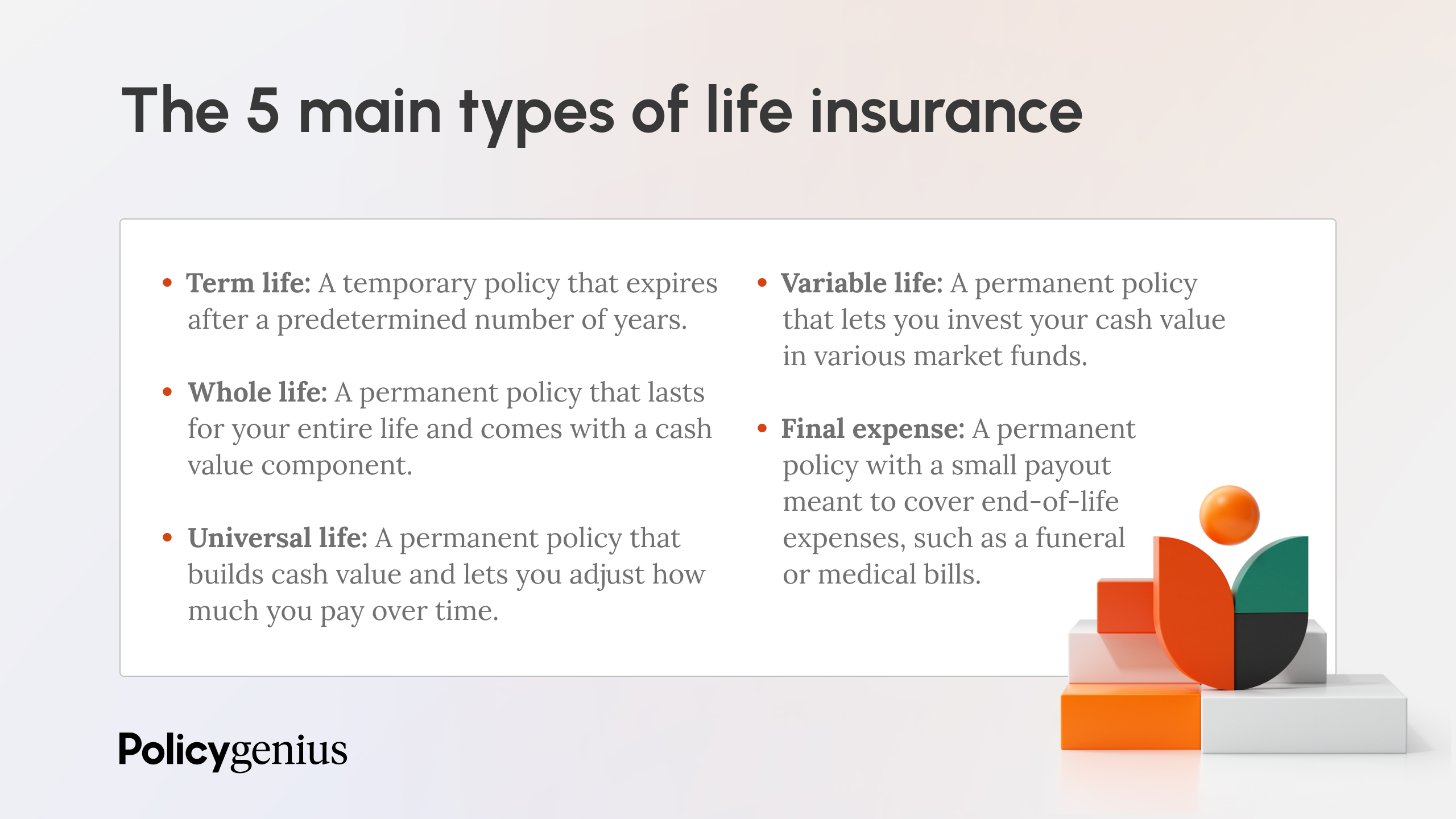
All-risk life insurance is a colloquial term often used by policyholders to describe comprehensive permanent life insurance products that provide a guaranteed death benefit, cash value accumulation, and flexibility in premium payments. Unlike term insurance, which provides coverage for a set duration, these policies—typically Whole Life or Universal Life—are designed to remain active for the duration of the insured’s life, provided that the necessary premiums are paid and the policy remains in force.
Understanding the Concept of "All-Risk" in Life Insurance
In the context of financial protection, "all-risk" is a term more commonly associated with property and casualty insurance, where it implies coverage for all perils except those specifically excluded. When applied to life insurance, the term is technically a misnomer. Life insurance policies do not cover "risks" in the same way a homeowners policy covers fire or theft; instead, they provide a financial benefit upon the event of the insured’s death.
When consumers use the term "all-risk" regarding life insurance, they are usually referring to the highest tier of comprehensive coverage. These policies are designed to mitigate multiple financial risks simultaneously: the risk of premature death, the risk of outliving one’s assets, and the risk of market volatility. By combining a death benefit with a savings or investment component (cash value), these policies offer a multi-faceted approach to risk management that simpler products cannot match.
Permanent Life Insurance: The Engine of Comprehensive Coverage
To understand why these products are considered comprehensive, one must examine the structure of permanent life insurance. The two primary vehicles are Whole Life and Universal Life.
- Whole Life Insurance: This is the most structured form of permanent coverage. It features fixed premiums, a guaranteed death benefit, and a guaranteed cash value growth rate. It is often viewed as the most "comprehensive" because it minimizes the risk of policy lapse due to premium increases or market downturns.
- Universal Life Insurance: This offers more flexibility. Policyholders can often adjust their premiums and death benefits as their financial circumstances change. However, this flexibility comes with increased risk, as the policy’s performance is often tied to interest rates or, in the case of Variable Universal Life, the performance of investment sub-accounts.
Comparison of Life Insurance Structures
| Feature | Term Life Insurance | Whole Life Insurance | Universal Life Insurance |
|---|---|---|---|
| Duration | Fixed (e.g., 10-30 years) | Lifetime | Lifetime |
| Premiums | Level (Fixed) | Level (Fixed) | Flexible |
| Cash Value | None | Yes (Guaranteed) | Yes (Market-dependent) |
| Risk Profile | Low (Expiration risk) | Low (Guaranteed terms) | Moderate (Performance risk) |
| Complexity | Minimal | High | Very High |
Why Comprehensive Coverage Matters
The primary goal of a high-tier life insurance policy is to provide certainty in an uncertain financial environment. As of 2026, many families and business owners utilize these policies not just for a death benefit, but as a core component of their estate planning.
- Estate Liquidity: When a high-net-worth individual passes away, their assets may be illiquid (e.g., real estate or business holdings). An all-risk style permanent policy provides immediate cash to cover estate taxes, funeral costs, and debts without requiring the liquidation of other assets at a loss.
- Income Replacement: For families relying on a single breadwinner, the death benefit ensures that the surviving dependents maintain their standard of living regardless of when the policyholder passes.
- Supplemental Retirement Income: The cash value component acts as a tax-advantaged vehicle. In many jurisdictions, policyholders can borrow against this value or make withdrawals to supplement retirement income, provided the policy is structured correctly and enough cash value has accumulated.
Prerequisites and Eligibility
Acquiring a comprehensive permanent life insurance policy requires more rigorous underwriting than term insurance. Because the insurer is committing to covering a risk for an indefinite period, the underwriting process is thorough.
- Medical Underwriting: Applicants must typically undergo a medical examination, including blood and urine analysis. Pre-existing conditions may increase premiums or result in policy exclusions or denials.
- Financial Underwriting: Insurance companies require proof of "insurable interest." You cannot buy a policy on someone unless their death would cause you a financial loss. Furthermore, the death benefit amount requested must be proportional to your financial status (often determined by a multiple of your annual income).
- Age and Lifestyle: Your age at the time of application is a primary driver of cost. Additionally, high-risk hobbies (e.g., skydiving) or occupations can lead to higher "ratings" (added costs) on your premiums.
Potential Risks and Limitations
Even within the most comprehensive policies, there are limitations that consumers must understand to avoid frustration or financial loss.
- Policy Lapse: If the policy is a Universal Life product and the cash value is insufficient to cover the cost of insurance (often due to low interest rates or excessive withdrawals), the policy can lapse. This is a common pitfall when policyholders view the cash value as a "savings account" rather than a pool of funds meant to sustain the death benefit.
- High Initial Fees: The first few years of a permanent policy often have high administrative costs and commissions. If a policyholder surrenders their policy in the first five to ten years, they may receive significantly less back than what they paid in premiums.
- Market Risk: For Variable Universal Life policies, the cash value fluctuates with the underlying investment accounts. If the market performs poorly, the policyholder may be forced to pay higher premiums to maintain the death benefit.
Managing Your Policy: Best Practices
To ensure your comprehensive policy remains effective, follow these maintenance steps:
- Annual Policy Reviews: In 2026, many carriers provide digital portals to review your policy’s performance. At least once a year, verify that your premium payments are keeping the policy on track toward your target death benefit.
- Beneficiary Updates: Major life events—marriage, divorce, the birth of children, or the death of a primary beneficiary—require an update to your policy. Failing to do so can cause significant legal and financial delays.
- Loan Management: If you borrow against your policy, understand the interest rates. Loans that remain unpaid at the time of death are deducted from the death benefit paid to your heirs.
- Consultation with Professionals: Because these products are complex, it is recommended to work with a licensed financial advisor or insurance professional who is not tied to a single carrier. This ensures that the policy chosen matches your specific risk tolerance and financial goals.
Frequently Asked Questions
Does all-risk life insurance cover death by suicide? Most life insurance policies include a suicide clause, which typically lasts for the first two years of the policy. If the insured passes away due to suicide within this period, the insurer generally refunds the premiums paid rather than paying the full death benefit. After the contestability period expires, most policies cover death by suicide.
Can I switch from term to permanent insurance? Many term life policies include a "conversion rider." This allows the policyholder to convert all or part of their term coverage into a permanent policy without undergoing further medical underwriting. This is a valuable feature for those whose health may have declined since they first purchased their term policy.
What happens if I stop paying premiums? In a term policy, coverage simply ends. In a permanent policy, if you have accumulated sufficient cash value, some companies allow for an "automatic premium loan" or a reduction of the death benefit to keep the policy in force. However, if the cash value is exhausted, the policy will lapse, and you may lose the accumulated value and the death benefit entirely.
Is the cash value in my policy taxable? Generally, the growth of cash value within a permanent life insurance policy is tax-deferred. If you withdraw up to the amount of premiums you have paid (the "basis"), that portion is typically tax-free. If you withdraw more than your basis, or if you surrender the policy for profit, the gains are generally subject to income tax.
Final Recommendation
If you are seeking "all-risk" or comprehensive life insurance, prioritize a policy that matches your long-term financial stability rather than short-term cash accumulation. Before signing any contract, request a "Policy Illustration" from your agent. This document outlines exactly how the policy is expected to perform under various interest rate and cost-of-insurance scenarios. Ensure you understand the "guaranteed" versus the "non-guaranteed" elements of the illustration. By focusing on your specific protection needs—be it estate tax planning, business continuity, or family security—you can select a permanent product that serves as a reliable cornerstone of your financial foundation.