All-time Los Angeles refers to the collective historical, cultural, and athletic milestones that have defined the city since its 1850 incorporation. This legacy is anchored by 17 NBA championships, the global dominance of the Hollywood film industry, and its role as a three-time Olympic host (1932, 1984, and the upcoming 2028 Games).
The evolution of Los Angeles from a small Spanish pueblo to a global megacity is a narrative of rapid expansion, technological innovation, and cultural export. To understand "All Time Los Angeles" is to examine the intersection of geography, industry, and the pursuit of the "California Dream." This article explores the critical pillars that constitute the city's all-time greatness, providing historical context and current 2026 status updates on its most vital institutions.
The Sporting Pantheon: Los Angeles' All-Time Athletic Dominance
Los Angeles is arguably the most successful sports city in the United States when measured by championship volume and the global "star power" of its franchises. The city’s identity is inextricably linked to the success of its major league teams, particularly the Lakers and the Dodgers.
The Lakers Dynasty and Basketball Culture
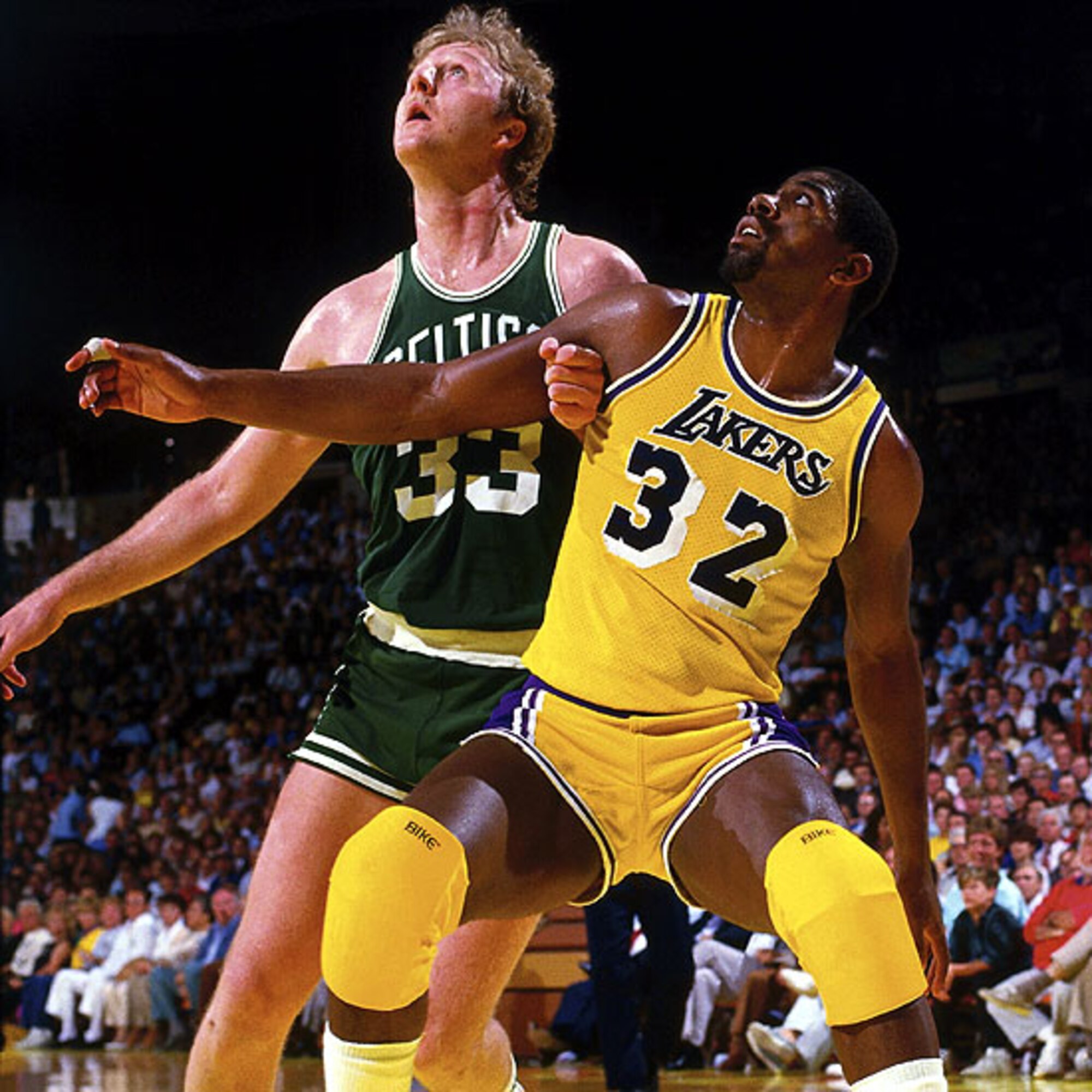
The Los Angeles Lakers represent the pinnacle of NBA success. Since moving from Minneapolis in 1960, the franchise has become a symbol of "Showtime"—a fast-paced, glamorous style of play that emerged in the 1980s under Magic Johnson. As of 2026, the Lakers maintain a record-tying 17 NBA championships.
The Lakers' "all-time" status is not just about trophies; it is about the eras defined by individual legends. The Kareem Abdul-Jabbar and Magic Johnson era established the city as a basketball mecca. This was followed by the dominance of Shaquille O'Neal and Kobe Bryant in the early 2000s, and later, the LeBron James era, which brought a title in 2020. These players didn't just win games; they became global ambassadors for the Los Angeles brand.
The Dodgers: A West Coast Baseball Legacy
When the Dodgers moved from Brooklyn to Los Angeles in 1958, they transformed the landscape of Major League Baseball. The team’s success at Dodger Stadium—one of the oldest and most revered ballparks in the country—has been consistent across decades.
With their 2024 World Series victory, the Dodgers cemented their status as a modern dynasty. Historically, the team has been defined by elite pitching, from Sandy Koufax in the 1960s to Fernando Valenzuela’s "Fernandomania" in the 1980s, and Clayton Kershaw in the 21st century. The Los Angeles Dodgers organization is frequently cited as a model for player development and analytical innovation in professional sports.
The Olympic Legacy: 1932, 1984, and 2028
Los Angeles holds a unique position in Olympic history. In 1932, during the Great Depression, the city hosted the Games and built the Los Angeles Memorial Coliseum, which remains a functional landmark today. The 1984 Games were even more significant, as they introduced a private-funding model that turned a profit, saving the modern Olympic movement from financial ruin.
As we stand in 2026, the city is in the final stages of preparation for the 2028 Summer Olympics. This third hosting duty will make Los Angeles one of the few cities globally to host the Games three times, further solidifying its status as an international sporting capital.
Hollywood and the Global Cultural Footprint
The phrase "All Time Los Angeles" is synonymous with the birth and evolution of modern cinema. In 1910, Hollywood was officially annexed by the city, setting the stage for it to become the entertainment capital of the world.
The Golden Age of Cinema
The "All-Time" greatness of Hollywood is rooted in the studio system of the 1920s through the 1950s. Major entities like Warner Bros., Paramount, and Universal established sprawling backlots that became the factories of the American imagination. The transition from silent films to "talkies" in the late 1920s revolutionized global communication, making Los Angeles the primary exporter of American culture.
The Academy Awards (the Oscars), first held in 1929 at the Roosevelt Hotel, have remained the industry's highest honor. The history of the Academy is essentially a history of 20th-century art, documenting the shift from black-and-white film to the digital and streaming era that dominates the landscape in 2026.
The Music and Arts Scene
Beyond film, Los Angeles has been a central hub for musical innovation. From the jazz clubs of Central Avenue in the 1940s to the rock scene on the Sunset Strip in the 1960s and 70s, and the birth of West Coast hip-hop in the 1980s and 90s, the city’s sonic influence is unparalleled. Institutions like the Los Angeles County Museum of Art (LACMA) and the Getty Center provide a physical footprint for a city that is often unfairly characterized as lacking "high culture."
Urban Development and Engineering Marvels
To sustain a population that grew from 1,610 residents in 1850 to nearly 4 million by 2026, Los Angeles had to overcome significant geographical hurdles. The "all-time" history of the city's infrastructure is a story of bold (and sometimes controversial) engineering.
The Los Angeles Aqueduct
The most critical moment in the city’s development was the 1913 completion of the Los Angeles Aqueduct. Engineered by William Mulholland, this project brought water from the Owens Valley over 200 miles to the arid Los Angeles basin. Without this intervention, the city could never have expanded beyond a mid-sized coastal town. While the ethics of the water grab remain a subject of historical debate, its role in the city's survival is undeniable.
The Freeway System and Suburbanization
In the post-WWII era, Los Angeles became the definitive "automobile city." The construction of the massive freeway network—including the 10, the 405, and the 101—facilitated a unique decentralized urban sprawl. This allowed for the development of distinct neighborhoods like the San Fernando Valley, each contributing to the diverse tapestry of the city.
In 2026, the focus has shifted toward the LA Metro expansion. The "Twenty-eight by '28" initiative aims to complete 28 major transit projects before the Olympics, marking a pivot back toward public rail and away from the total car dependency that defined the 20th century.
Comparison of Los Angeles Eras: Growth and Achievements
The following table highlights the key metrics and milestones across different eras of Los Angeles history, providing a snapshot of the city's "all-time" trajectory.
| Era | Key Theme | Major Infrastructure | Sports Milestone | Population (Approx.) |
|---|---|---|---|---|
| 1850–1900 | The Frontier Pueblo | Southern Pacific Railroad | Early Baseball Leagues | 1,600 to 102,000 |
| 1900–1940 | Industrial Boom | LA Aqueduct (1913) | 1932 Summer Olympics | 100k to 1.5 Million |
| 1940–1970 | The Freeway Era | Fwy System / LAX | Dodgers Move to LA (1958) | 1.5M to 2.8 Million |
| 1970–2000 | Global Hub | Metro Rail (Start) | Lakers "Showtime" Era | 2.8M to 3.7 Million |
| 2000–2026 | Tech & Transit | Regional Connector | Dodgers/Lakers 2020 Titles | 3.8M to 4 Million |
Essential All-Time Los Angeles Landmarks
A city’s "all-time" status is often measured by the endurance of its physical landmarks. These sites serve as touchstones for both residents and the millions of tourists who visit annually.
- The Griffith Observatory: Opened in 1935, it offers the most iconic view of the city and the Hollywood Sign. It serves as a reminder of the city's commitment to public science and education.
- The Hollywood Sign: Originally an advertisement for a housing development ("Hollywoodland") in 1923, it has become the universal symbol of the entertainment industry.
- Santa Monica Pier: Representing the city's coastal identity, the pier (completed in 1909) remains a center for recreation and a symbol of the California lifestyle.
- The Getty Center: Representing the city's immense wealth and dedication to the arts, the Getty Center is a marvel of modern architecture and houses one of the world's premier art collections.
- Union Station: As the last of the "Great Railway Stations" built in America (1939), it stands as a monument to the era of transcontinental travel and serves as the hub for the city's 2026 transit revival.
Economic Powerhouse: Beyond the Screen
While entertainment and sports garner the headlines, Los Angeles’ all-time economic impact is diversified across several sectors. The Port of Los Angeles, combined with the Port of Long Beach, creates the busiest port complex in the Western Hemisphere. This infrastructure makes the city the primary gateway for trade between the United States and Asia.
Furthermore, the "Silicon Beach" movement of the last decade has seen Los Angeles become a major player in the technology sector. Companies in aerospace (like SpaceX, headquartered in nearby Hawthorne) and digital media have transformed the local economy, ensuring that the city's "all-time" status continues into the high-tech future.
Frequently Asked Questions
What is the most successful sports team in Los Angeles history?
Statistically, the Los Angeles Lakers are the most successful, with 17 NBA championships (as of 2026). However, the Los Angeles Dodgers also hold a significant place in the city's heart, especially following their consistent success in the 2010s and their 2024 World Series win. In the collegiate realm, the UCLA Bruins men’s basketball team holds a record 11 NCAA titles, largely due to the legendary coaching of John Wooden.
When did Los Angeles become a major world city?
Los Angeles' transformation into a major world city began in the early 20th century. Key catalysts included the completion of the Los Angeles Aqueduct in 1913, the discovery of oil in the region, and the establishment of the film industry. By the time of the 1932 Olympics, LA was recognized globally as a center of innovation and opportunity.
What are the "Big Three" industries in LA history?
Historically, the economy has been driven by Entertainment (Hollywood), Aerospace, and International Trade. While aerospace saw a decline after the Cold War, it has seen a massive resurgence in the 2020s through private space exploration firms. Tourism and technology (Silicon Beach) are also currently top contributors to the city's GDP.
How has the population of Los Angeles changed over time?
The growth is unprecedented for a Western city. In 1850, the population was just over 1,600. By 1950, it had surged to nearly 2 million. As of the U.S. Census Bureau data available in 2026, the city population nears 4 million, with the broader metropolitan area housing over 13 million people, making it the second-largest urban center in the United States.
What is the historical significance of the 1984 Olympics?
The 1984 Los Angeles Olympics are historically significant because they were the first Games to be privately financed without government subsidies. Led by Peter Ueberroth, the organizing committee generated a surplus of over $200 million, which continues to fund youth sports in Southern California through the LA84 Foundation.
Is the Hollywood Sign original?
The current Hollywood Sign is a reconstruction. The original 1923 sign (which said "Hollywoodland") fell into disrepair by the 1970s. A massive fundraising campaign, supported by celebrities like Hugh Hefner and Alice Cooper, led to the installation of the current, more durable steel structure in 1978.
Practical Recommendations for Exploring LA History
To truly experience "All Time Los Angeles," visitors and residents should move beyond the typical tourist traps. A visit to the El Pueblo de Los Ángeles Historical Monument provides a view of the city's 1781 Spanish roots. Following this with a tour of Warner Bros. Studios offers insight into the industrialization of storytelling.
For those interested in the city’s future, riding the newly expanded Metro K Line or visiting the SoFi Stadium complex in Inglewood provides a glimpse into the massive infrastructure investments defining the city in 2026. Understanding LA requires acknowledging its layers—from the prehistoric asphalt of the La Brea Tar Pits to the futuristic skyline of Downtown.