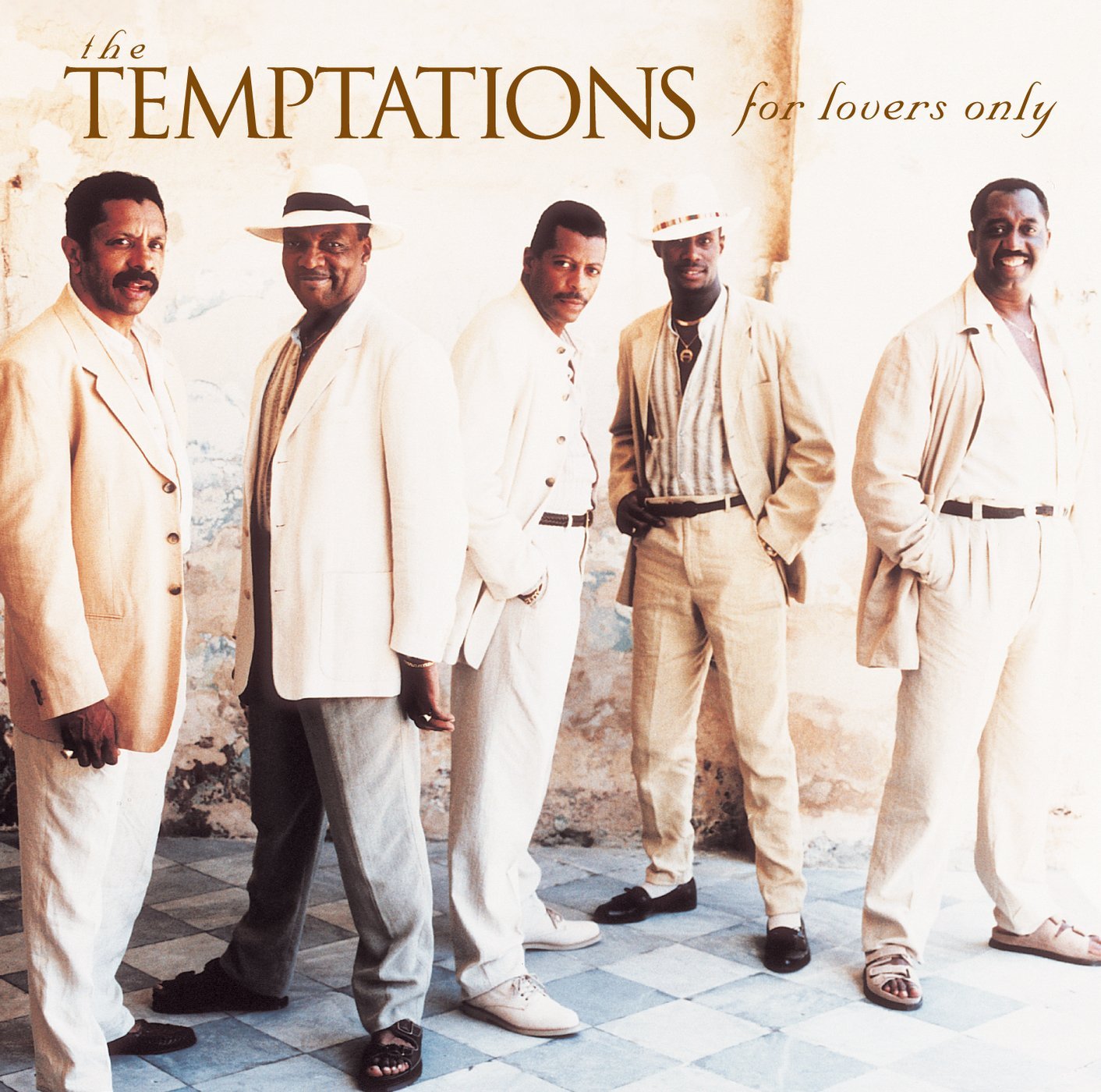
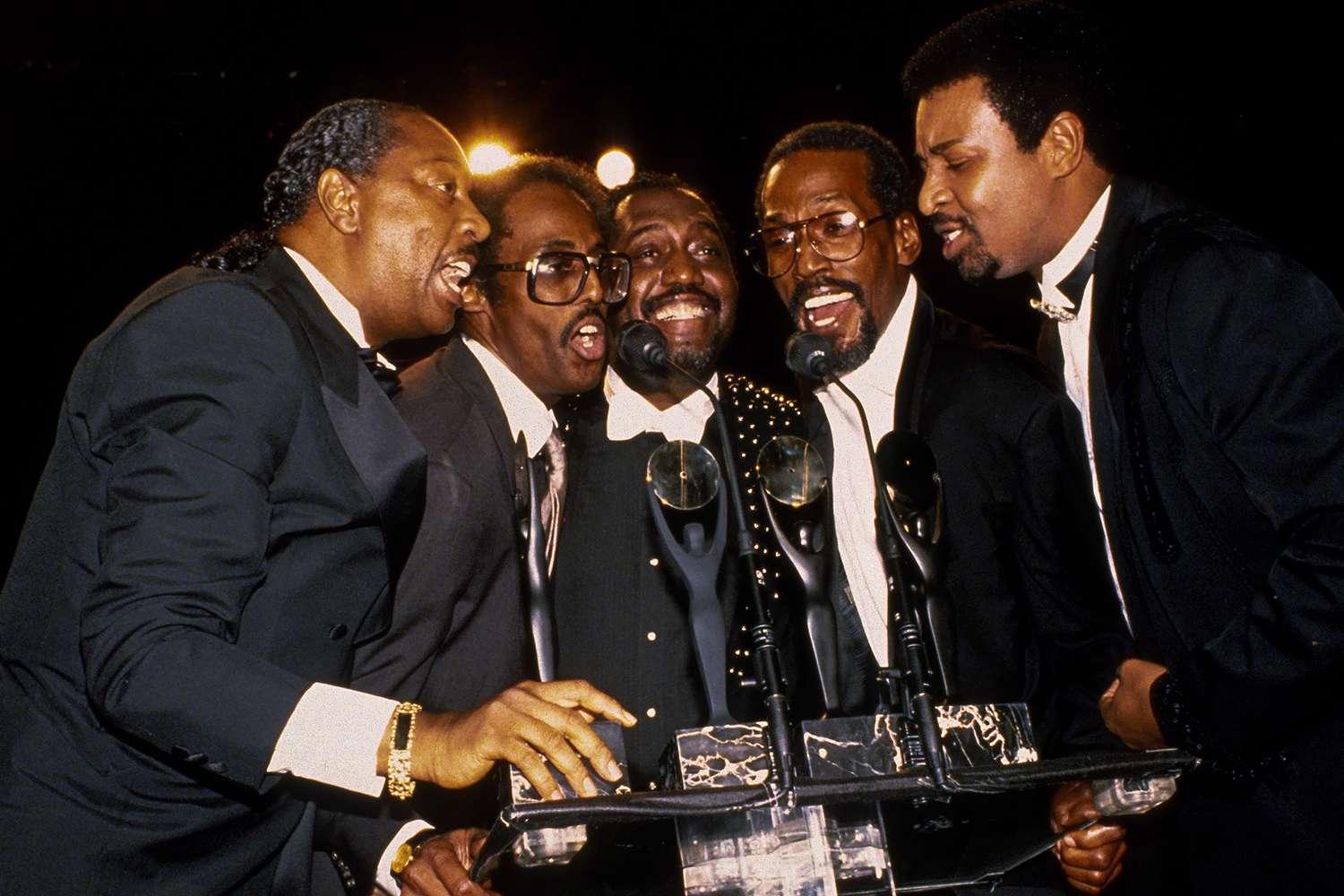
The Temptations are an American vocal group who defined the "Motown Sound" and became one of the most successful acts in music history. Known for their distinct harmonies, sophisticated choreography, and flashy wardrobes, the group has evolved through several "eras" since their formation in 1960. As of 2026, they remain a symbol of R&B excellence, led by founding member Otis Williams, continuing to influence generations of performers with a catalog that spans soul, doo-wop, funk, and psychedelic soul.
The Foundations of a Dynasty: 1960–1963
The story of The Temptations begins in Detroit, Michigan, amidst the booming automotive industry and a burgeoning local music scene. The group was forged from the merger of two rival vocal ensembles: The Primes and The Distants. Otis Williams, a disciplined and visionary baritone, led The Distants, which included the powerful bass of Melvin Franklin and the versatile tenor of Elbridge "Al" Bryant. The Primes, led by Eddie Kendricks and Paul Williams, were known for their tight harmonies and polished stage presence.
When these two forces combined in 1960, they initially called themselves The Elgins. However, upon signing with Berry Gordy’s Motown Records (specifically the Miracle label) in 1961, they discovered another group already used that name. Legend has it that Motown songwriter Billy Mitchell and Otis Williams stood on the steps of the Hitsville U.S.A. studio and brainstormed until they landed on "The Temptations."
The early years were a period of trial and error. Between 1961 and 1963, the group released several singles that failed to chart significantly. During this time, Al Bryant became increasingly difficult to work with, leading to his departure in late 1963. His replacement would change the course of music history: David Ruffin.
The "Classic Five" Era (1964–1968)
With the addition of David Ruffin, the "Classic Five" lineup was complete: Otis Williams, Melvin Franklin, Eddie Kendricks, Paul Williams, and David Ruffin. This quintet represented the pinnacle of vocal chemistry. Each member brought a unique tool to the shed: Kendricks had a crystalline falsetto, Paul Williams provided the soulful "grit," Franklin offered a resonant bass foundation, Otis Williams anchored the harmonies, and Ruffin possessed a raspy, soaring lead vocal that could convey both heartbreak and triumph.
In 1964, under the mentorship of writer-producer Smokey Robinson, the group broke through with "The Way You Do the Things You Do." However, it was the 1965 release of "My Girl" that catapulted them to international superstardom. Written and produced by Robinson specifically for Ruffin’s lead voice, the song became a number-one hit and remains an American cultural touchstone.
The Classic Five era was defined by a string of hits including "Since I Lost My Baby," "Get Ready," "Ain't Too Proud to Beg," and "Beauty Is Only Skin Deep." During this period, the group benefited from the Motown "assembly line" system, which included etiquette training from Maxine Powell and choreography from Cholly Atkins. Atkins, a legendary tap dancer, devised the "Temptation Walk," a series of synchronized, fluid movements that made the group as visually arresting as they were sonically pleasing.
Transition and the Birth of Psychedelic Soul (1968–1972)
By 1968, internal tensions began to fray the Classic Five. David Ruffin’s growing ego and substance abuse issues led to his dismissal from the group. He was replaced by Dennis Edwards, formerly of The Contours. Edwards brought a rougher, more aggressive vocal style that perfectly suited the changing musical landscape of the late 1960s.
Concurrently, producer Norman Whitfield took the creative reins. Influenced by the rock-funk fusion of Sly and the Family Stone, Whitfield pushed The Temptations into a genre known as Psychedelic Soul. This era shifted the group’s focus from romantic ballads to socially conscious themes reflecting the turmoil of the Vietnam War and the Civil Rights Movement.
The first major success of this era was "Cloud Nine" (1968), which won Motown its first-ever Grammy Award. This was followed by a series of cinematic, long-form tracks characterized by wah-wah guitars, innovative percussion, and multi-lead vocals, including:
- "Runaway Child, Running Wild"
- "I Can't Get Next to You"
- "Ball of Confusion (That's What the World Is Today)"
- "Papa Was a Rollin' Stone"
"Papa Was a Rollin' Stone," released in 1972, remains one of the most influential records in soul history. Its nearly 12-minute album version utilized orchestral arrangements and a brooding bassline to tell a gritty story of familial abandonment, earning the group three more Grammys.
Navigating the Decades: Lineup Changes and Resilience
Maintaining a group for over six decades requires constant adaptation. Following the departures of Eddie Kendricks and Paul Williams in the early 1970s, the group saw a rotating cast of talented vocalists. Paul Williams, tragically, struggled with health and personal issues, leading to his untimely death in 1973.
The late 1970s and early 1980s saw the group experiment with different sounds as disco took over the charts. They briefly left Motown for Atlantic Records in 1977 but returned to the "House that Jack Built" in 1980. One of the most significant moments in this era was the 1982 Reunion Tour, which featured both David Ruffin and Eddie Kendricks returning to perform alongside the then-current lineup. While the tour was commercially successful, internal frictions remained, and the reunion was short-lived.
In 1984, the group found renewed success with "Treat Her Like a Lady," co-written by Otis Williams and Ali-Ollie Woodson. Woodson’s powerful, gospel-inflected voice helped the group maintain relevance in the synthesised R&B landscape of the 1980s.
| Era | Key Lineup Members | Signature Hits | Musical Style |
|---|---|---|---|
| Classic Five (1964-68) | Ruffin, Kendricks, P. Williams, O. Williams, Franklin | "My Girl", "Ain't Too Proud to Beg" | Polished Soul, Doo-wop roots |
| Psychedelic (1968-73) | Edwards, Kendricks, P. Williams, O. Williams, Franklin | "Papa Was a Rollin' Stone", "Cloud Nine" | Funk, Social Commentary, Psychedelic |
| Early 80s (1980-84) | Edwards, O. Williams, Franklin, Richard Street, Glenn Leonard | "Treat Her Like a Lady" | R&B, Early Contemporary |
| Modern Era (2000s-26) | Otis Williams & various (Ron Tyson, Terry Weeks) | "Stay", "I'm Dayin' You" | Adult Contemporary R&B, Legacy |
The Artistry: Choreography and Vocal Dynamics
What separated The Temptations from their contemporaries was their status as a "vocal group" rather than a "lead singer and a backing group." While David Ruffin and Dennis Edwards were powerhouse leads, the group's strength lay in its interchangeable parts. Any member could—and often did—take the lead vocal, a rarity in an industry that favored a single "frontman."
The vocal arrangements were often complex. Melvin Franklin’s bass was not merely a rhythmic element; it was a melodic anchor that allowed the tenors to soar. Paul Williams was the architect of the group's early movements. He understood that in the 1960s, a television appearance or a live show required a visual narrative. The "Temptations Walk" and their precision-perfect spins became their trademark, influencing everyone from The Jackson 5 to contemporary boy bands and modern R&B acts.
Their stage presence was further enhanced by their fashion. The group was known for their impeccable "Temptation Suits"—matching outfits that evolved from conservative tuxedos to flamboyant, colorful ensembles with wide lapels and intricate patterns during the 1970s. This commitment to professionalism and "show business" was a core tenet of the Motown philosophy, designed to ensure crossover appeal to diverse audiences.
Honors, Legacy, and Cultural Impact
The Temptations’ impact on music is measurable through both accolades and cultural influence. They were inducted into the Rock and Roll Hall of Fame in 1989 and the Vocal Group Hall of Fame in 1999. In 2013, they received the Grammy Lifetime Achievement Award.
Beyond the numbers, the group served as a bridge between the classic vocal group traditions of the 1950s and the modern soul and funk movements. Their willingness to tackle political themes in the late 60s paved the way for other artists to use pop music as a platform for social change.
The story of the group reached a new generation through the 1998 NBC miniseries The Temptations, based on Otis Williams’ autobiography. More recently, the Broadway musical "Ain't Too Proud: The Life and Times of The Temptations" brought their story to the stage, winning a Tony Award for Best Choreography in 2019 and continuing to tour globally through 2026.
The Group in 2026: Continuing the Journey
As of 2026, Otis Williams remains the sole surviving original member and the primary guardian of the group's legacy. At over 80 years old, Williams continues to lead the group on tour, ensuring that the vocal standards and choreography remain consistent with the brand's history. The current lineup (which typically includes long-term members like Ron Tyson and Terry Weeks) focuses on a mix of "Legacy Shows" and recording new material that honors the classic Motown aesthetic.
The Temptations' longevity is a testament to the "group first" mentality instilled by Williams from the beginning. While individual members have come and gone—and many have sadly passed away, including Melvin Franklin in 1995 and Dennis Edwards in 2018—the entity of The Temptations remains a touring powerhouse. Their music continues to be licensed for major films, commercials, and digital media, ensuring that "My Girl" and "Papa Was a Rollin' Stone" remain part of the global soundtrack.
Frequently Asked Questions
Who are the original members of The Temptations?
The original founding members in 1960 were Otis Williams, Elbridge "Al" Bryant, and Melvin Franklin (from the Distants), joined by Eddie Kendricks and Paul Williams (from the Primes). This lineup preceded the famous "Classic Five" era which began when David Ruffin replaced Al Bryant in late 1963.
Why did David Ruffin leave the group?
David Ruffin was dismissed in 1968 primarily due to internal conflicts and unprofessional behavior. As the group's popularity peaked, Ruffin demanded that the group be renamed "David Ruffin & The Temptations," similar to Diana Ross & The Supremes. His missed rehearsals and escalating substance abuse issues eventually led the other four members to vote him out.
How many Grammy Awards have The Temptations won?
The Temptations have won four Grammy Awards. Their first was for "Cloud Nine" in 1968, marking the first Grammy for any Motown artist. They later won three for "Papa Was a Rollin' Stone" in 1972. They also received a Grammy Lifetime Achievement Award in 2013.
Is anyone from the original Temptations still alive in 2026?
Yes, Otis Williams is the last surviving original member. He has remained the group's leader and anchor since its inception in 1960. The other members of the "Classic Five"—Melvin Franklin, Eddie Kendricks, David Ruffin, and Paul Williams—have all passed away.
What is the most famous Temptations song?
While "My Girl" is arguably their most recognizable and commercially successful song, "Papa Was a Rollin' Stone" is often cited by critics as their most significant artistic achievement due to its complex production and social commentary. Other massive hits include "Ain't Too Proud to Beg" and "I Can't Get Next to You."
Final Recommendation for Fans and Historians
To truly appreciate The Temptations, listeners should explore their discography chronologically. Start with the Smokey Robinson-produced era of the mid-60s to understand their vocal foundations, then transition into the Norman Whitfield psychedelic era to see how they pushed the boundaries of the genre. For those interested in the human story behind the music, reading Otis Williams' autobiography or seeing the "Ain't Too Proud" musical provides essential context for the sacrifices and struggles that built this musical empire. In 2026, the best way to experience them remains a live performance, where the legendary choreography still brings the Motown magic to life.
EDITORIAL CATEGORY METADATA:
TOPIC METADATA: