The case of Ali and Ana Abulaban centers on a high-profile double homicide that occurred in San Diego, California, in October 2021. Ali Abulaban, a former TikTok content creator known by the handle "JinnKid," shot and killed his wife, Ana Abulaban, and her friend, Rayburn Barron, following escalating domestic disputes and a bitter separation. The incident drew widespread public and media attention due to the intersection of social media celebrity, domestic abuse, and modern digital surveillance.
Background of Ali and Ana Abulaban
Before the events of October 2021, Ali Abulaban had built a growing digital footprint on platforms like TikTok and Instagram, where he posted comedy sketches, video game impersonations, and viral content under the pseudonym JinnKid. His content frequently featured impressions of characters such as Tony Montana from Scarface and various video game protagonists, accumulating hundreds of thousands of followers. Ana Abulaban supported the family while raising their young daughter, navigating the pressures of living in the public eye alongside a spouse pursuing digital fame.
Behind the public facade of digital success, the marriage suffered from severe strain, allegations of infidelity, and escalating domestic conflict. Court testimonies and subsequent legal proceedings revealed a history of control and volatility within the household. Friends and family members later reported that Ali Abulaban struggled with jealousy, substance abuse, and intense anger management issues, which placed immense psychological pressure on Ana Abulaban and prompted her to seek separation.
Chronology of the October 2021 Events
The crisis point in the Abulaban marriage arrived in late October 2021, culminating in physical violence on October 21, 2021. The sequence of events leading up to the homicides was meticulously documented by prosecutors using text messages, surveillance footage, and digital forensic evidence recovered from mobile devices.
Separation and Escalation
Days before the shooting, Ana Abulaban asked Ali Abulaban to move out of their luxury high-rise apartment in San Diego's East Village neighborhood due to his abusive behavior and refusal to give her space. Ali complied temporarily and checked into a nearby hotel, but his obsessive monitoring of Ana intensified.
Investigators established that Ali installed a listening application on his young daughter's iPad, which he left inside the apartment. This allowed him to remotely monitor audio conversations occurring within the home, tracking Ana's movements and interactions in real-time.
The Incidents of October 21, 2021
On the afternoon of October 21, 2021, Ali Abulaban used the listening app to overhear Ana hosting a visitor, Rayburn Barron, in the apartment. Enraged by what he heard, Ali drove back to the complex, entered the apartment using a hidden key, and discovered Ana and Barron together in the living room.
According to trial testimony and evidence presented by the San Diego County District Attorney's office, Ali Abulaban immediately opened fire on Rayburn Barron, shooting him three times at close range. He then shot Ana Abulaban in the head, killing both individuals instantly. Following the shootings, Ali fled the scene, picked up his daughter from school, and was apprehended by law enforcement officers later that afternoon on a nearby highway.
Legal Proceedings, Trial, and Conviction
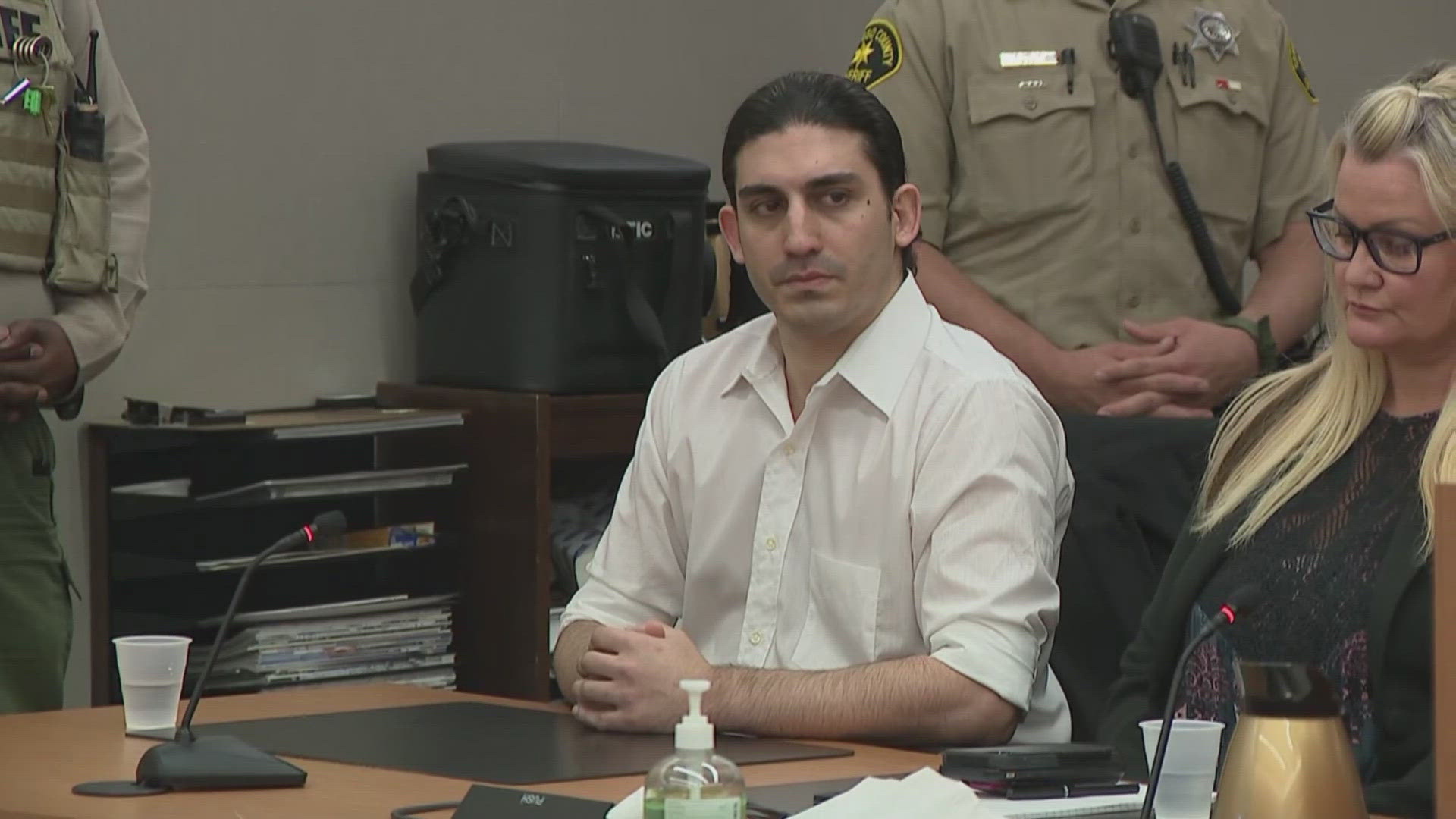
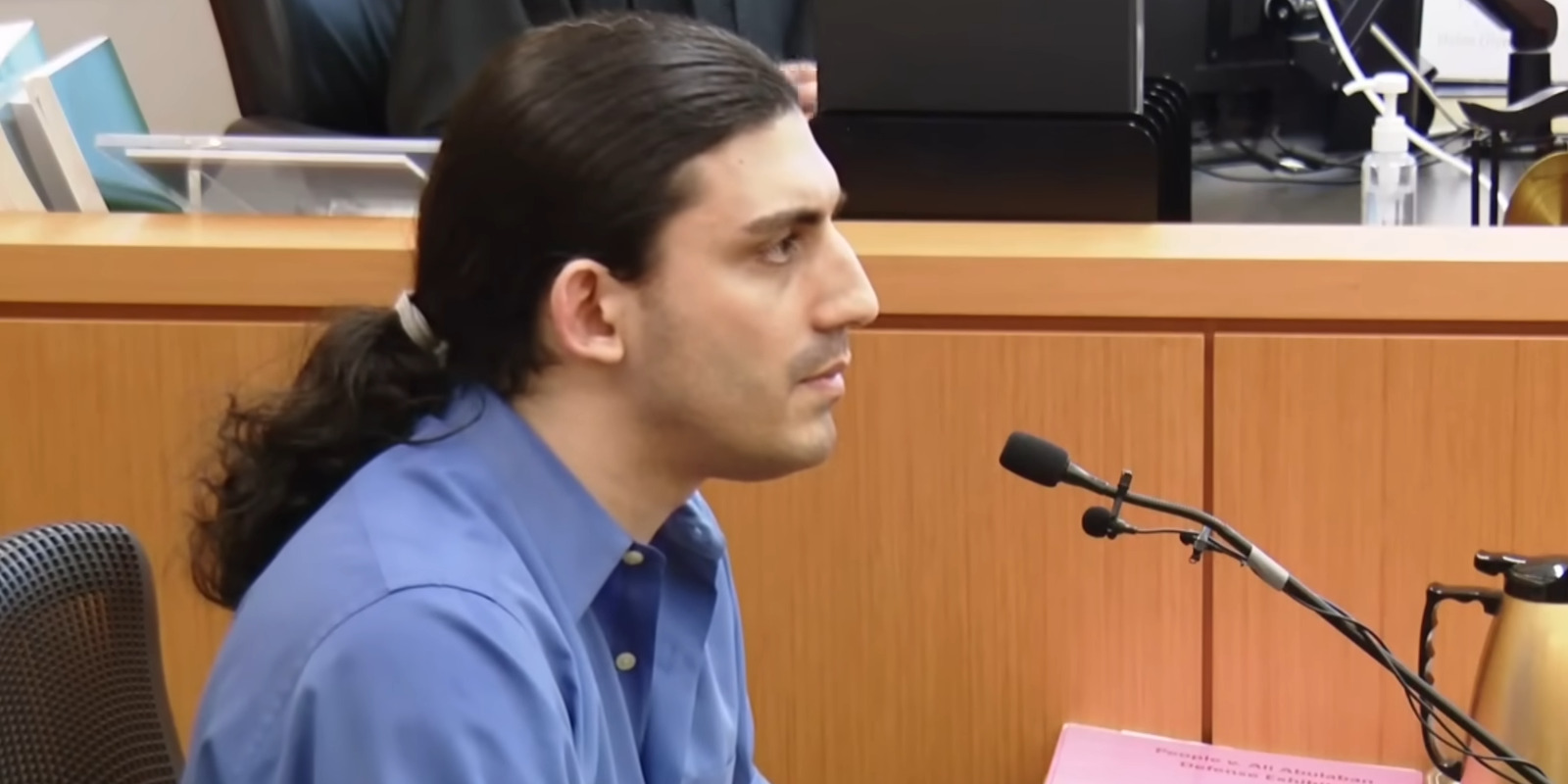
The criminal trial for Ali Abulaban began in the San Diego County Superior Court, drawing intense scrutiny from legal analysts, true-crime media, and the public. The defense team, led by public defenders, did not dispute that Ali fired the fatal shots. Instead, they argued that he suffered from severe mental health deterioration, emotional distress, and sudden provocation, which they claimed reduced the crime from premeditated first-degree murder to manslaughter.
The prosecution countered with extensive digital evidence, including the audio recordings from the iPad surveillance, text messages exhibiting prior threats, and witness testimonies detailing a sustained pattern of domestic abuse and coercive control. Prosecutors argued that the killings were premeditated, deliberate, and motivated by extreme jealousy and a refusal to accept the end of the marriage.
Key Evidence Presented in Court
| Evidence Type | Description | Relevance to the Prosecution |
|---|---|---|
| Digital Surveillance | Audio recordings obtained via a hidden app on a child's tablet | Demonstrated premeditation and real-time tracking of the victims |
| Forensic Ballistics | Firearm and bullet trajectory analysis from the apartment scene | Confirmed close-range shots and established the mechanics of the crime |
| Text Communications | Threats and harassing messages sent by Ali to Ana prior to the homicide | Established a documented pattern of domestic abuse and harassment |
| Witness Testimony | Statements from friends, family members, and responding officers | Highlighted the history of marital volatility and the defendant's state of mind |
In May 2024, a San Diego jury reached a verdict after deliberating the evidence. Ali Abulaban was found guilty on two counts of first-degree murder, along with allegations of personal use of a firearm causing death. The jury also convicted him of domestic violence-related charges and child abuse enhancement due to the presence of his daughter's listening device in the context of domestic turmoil.
Sentencing and Imprisonment
Following the verdict, the case proceeded to the sentencing phase in the California judicial system. In September 2024, a San Diego judge sentenced Ali Abulaban to consecutive life sentences without the possibility of parole, ensuring that he will spend the remainder of his life in state prison. The judge cited the cold-blooded nature of the double homicide, the complete disregard for human life, and the psychological trauma inflicted upon the victims' families, particularly the couple's young daughter, as primary factors justifying the maximum penalty.
Broader Impact and Cultural Discussion
The case of Ali and Ana Abulaban triggered widespread discussions across mainstream media and digital platforms regarding the dark side of social media influencer culture, the mechanics of digital stalking, and the lethal dangers of domestic violence. Security and privacy experts used the case to highlight how consumer technology, such as smart devices and surveillance applications, can be weaponized by abusers to perpetrate coercive control and intimate partner violence.
Advocacy groups for domestic violence survivors emphasized the critical need for early intervention, legal protections, and accessible resources for individuals attempting to leave abusive relationships. The tragic outcome of the Abulaban marriage continues to serve as a cautionary case study within legal, psychological, and digital safety circles regarding the intersection of online fame, mental health crises, and domestic homicide.
Frequently Asked Questions
Who were Ali and Ana Abulaban?
Ali Abulaban was a social media content creator known online as JinnKid, and Ana Abulaban was his wife. The couple lived in San Diego, California, with their young daughter before their marriage dissolved amid domestic conflict and the events of October 2021.
What happened on October 21, 2021?
Ali Abulaban entered their San Diego apartment and shot and killed Ana Abulaban and her friend, Rayburn Barron, after monitoring Ana via a listening application installed on a child's tablet device.
What was the outcome of Ali Abulaban's trial?
In May 2024, a San Diego jury convicted Ali Abulaban of two counts of first-degree murder, domestic violence, and related firearm and child abuse enhancements. He was subsequently sentenced to life in prison without the possibility of parole.
How did digital surveillance factor into the case?
Prosecutors demonstrated that Ali Abulaban used spyware or a listening app on an iPad left in the apartment to monitor Ana Abulaban's conversations remotely, which directly led to his decision to return to the residence and commit the homicides.
What support resources exist for victims of domestic violence?
Individuals experiencing domestic abuse or coercive control can seek confidential assistance, safety planning, and resources through organizations such as the National Domestic Violence Hotline by calling 1-800-799-SAFE (7233) or texting "START" to 88788.