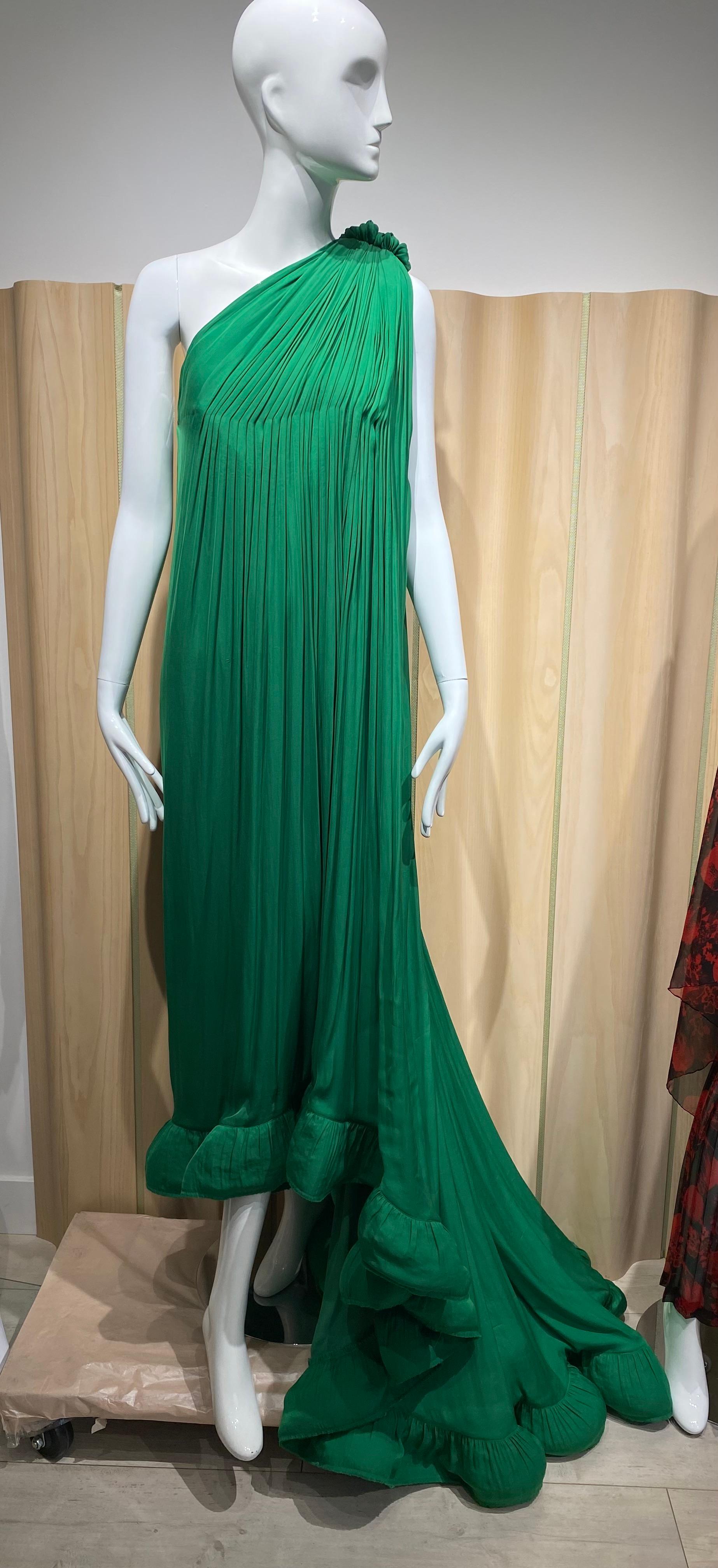
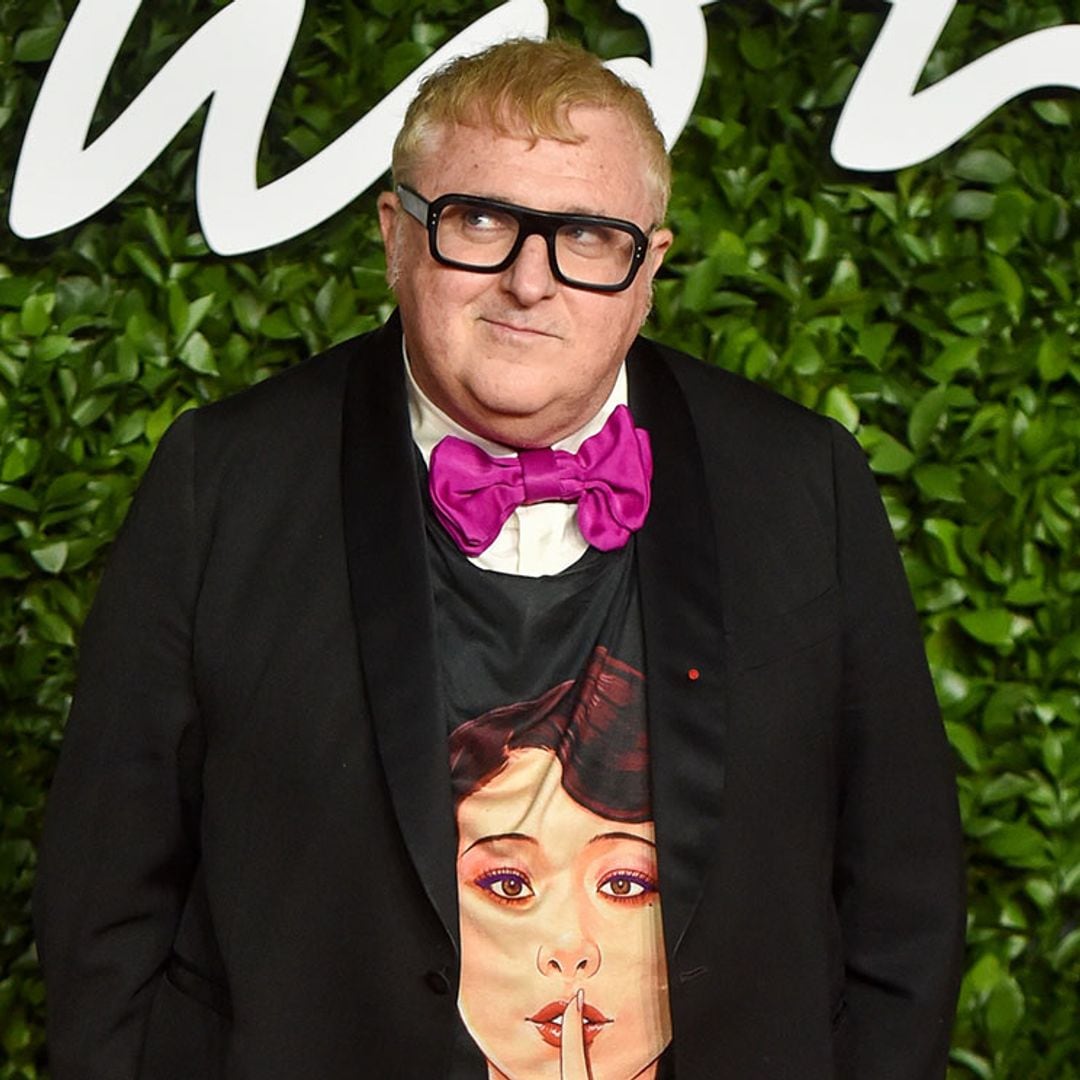
Alber Elbaz’s fourteen-year tenure at Lanvin (2001–2015) transformed the oldest Parisian couture house from a dormant legacy brand into a global powerhouse of contemporary luxury. By prioritizing the emotional needs and physical comfort of women over rigid structural trends, Elbaz redefined modern femininity through signature draping, raw-edged finishes, and industrial zip details.
When Alber Elbaz arrived at Lanvin in 2001, the house was a sleeping beauty. Founded by Jeanne Lanvin in 1889, it possessed an incredible archive but lacked a pulse in the modern market. Elbaz, a Moroccan-born Israeli designer who had previously honed his craft at Guy Laroche and Yves Saint Laurent, brought more than just technical skill; he brought a philosophy. He famously stated that he did not want to dress women in "armour," but rather in clothes that felt like a second skin.
Over the next decade and a half, Elbaz achieved what many thought impossible: he made Lanvin the most influential brand in Paris, blending the heritage of haute couture with a raw, unfinished aesthetic that spoke to the anxieties and desires of the 21st-century woman. As we look back from 2026, his era remains the definitive benchmark for creative direction in the luxury sector.
The Aesthetic Pillars of the Elbaz Era
Elbaz’s success was rooted in a distinct visual vocabulary that was instantly recognizable. While other designers were focused on minimalism or hyper-ornamentation, Elbaz found a middle ground that celebrated the "unfinished" nature of beauty.
Draping and Fluidity
Unlike the structured tailoring of the 1980s or the heroin-chic aesthetic of the 1990s, Elbaz focused on the bias cut and fluid draping. He often worked directly on the mannequin, allowing the fabric—usually heavy silks, satins, or organza—to dictate the shape. This resulted in dresses that moved with the wearer rather than constricting them.
The Raw Edge and the Exposed Zip
Perhaps his most famous technical contribution was the elevation of industrial elements. He left hems raw and frayed, a nod to the "work in progress" nature of life. He also turned the functional zipper into a decorative centerpiece. By placing chunky, visible brass or gold zippers on the backs of delicate silk cocktail dresses, he introduced a "tough-meets-tender" contrast that became a global trend.
Grosgrain Ribbon and Chunky Jewelry
To soften the industrial edges, Elbaz utilized the grosgrain ribbon—a hallmark of Jeanne Lanvin’s original hat-making business. He used it as waistbands, straps, and decorative bows. To complete the look, he moved away from delicate fine jewelry in favor of massive, oversized costume pieces—crystal-encrusted ribbons, "Love" necklaces, and heavy glass pearls that provided a whimsical, almost satirical take on traditional luxury.
Timeline of Major Milestones at Lanvin (2001–2015)
The following table outlines the pivotal moments that defined Elbaz’s reign and the commercial growth of the house.
| Year | Milestone | Significance |
|---|---|---|
| 2001 | Appointment as Creative Director | Elbaz was hired by Shaw-Lan Wang after the brand’s acquisition from L'Oréal. |
| 2002 | Fall/Winter Debut Collection | Introduced the "new Lanvin" silhouette: cocktail dresses with raw hems and vibrant colors. |
| 2005 | CFDA International Award | Solidified Elbaz’s status as a global leader in fashion design. |
| 2008 | Revenue Peak Commencement | Lanvin entered a period of rapid international expansion, particularly in Asia. |
| 2010 | H&M Collaboration | A landmark "masstige" moment that brought Elbaz’s aesthetic to the mass market. |
| 2012 | 10th Anniversary Show | A star-studded celebration featuring a cabaret-style runway and Elbaz singing "Que Sera, Sera." |
| 2015 | Abrupt Departure | Following disagreements with management, Elbaz left the house, sparking industry-wide debate. |
Technical Innovation: Fabric and Construction
Elbaz was a master of "The Cocktail Dress," but his innovation went deeper than silhouette. He was an early adopter of technical fabrics that are now commonplace in luxury ready-to-wear.
- Scuba and Neoprene: Long before "athleisure" was a term, Elbaz used bonded fabrics and neoprene-like knits to create dresses that held a sculptural shape while remaining incredibly lightweight.
- Double-Faced Satin: He utilized heavy satins that had different finishes on each side, allowing for a play between matte and shine within a single draped garment.
- Washed Silks: By pre-washing delicate silks, he removed the "stiffness" of traditional couture, making the clothes feel lived-in and approachable.
- Elastication: Elbaz integrated elasticated waistbands and hidden stretch panels into high-fashion garments, acknowledging that women’s bodies change throughout the day—a rare consideration in the world of sample-size fashion.
The Business of Lanvin: Reviving a Heritage Brand
When Elbaz took over, Lanvin was largely a fragrance house with a struggling apparel line. Under his direction, and in partnership with owner Shaw-Lan Wang, the brand became a profitable enterprise. Elbaz understood that a brand cannot survive on "it-items" alone; it needs a comprehensive universe.
He revamped the boutiques to look like eclectic Parisian apartments, filled with red velvet, whimsical mannequins, and stacks of books. He also expanded the accessories line significantly. The "Pom-Pom" bag and the Lanvin ballet flat (with its signature elasticated edge and blue box) became steady revenue generators that supported the more experimental runway collections.
The 2010 collaboration with H&M was perhaps the smartest business move of his tenure. While many designers feared that working with a fast-fashion retailer would dilute their brand, Elbaz used it as an opportunity to "democratize" his vision. The collection sold out globally in minutes, proving that his aesthetic had a universal appeal that transcended price points.
The Emotional Designer: A Philosophy of Empathy
What set Alber Elbaz apart from his contemporaries was his profound sense of empathy. He famously disliked the word "cool," preferring the word "relevant." He spent his time in the atelier listening to women—his friends, his staff, and his clients—to understand what they feared and what they loved.
He was vocal about his own insecurities, his struggles with weight, and his search for happiness. This vulnerability was reflected in his designs. He didn't want to create "perfect" clothes for "perfect" people; he wanted to create clothes that offered a sense of protection and joy. His shows often ended with him running onto the stage to hug his models, breaking the stoic, distant mold of the traditional creative director.
The 2015 Exit and the Aftermath
The end of the Elbaz era at Lanvin remains one of the most controversial chapters in modern fashion history. In October 2015, following escalating tensions with the company’s majority owner, Shaw-Lan Wang, and CEO Michèle Huiban regarding the brand's strategic direction and lack of investment, Elbaz was dismissed.
The reaction from the industry was immediate and visceral. The Lanvin staff in Paris protested the decision, and many of the brand’s high-profile clients publicly declared their loyalty to Elbaz. Without his vision, Lanvin entered a period of creative instability, cycling through several creative directors—Bouchra Jarrar, Olivier Lapidus, and Bruno Sialelli—as it struggled to find a new identity.
Elbaz himself took a five-year hiatus from the fashion world, eventually returning in 2021 with his new venture, AZ Factory, which focused on "smart" fashion and inclusivity. Tragically, he passed away from COVID-19 just months after the launch, making his body of work at Lanvin the primary pillar of his enduring legacy.
Investing in Elbaz-Era Lanvin Today
As of 2026, the secondary market for Alber Elbaz’s Lanvin pieces has reached "archival gold" status. Collectors and fashion historians view his 2002–2015 collections as the peak of early 21st-century French design.
What to Look For
- The 2003-2005 Silk Tulle Dresses: Known for their delicate layering and "cloud-like" appearance.
- The 2009-2012 Statement Jewelry: Pieces featuring large resin stones and grosgrain ribbons are highly sought after.
- The Signature Trench Coats: Often featured exaggerated collars and industrial zips.
- The 10th Anniversary Collection (2012): Anything from this runway, particularly the jewel-toned draped dresses, is considered a museum-quality piece.
Verification Tips
When purchasing Elbaz-era Lanvin from luxury resale platforms, check the labels. Elbaz-era labels are typically simple white rectangles with "LANVIN" in black sans-serif font, often with "Hiver" or "Été" (Winter or Summer) and the year printed underneath. The quality of the interior finishing is also a tell-tale sign; despite the "raw" exterior edges, the interior construction of an Elbaz garment is meticulously finished, often with silk binding.
Frequently Asked Questions
Why is Alber Elbaz's work at Lanvin considered so important?
He was the first designer in the 2000s to successfully merge the "unfinished" look of deconstruction with the luxury of French couture. He prioritized the woman’s comfort and emotional state, creating a "soft power" aesthetic that influenced an entire generation of designers.
What happened to Lanvin after Elbaz left in 2015?
The brand underwent several leadership changes and struggled to maintain its commercial and critical momentum. It was eventually acquired by the Lanvin Group (formerly Fosun Fashion Group), which has worked to stabilize the brand by leaning into its heritage while exploring new creative directions.
How did Elbaz influence the H&M collaboration trend?
Elbaz’s 2010 collaboration is often cited as the gold standard for "high-low" partnerships. He refused to compromise on the packaging (the iconic yellow and blue boxes) and the design complexity, proving that mass-market consumers were hungry for authentic design, not just a logo.
What are the most iconic colors used by Elbaz at Lanvin?
While he was a master of black and navy, he is famous for "Lanvin Blue" (a deep, vibrant cobalt), dust pink, ochre, and various shades of jewel tones like emerald and ruby.
Is Lanvin still using Elbaz's designs?
While current creative directors have moved in their own directions, the "DNA" established by Elbaz—the use of ribbons, the focus on femininity, and the blend of glamour and ease—continues to be a reference point for the house's identity in 2026.
Practical Recommendation for Collectors
If you are looking to acquire a piece of fashion history, prioritize the draped cocktail dresses from the 2007–2010 period. These garments represent the perfect intersection of Elbaz’s technical mastery and his commercial success. They are increasingly rare in the vintage market and continue to hold their value due to their timeless, non-trend-based design. Always verify the condition of the raw edges; while they are meant to be frayed, they should not show signs of structural decay or unravelling beyond the original design.