The primary airport code for Juneau, Alaska, is JNU. This three-letter identifier, assigned by the International Air Transport Association (IATA), is used globally for flight bookings, baggage tagging, and airline schedules. For technical flight operations and air traffic control, the airport uses the four-letter ICAO code PAJN.
As the capital of Alaska, Juneau occupies a unique position in North American geography. It is the only state capital in the United States that is not accessible by a road network. This isolation makes the Juneau International Airport (JNU) the most critical piece of infrastructure for the city’s 32,000 residents and the thousands of tourists who visit the region annually. Whether you are planning a legislative trip, a glacier trekking adventure, or a logistical freight operation, understanding the role and requirements of JNU is essential for navigating Southeast Alaska in 2026.
The Dual Identity of Juneau’s Airport Codes
To the casual traveler, the airport code for Juneau, Alaska, is simply JNU. However, in the aviation industry, airports carry multiple designations depending on the context of the data being used.
IATA Code: JNU
The IATA code is the most visible identifier. When you search for flights on major booking engines or check your boarding pass, "JNU" is the shorthand used to denote Juneau International Airport. This system was designed to simplify communication between airlines, travel agents, and passengers. In 2026, JNU remains the universal standard for commercial passenger travel.
ICAO Code: PAJN
The International Civil Aviation Organization (ICAO) uses a four-letter coding system that focuses on regional location. In this system, the code for Juneau is PAJN. The "P" indicates the Pacific region, and the "A" denotes Alaska. Pilots use PAJN for filing flight plans, monitoring weather reports (METARs), and communicating with air traffic control. If you are tracking a flight on a platform like FlightAware, you will often see the PAJN designation.
FAA Identifier: JNU
The Federal Aviation Administration (FAA) also utilizes "JNU" as the official location identifier for the airport. Unlike some smaller airstrips where the FAA and IATA codes might differ, Juneau maintains consistency across domestic regulatory and commercial platforms.
Geographic Significance and Access Challenges
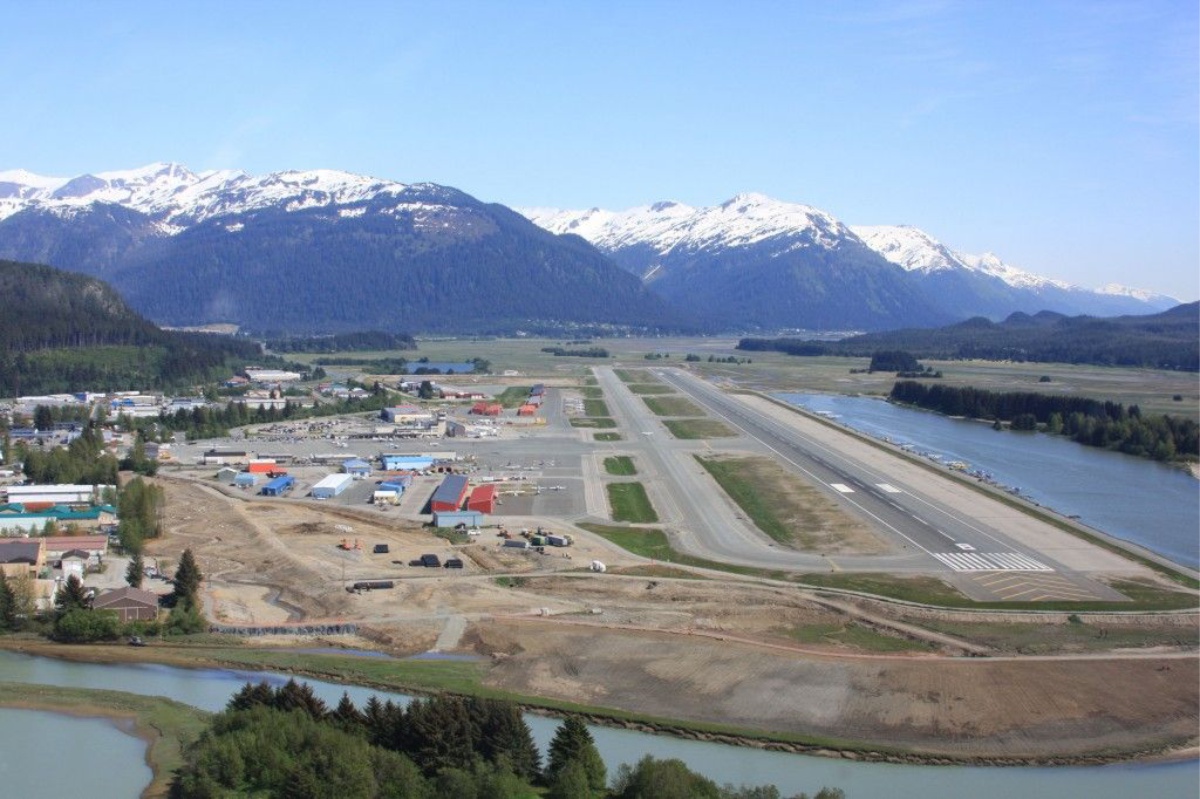
The reliance on the JNU airport code is a direct result of Juneau's extreme geography. Nestled between the steep slopes of the Boundary Ranges and the waters of the Gastineau Channel, Juneau is effectively an island on the mainland.
Because there are no roads connecting Juneau to the rest of Alaska or the contiguous United States, every person, piece of mail, and fresh produce item must arrive by air (JNU) or by sea via the Alaska Marine Highway System. This geographic reality places a massive operational burden on the airport, making it one of the busiest and most significant regional hubs in the Pacific Northwest.
In 2026, the airport continues to serve as the gateway for the "Milk Run"—a series of flights operated by Alaska Airlines that connect small Southeast Alaskan communities like Ketchikan (KTN), Wrangell (WRG), Petersburg (PSG), and Sitka (SIT) to the larger hubs of Anchorage (ANC) and Seattle (SEA). For residents of these smaller towns, JNU is the primary transfer point for medical services, higher education, and government business.
Terminal Facilities and Passenger Experience
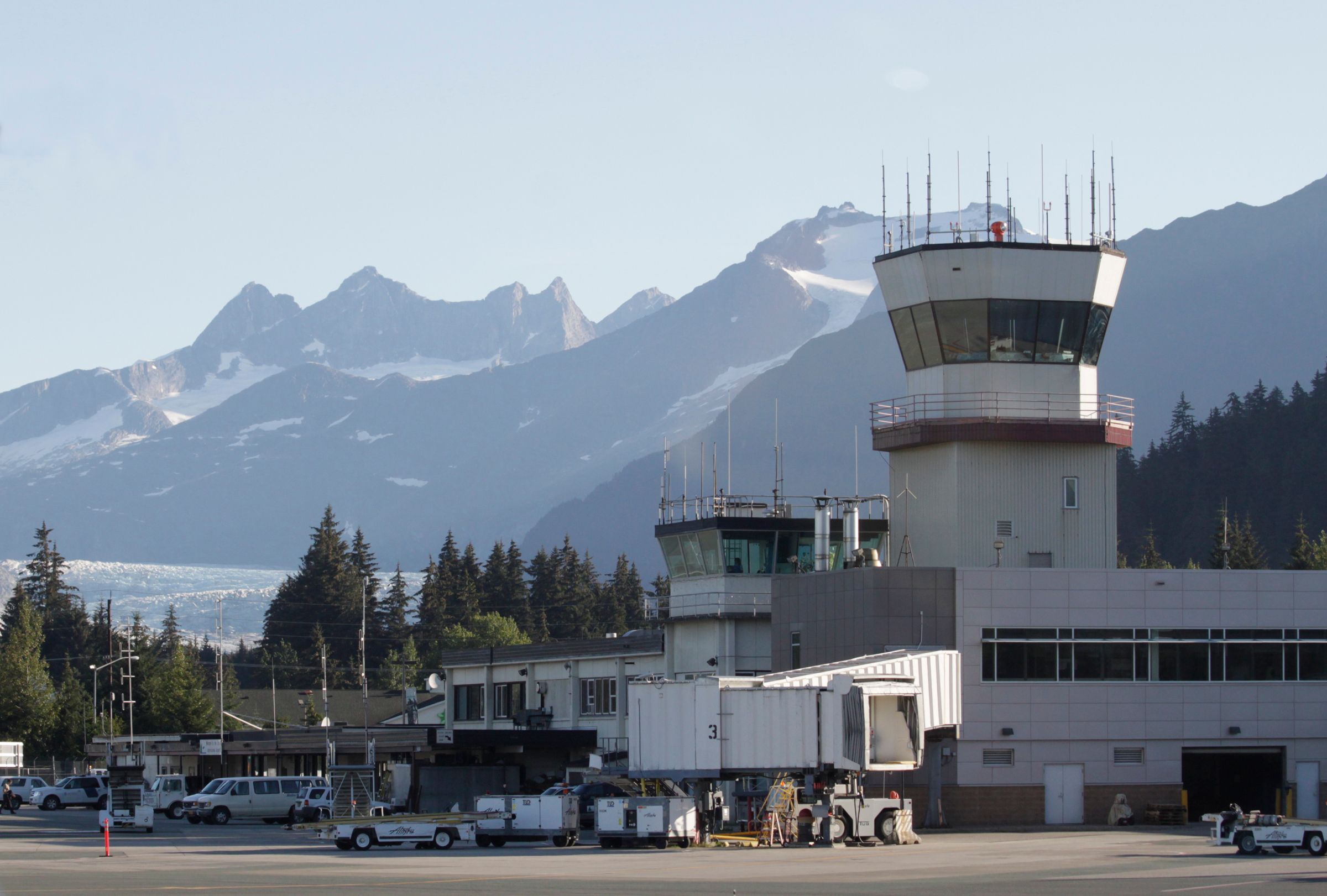
Juneau International Airport has undergone significant modernization projects over the last decade. By 2026, the terminal serves as a model for efficient, small-scale international airport design, balancing the needs of commercial jet traffic with the high volume of "bush" pilots and floatplanes.
Layout and Navigation
The terminal is divided into a main passenger concourse for large commercial jets and a separate wing or adjacent facilities for regional commuters and air taxis.
- Main Concourse: This area handles the primary jet service, primarily through Alaska Airlines and seasonal Delta Air Lines flights. It includes modern seating, charging stations, and a focused selection of local Alaskan retail.
- Commuter Wing: Given the prevalence of small-plane travel in Alaska, JNU features a dedicated area for operators like Alaska Seaplanes and Ward Air. These carriers use the JNU code for local bookings to remote villages and lodges.
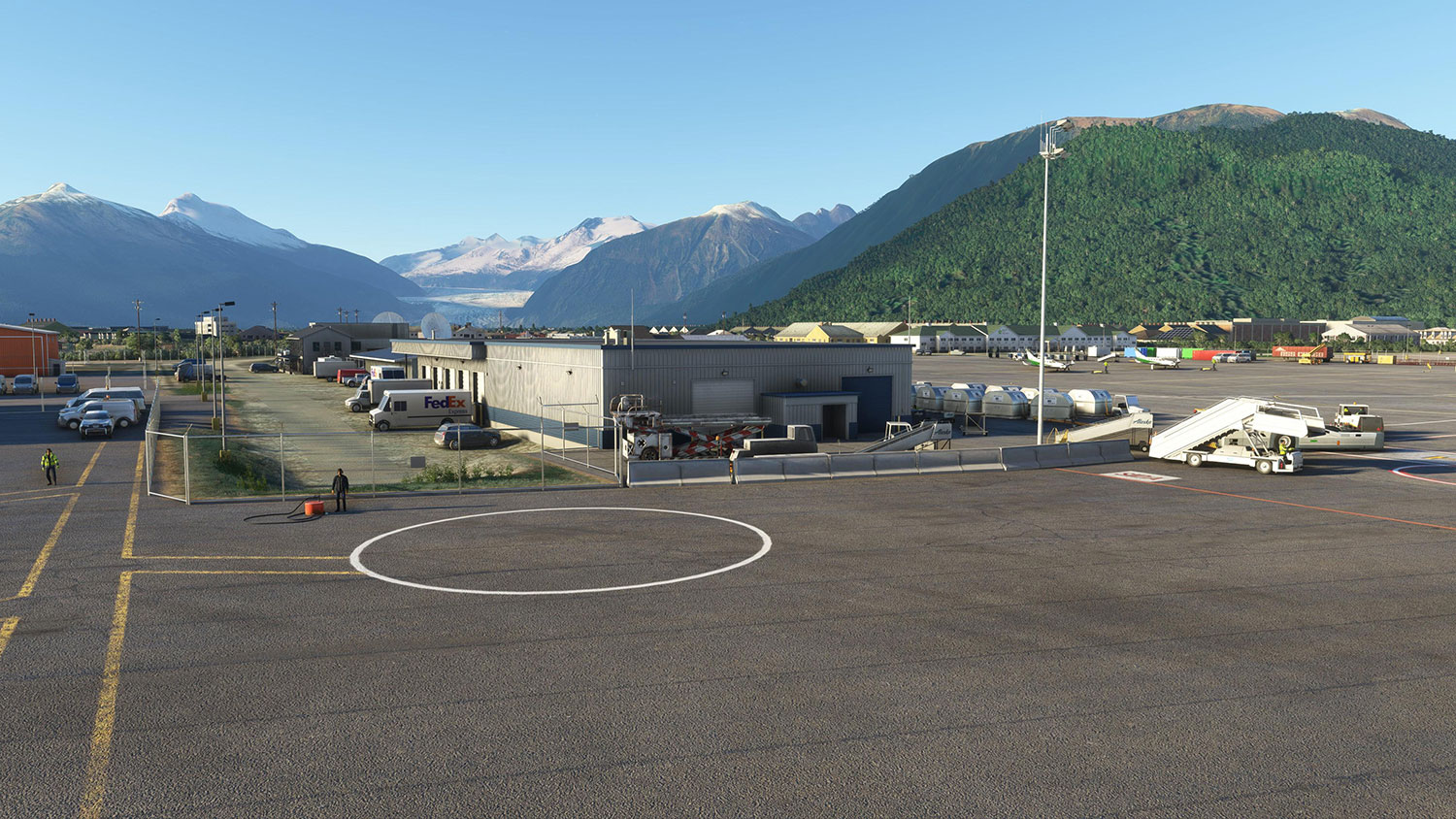
- Floatplane Base: One of the most distinctive features of JNU is the adjacent West Glacier Pond, a dedicated water runway. Many travelers using the JNU airport code are actually transitioning from a wheeled jet to a de Havilland Otter or Beaver on floats to reach deep-wilderness destinations.
Amenities in 2026
Travelers passing through JNU have access to several key services:
- Dining: Local Alaskan fare is prioritized, with cafes offering regional seafood and locally roasted coffee.
- The Alaska Airlines Board Room: A small but vital lounge for frequent flyers, providing a quiet space during the frequent weather-related delays common to the region.
- Wi-Fi and Tech: High-speed internet is standard throughout the terminal, supported by terrestrial and satellite backups to ensure connectivity despite the surrounding mountainous terrain.
Airlines and Destinations Served via JNU
While JNU is an "international" airport, its scheduled international flights are limited and often seasonal or charter-based. The bulk of the traffic flows through domestic carriers.
Primary Carriers
- Alaska Airlines: The dominant carrier at JNU. It provides year-round service to Seattle and Anchorage, along with the essential Southeast Alaska "Milk Run" routes.
- Delta Air Lines: Typically operates seasonal service (usually May through September) connecting Juneau to its hub in Seattle to accommodate the heavy summer tourist volume.
- Regional Carriers: Alaska Seaplanes and Ward Air are the lifeblood of the region, providing scheduled and charter service to towns like Hoonah, Gustavus (the gateway to Glacier Bay), and Skagway.
Comparison of Southeast Alaska Airport Hubs
The following table provides a comparison of the primary airports in the region to help travelers understand how JNU fits into the broader Alaskan aviation network.
| Airport Name | IATA Code | Primary Role | Road Access | Runway Length (ft) |
|---|---|---|---|---|
| Juneau International | JNU | State Capital / Regional Hub | No | 8,857 |
| Ted Stevens Anchorage | ANC | Primary State Hub / Cargo | Yes | 12,400 |
| Ketchikan International | KTN | Southern Gateway | No | 7,500 |
| Sitka Rocky Gutierrez | SIT | Regional / Tourism | No | 7,200 |
| Fairbanks International | FAI | Interior Hub / Cargo | Yes | 11,800 |
Navigational Complexity: The Challenge of JNU
Flying into Juneau is widely considered one of the most challenging maneuvers in North American commercial aviation. This is due to the "Box Canyon" nature of the Gastineau Channel. The airport is surrounded by high mountains, and the weather is notoriously unpredictable, often characterized by low ceilings and heavy fog.
Required Navigation Performance (RNP)
To maintain a high level of safety and reliability, airlines operating at JNU utilize Required Navigation Performance (RNP) technology. This GPS-based system allows aircraft to fly precisely defined paths through the mountainous terrain with incredible accuracy, even when visibility is poor. Without RNP, the JNU airport code would see significantly more cancellations and diversions to Anchorage or Seattle.
Weather Impacts
In 2026, despite technological advancements, weather remains the primary factor in travel disruptions at JNU. The airport is subject to the "Taku winds"—strong, gusty downslope winds that can create severe turbulence. Travelers are always advised to monitor the National Weather Service Juneau office for real-time updates before heading to the airport.
Logistical Guidance for Travelers
Navigating JNU requires a bit more planning than a typical mid-sized airport due to its isolation and the specific ways people move around Juneau.
Ground Transportation
- Car Rentals: Most major national brands are present at JNU. It is highly recommended to book these months in advance, especially during the summer cruise season.
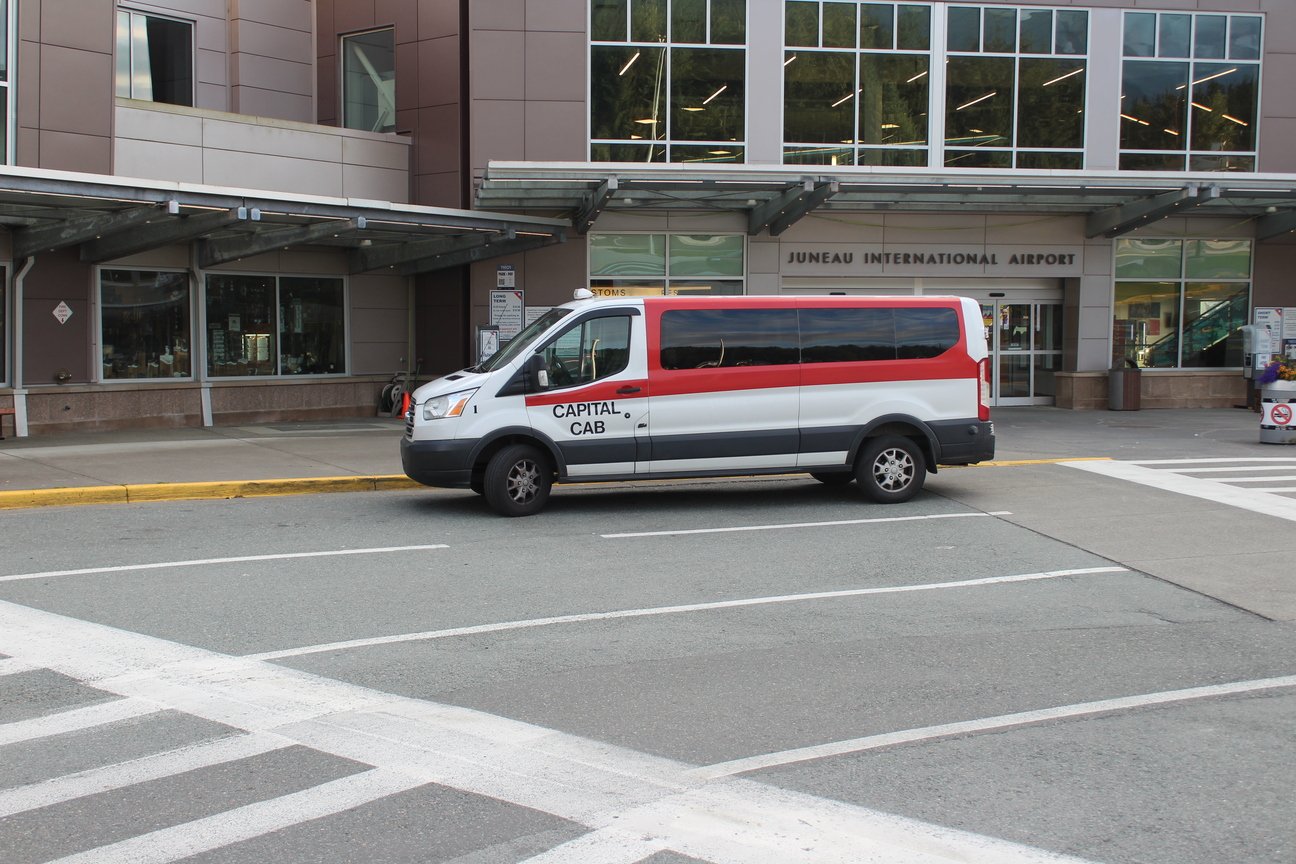
- Public Transit: The Capital City Transit bus system serves the airport area, connecting travelers to downtown Juneau and the Mendenhall Valley.
- Rideshare: Services like Uber and Lyft are active in Juneau in 2026, though availability can be limited during late-night arrivals or peak tourist hours.
Staying Near the Airport
There are several hotels within a mile of the terminal, primarily located in the Mendenhall Valley. These are often preferred by business travelers and those with early morning departures, as the commute to downtown Juneau takes approximately 15 to 20 minutes by car.
Security and Check-in
TSA procedures at JNU are generally efficient, but the airport can become extremely congested during the "banked" flight times—usually early morning and mid-afternoon—when multiple Alaska Airlines jets arrive and depart simultaneously. For those traveling with firearms or oversized outdoor gear (common in Alaska), extra time should be allotted for specialized screening.
Frequently Asked Questions
Is JNU an international airport?
Yes, Juneau is designated as an international airport. While it primarily handles domestic flights within Alaska and to the "Lower 48" (specifically Seattle), it has the facilities to process international charters and private customs clearances. In 2026, most international travelers reach Juneau by connecting through Seattle (SEA) or Vancouver (YVR).
Why do some sites list PAJN instead of JNU?
As noted earlier, PAJN is the ICAO code used by pilots and air traffic controllers. If you are looking at a technical flight tracking site, a weather briefing, or a professional aviation chart, PAJN is the standard. For booking a ticket or checking a flight status on an airline website, JNU is the correct code.
Can I fly directly to Juneau from outside the U.S.?
Direct scheduled international commercial flights are rare. Most international visitors arrive at JNU via a connecting flight from Seattle, Anchorage, or occasionally Minneapolis. Private aircraft coming from Canada or other international points must coordinate with U.S. Customs and Border Protection at Juneau for entry.
How far is the airport from downtown Juneau?
Juneau International Airport is located approximately 7 miles northwest of downtown Juneau. The drive usually takes 15 minutes, but during the summer months or during "rush hour" (when the legislative session is in peak), it can take closer to 25 minutes.
Is the airport open 24 hours?
The terminal building typically has set hours based on the flight schedule. While JNU does not usually host 24-hour commercial passenger service, the airfield itself remains operational for emergency medevac flights and private aviation. Sleeping in the terminal overnight is generally discouraged and often not permitted depending on security levels.
Does JNU have a floatplane base?
Yes, the Juneau International Airport includes a very active floatplane base located at the West Glacier Pond. It is one of the busiest in the state, serving as a hub for regional tourism and cargo transport to roadless areas.
Final Recommendations for Travelers using JNU
When planning a trip to Alaska's capital in 2026, the JNU airport code is your primary tool for logistics. Because of the region's reliance on air travel and the volatility of coastal weather, passengers should always opt for travel insurance that covers flight delays or cancellations.
Furthermore, if your itinerary involves a connection to a smaller Southeast Alaskan village, ensure you have a minimum of a three-hour layover at JNU. Transitioning from a major jet to a small regional commuter often involves moving baggage between different facilities and accounting for the weight-and-balance requirements of smaller aircraft. By understanding the infrastructure behind the code, you can ensure a smoother journey into the heart of the Great Land.