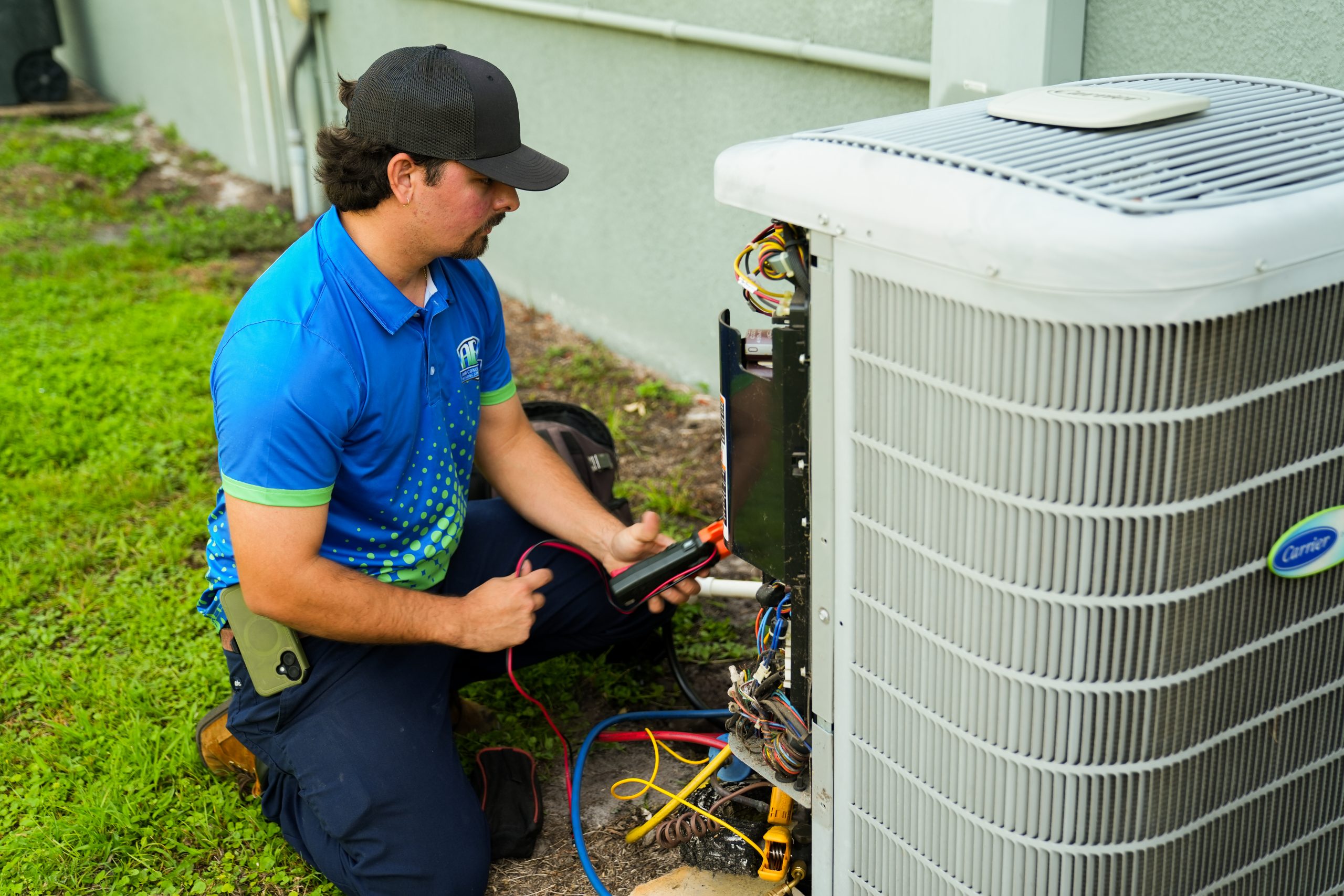
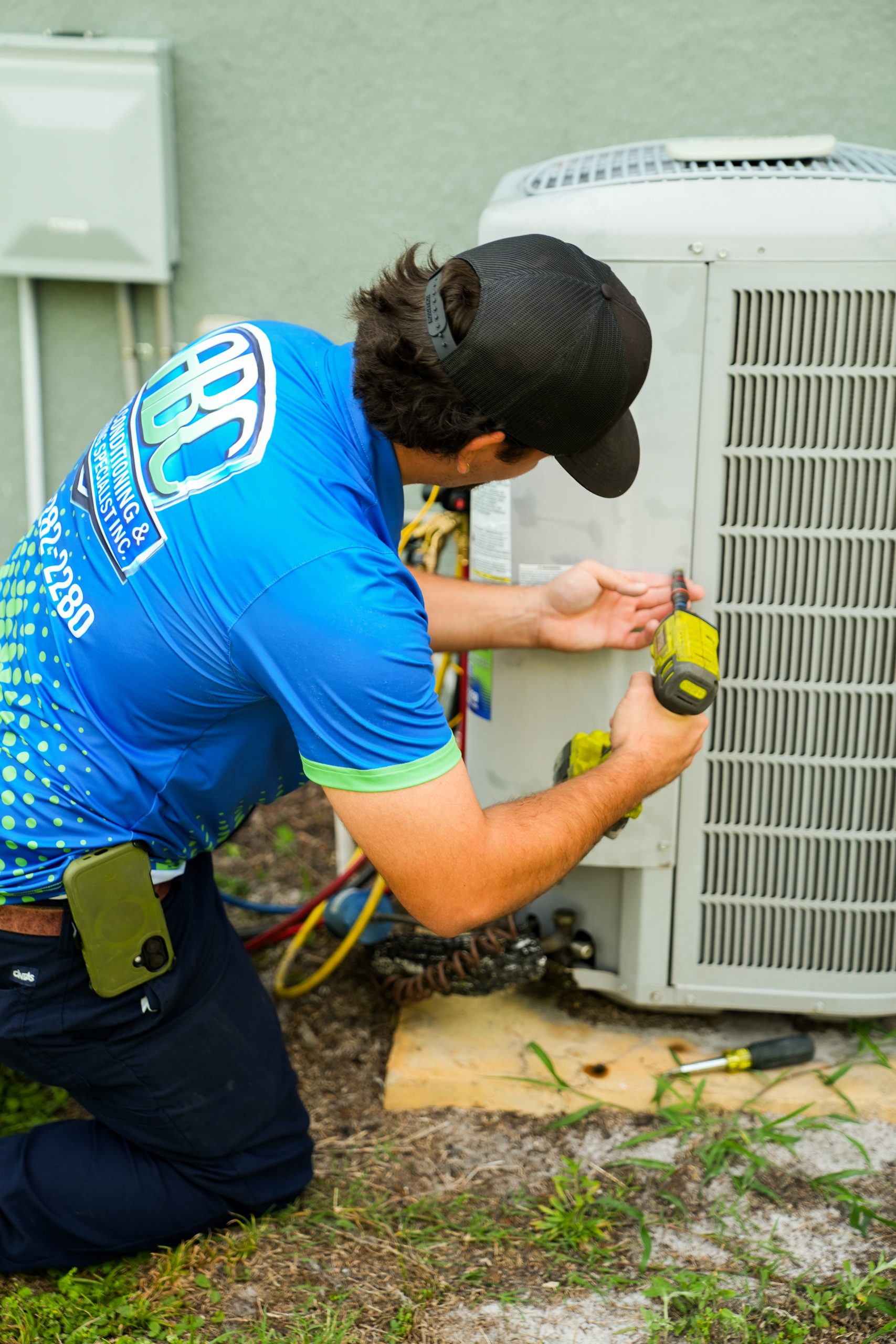
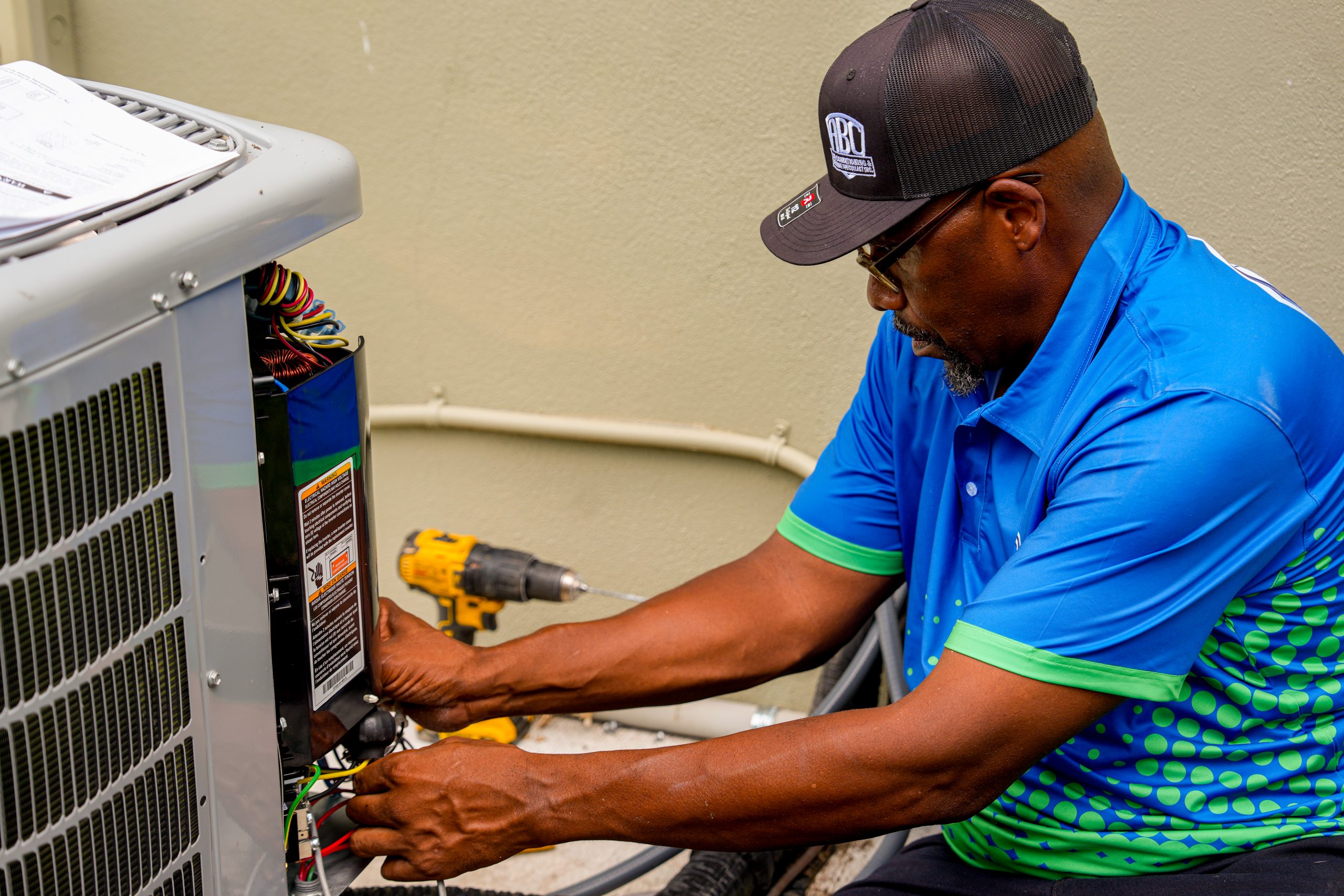
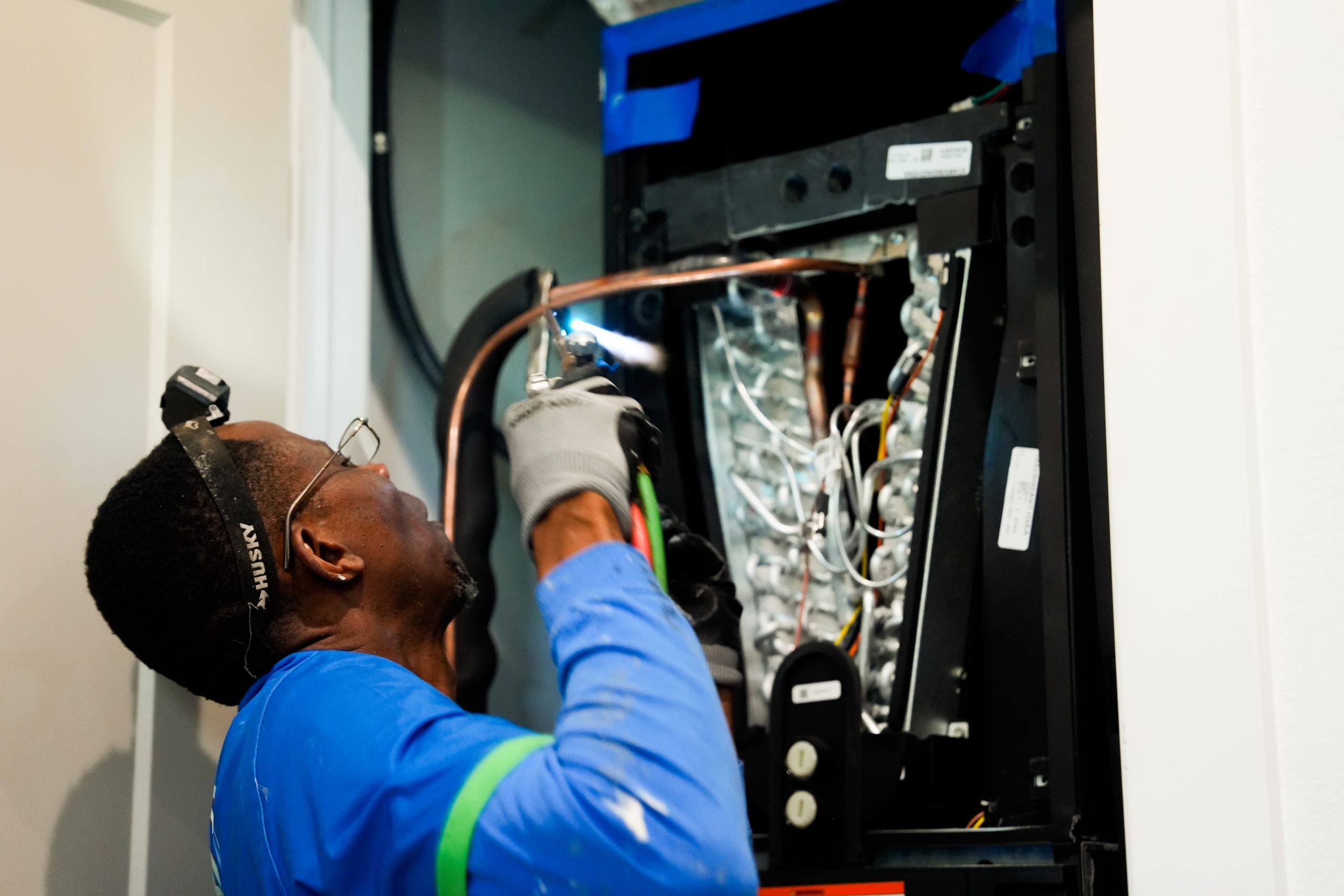
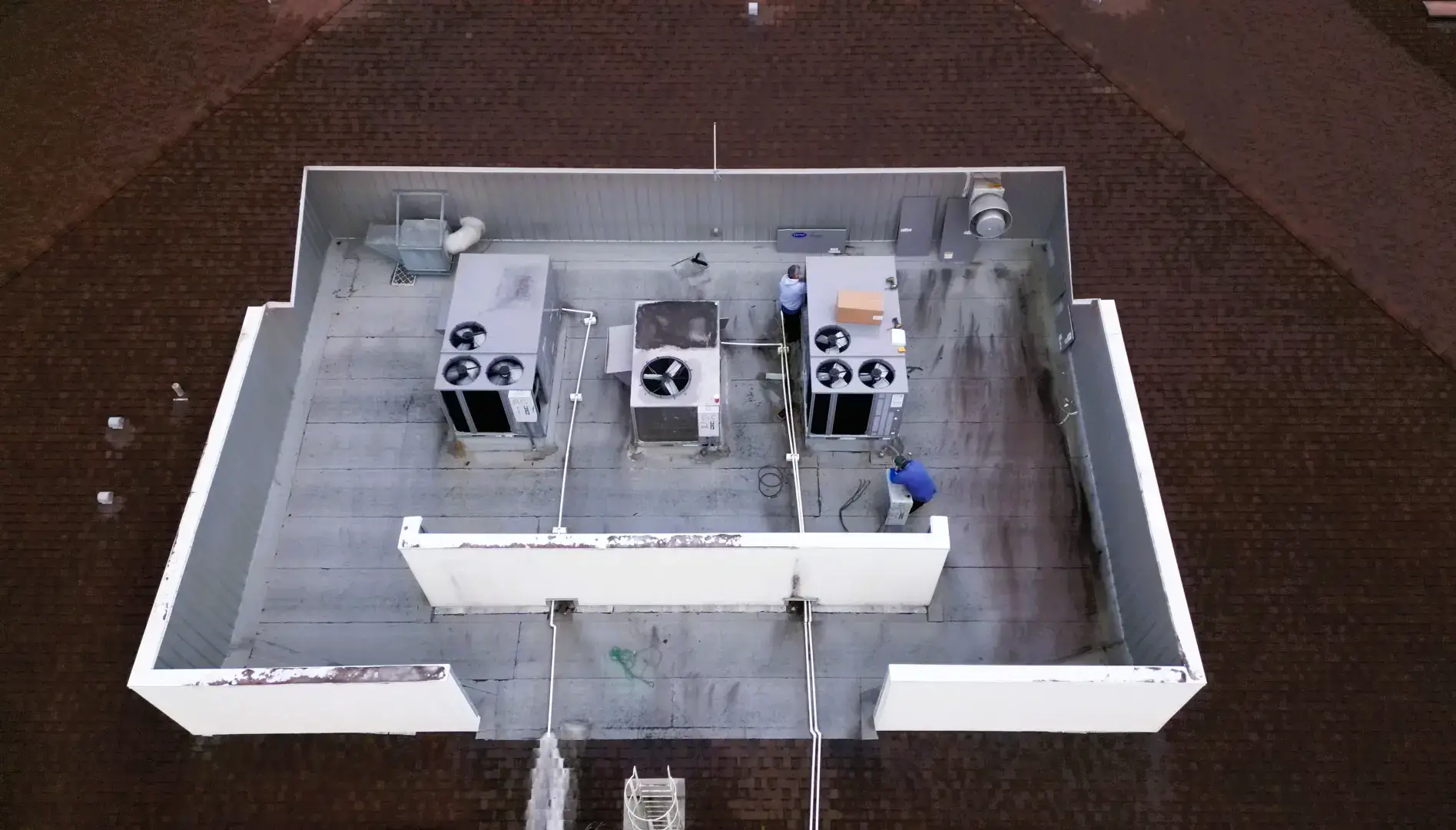
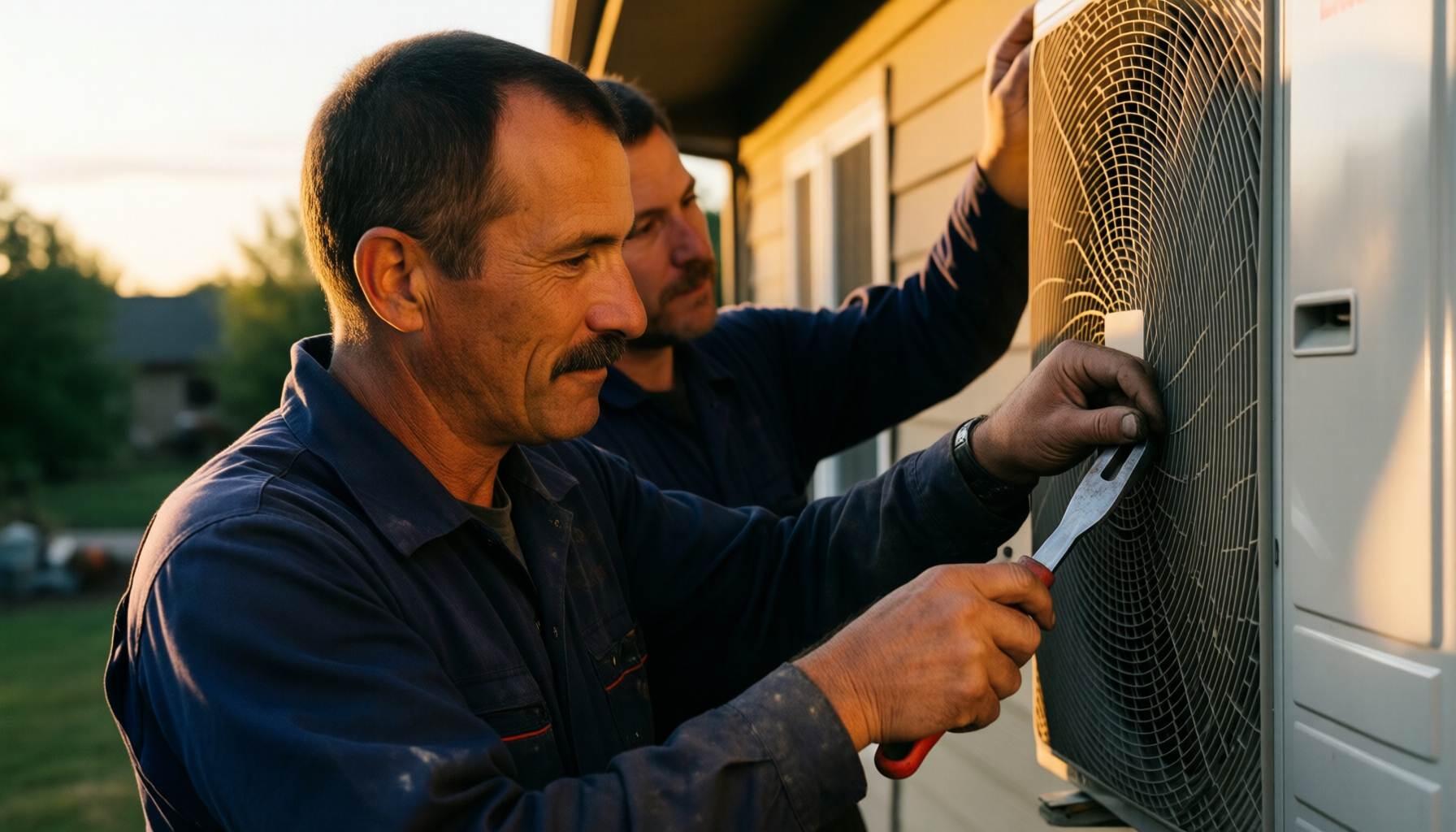
Air conditioning repair in Oviedo involves diagnosing and resolving mechanical, electrical, or refrigerant-related failures in cooling systems. Given the high humidity and heat levels in Central Florida, repairs typically focus on clogged condensate lines, failed capacitors, and refrigerant leaks. In 2026, professional service emphasizes efficiency, smart-home integration, and compliance with modern A2L refrigerant safety standards.
Understanding the Oviedo HVAC Landscape in 2026
Oviedo, Florida, presents a unique set of challenges for residential and commercial air conditioning systems. Situated in Seminole County, the local climate is characterized by intense heat and persistent humidity for a significant portion of the year. In 2026, the demand for high-efficiency cooling is at an all-time high, driven both by rising utility costs and the widespread adoption of newer, eco-friendly HVAC technologies.
The transition to new refrigerant standards, such as R-454B and R-32, is now the industry norm for new installations. However, many Oviedo homes still utilize older R-410A systems. This creates a dual-market for repair services: technicians must be proficient in both legacy system maintenance and the specific safety protocols required for the mildly flammable A2L refrigerants found in modern units. Homeowners must ensure their chosen contractor is equipped with the specialized leak detectors and recovery tanks necessary for these distinct chemical compositions.
Furthermore, the local infrastructure in Oviedo, which includes a mix of established neighborhoods like Twin Rivers and newer developments along the Mitchell Hammock corridor, means that HVAC systems vary significantly in age. Older homes often face ductwork degradation and insulation issues, while newer builds may struggle with the complexities of multi-stage compressors and sophisticated zoning sensors. Understanding these local nuances is the first step in identifying the right repair path.
Common Air Conditioning Failures in Central Florida
The environmental conditions in Oviedo accelerate wear and tear on specific HVAC components. Knowing what typically fails allows homeowners to communicate more effectively with technicians and identify early warning signs.
Condensate Drain Line Clogs
Due to the extreme humidity, AC units in Florida remove gallons of water from the air daily. This moisture, combined with dust and high temperatures, creates a breeding ground for algae and "sludge" within the primary and secondary drain lines. If the line clogs, water backs up into the drain pan. Modern systems in 2026 are usually equipped with float switches that shut the unit down to prevent flooding, but older systems may leak, causing significant ceiling or floor damage.
Capacitor and Electrical Component Failure
Oviedo is no stranger to afternoon thunderstorms and frequent lightning strikes. Power surges are a primary cause of capacitor failure. The capacitor acts as a battery to provide the initial "kick" needed to start the compressor and fan motors. High ambient temperatures also stress these components. When a capacitor fails, you may hear a humming sound from the outdoor unit, but the fan will not spin, or the compressor will fail to engage.
Evaporator and Condenser Coil Corrosion
The proximity to coastal air, combined with the chemical reactions caused by household cleaners and VOCs (Volatile Organic Compounds), can lead to formicary corrosion on copper coils. This results in microscopic pinhole leaks that allow refrigerant to escape. In 2026, many manufacturers have shifted toward all-aluminum coils to combat this issue, but repair for leaking copper coils remains a common and often expensive service for legacy systems in Oviedo.
Navigating the Repair vs. Replacement Decision
One of the most difficult decisions a homeowner faces is whether to invest in a costly repair or replace the entire HVAC system. In 2026, this decision is influenced by the "5,000 Rule" (age of the unit multiplied by the repair cost; if it exceeds $5,000, replacement is often better) and the current state of refrigerant availability.
If a system is more than 10 to 12 years old and requires a major component replacement—such as a compressor or an evaporator coil—the long-term value of a repair is often low. New units in 2026 offer SEER2 ratings that significantly outperform units from 2015, leading to monthly energy savings that can offset the financing costs of a new installation. Additionally, if an older R-410A system has a major leak, the rising cost of phased-out refrigerants makes a simple "recharge" a poor financial move compared to upgrading to a modern A2L system.
Conversely, if the system is relatively new (under 7 years) and the failure is isolated to a fan motor, capacitor, or contactor, repair is almost always the preferred route. Most units are still under a 10-year parts warranty during this window, meaning the homeowner only bears the cost of labor and refrigerant.
Professional Licensing and Verification in Florida
In Florida, HVAC work is strictly regulated by the Department of Business and Professional Regulation (DBPR). It is a third-degree felony for an individual to perform HVAC repairs without a valid state license. This regulation is in place to protect homeowners from substandard work that can lead to electrical fires, refrigerant poisoning, or structural damage.
When hiring a technician in Oviedo, homeowners should verify the following:
- License Type: A "Class A" contractor can work on any size unit, while a "Class B" contractor is limited to systems up to 20 tons (which covers almost all residential needs).
- EPA Section 608 Certification: This is federally required for any technician handling refrigerants. In 2026, verify the tech is also certified for A2L (flammable) refrigerant handling.
- Insurance: Workers' compensation and general liability insurance are non-negotiable. Without these, the homeowner could be held liable for injuries occurring on their property.
Checking the DBPR online portal for any history of complaints or disciplinary actions is a recommended step before signing a contract for major repairs.
2026 HVAC Service and Repair Cost Estimates
Pricing for AC repair in Oviedo has stabilized in 2026 following the supply chain fluctuations of previous years, but labor rates remain reflective of the specialized training required for modern systems.
| Service Item | Estimated Cost Range (2026) | Description |
|---|---|---|
| Service Call / Diagnostic | $89 – $150 | Includes travel and initial troubleshooting. |
| Capacitor Replacement | $150 – $350 | Includes part and labor for start/run capacitors. |
| Condensate Drain Clear | $120 – $250 | High-pressure blowout and antimicrobial treatment. |
| Blower Motor Replacement | $600 – $1,200 | Cost varies by motor type (PSC vs. ECM). |
| Refrigerant Recharge (R-410A) | $100 – $200 per lb | Price is high due to the ongoing EPA phase-down. |
| Refrigerant Recharge (A2L) | $60 – $120 per lb | Newer refrigerants are currently more available. |
| Evaporator Coil Repair | $1,500 – $2,800 | Includes coil, labor, and refrigerant recovery. |
| Smart Thermostat Install | $250 – $500 | Includes unit and professional calibration. |
Note: Costs are estimates and can vary based on brand, system accessibility, and emergency after-hours fees.
The Role of Preventative Maintenance
In Oviedo's climate, preventative maintenance is not a luxury; it is a mechanical necessity. Most manufacturers require documented annual maintenance to keep warranties valid. A comprehensive "Precision Tune-up" in 2026 goes beyond a simple filter change.
A professional maintenance visit should include cleaning the condenser coils to ensure heat transfer is efficient, checking all electrical connections for tightness, and measuring the "subcooling" and "superheat" of the refrigerant. Technicians should also inspect the ductwork for leaks. In the humid Florida environment, even a small leak in the attic ducting can suck in hot, moist air, leading to indoor mold growth and massive energy bills.
For Oviedo residents, the best times for maintenance are late February (before the spring heat) and October (after the peak summer stress). Many local companies offer maintenance agreements that include two visits per year and discounted repair rates, which often pay for themselves through extended system life and improved efficiency.
Troubleshooting Common Issues Before Calling a Pro
Before scheduling an emergency repair, Oviedo homeowners can perform a few basic checks to rule out simple issues.
- Check the Thermostat: Ensure the batteries are fresh and the setting is on "Cool" and "Auto" rather than "On." If the display is blank, it may be a blown fuse or a tripped float switch.
- Inspect the Air Filter: A heavily soiled filter restricts airflow, which can cause the evaporator coil to freeze. If you see ice on the copper lines outside or near the indoor air handler, turn the system off immediately and let it thaw.
- Reset the Circuit Breaker: Check the home’s main electrical panel and the outdoor disconnect box. A power surge may have tripped the breaker. If it trips again immediately after resetting, do not attempt a third time; this indicates a dangerous electrical short.
- Clear the Drain Line: If you have a wet/dry vacuum, you can often clear a simple clog by suctioning the end of the drain line located outside the house.
If these steps do not restore cooling, a professional diagnostic is required to prevent further damage to the compressor.
Emergency Services and Storm Preparedness
In Oviedo, an AC failure during July or August is often considered a health emergency, particularly for the elderly or those with respiratory conditions. Many local HVAC companies offer 24/7 emergency services.
Storm preparedness is also a critical component of HVAC care. During hurricane season, homeowners should ensure the outdoor condenser unit is securely anchored to its pad. In the event of a predicted storm, it is often safer to turn the system off at the thermostat and the breaker to prevent electrical damage from power surges or "brownouts." Once the storm passes, inspect the outdoor unit for debris or flooding before turning it back on. If the unit was submerged in water, do not attempt to start it; the electrical components and compressor oil may be contaminated.
Frequently Asked Questions
Why is my AC running but not cooling my Oviedo home?
This is often caused by a refrigerant leak or a failing compressor. In the Oviedo area, high humidity can also cause the indoor coils to freeze over if airflow is restricted. Check your filter first; if it’s clean, you likely have a mechanical issue or a leak that requires a licensed technician to diagnose.
How often should I change my AC filter in Florida?
In 2026, with higher levels of indoor pollutants and the Florida heat, it is recommended to change standard 1-inch pleat filters every 30 days. If you have a high-efficiency 4-inch media filter, these can typically last 3 to 6 months, but they should be inspected monthly during the peak summer season.
Is it worth repairing an R-410A system in 2026?
It depends on the repair. Minor electrical repairs are worth it. However, if the system requires a new compressor or has a major refrigerant leak, the high cost of R-410A (which is being phased out) often makes it more cost-effective to upgrade to a new system using modern refrigerants like R-454B.
What is the average lifespan of an AC unit in Oviedo?
Due to the intense workload and humidity, the average lifespan of an air conditioner in Central Florida is 10 to 12 years. Units located closer to the coast or those that are not regularly maintained may fail as early as 8 years, while well-maintained systems can occasionally reach 15 years.
Can I perform my own AC repairs?
While homeowners can change filters and clear drain lines, most other repairs involve high-voltage electricity and pressurized refrigerants. In Florida, you must be licensed to handle refrigerant or perform significant electrical work on an HVAC system. Attempting DIY repairs can void your warranty and pose a significant safety risk.
Why does my AC smell like "dirty socks"?
This is commonly known as "Dirty Sock Syndrome," caused by bacteria and mold buildup on the evaporator coils. It is particularly common in Oviedo’s humid environment. A professional cleaning of the coils and the installation of a UV light system or an iWave air purifier can usually resolve this issue.
Next Actions for Oviedo Residents
If your air conditioning system is underperforming or has failed, the first step is to turn the system off at the thermostat to prevent further mechanical damage. Document the specific symptoms, such as unusual noises, smells, or error codes on the thermostat. Verify the age of your unit and whether it is still under manufacturer warranty. Finally, contact a licensed Oviedo HVAC contractor with positive local reviews and verify their license status through the Florida DBPR website before authorizing any significant repairs.