Selecting an air conditioner for a small space requires balancing cooling capacity, physical dimensions, electrical requirements, and noise levels to ensure comfort without wasting energy or overwhelming a compact room.
Finding the right air conditioner for a small space involves understanding British Thermal Units (BTUs), evaluating different unit formats like window units, portables, and mini-splits, and matching the equipment to the specific room dimensions. Small rooms, such as studio apartments, home offices, bedrooms, and tiny homes, present unique climate control challenges. Because the square footage is limited, an oversized unit will cool the space too quickly without removing sufficient humidity, leaving the room damp and clammy. Conversely, an undersized unit will run continuously, driving up electricity bills while failing to reach a comfortable temperature.
This guide examines the core factors you must evaluate when shopping for compact air conditioning solutions, breaks down the mechanical differences between available styles, and provides clear methodologies for calculating your exact cooling requirements.
Understanding Cooling Capacity: The BTU Principle
The foundational metric for any air conditioner is its BTU (British Thermal Unit) rating, which measures the amount of heat the unit can remove from the air per hour. For small spaces, precision is critical.
The Sizing Equation for Compact Rooms
Many buyers assume that any low-BTU unit will work in a small room, but spatial dynamics, window orientation, and insulation quality dictate real-world performance. A standard baseline for residential cooling is approximately 20 BTUs per square foot of living space. However, this baseline assumes standard eight-foot ceilings and average insulation.
- Rooms up to 150 square feet (e.g., small bedrooms, walk-in closets): Generally require a 5,000 BTU air conditioner.
- Rooms 150 to 250 square feet (e.g., larger bedrooms, home offices, dorm rooms): Typically require a 6,000 to 7,000 BTU air conditioner.
- Rooms 250 to 350 square feet (e.g., studio apartments, small living rooms): Usually call for an 8,000 BTU air conditioner.
Environmental Factors That Alter BTU Requirements
Raw square footage is only part of the equation. You must adjust your BTU target upward or downward based on several environmental variables:
- Sun Exposure: If the small space receives direct, intense sunlight through large windows, increase the cooling capacity by 10%.
- Kitchen Proximity: If the small space is an open-concept studio adjacent to a kitchen, add 1,000 BTUs to account for heat generated by cooking appliances.
- Occupancy: Add 600 BTUs for each additional person who regularly occupies the room beyond the baseline assumption of two people.
- Climate Zone: In extremely hot, arid regions or humid coastal environments, thermal transfer through walls is faster, occasionally necessitating a slightly higher capacity model.
Types of Air Conditioners for Small Spaces
Once you determine the appropriate BTU rating, you must choose the physical form factor that suits your building constraints, window design, and lifestyle.
| Air Conditioner Type | Best Suited For | Pros | Cons |
|---|---|---|---|
| Window Air Conditioner | Standard double-hung or slider windows | High energy efficiency, lower cost, permanent or seasonal installation | Blocks window view, requires secure lifting and installation |
| Portable Air Conditioner | Casement windows, renters, or rooms without window clearance | Easy mobility, simple hose-based venting, no heavy lifting in the window frame | Less efficient (single-hose models), takes up floor space, noisier operation |
| Mini-Split (Ductless) | Permanent installations, older homes without ductwork, tiny homes | Whisper-quiet operation, exceptional efficiency, zoned climate control | High upfront purchase and professional installation cost |
| Casement / Vertical Window Unit | Slider or crank-out windows that open sideways | Designed specifically for non-standard window openings | Limited brand options, higher price point than standard window units |
Window Units: The Gold Standard for Efficiency
Traditional window air conditioners remain the most cost-effective and energy-efficient choice for small spaces. Because the entire compressor and condenser assembly sits outside the building envelope, mechanical noise is kept outdoors, and heat exchange is highly optimized. Modern window units designed for small spaces often feature inverter compressors, which adjust their motor speed dynamically rather than cycling completely on and off. This reduces temperature fluctuations and lowers energy consumption.
Portable Units: Flexibility at a Cost
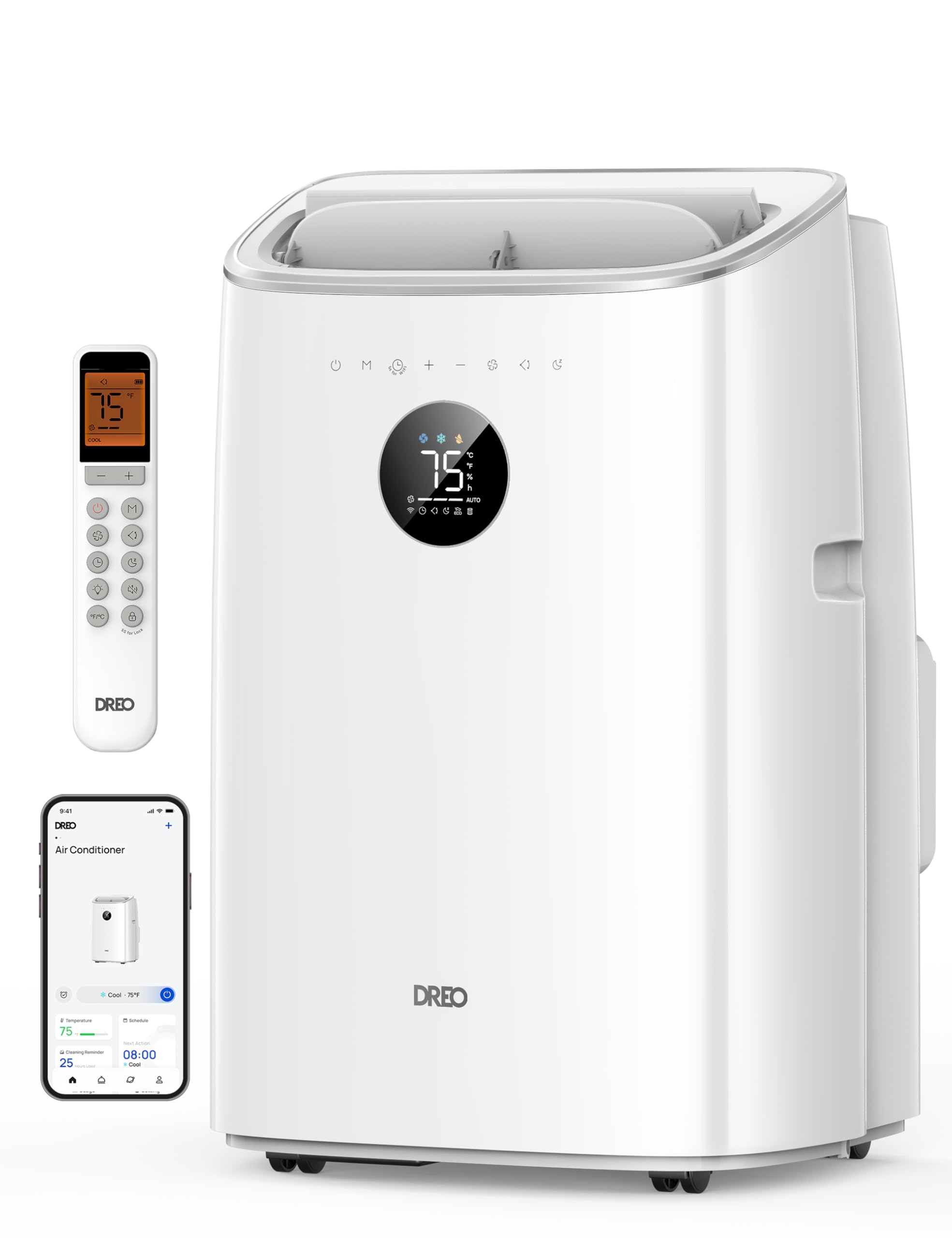
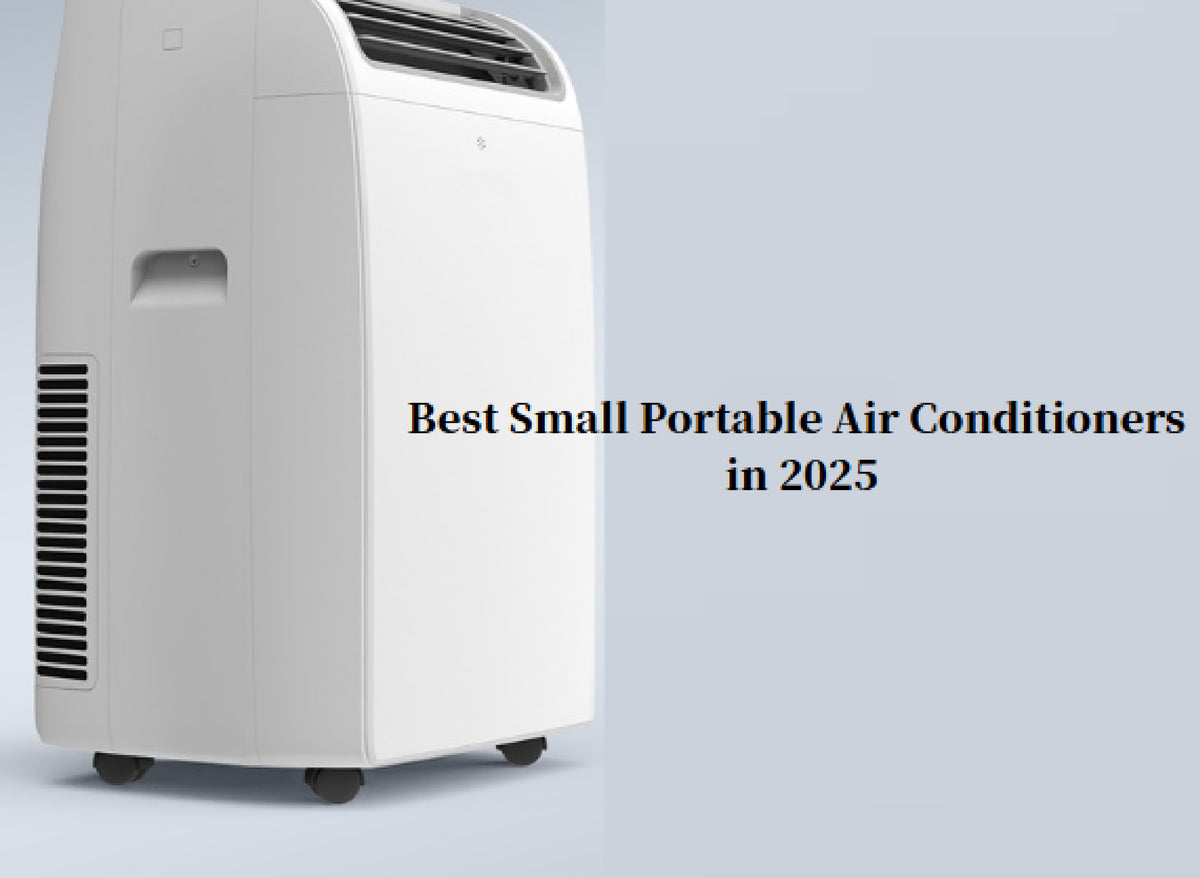
Portable air conditioners feature all cooling components inside a chassis that sits on the floor of the room, venting hot air outside through a flexible hose inserted into a window bracket. While they offer unmatched versatility—allowing you to wheel the unit from a home office by day to a bedroom by night—they have distinct thermodynamic drawbacks. Single-hose portable units pull indoor air, run it over the condenser coils to cool it, and expel that air outside. This creates negative pressure in the room, drawing unconditioned outside air in through door cracks and wall gaps. Dual-hose models mitigate this by using one hose to draw outdoor air for cooling the condenser and a second hose to exhaust it, making them significantly more efficient for small spaces.
Ductless Mini-Splits: Premium Permanent Performance
For tiny homes, converted garage offices, or small apartments where window units are prohibited by building rules, a ductless mini-split system is the premier technical solution. A mini-split consists of a compact indoor air-handling unit mounted high on a wall, connected via a narrow conduit to a sleek outdoor compressor. They deliver precise temperature control, operate at near-silent decibel levels, and boast exceptionally high seasonal energy efficiency ratios (SEER). The primary trade-off is the need for professional installation, which involves drilling a small hole through the exterior wall for refrigerant lines and electrical wiring.
Key Technical Specifications to Evaluate
Evaluating an air conditioner for a small space goes beyond matching BTUs. Reviewing specific performance ratings ensures long-term comfort and manageable utility bills.
Energy Efficiency Metrics
Look for the Energy Efficiency Ratio (EER) or Combined Energy Efficiency Ratio (CEER) on the EnergyGuide label. A higher EER or CEER indicates greater efficiency, meaning the unit provides more cooling per watt of electricity consumed. In many regions, models bearing the ENERGY STAR certification meet strict efficiency guidelines set by the U.S. Environmental Protection Agency, reducing annual operating costs.
Noise Levels (Decibels)
In a small space, an air conditioner is close to where you sleep, work, or relax. Noise level is a major factor in user satisfaction.
- Traditional window units often operate between 50 and 60 decibels (dB), comparable to a standard refrigerator or moderate rainfall.
- Modern inverter window units and mini-splits can drop below 42 to 45 dB on their lowest settings, ensuring they will not disrupt sleep or phone calls.
Dehumidification Capacity
Small spaces accumulate moisture quickly, especially bedrooms and home offices. Air conditioners naturally dehumidify the air as moisture condenses on the cold evaporator coils. Manufacturers measure this capability in pints per day. In humid climates, select a unit with a robust moisture removal rate to prevent the air from feeling heavy or promoting mold growth.
Installation, Venting, and Electrical Requirements
Proper setup is essential for safety and optimal cooling performance. Even the best-engineered air conditioner will underperform if installed incorrectly.
Electrical Safety and Circuit Load
Small room air conditioners typically operate on standard household current: 115 volts, 60 Hz.
- 5,000 to 8,000 BTU units generally draw between 4 and 8 amps, consuming roughly 500 to 900 watts.
- Always plug a room air conditioner directly into a wall outlet. Avoid extension cords or power strips, which can overheat under the continuous electrical load of a compressor, creating a serious fire hazard.
- Verify that the circuit breaker handling the room can support the startup amperage, particularly if other heavy appliances (like computers, space heaters, or refrigerators) share the same circuit.
Proper Venting for Portable Units
If you choose a portable air conditioner, the window venting kit must be sealed tightly. Gaps around the exhaust hose allow hot outdoor air to leak back into your small space, neutralizing the cooling effect. Use foam weather stripping to seal the edges of the window slider panel, and insulate the flexible exhaust hose itself if it radiates heat into the room.
Common Mistakes When Cooling Small Spaces
Avoid these frequent pitfalls to ensure your air conditioning investment delivers maximum comfort:
- Buying an Oversized Unit: Purchasing a 12,000 BTU unit for a 150-square-foot bedroom causes short-cycling. The unit cools the air instantly and shuts off before the coils can extract moisture, leaving the room cold and humid.
- Ignoring Maintenance: Failing to clean or replace air filters every two weeks restricts airflow, forces the compressor to work harder, and drives up electricity bills while reducing cooling output.
- Neglecting Drainage Management: Window units require a slight outward tilt during installation so condensation drains outside properly. Conversely, portable units require periodic manual draining or continuous gravity-drain setup, depending on the humidity level and whether the unit features self-evaporating technology.
- Placing Heat Sources Near Thermostats: Placing lamps, televisions, or direct sunlight near the air conditioner's intake sensor tricks the unit into thinking the room is warmer than it actually is, causing it to run longer than necessary.
Frequently Asked Questions
Can I use a 5,000 BTU air conditioner in a 200-square-foot room?
Yes, provided the room has standard insulation, average ceiling height, and moderate sun exposure. However, if the room gets direct afternoon sun or has multiple occupants, a 6,000 or 8,000 BTU unit will maintain the target temperature more reliably.
Why does my portable air conditioner make my room feel humid?
Single-hose portable air conditioners expel conditioned indoor air through the exhaust hose, creating negative pressure. This draws warm, humid air into the room through cracks around doors and windows. Upgrading to a dual-hose model or sealing air leaks resolves this issue.
How often should I clean the air filter on a small room air conditioner?
You should inspect and clean the mesh air filter every two weeks during the cooling season. Wash it gently with warm water and mild soap, let it dry completely, and reinstall it to maintain efficient airflow and indoor air quality.
Are inverter air conditioners worth the extra cost for small spaces?
Yes. Inverter compressors vary their speed continuously rather than turning completely on and off. This eliminates sudden noise spikes, maintains a more stable room temperature, and uses significantly less electricity over time.
Do small air conditioners require a dedicated circuit?
Most small-space air conditioners (under 8,000 BTUs) run safely on a standard 15-amp shared household circuit. However, you should check the manufacturer's manual and avoid running other high-draw appliances on the same circuit simultaneously.
Next Steps for Your Purchase
Before purchasing an air conditioner for your small space, measure your room's square footage, note your window type (double-hung, sliding, or casement), and check the amperage rating of the room's electrical outlet. If you rent, verify building management policies regarding window unit protrusions or exterior brackets. By matching your precise physical and thermodynamic requirements to the correct BTU rating and unit style, you will achieve reliable, energy-efficient comfort all summer long.