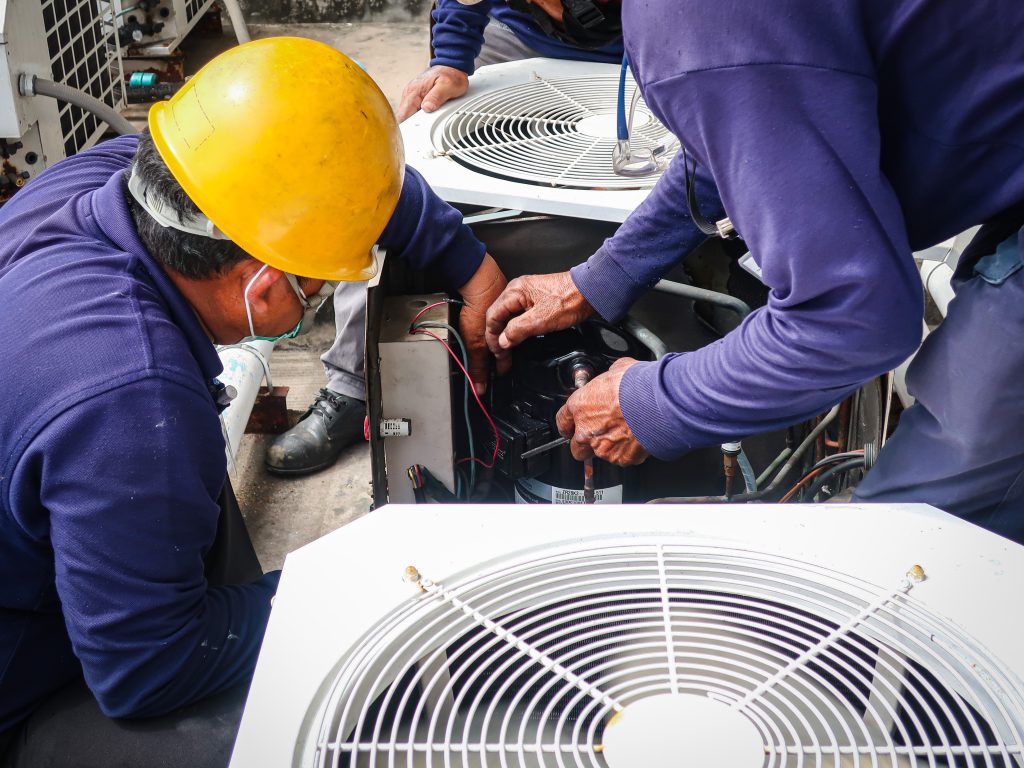
Navigating air conditioner service in Dallas, Texas, requires understanding local climate demands, typical repair costs, preventive maintenance schedules, and how to choose a licensed technician who can handle extreme summer heat. Because North Texas summers consistently push temperatures past 100 degrees Fahrenheit, maintaining a reliable HVAC system is essential for both home comfort and safety.
Understanding the Dallas Climate and HVAC Demands
The climate in Dallas, Texas, creates uniquely grueling operating conditions for residential and commercial cooling systems. High summer temperatures, combined with considerable humidity during shoulder seasons, force air conditioning units to run for extended cycles over five to six months out of the year. This continuous workload accelerates wear and tear on critical mechanical components, making regular maintenance an absolute necessity rather than an optional luxury.
When an air conditioner operates continuously under high thermal stress, electrical components like capacitors and contactors degrade faster. Furthermore, the region's heavy reliance on cooling means that minor inefficiencies—such as low refrigerant levels or restricted airflow—can cause sharp spikes in monthly electricity bills. Recognizing how the local environment impacts mechanical systems helps homeowners anticipate maintenance needs before total system failures occur.
Essential Types of Air Conditioner Services
Air conditioner service in Dallas generally falls into three main categories: routine preventive maintenance, diagnostic repairs, and full system replacements. Each service plays a distinct role in keeping indoor environments comfortable and energy-efficient.
Preventive Maintenance and Tune-Ups
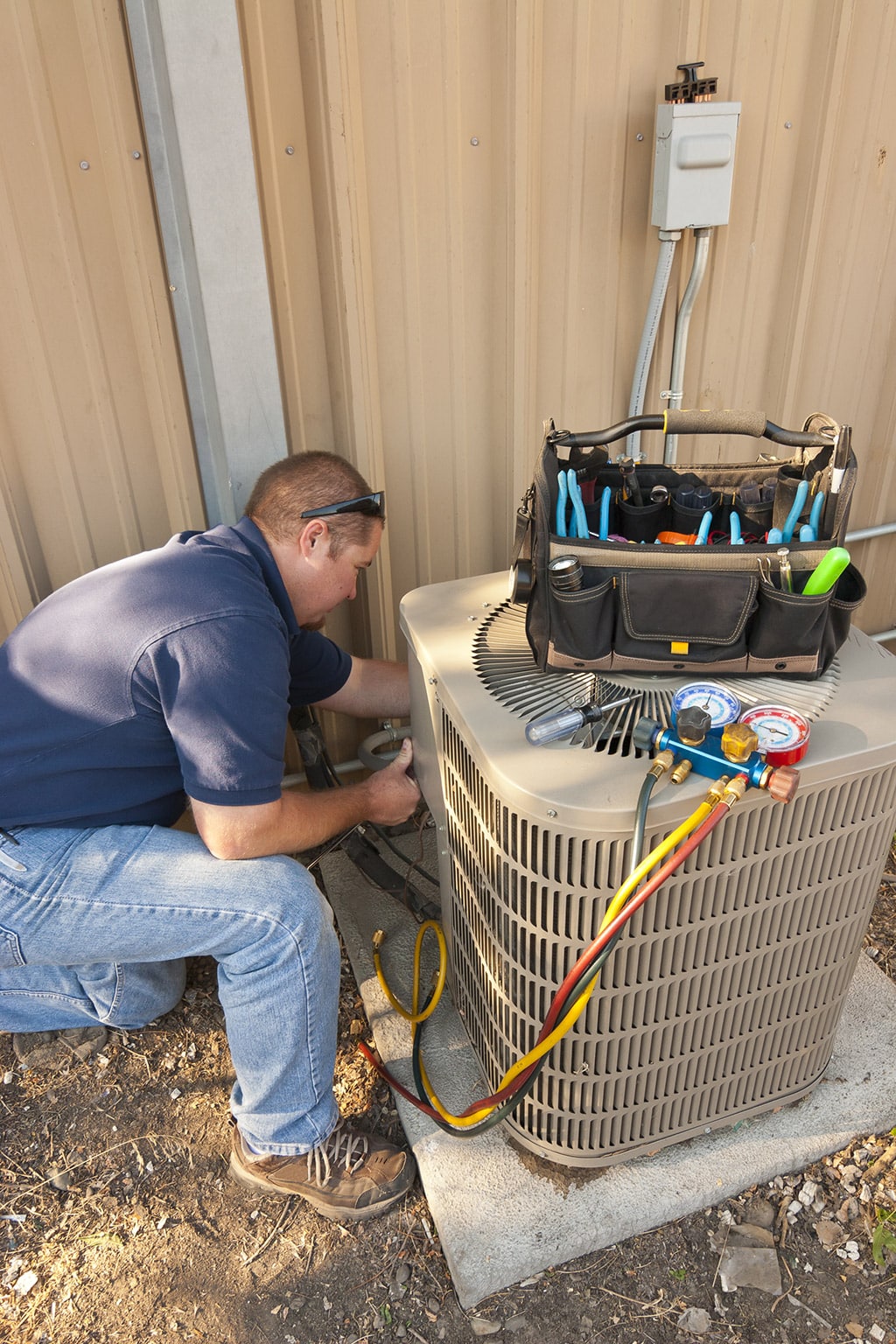
Routine maintenance typically occurs twice a year—once in the spring before heavy cooling loads begin, and once in the autumn for heating systems. A standard maintenance visit involves:
- Cleaning evaporator and condenser coils
- Checking refrigerant pressures and testing for leaks
- Lubricating moving parts, such as fan motors and bearings
- Inspecting electrical wiring and tightening connections
- Testing thermostat calibration and cycling performance
- Flushing and clearing the condensate drain line
Diagnostic and Emergency Repairs
Even with regular maintenance, components can fail unexpectedly. Common issues in Dallas homes include burnt-out capacitors due to voltage surges from summer storms, malfunctioning blower motors, and frozen evaporator coils caused by restricted airflow. Emergency repair services are widely available across the Dallas-Fort Worth metroplex, though after-hours and weekend call-out fees typically apply.
System Replacement and Retrofitting
When an air conditioner reaches 10 to 15 years of age or suffers a catastrophic compressor failure, replacement becomes more cost-effective than continuous repair. Modern units utilize higher-efficiency scroll compressors, variable-speed blowers, and environmentally compliant refrigerants like R-410A (and newer transition refrigerants), which significantly lower operating costs in hot climates.
| Service Type | Recommended Frequency | Typical Purpose | Primary Benefits |
|---|---|---|---|
| Spring Tune-Up | Annually (March–May) | Prepare system for peak summer heat | Improves efficiency, prevents mid-summer breakdowns |
| Fall Tune-Up | Annually (September–November) | Inspect heating and transition components | Extends equipment lifespan, ensures safe operation |
| Diagnostic Repair | As needed | Fix specific malfunctions or performance drops | Restores comfort, prevents secondary component damage |
| Duct Cleaning | Every 3 to 5 years | Remove accumulated dust, pollen, and debris | Enhances indoor air quality, optimizes airflow |
Regulatory Requirements and Licensing in Texas
In Texas, HVAC contractors must meet specific state-mandated licensing and insurance requirements to legally perform air conditioner service. The Texas Department of Licensing and Regulation (TDLR) oversees the licensing of air conditioning and refrigeration contractors.
Homeowners should always verify that a service provider holds a valid Air Conditioning Contractor License issued by the TDLR. Texas law requires two classes of licenses: Class A, which allows work on systems of any size, and Class B, which restricts work to residential and smaller commercial systems. Additionally, technicians handling refrigerants must be certified under Section 608 of the federal Clean Air Act by the Environmental Protection Agency (EPA). Working with unlicensed technicians can void manufacturer warranties and leave homeowners unprotected if property damage or injury occurs during a service call.
Evaluating Repair Costs and Financial Considerations
Understanding typical pricing helps Dallas residents budget for HVAC maintenance and unexpected repairs. Costs vary based on the complexity of the job, the specific parts required, and whether the service is scheduled during regular business hours or as an emergency call.
- Diagnostic Fees: Most local companies charge a flat dispatch fee ranging from $79 to $150 just to visit the property and diagnose the issue. This fee is sometimes waived if the homeowner approves the recommended repair.
- Minor Repairs: Replacing a run capacitor or contactor typically costs between $150 and $350, including parts and labor.
- Refrigerant Leak Repair and Recharge: Finding a leak, sealing it, and recharging the system with refrigerant can range from $250 to over $1,500, depending on the type of refrigerant (such as older R-22 versus modern blends) and the size of the leak.
- Major Component Replacement: Replacing a compressor or blower motor often ranges from $1,200 to $2,500.
Many Dallas HVAC companies offer annual service agreements or maintenance memberships. These plans usually cost between $150 and $300 per year and include bi-annual tune-ups, priority scheduling during peak heatwaves, and discounts on parts and repairs.
How to Choose a Reliable HVAC Contractor in the Dallas-Fort Worth Area
The large number of service providers in the Dallas-Fort Worth market makes vetting contractors essential. To select a trustworthy professional, homeowners should evaluate several key factors:
- Verify Credentials: Check the TDLR online database to ensure the company's license is active and free of disciplinary actions.
- Check Insurance: Ensure the contractor carries both general liability insurance and workers' compensation coverage to protect against property damage and workplace accidents.
- Read Independent Reviews: Look for consistent feedback across multiple platforms, paying attention to how companies handle disputes and warranty claims.
- Demand Transparent Pricing: Reputable contractors provide written estimates before beginning any major work, outlining labor rates, parts costs, and warranty terms.
- Inquire About Warranties: Look for companies that offer labor warranties on repairs (typically one year) alongside manufacturer warranties on new equipment installations.
Frequently Asked Questions
How often should I service my air conditioner in Dallas?
You should service your air conditioner twice a year—once in the spring and once in the fall. Given the intense summer heat in Dallas, biannual check-ups ensure your system runs efficiently when demand is highest and help catch minor issues before they turn into costly breakdowns.
What causes an air conditioner to freeze up during summer?
A frozen evaporator coil is usually caused by restricted airflow or low refrigerant levels. Restricted airflow is often the result of a dirty air filter or blocked return vents. When airflow drops, the refrigerant inside the coil cannot absorb enough heat, causing moisture on the coil to freeze solid.
Are permits required to replace an air conditioner in Dallas?
Yes, the City of Dallas and surrounding municipalities require a mechanical permit for the installation or replacement of central air conditioning systems. Licensed contractors typically pull these permits as part of the installation package to ensure compliance with local building and energy codes.
How do I know if my AC technician is licensed in Texas?
You can verify a technician or company's credentials by searching the online database maintained by the Texas Department of Licensing and Regulation (TDLR). Contractors are required by law to display their license number on all trucks, invoices, and advertisements.
Is it worth buying an annual HVAC maintenance agreement?
For most Dallas homeowners, annual maintenance plans are worthwhile. They provide scheduled tune-ups that lower monthly utility bills, extend equipment life, and often include perks like priority emergency service and repair discounts during peak summer months.
Next Steps for Homeowners
To keep your cooling system running smoothly, start by checking and replacing your air filters every 30 to 60 days during peak cooling season. If your system is overdue for its seasonal tune-up, verify local TDLR-licensed contractors and schedule a comprehensive inspection before extreme summer temperatures set in. Proactive maintenance remains the most effective way to safeguard your comfort, protect your equipment investment, and avoid emergency repair bills.