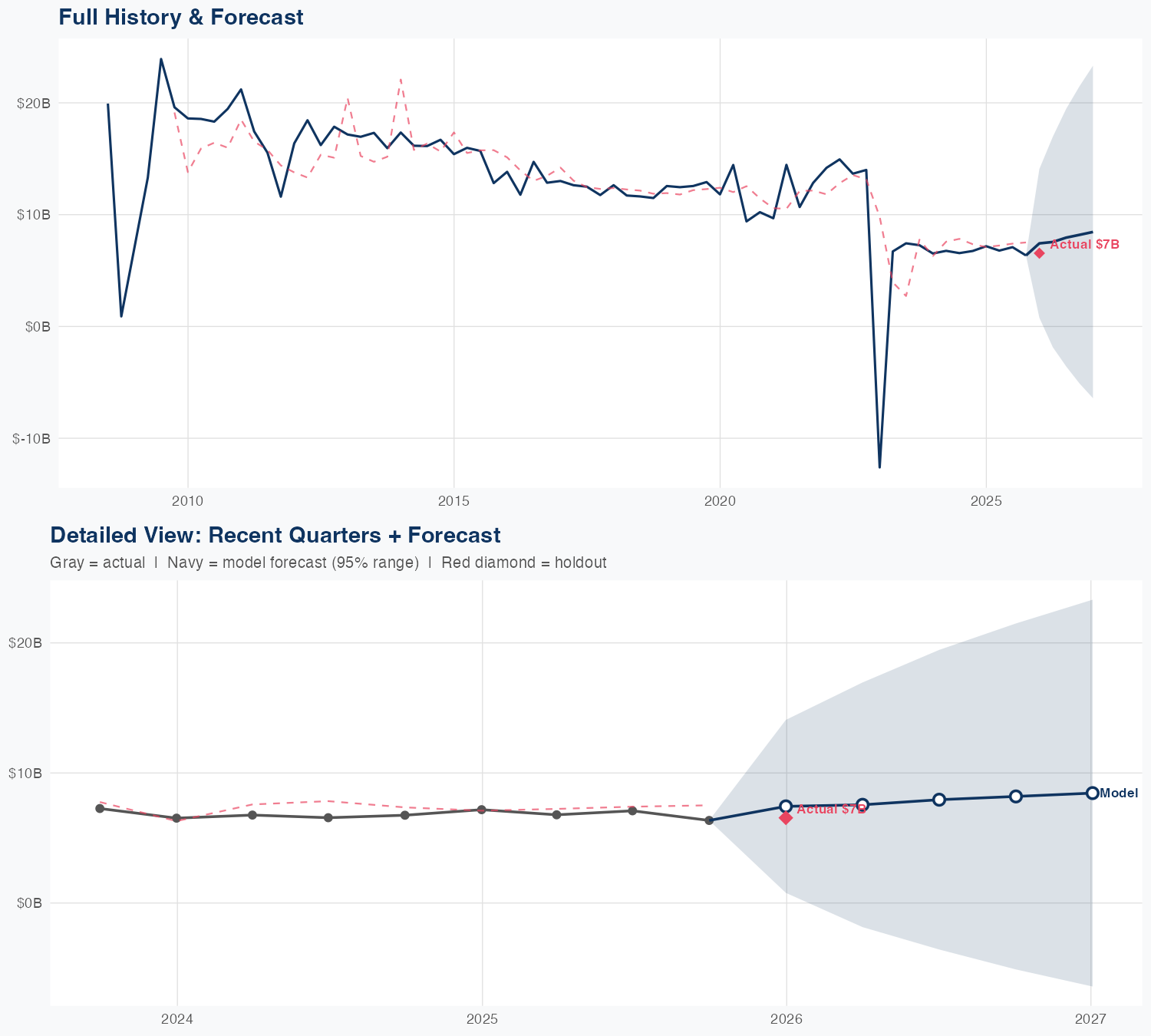
American International Group (AIG) generates annual revenue primarily through insurance premiums, policy fees, and net investment income. For the 2025 fiscal year, AIG reported total consolidated revenue of approximately $47.5 billion. This figure reflects the company's strategic shift toward a pure-play property and casualty (P&C) insurer following the deconsolidation of its life and retirement unit, Corebridge Financial.
Understanding the revenue of a global insurance giant like AIG requires more than a glance at the top-line figures. AIG’s financial structure has undergone a radical transformation over the last five years, moving from a multi-line conglomerate to a streamlined organization focused on high-margin General Insurance. To explain AIG's annual revenue, we must examine the components of its income statement, the performance of its diverse business segments, and the macroeconomic factors that dictate its earning potential in 2026 and beyond.
The Three Pillars of AIG Revenue
AIG’s total revenue is not a monolithic sum but a combination of three distinct streams. Each stream reacts differently to market conditions, and understanding their interplay is essential for any financial analysis.
1. Net Premiums Earned
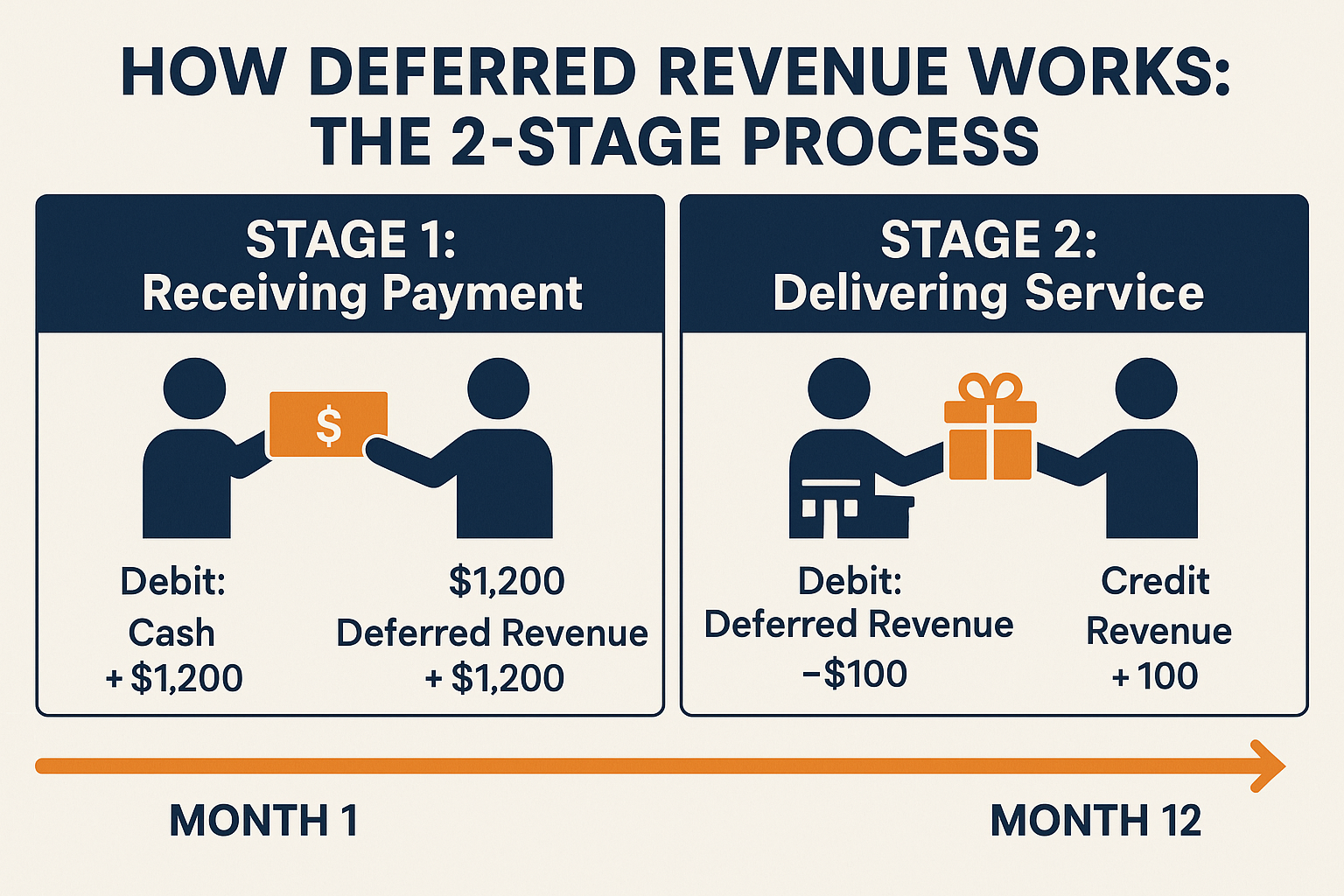
This is the primary engine of AIG’s revenue. It represents the portion of insurance premiums that the company "earns" by providing coverage over a specific period. When a client pays an annual premium, AIG does not recognize it all as revenue immediately. Instead, it is recognized proportionally as the policy term progresses.
In the General Insurance segment, premiums are derived from two main categories:
- Commercial Lines: This includes liability, workers' compensation, property, and specialty coverages (such as marine, aerospace, and cyber insurance) sold to businesses.
- Personal Lines: This includes travel insurance, high-net-worth homeowners' insurance, and personal auto coverage.
2. Net Investment Income
Insurance companies operate on a "float" model. They receive premiums upfront and pay claims later. During the interval, AIG invests these funds in a diversified portfolio of assets, including corporate bonds, government securities, real estate, and private equity. The income generated from these investments—interest, dividends, and realized gains—forms a significant portion of the annual revenue.
In a higher interest rate environment, such as the one seen in the mid-2020s, AIG’s net investment income often sees substantial growth as new premiums are reinvested into higher-yielding fixed-income securities.
3. Policy Fees and Other Income
AIG also earns revenue through administrative fees, service charges, and income from subsidiary operations that do not fall strictly under the umbrella of insurance premiums. Following the separation of Corebridge Financial, this category has become more streamlined, focusing on services that support the core General Insurance business.
Segment Performance: Where the Money Comes From
As of 2026, AIG’s revenue reporting is centered on its General Insurance operations, which are further divided by geography and product type. This structure allows the company to balance risks across different global markets.
General Insurance North America
The North American segment is traditionally AIG’s largest revenue contributor. It focuses heavily on Commercial Lines, serving large multinational corporations and middle-market businesses. Key drivers in this region include:
- Liability and Financial Lines: Coverage for directors and officers (D&O), professional liability, and cyber risks.
- Property and Special Risks: Large-scale commercial property insurance, which has seen premium increases due to heightened climate risks and inflationary pressure on rebuilding costs.
General Insurance International
The International segment encompasses operations in Europe, Asia-Pacific, and Latin America. This segment provides a hedge against regional economic downturns in North America. Revenue here is often influenced by currency fluctuations, as AIG reports its consolidated earnings in U.S. dollars. A strong dollar can technically "shrink" international revenue when converted, even if the underlying business in local currencies is growing.
The Corebridge Financial Factor
Historically, AIG’s revenue was significantly higher (often exceeding $50 billion to $60 billion) because it included the Life & Retirement segment. By 2025, the majority of the sell-down and deconsolidation of Corebridge Financial was completed. While this reduced the total "Top Line" revenue, it was a deliberate strategy to improve the company’s return on equity (ROE) and reduce the volatility associated with interest-rate-sensitive life insurance products.
Historical Revenue Trends (2022–2025)
The following table outlines the trajectory of AIG's annual revenue during its most significant period of restructuring. These figures reflect the transition from a diversified conglomerate to a focused P&C insurer.
| Fiscal Year | Total Revenue (Billions USD) | Key Driver | Corporate Status |
|---|---|---|---|
| 2022 | $56.4 | High Life & Retirement contributions | Pre-deconsolidation |
| 2023 | $46.8 | Initial Corebridge IPO impact | Partial Separation |
| 2024 | $48.2 | Growth in Commercial Line pricing | Post-deconsolidation |
| 2025 | $47.5 | Underwriting discipline/Focus on P&C | Streamlined Entity |
Note: 2025 figures are based on consolidated year-end reports reflecting the final stages of the Corebridge separation.
Factors Influencing Revenue Growth in 2026
Several external and internal factors dictate whether AIG’s annual revenue expands or contracts. As of 2026, the company is navigating a complex global landscape.
Underwriting Cycles and Pricing Power
Revenue is highly dependent on "hard" versus "soft" insurance markets. In a hard market, insurance capacity is low, and premiums (prices) are high. AIG has spent the last several years focusing on underwriting discipline, which means they are willing to walk away from high-risk, low-premium business to maintain profitability. This can sometimes lead to flatter revenue growth but higher net income.
Catastrophe Losses and Reinsurance
AIG’s net revenue is affected by how much it pays for reinsurance. Reinsurance is essentially "insurance for insurance companies." When global catastrophe losses (from hurricanes, wildfires, or floods) rise, reinsurance premiums become more expensive. This increases AIG's "ceded premiums" (money they pay out to reinsurers), which reduces their Net Premiums Earned.
Inflation and Claim Costs
Inflation impacts revenue indirectly through pricing. If the cost of repairing a building or settling a medical claim rises, AIG must increase its premiums to cover those future costs. While this raises the annual revenue figure, it does not necessarily mean higher profit if the claims costs rise faster than the premiums.
Interpreting GAAP vs. Adjusted Revenues
When reviewing AIG’s annual reports (such as the 10-K filed with the SEC), you will encounter two different ways of looking at revenue: GAAP (Generally Accepted Accounting Principles) and Adjusted Revenues.
- GAAP Revenue: This is the total legal revenue, which includes realized investment gains or losses and the impact of discontinued operations. It can be very volatile due to market swings.
- Adjusted Revenues: Management often uses this metric to show the "run-rate" of the core business. It typically excludes the impact of volatile investment fluctuations and one-time gains from selling off business units. For a clear understanding of AIG’s health, the Adjusted Revenue figure often provides a more consistent year-over-year comparison.
The Role of Net Investment Income in the 2026 Economy
In 2026, net investment income remains a critical component of AIG’s total revenue. After years of fluctuating interest rates, the yield on AIG's massive fixed-income portfolio has stabilized. Because AIG holds billions in bonds, even a 0.5% increase in the average yield of their portfolio can translate into hundreds of millions of dollars in additional annual revenue.
Furthermore, AIG has optimized its capital structure by using the proceeds from the Corebridge divestiture to buy back shares and pay down debt. While share buybacks don't increase revenue, they increase "Revenue per Share," a metric many analysts use to judge the company's value.
Comparing AIG to Industry Peers
To put AIG's revenue in perspective, it is helpful to compare it to other global P&C leaders like Chubb or Zurich Insurance Group.
- Chubb: Known for high-end underwriting and strong presence in North America. Chubb’s revenue often mirrors AIG’s North American Commercial segment.
- Zurich: A major competitor in the international space. Comparing AIG’s International revenue to Zurich’s gives insight into how well AIG is capturing global market share.
- Travelers: Primarily focused on the U.S. market, Travelers serves as a benchmark for AIG’s domestic personal and small-commercial lines.
AIG distinguishes itself from these peers through its massive scale in "Financial Lines" and its global reach, which remains one of the most extensive in the insurance industry even after its restructuring.
FAQ: Understanding AIG's Financial Reporting
Why did AIG's revenue decrease significantly between 2021 and 2025?
The decrease was largely due to the deconsolidation of Corebridge Financial. AIG chose to spin off its Life & Retirement business to focus on General Insurance. When a company deconsolidates a subsidiary, that subsidiary's revenue is no longer added to the parent company's total revenue, even if the parent still owns a minority stake.
What is the difference between "Gross Premiums Written" and "Net Premiums Earned"?
Gross Premiums Written (GPW) is the total amount clients have agreed to pay for policies during the year. Net Premiums Earned (NPE) is the amount AIG keeps after paying for reinsurance and recognizes as income for the portion of the policy that has already passed. NPE is what actually counts as revenue on the income statement.
How do interest rates affect AIG's revenue?
Interest rates primarily affect Net Investment Income. Since AIG invests premiums in bonds, higher interest rates allow them to earn more interest on those investments. While this doesn't change the "Premiums Earned" side of revenue, it can significantly boost the "Investment Income" side.
Is AIG's revenue a good indicator of its profitability?
Not necessarily. In insurance, a company can have high revenue but still lose money if its "Combined Ratio" is over 100% (meaning claims and expenses exceed premiums). Analysts look at the relationship between revenue and the Loss Ratio to determine if the revenue is "healthy."
Does AIG's annual revenue include its international subsidiaries?
Yes. AIG is a global company, and its consolidated annual revenue includes all premiums and investment income generated by its subsidiaries in over 70 countries and jurisdictions, converted into U.S. dollars.
Final Recommendation for Analysts and Investors
When evaluating AIG's annual revenue in 2026, you should prioritize Net Premiums Earned in General Insurance as the most reliable indicator of business health. Do not be misled by fluctuations in GAAP revenue caused by one-time asset sales or stock market volatility. Instead, focus on the Underwriting Margin—the difference between the premiums earned and the losses/expenses paid out.
For those looking for the most current data, always refer to the AIG Investor Relations portal, which provides quarterly "Financial Supplements" that break down revenue by specific product lines (such as Cyber, Marine, and Energy) more deeply than a standard annual report. By monitoring the "Retention Ratio"—the percentage of business AIG keeps rather than ceding to reinsurers—you can gain a clear picture of management’s confidence in their own risk pricing and the long-term sustainability of their revenue growth.