Aetna Medicare HIDE plans, or Highly Integrated Dual Eligible Special Needs Plans (D-SNPs), are specialized Medicare Advantage plans available in Michigan for residents who qualify for both Medicare and Medicaid. These plans are designed to provide a "highly integrated" experience by coordinating Medicare benefits with Medicaid-covered services, such as long-term care and behavioral health, through a single insurance provider like Aetna.
In the complex landscape of Michigan healthcare, the term "HIDE" refers to the specific regulatory and operational structure of a Dual Eligible Special Needs Plan. As of 2026, Michigan continues to refine its approach to dual-eligible care, moving toward more integrated models to reduce the administrative burden on members and improve clinical outcomes. Aetna, a CVS Health company, remains a primary provider of these integrated solutions in the state.
Understanding the HIDE Plan Concept
To understand what an Aetna Medicare HIDE plan is, one must first understand the broader category of Dual Eligible Special Needs Plans (D-SNPs). All D-SNPs are designed for people who have both Medicare (due to age or disability) and Medicaid (due to limited income). However, not all D-SNPs provide the same level of coordination.
The Centers for Medicare & Medicaid Services (CMS) classifies D-SNPs into categories based on their level of integration with state Medicaid programs. A Highly Integrated Dual Eligible (HIDE) plan is a step above a standard D-SNP. To be classified as a HIDE plan in Michigan, Aetna must have a contract with the Michigan Department of Health and Human Services (MDHHS) to provide or arrange for Medicaid benefits. Specifically, a HIDE plan must cover Long-Term Services and Supports (LTSS) and/or Behavioral Health Services under the same parent organization that offers the Medicare Advantage plan.
For Michigan residents, this means that Aetna is responsible for managing a broader spectrum of your healthcare needs. Instead of dealing with separate entities for your Medicare doctor visits and your Medicaid-funded home health services, the HIDE structure allows for a more unified approach to care management.
Aetna’s Role in Michigan’s Medicare Landscape in 2026
As of 2026, Aetna has established a robust presence in Michigan, covering both urban centers like Detroit and Grand Rapids, as well as more rural counties. The Aetna Medicare HIDE plan is part of their effort to streamline the "dual-eligible" experience.
Michigan has historically utilized various programs, such as MI Health Link, to manage dual-eligible populations. However, the HIDE plan model serves as a vital alternative or evolution within the managed care space. Aetna’s HIDE plans in Michigan focus on the "whole-person" care model. This involves not just paying for medical claims, but also addressing social determinants of health, such as transportation, nutrition, and housing stability, which are often critical for the dual-eligible population.
In the 2026 plan year, Aetna’s Michigan HIDE offerings are characterized by their integration with local Michigan providers and the state’s Medicaid infrastructure. This ensures that the transition between Medicare-covered hospital stays and Medicaid-covered nursing facility care or home-based services is as seamless as possible.
Key Features and Benefits of Aetna HIDE Plans
The primary goal of a HIDE plan is to reduce the "fragmentation" of care. When a member is in a traditional Medicare plan but receives Medicaid through the state, they often have to navigate two different sets of rules, two different networks, and two different sets of paperwork. Aetna’s HIDE plans in Michigan aim to solve this through several key features:
1. Integrated Care Coordination
Every Aetna HIDE member in Michigan is typically assigned a Care Coordinator or a Care Management team. This individual acts as a single point of contact. If you are discharged from a hospital (Medicare) and need a ramp installed at your home or help with personal care (Medicaid), the care coordinator manages that entire transition. They ensure that your primary care physician, specialists, and Medicaid service providers are all communicating.
2. Streamlined Benefit Delivery
While Medicare remains the primary payer for medical services, the HIDE plan simplifies how Medicaid benefits are accessed. In Michigan, this often includes:
- Behavioral Health Services: Coordination with Michigan's Prepaid Inpatient Health Plans (PIHPs) to ensure mental health and substance abuse services are integrated with physical health.
- Long-Term Services and Supports (LTSS): Help with daily living activities, whether provided in a nursing home or through home and community-based services (HCBS).
3. Supplemental Benefits
Beyond the standard Medicare and Medicaid requirements, Aetna's 2026 HIDE plans in Michigan often include "extra" benefits that are highly valued by members. These may include:
- OTC (Over-the-Counter) Allowance: A monthly or quarterly credit to purchase health-related items like aspirin, vitamins, and bandages.
- Healthy Food Cards: For those who qualify, a monthly stipend to purchase healthy groceries at participating Michigan retailers.
- Transportation: Non-emergency medical transportation to doctor appointments, pharmacies, and sometimes even fitness centers.
- Dental, Vision, and Hearing: Coverage for exams, glasses, hearing aids, and dental procedures that go beyond what original Medicare provides.
Eligibility Requirements for 2026
To enroll in an Aetna Medicare HIDE plan in Michigan for the 2026 calendar year, an individual must meet specific criteria:
- Medicare Enrollment: You must be enrolled in both Medicare Part A and Medicare Part B.
- Medicaid Status: You must be eligible for Medicaid in the state of Michigan. Generally, HIDE plans are most effective for those with "Full Dual" status (FBDE), meaning they receive full Medicaid benefits from the state, not just help paying premiums.
- Service Area: You must live in a Michigan county where Aetna offers the HIDE plan. While Aetna has broad coverage in Michigan, plan availability can vary by county.
- Special Enrollment Period (SEP): Because these are Special Needs Plans, dual-eligible individuals often have a Special Enrollment Period that allows them to join or switch plans once per quarter during the first three quarters of the year, or during the Annual Enrollment Period (AEP) in the fourth quarter.
HIDE vs. FIDE vs. Standard D-SNP: Comparison for Michigan Residents
It is common for consumers to be confused by the various acronyms used by CMS. The following table illustrates the differences between the types of D-SNPs available in Michigan as of 2026.
| Feature | Standard D-SNP | HIDE Plan (Highly Integrated) | FIDE Plan (Fully Integrated) |
|---|---|---|---|
| Medicare Benefits | Included | Included | Included |
| Medicaid Benefits | State-managed or separate | Managed/Coordinated by Plan | Fully Managed by Plan |
| Care Coordination | Basic | High | Maximum |
| LTSS Coverage | Often separate | Coordinated or Included | Fully Integrated |
| Behavioral Health | Usually separate | Coordinated or Included | Fully Integrated |
| Administrative Unified Appeals | Not required | Often available | Required |
In Michigan, the Aetna HIDE plan represents the middle-to-high ground of integration. It ensures that even if Medicaid services are technically paid by the state's Medicaid system, Aetna is actively involved in the "Highly Integrated" management of those services.
The Importance of Unified Appeals and Grievances
One of the most technical but beneficial aspects of a HIDE plan in 2026 is the movement toward unified appeals and grievances. In the past, if a dual-eligible person in Michigan was denied a service, they might have had to file one appeal with Medicare and a different appeal with Medicaid.
Under the HIDE framework, Aetna works to simplify this. For many services, there is a single pathway to challenge a decision. This reduces legal confusion for seniors and people with disabilities, ensuring that their rights are protected without requiring them to be experts in insurance law.
Common Challenges and Considerations
While Aetna Medicare HIDE plans offer significant advantages, there are factors that Michigan residents should consider before enrolling:
- Network Restrictions: Like most Medicare Advantage plans, you must use doctors and hospitals within the Aetna network. While Aetna's network in Michigan is extensive (including major systems like Corewell Health, Henry Ford, and Trinity Health), it is vital to verify that your specific providers are included.
- Medicaid Eligibility Maintenance: You must remain eligible for Medicaid to stay in the plan. If you lose your Medicaid status (for example, if your income or assets increase slightly), you may be disenrolled from the HIDE plan and moved to a standard Medicare Advantage plan.
- Complexity of Choice: With MI Health Link and various D-SNP options, the choice can be overwhelming. It is often helpful to consult with the Michigan Medicare Assistance Program (MMAP), the state's SHIP (State Health Insurance Assistance Program), for unbiased guidance.
How to Enroll in an Aetna HIDE Plan in Michigan
If you have confirmed your dual-eligibility status for 2026, the enrollment process typically follows these steps:
- Verification: Contact Aetna or a licensed agent to verify your "Dual Eligible" status and check your specific Medicaid level (e.g., QMB+, SLMB+, or FBDE).
- Review the Formulary: Ensure that your current medications are covered under Aetna's 2026 drug list (formulary).
- Check Provider Status: Confirm that your primary care physician and any specialists you see regularly are in the Aetna Michigan network.
- Submission: Enrollment can be completed via the Aetna website, over the phone, through Medicare.gov, or with the help of a local Michigan insurance agent.
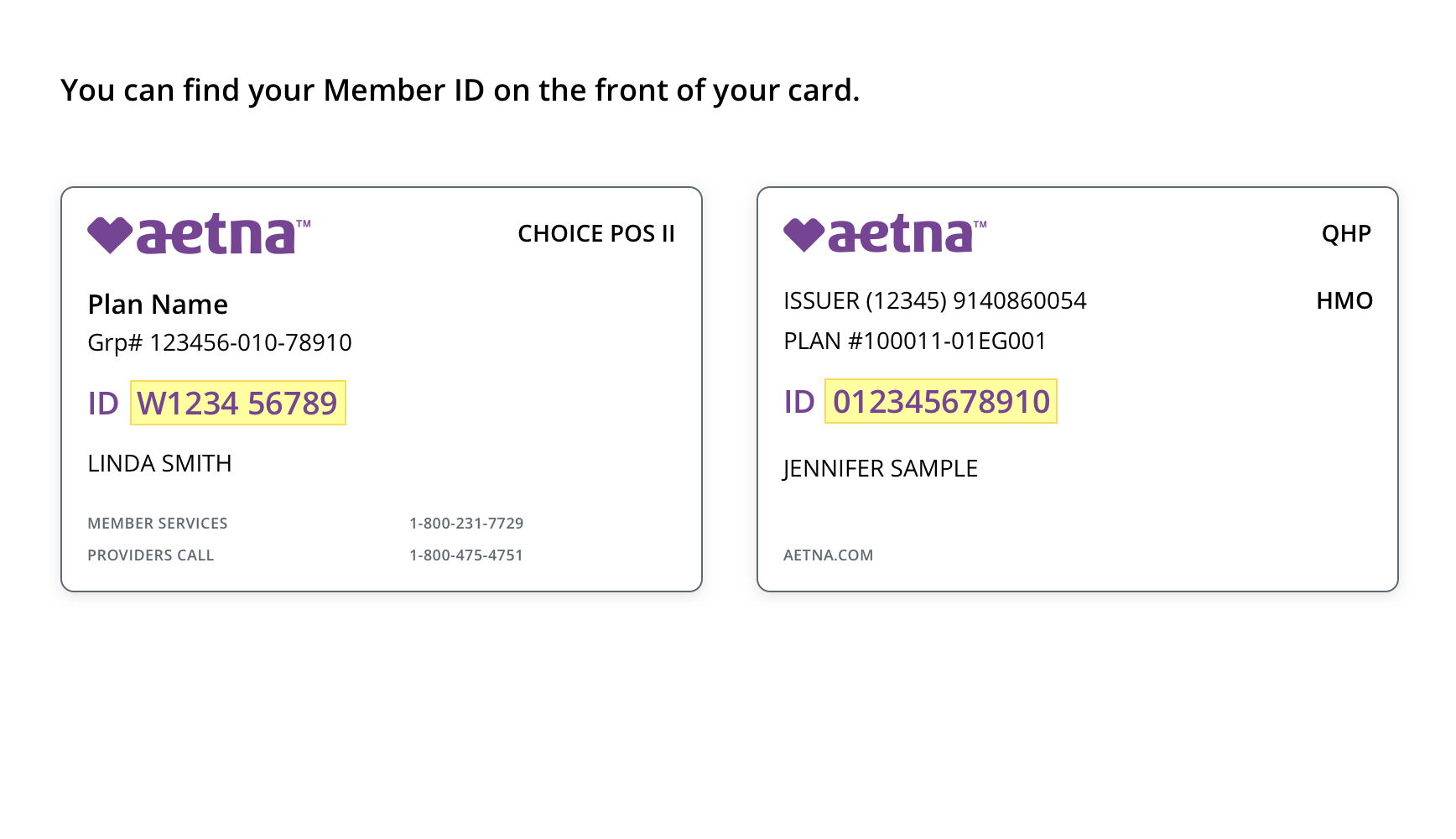
- Confirmation: Once enrolled, you will receive a single member ID card. In a HIDE plan, this card is often the primary card you show at the doctor’s office, though you should always keep your Michigan Medicaid (mihealth) card as well.
Frequently Asked Questions
What does "HIDE" actually stand for in Aetna Medicare plans?
HIDE stands for Highly Integrated Dual Eligible. It is a regulatory designation for a Medicare Advantage Special Needs Plan that coordinates Medicare benefits with Medicaid benefits, specifically including long-term services and behavioral health, providing a more seamless experience for the member.
Is the Aetna HIDE plan the same as MI Health Link?
No, they are different programs. MI Health Link is Michigan's specific "dual-eligible demonstration" program that combines Medicare and Medicaid. Aetna HIDE plans are a type of D-SNP that operates under a different set of federal and state regulations but aims for a similar goal of integrated care. As of 2026, many regions are transitioning toward the D-SNP/HIDE model as the primary way to manage dual-eligible care.
Will I lose my Michigan Medicaid benefits if I join an Aetna HIDE plan?
No. You do not lose your Medicaid benefits; instead, the Aetna HIDE plan becomes the way you access and coordinate those benefits. You still have all the rights and protections of the Michigan Medicaid program, but Aetna helps manage the delivery of those services.
Are there monthly premiums for Aetna HIDE plans in Michigan?
Generally, for individuals who are "Full Dual" eligible (meaning they have full Medicaid benefits), the monthly premium for an Aetna HIDE plan is $0. Medicare Part B premiums are also typically covered by the state Medicaid program for these individuals.
Can I see any doctor I want in Michigan with this plan?
No. You must generally use providers who are in the Aetna Medicare Advantage network. However, because HIDE plans are for dual-eligibles, the network is designed to include providers who are accustomed to working with both Medicare and Medicaid patients. Always check the provider directory before enrolling.
Does the HIDE plan cover nursing home care in Michigan?
Yes, HIDE plans are required to coordinate or provide Long-Term Services and Supports (LTSS), which includes nursing facility care and home-based services. Because it is a "Highly Integrated" plan, Aetna plays a significant role in managing this care alongside Michigan's Medicaid guidelines.
Final Recommendation
For Michigan residents who are dual-eligible in 2026, the Aetna Medicare HIDE plan offers a sophisticated level of care coordination that far exceeds a standard Medicare plan. If you find it difficult to manage your various medical appointments, medications, and Medicaid-covered services, the "Highly Integrated" model is likely an appropriate choice.
Before making a final decision, verify your specific Medicaid level with the Michigan Department of Health and Human Services (MDHHS) and ensure your preferred Michigan healthcare providers are in-network for the 2026 plan year. This will ensure you receive the full benefits of the integrated system without disruption to your existing care relationships.