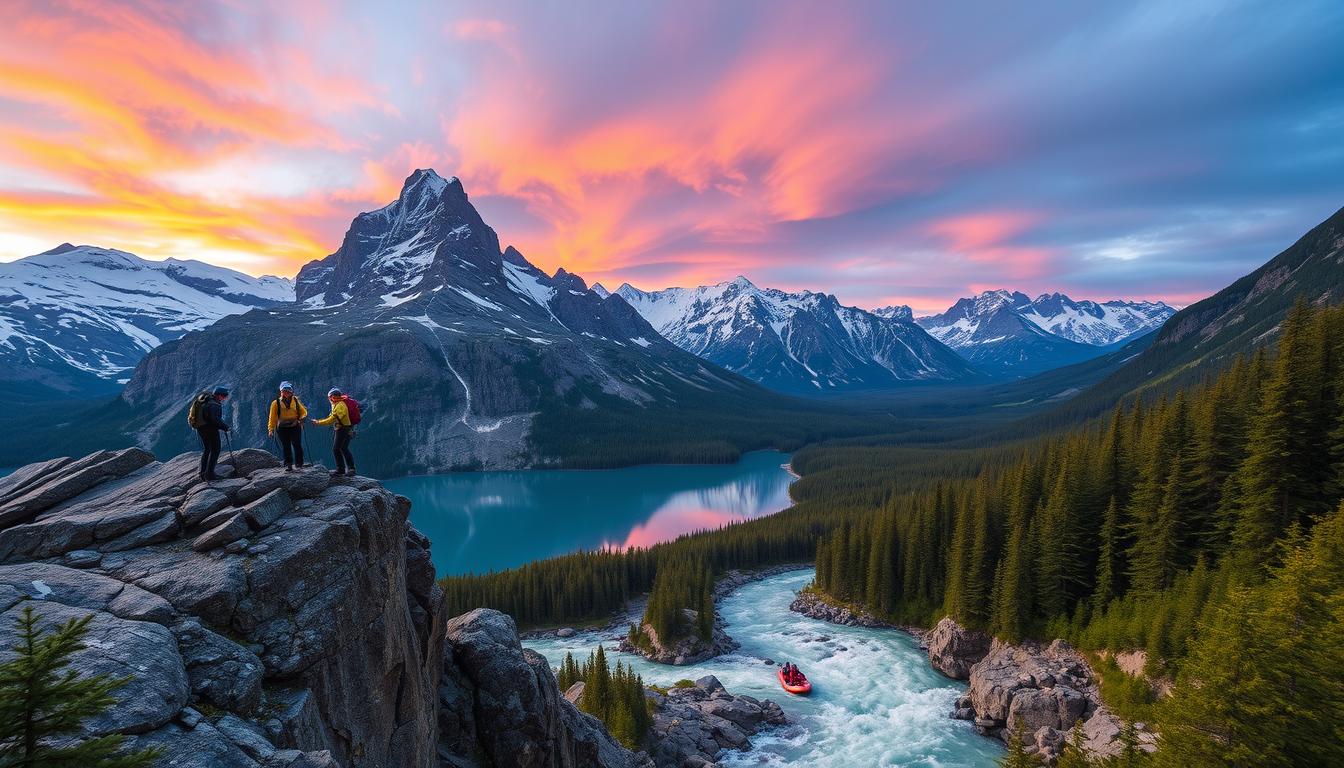
Adventure tourism combines physical activity, cultural exchange, and engagement with the natural environment, typically involving a degree of risk, exploration, and personal challenge. Whether traversing remote mountain trails, navigating white-water rapids, or embarking on multi-day wildlife expeditions, this sector demands careful preparation, verified logistics, and an understanding of physical and environmental requirements.
Defining Adventure Tourism: Core Elements and Categories
Adventure tourism is formally categorized into soft and hard adventures. Soft adventures involve minimal risk, professional guidance, and comfortable accommodations, making them accessible to a broad demographic. Examples include wildlife safaris, bird-watching treks, eco-tours, and cultural homestays. These experiences allow travelers to engage with unfamiliar landscapes and communities without requiring advanced technical skills or specialized equipment.
Hard adventures, conversely, involve higher levels of physical exertion, objective risk, specialized gear, and autonomous decision-making in remote settings. Mountaineering, white-water kayaking, base jumping, ice climbing, and multi-day back-country expeditions fall into this category. Participants often require prior training, certifications, and comprehensive physical conditioning.
Understanding this distinction is the first step in planning any trip. Misjudging the physical demands or technical requirements of a hard adventure can lead to severe safety compromises, while underestimating soft adventures can result in mismatched expectations regarding comfort and pacing.
Prerequisites, Physical Conditioning, and Skill Verification
Before booking or departing on an adventure tour, participants must evaluate their physical readiness and technical competencies. Unlike traditional sightseeing, adventure travel frequently exposes participants to environmental stressors such as altitude, extreme temperatures, physical fatigue, and isolation from emergency medical services.
Health Assessments and Medical Clearances
High-altitude trekking or remote expeditions often require a formal medical evaluation. Conditions affecting the cardiovascular or respiratory systems can become dangerous in low-oxygen environments or under heavy physical loads. Travelers should consult physicians familiar with travel medicine to discuss vaccinations, prophylactic medications (such as anti-malarials or altitude sickness treatments), and chronic condition management.
Skill and Certification Requirements
Certain activities have strict legal or operational prerequisites. For instance, scuba diving requires a recognized certification (such as PADI or SSI open water credentials), while technical mountaineering may require verified proficiencies in crevasse rescue and rope handling. Tour operators and regulatory bodies often enforce these prerequisites to maintain safety standards and comply with insurance mandates.
| Adventure Activity | Typical Skill Level Required | Key Equipment Needed | Primary Physical Demand |
|---|---|---|---|
| Soft Trekking | Beginner to Intermediate | Sturdy footwear, daypack, hydration system | Cardiovascular endurance, leg strength |
| White-Water Rafting | Beginner (with guide) | PFD, helmet, neoprene wetsuit (optional) | Upper body strength, swimming ability |
| Scuba Diving | Certified (Open Water+) | Regulator, BCD, cylinders, dive computer | Spatial awareness, breath control |
| Mountaineering | Advanced to Expert | Crampons, ice axe, harness, technical layers | Maximal aerobic capacity, technical precision |
Selecting Operators and Verifying Credentials
The quality and safety of an adventure tourism experience depend heavily on the chosen tour operator. Because many adventure activities operate in remote areas with limited regulatory oversight, travelers must conduct rigorous due diligence before committing funds or participation.
Key Verification Steps
- Accreditation and Memberships: Look for operators affiliated with recognized international or national bodies, such as the Adventure Travel Trade Association (ATTA) or regional mountain guide associations.
- Guide Qualifications: Ensure that trip leaders hold current certifications in Wilderness First Aid (WFA) or Wilderness First Responder (WFR), alongside activity-specific credentials (e.g., International Federation of Mountain Guides Associations certification).
- Equipment Standards: Inquire about the maintenance schedules and age of safety-critical gear, such as harnesses, ropes, helmets, and watercraft.
- Emergency Action Plans (EAPs): Request details on how the operator handles medical evacuations, communication blackouts, and severe weather contingencies.
Risk Management, Safety Protocols, and Insurance
Mitigating risk is a shared responsibility between the operator and the participant. While commercial operators implement safety management systems, travelers must also take active steps to protect themselves and understand their legal liabilities.
Understanding Adventure Travel Insurance
Standard travel insurance policies frequently exclude high-risk activities such as mountaineering above specific altitudes, scuba diving below certain depths, or motorized off-road sports. Travelers must review policy definitions carefully and purchase specialized riders or standalone adventure sports insurance that covers emergency medical evacuation, search and rescue operations, and trip interruption.
Field Safety Protocols
Participants must adhere strictly to guide instructions, especially when weather conditions deteriorate or unexpected hazards arise. Maintaining situational awareness, staying hydrated, pacing physical exertion, and communicating early signs of exhaustion or injury to guides can prevent minor incidents from escalating into emergencies.
Sustainability, Ethics, and Environmental Impact
As adventure tourism expands into remote and ecologically sensitive regions, managing environmental and cultural footprints becomes paramount. Unregulated tourism can damage fragile alpine ecosystems, disrupt wildlife habitats, and strain local water and waste management infrastructures.
Principles of Responsible Adventure Travel
- Leave No Trace (LNT): Minimize human impact by packing out all waste, respecting wildlife from a safe distance, and staying on designated trails to prevent soil erosion.
- Support Local Economies: Prioritize locally owned accommodations, hire local guides and porters, and purchase regionally sourced goods and services to ensure economic benefits remain within the host community.
- Cultural Respect: Research local customs, dress codes, and social norms before entering remote communities. Obtain consent before photographing individuals, particularly in indigenous areas.
Frequently Asked Questions
What is the difference between ecotourism and adventure tourism?
Ecotourism focuses specifically on responsible travel to natural areas that conserves the environment, sustains the well-being of the local people, and involves interpretation and education. Adventure tourism centers on physical activity, cultural exchange, and exploration with an element of risk. While they frequently overlap—such as an eco-friendly jungle trek—their primary motivations and operational frameworks differ.
Do I need specialized insurance for adventure travel?
Yes, in many cases. Standard travel insurance policies explicitly exclude high-risk pursuits like rock climbing, white-water sports, or high-altitude trekking. Reviewing the policy wording to ensure it covers emergency medical evacuation, search and rescue, and specific activity categories is essential before departure.
How can I verify if an adventure tour operator is safe?
Check for professional affiliations with organizations like the Adventure Travel Trade Association, verify that guides hold recognized certifications (such as Wilderness First Responder or official mountain guiding credentials), and ask specific questions regarding their emergency evacuation protocols and equipment maintenance standards.
What should I pack for a multi-day adventure trip?
Packing lists vary widely depending on the activity and climate, but standard essentials include moisture-wicking technical layers, durable footwear broken in prior to the trip, a reliable hydration system, a comprehensive personal first-aid kit, high-SPF sun protection, and appropriate emergency signaling devices if traveling off-grid.
Is adventure tourism suitable for families and older adults?
Many soft adventure options—such as guided wildlife safaris, light coastal kayaking, and cultural walking tours—are highly adaptable for families and older adults. Operators often scale the physical intensity of itineraries to match the group's capabilities, provided participants disclose health conditions and fitness levels in advance.
Next Actions and Recommendations
To begin planning an adventure travel experience, start by defining your personal comfort thresholds, physical capabilities, and activity interests. Research reputable operators that prioritize safety credentials and sustainable practices, verify your insurance coverage limitations, and allow adequate time for physical conditioning and equipment acquisition well in advance of your departure date.