Adding collision coverage to your existing State Farm auto insurance policy is a straightforward process that can be completed through the company’s digital platforms, via their mobile application, or by coordinating directly with a local agent. This coverage protects your vehicle financially if it sustains damage in an accident, regardless of who is at fault, providing a necessary layer of security for both new and older model vehicles.
Understanding Collision Coverage in the Context of Your Policy
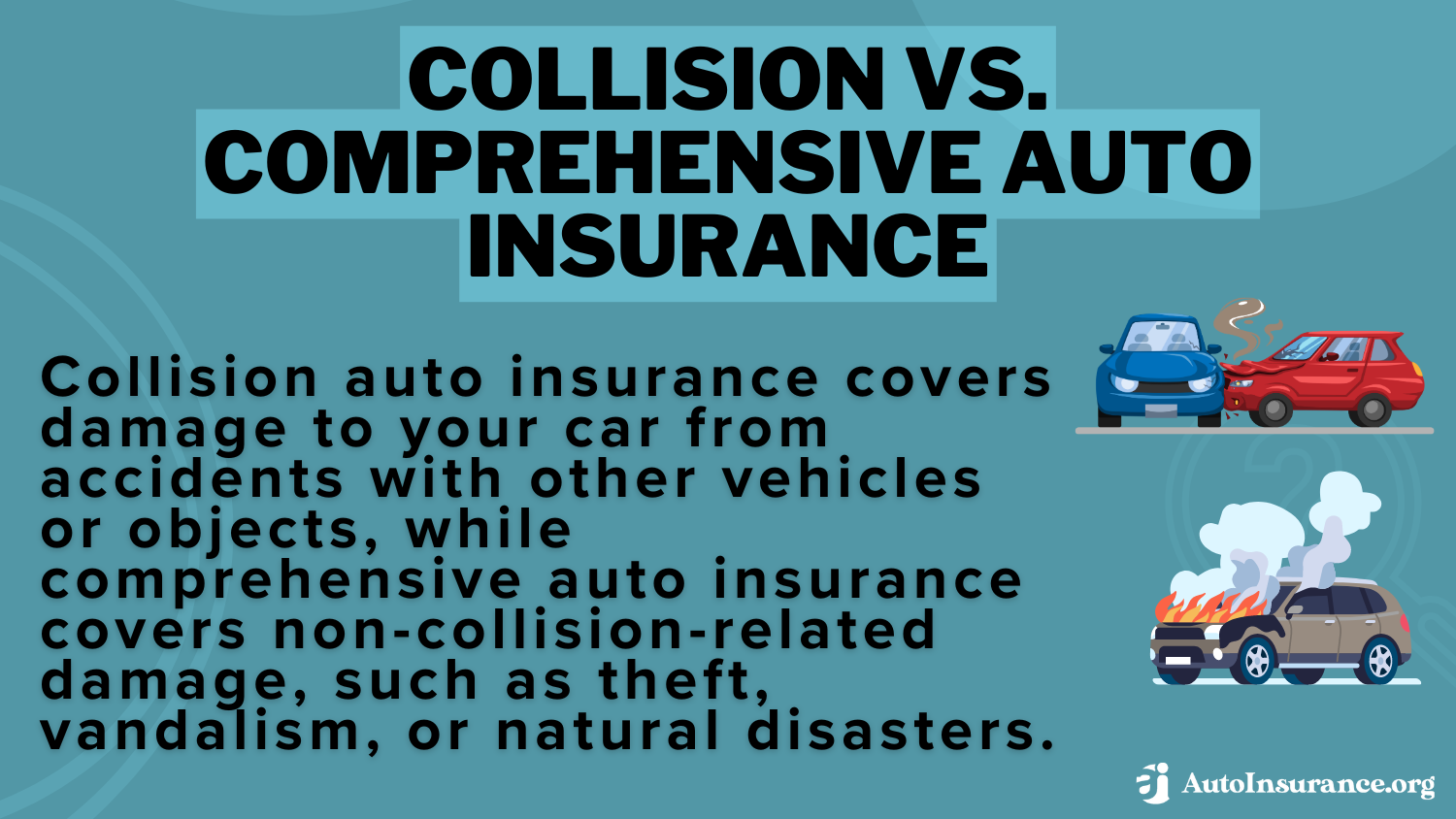
Collision coverage is an optional component of an auto insurance policy—unless it is specifically required by a lender or leasing company—that pays for damage to your car resulting from a collision with another vehicle or an object, such as a fence, pole, or guardrail. It also covers damages resulting from the vehicle rolling over.
Unlike liability insurance, which is mandatory in almost every U.S. state to cover damages you cause to others, collision coverage is designed to protect your own property. At State Farm, this coverage is subject to a deductible. The deductible is the amount you agree to pay out-of-pocket when a claim is filed before the insurance company covers the remaining repair costs.
When you decide to add this coverage, you are essentially increasing the level of protection for your asset. Whether your vehicle is financed, leased, or owned outright, collision coverage serves as a financial safeguard that prevents you from having to pay the entire cost of repairs or a total loss replacement out of your own savings.
Eligibility and Prerequisites Before Adding Coverage
Before you request to add collision coverage to your State Farm policy, you must ensure that your vehicle is eligible and that you have the necessary documentation.
- Active Policy Status: Your account must be in good standing. If your policy has lapsed or is currently undergoing a cancellation process, you will need to resolve those issues before you can adjust coverage.
- Vehicle Information: Ensure you have your Vehicle Identification Number (VIN) and the current mileage of your vehicle. State Farm uses this data to assess the risk profile and value of the vehicle.
- Lender Requirements: If you are financing or leasing your vehicle, your lender likely requires specific types of coverage, including collision and comprehensive. Check your loan or lease agreement to ensure that the coverage you are adding meets their minimum requirements.
- Current Deductible Strategy: Determine what deductible amount you are comfortable with. Choosing a higher deductible will lower your premium, but you must be prepared to pay that amount if you need to file a claim.
Methods for Adding Collision Coverage
State Farm provides multiple channels for policyholders to manage their coverage. Depending on your preference for digital self-service or personalized consultation, you can choose the path that best fits your situation.
Using the State Farm Mobile App or Website
The most efficient way to modify your policy is through the State Farm Personal Price Plan portal.
- Log In: Access your account via the State Farm mobile app or the official website using your secure credentials.
- Navigate to Coverage: Select your auto policy from the dashboard and locate the "Manage Coverage" or "Change Coverage" section.
- Review Current Selections: You will see a list of your existing coverages. Look for Collision Coverage. If it is currently excluded, you will see an option to "Add" or "Edit."
- Select Deductible: You will be prompted to choose a deductible amount. The system often provides a cost-benefit comparison, showing how different deductibles affect your monthly or semi-annual premium.
- Confirm Changes: Review the updated premium estimate and confirm the changes. You will receive an electronic confirmation or an updated declarations page once the change is processed.
Contacting a Local State Farm Agent
If you prefer professional guidance, contacting your local agent is highly recommended. Because State Farm operates through a network of independent agents, they can provide specific insights into your local driving environment and regional insurance regulations.
- Personalized Advice: An agent can explain how collision coverage interacts with your other policies, such as your homeowners or umbrella policy.
- Bundling Opportunities: They can review your entire account to see if adding collision coverage entitles you to additional discounts, such as multi-car or multi-policy discounts, which might offset the cost of the new coverage.
- Verification: Agents can ensure that the requested changes comply with state-specific insurance department guidelines.
Financial Impacts and Cost Considerations
Adding collision coverage will increase your premium. The exact increase depends on several variables that State Farm actuaries use to calculate risk.
- Vehicle Age and Value: A newer, more expensive vehicle generally costs more to insure for collision because the repair or replacement costs are higher.
- Driving History: Your history of accidents, traffic violations, and claims will impact the rate at which the coverage is offered.
- Location: Insurance rates are calculated based on zip codes, factoring in the local accident rate, theft frequency, and average repair costs in your area.
- The Deductible Choice: This is the most direct lever you have. A $500 deductible will result in a higher premium than a $1,000 or $2,000 deductible. Choosing a higher deductible is a common strategy for drivers who want the protection of insurance for major events while accepting more personal financial responsibility for minor incidents.
Comparing Collision vs. Comprehensive Coverage
It is common to confuse collision with comprehensive coverage. While they are often sold together—and both are optional under most state laws—they cover different scenarios.
| Feature | Collision Coverage | Comprehensive Coverage |
|---|---|---|
| Primary Scope | Accidents with other cars or objects. | Non-collision incidents (theft, fire, vandalism). |
| Example Event | You hit a concrete barrier or another car. | A tree falls on your car or a deer strikes it. |
| Requirement | Often required by lenders/lessors. | Often required by lenders/lessors. |
| Deductible | Yes, you select your amount. | Yes, you select your amount. |
When adding collision, many policyholders evaluate whether they should simultaneously adjust or add comprehensive coverage. If you live in an area prone to severe weather (hail, floods) or where vehicle theft is prevalent, you may want to ensure your comprehensive coverage is adequate as well.
Common Mistakes and How to Avoid Them
When adjusting insurance coverage, policyholders often encounter pitfalls that can lead to frustration later.
- Ignoring Lender Requirements: If you add collision coverage but choose a deductible higher than what your lender allows, you could be found in default of your loan agreement. Always check the maximum allowable deductible with your lender first.
- Under-insuring the Vehicle: Choosing an extremely high deductible just to save a few dollars a month can be risky if you do not have that amount readily available in an emergency fund.
- Failing to Update after Vehicle Changes: If you change vehicles, your new car’s collision premium may differ significantly from your old one. Ensure your coverage level is evaluated every time you purchase a new vehicle.
- Expecting Coverage to be Retroactive: You cannot add collision coverage after an accident has occurred to cover that specific damage. Insurance is a prospective contract, not a retrospective solution.
Frequently Asked Questions
Can I remove collision coverage later if my car gets old? Yes. As a vehicle depreciates, there is a point where the cost of collision coverage may outweigh the actual cash value of the car. If your car is worth very little, you might choose to remove this coverage to save on premiums.
Does collision coverage pay for the other driver's car? No. Collision coverage pays only for damage to your own vehicle. Damage you cause to another person’s car is covered by your Property Damage Liability coverage.
Will my rate go up immediately if I add collision? Yes, adding coverage increases the scope of your policy, which results in a premium adjustment. This change will be reflected in your next billing cycle.
Is there a waiting period before the coverage becomes effective? Typically, changes made through the online portal or with an agent go into effect at the time of the request or on a specified future date. However, State Farm may restrict changes if a claim is already pending.
What happens if I have a loan on my car? If you have a loan, your lender requires that you maintain collision and comprehensive coverage. If you attempt to remove these coverages without notifying your lender, they may purchase "forced-placed" insurance on your behalf, which is significantly more expensive and provides less protection.
Recommendation for Action
If you have decided that you need the financial security provided by collision coverage, start by reviewing your current declarations page. If you are financing your vehicle, verify your lender's specific deductible requirements before proceeding. For most users, the most efficient path is logging into the State Farm mobile app, where you can toggle the coverage and view real-time premium updates. If you are uncertain about the financial implications or how this fits into your overall insurance strategy, schedule a brief consultation with your local agent to ensure your total coverage plan is aligned with your current financial goals.