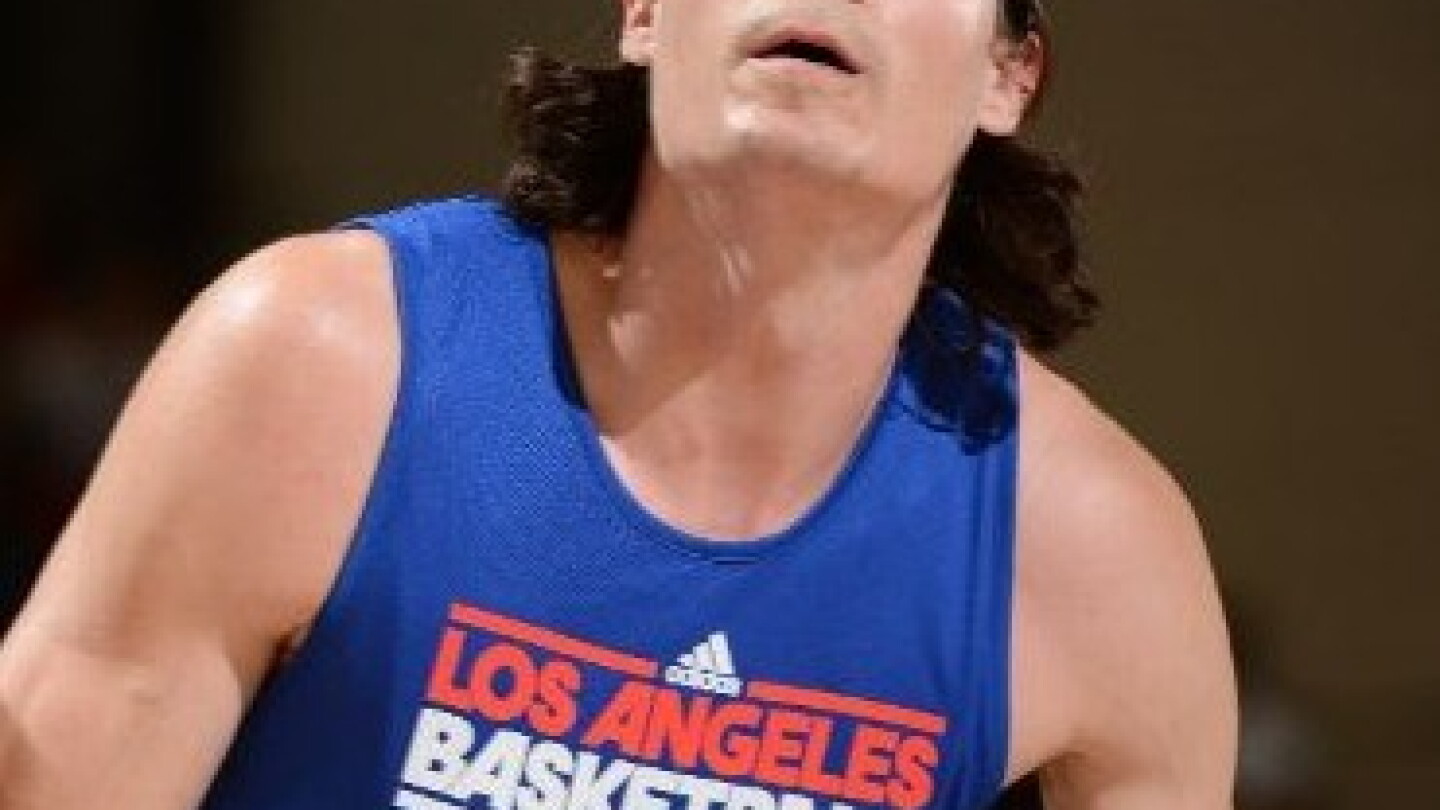
Adam Morrison’s path to the NBA summit is one of the most distinctive narratives in modern professional basketball, tracing a trajectory from a prolific collegiate superstar to a two-time NBA champion. While popular culture often reduces his professional career to the end of his bench tenure with the Los Angeles Lakers, a closer inspection reveals a nuanced journey defined by high expectations, devastating injuries, perseverance, and ultimately, the ultimate team success.
Introduction to Adam Morrison and Early Expectations
Adam Morrison burst onto the national sports consciousness as an electrifying collegiate forward for the Gonzaga Bulldogs. During the 2005-2006 NCAA season, his high-scoring exploits, distinctive shaggy hair, and vintage mustache made him a household name. He shared the National Player of the Year honors with JJ Redick after leading the nation in scoring with an average of 28.1 points per game. His offensive repertoire relied heavily on a polished mid-range game, deep shooting range, savvy court positioning, and an relentless motor that overwhelmed defenders.
This collegiate dominance led the Charlotte Bobcats to select Morrison with the third overall pick in the 2006 NBA Draft. Expectations were stratospheric. Franchise leadership and fans anticipated that Morrison would immediately transition into a primary offensive focal point and perennial All-Star. However, professional basketball presents formidable physical and tactical adjustments. The compressed spacing, elite athletic defenders, and grueling 82-game schedule tested Morrison from day one, setting the stage for a career path that diverged significantly from traditional superstardom.
The Collegiate Foundation and High Expectations
Before reaching the professional ranks, Morrison established his pedigree in the West Coast Conference under head coach Mark Few. His journey to stardom was all the more remarkable considering he managed Type 1 diabetes throughout his athletic career, a medical condition that required constant monitoring of blood glucose levels during intense physical exertion. Despite this challenge, his offensive output at Gonzaga placed him among the most lethal scorers in modern college basketball history.
Key factors that defined his collegiate success included:
- Elite Court Vision: Ability to read defenses and find open teammates despite drawing constant double-teams.
- Scoring Versatility: Proficiency in scoring off screens, driving to the basket, and shooting pull-up jumpers.
- Clutch Performance: A well-documented penchant for hitting game-winning shots in high-pressure conference and tournament games.
When the Charlotte Bobcats drafted him, they envisioned a franchise cornerstone who could elevate a small-market team into playoff contention. The organizational pressure placed on a high lottery pick often leaves little room for developmental error, and Morrison stepped into a complex rebuilding environment under head coach Bernie Bickerstaff.
Rookie Season Adversity and the Turning Point
Morrison’s rookie campaign in Charlotte showed flashes of his offensive promise. He played in 78 games, starting 23, and averaged 11.8 points, 2.9 rebounds, and 2.1 assists per contest. He earned NBA All-Rookie Second Team honors, demonstrating that he could score at the professional level. However, efficiency metrics highlighted struggles; his field goal percentage hovered around 37.6%, and his defensive limitations were routinely exposed by more athletic opposing wings.
The true turning point of his career occurred during a preseason game ahead of the 2007-2008 NBA season. Morrison suffered a torn anterior cruciate ligament (ACL) in his left knee during a matchup against the Los Angeles Lakers. This catastrophic injury sidelined him for the entire year. An ACL tear for a perimeter player whose game relied heavily on deceleration, cutting, and jump-shooting stripped away his primary athletic advantages. When he returned for the 2008-2009 season, he lacked his previous burst, leading to diminished playing time and a diminished role within the Bobcats' rotation.
Transition to the Los Angeles Lakers and Championship Culture
In February 2009, the Bobcats traded Morrison alongside Shannon Brown to the Los Angeles Lakers in exchange for Vladimir Radmanović. This trade fundamentally shifted the context of Morrison’s career. Moving from a rebuilding squad to a championship contender under legendary head coach Phil Jackson meant transitioning from a focal point of offense to a low-usage, situational bench contributor.
Joining a locker room featuring Kobe Bryant, Pau Gasol, and Lamar Odom provided Morrison with a masterclass in professional preparation and execution. While his individual playing time dropped significantly, his presence in practice and team meetings kept him embedded in the competitive rhythm of a title-contending franchise. The Lakers advanced to the 2009 NBA Finals against the Orlando Magic, culminating in a dominant series victory that earned Morrison his first NBA championship ring.
| Season | Team | Games Played | Points Per Game | Role & Status |
|---|---|---|---|---|
| 2006-07 | Charlotte Bobcats | 78 | 11.8 | Starter / Primary Rookie Scorer |
| 2007-08 | Charlotte Bobcats | 0 | 0.0 | Sidelined Entire Season (ACL Injury) |
| 2008-09 | Charlotte / LA Lakers | 53 | 4.8 | Reserve Bench / 2009 NBA Champion |
| 2009-10 | Los Angeles Lakers | 31 | 2.1 | Deep Bench / 2010 NBA Champion |
Back-to-Back Titles: The 2009-2010 Season
The 2009-2010 NBA season marked the culmination of Morrison’s time in the league. Operating primarily as an end-of-bench asset, Morrison appeared in 31 regular-season games for the Lakers, averaging 2.1 points in just over six minutes per contest. Despite limited floor time, he remained a valued teammate, known for his high basketball IQ, deep understanding of the triangle offense, and supportive locker room presence.
The Lakers navigated a grueling playoff run in 2010, ultimately facing their arch-rivals, the Boston Celtics, in a memorable seven-game NBA Finals series. Los Angeles secured the title in Game 7 at the Staples Center. For Morrison, securing a second consecutive championship ring cemented a rare statistical achievement: winning multiple NBA titles despite transitioning out of the primary rotation. Very few lottery picks experience this specific career arc, where individual scoring volume is replaced by team-level success at the highest tier of professional basketball.
Post-NBA Career and Coaching Legacy
Following his tenure with the Lakers, Morrison pursued professional opportunities internationally, playing for Crvena zvezda in Serbia during the 2011 season, where he experienced European basketball culture and competition. Afterward, he transitioned away from professional playing to pursue a career in coaching and education.
Morrison returned to his roots in the Pacific Northwest, serving as an assistant coach at Mead High School in Spokane, Washington, and later joining Mark Few’s staff at Gonzaga University as an assistant video coordinator and student assistant to complete his degree. This transition allowed him to channel his deep tactical knowledge of the game into mentorship, helping develop subsequent generations of collegiate players. His ability to analyze game film and communicate offensive spacing made him a respected figure within the Gonzaga basketball program.
Common Misconceptions Regarding Morrison’s Career
Public discourse surrounding Adam Morrison often simplifies his professional tenure into a cautionary tale of unfulfilled lottery expectations. However, evaluating his career strictly through the lens of draft position overlooks the profound impact of major injuries on an athlete's physical capabilities.
- The "Bust" Label vs. Injury Reality: While high draft picks carry heavy burdens, structural knee trauma significantly altered his physical trajectory before his prime years.
- Championship Contribution: Earning two NBA rings requires daily practice intensity, professionalism, and adherence to team structures, attributes Morrison maintained throughout his tenure in Los Angeles.
- International Adaptation: His successful transition to European play and subsequent coaching roles highlight a sustained, high-level engagement with the sport beyond the NBA.
Frequently Asked Questions
Did Adam Morrison win an NBA championship?
Yes, Adam Morrison won two NBA championships with the Los Angeles Lakers in 2009 and 2010. While he played a limited role off the bench during these playoff runs, he was an active roster member for both title-winning teams.
What caused Adam Morrison’s career decline in the NBA?
The primary catalyst for his decline was a torn ACL suffered during the 2007 preseason. This severe knee injury robbed him of the lateral quickness and explosive deceleration necessary to maintain his effectiveness as a perimeter scorer in the NBA.
What teams did Adam Morrison play for in the NBA?
Morrison played for the Charlotte Bobcats, who drafted him third overall in 2006, and the Los Angeles Lakers, where he finished his NBA career and won his two championships.
How did Adam Morrison manage diabetes during his career?
Morrison managed Type 1 diabetes throughout his athletic career by meticulously monitoring his blood glucose levels during practices and games, using insulin therapy, and consuming fast-acting carbohydrates on the sidelines when necessary.
What is Adam Morrison doing now?
After retiring from professional playing, Morrison transitioned into coaching and basketball operations, notably working within the Gonzaga University men's basketball program and contributing to local high school basketball development in Washington state.
Final Recommendation and Next Actions
For sports historians and basketball analysts examining Adam Morrison’s career, the key takeaway is the importance of contextualizing player development beyond raw draft metrics. Evaluating his trajectory demonstrates how injuries can derail a player's physical ceiling while still allowing them to carve out a meaningful, championship-winning role at the professional level. To explore this era further, review game film from his 2005-2006 Gonzaga season alongside archival footage of the 2009-2010 Los Angeles Lakers playoff runs to observe the distinct phases of his basketball evolution.