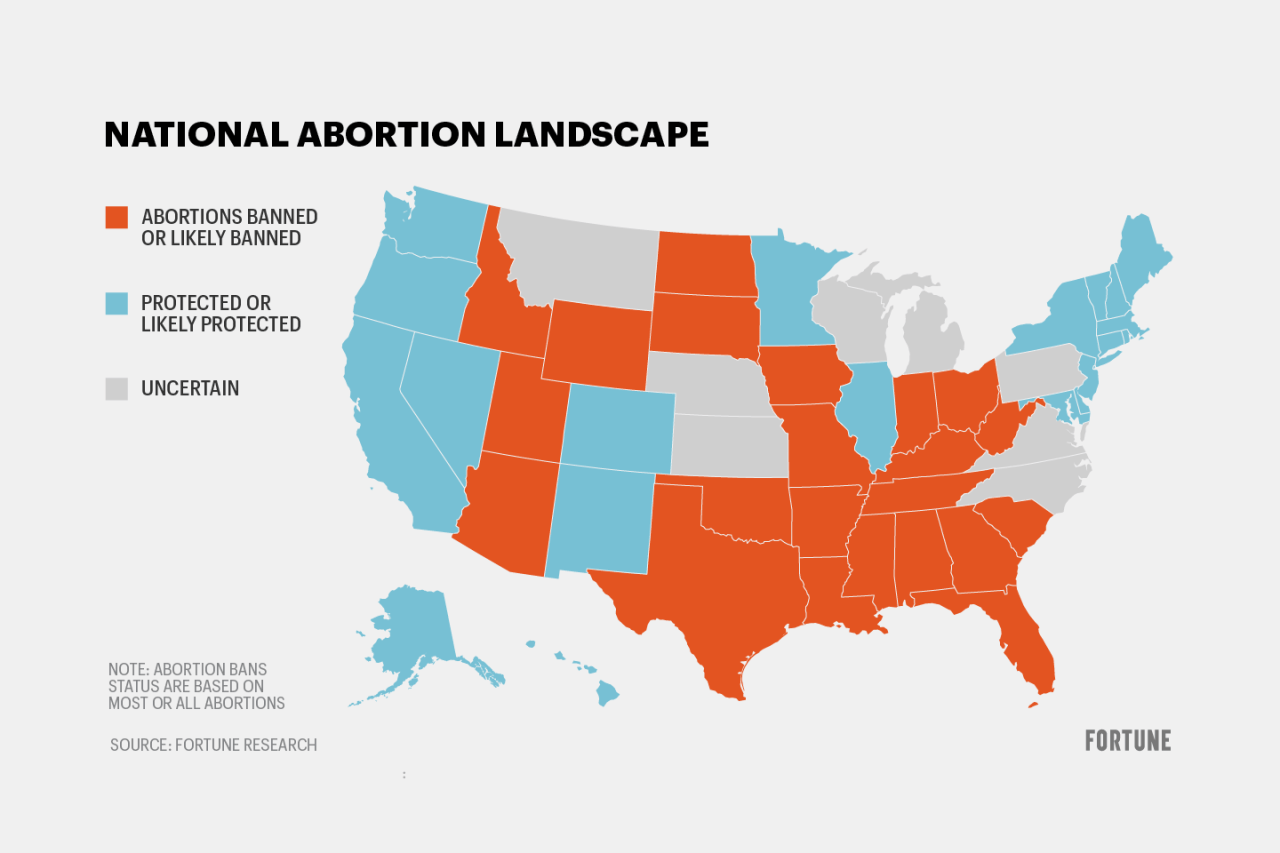
Abortion limits in the United States vary significantly by jurisdiction, ranging from complete bans in some states to protections through all stages of pregnancy in others, following the Supreme Court's 2022 decision to overturn the constitutional right to abortion. Patients navigating reproductive healthcare must understand these complex and rapidly evolving state-level statutes, gestational age restrictions, procedural requirements, and exceptions.
The Post-Dobbs Legal Landscape and State Authority
The regulatory framework governing abortion access underwent a fundamental transformation following the June 2022 decision in Dobbs v. Jackson Women's Health Organization. By ruling that the United States Constitution does not confer a right to abortion, the Supreme Court returned the authority to regulate or prohibit the procedure entirely to individual states. This shift fragmented the national landscape, creating a patchwork of laws where geographic location is often the primary determinant of legality, accessibility, and gestational limits.
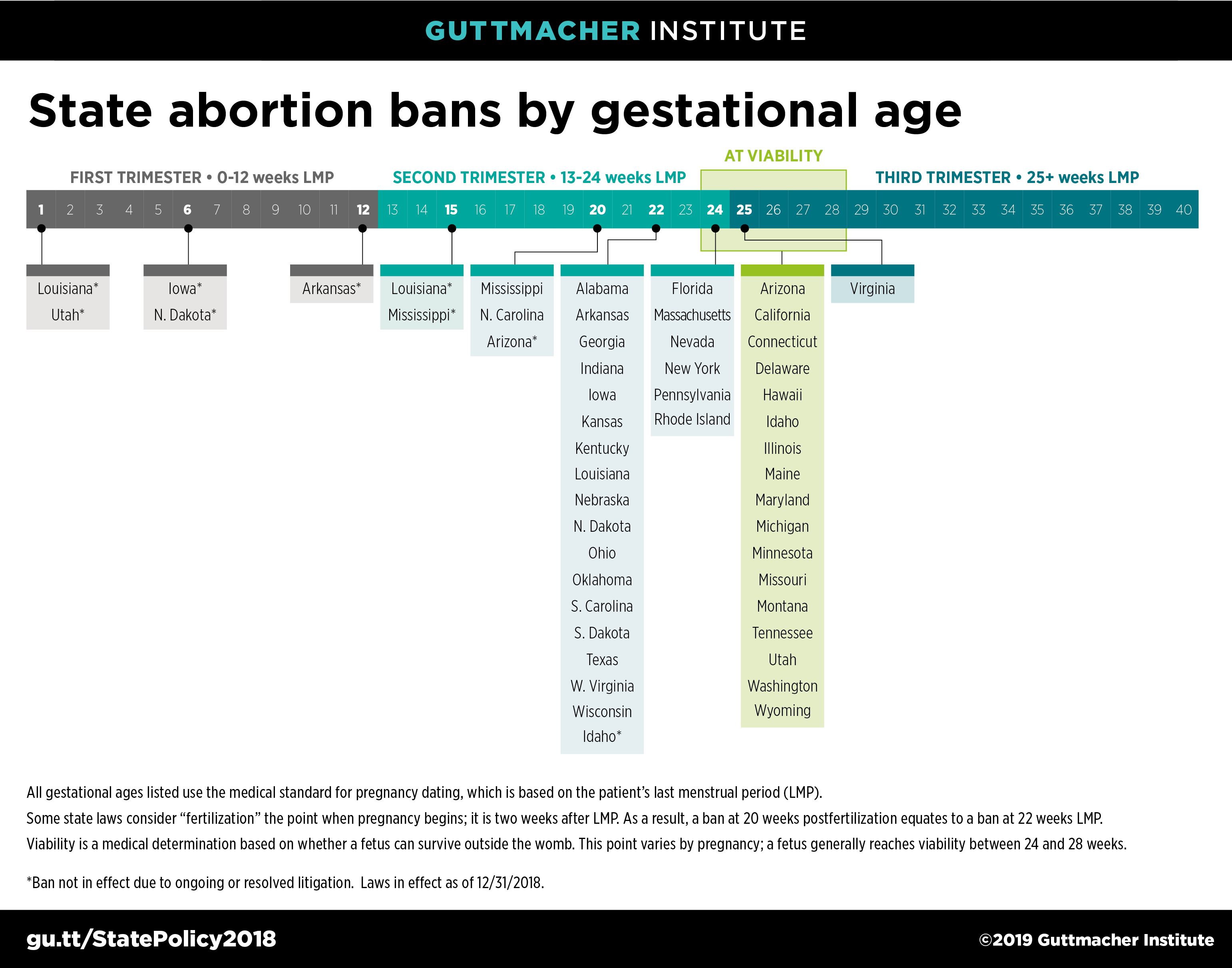
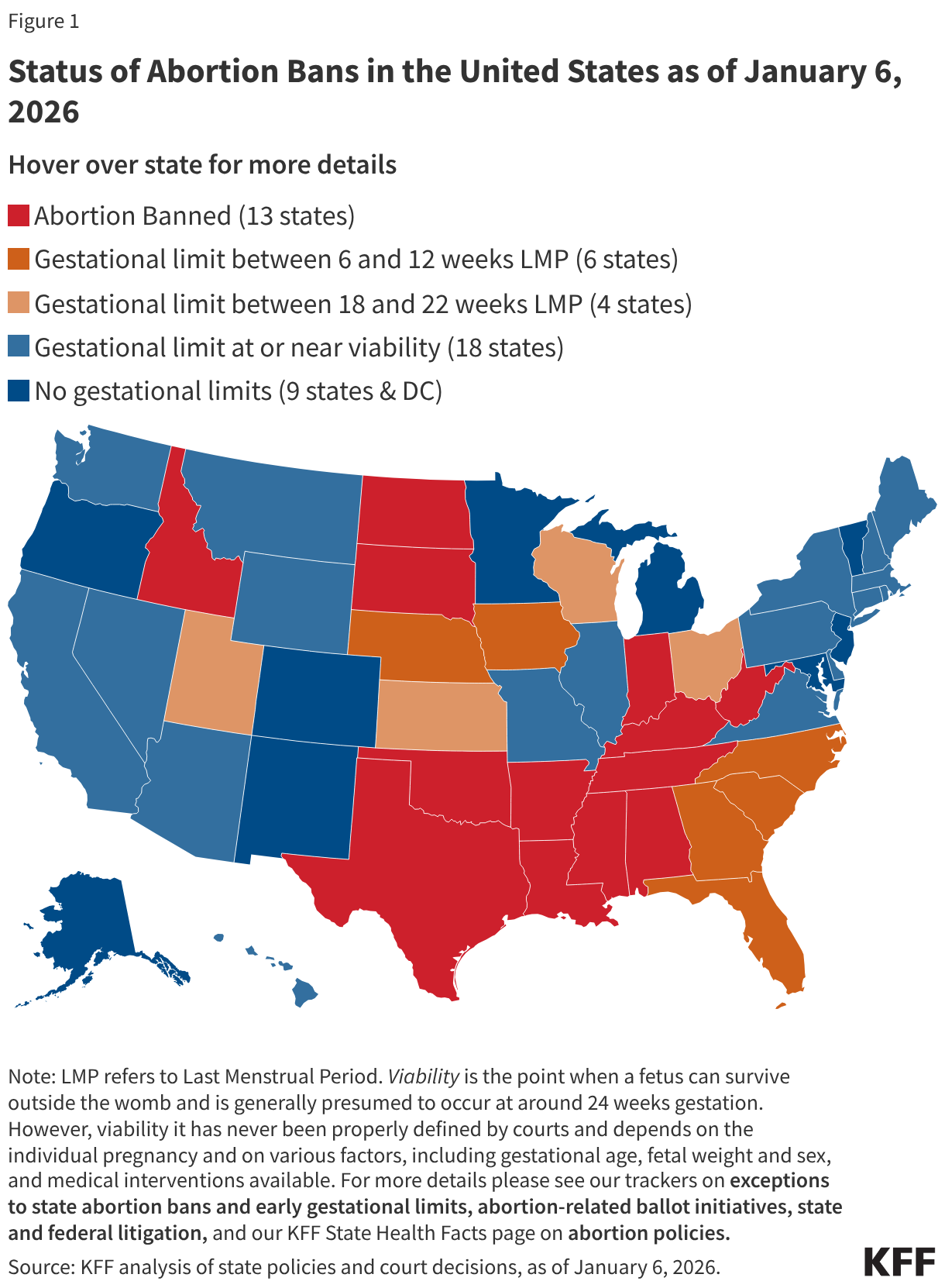
In the wake of this ruling, states quickly divided into distinct regulatory categories. Some jurisdictions enacted near-total bans on abortion, often featuring narrow exceptions, while others codified statutory protections for reproductive rights into state constitutions or laws. Additionally, a middle tier of states established gestational limits ranging from six weeks to fetal viability, typically around 24 weeks of pregnancy. This legal divergence requires healthcare providers, legal analysts, and patients to track individual state codes closely, as minor geographic boundaries can mean the difference between legal in-state care and traveling hundreds of miles across state lines.
Understanding these state-level restrictions involves examining not only statutory bans but also the enforcement mechanisms attached to them. Many restrictive states rely on criminal penalties for physicians who perform prohibited procedures, while others utilize civil enforcement models that empower private citizens to sue individuals who perform or aid in obtaining an abortion. Conversely, protective states have enacted "shield laws" designed to protect in-state providers and patients from civil and criminal liability stemming from out-of-state investigations or lawsuits.
Classification of States by Access and Gestational Limits
To make sense of the varying restrictions, legal scholars and advocacy organizations generally group United States jurisdictions into three primary categories based on the degree of access and gestational limits: restricted access, gestational limits, and protected access.
States with Bans or Near-Total Restrictions
A substantial number of states have implemented bans on abortion at all stages of pregnancy, with few or no exceptions for rape or incest. In these jurisdictions, the performance of an abortion is classified as a felony offense for the medical provider, carrying severe prison sentences and the revocation of medical licenses. While these statutes generally include exceptions to save the life of the pregnant person or to prevent substantial and irreversible impairment of a major bodily function, physicians often report that the statutory language is ambiguous, creating a chilling effect on emergency medical care.
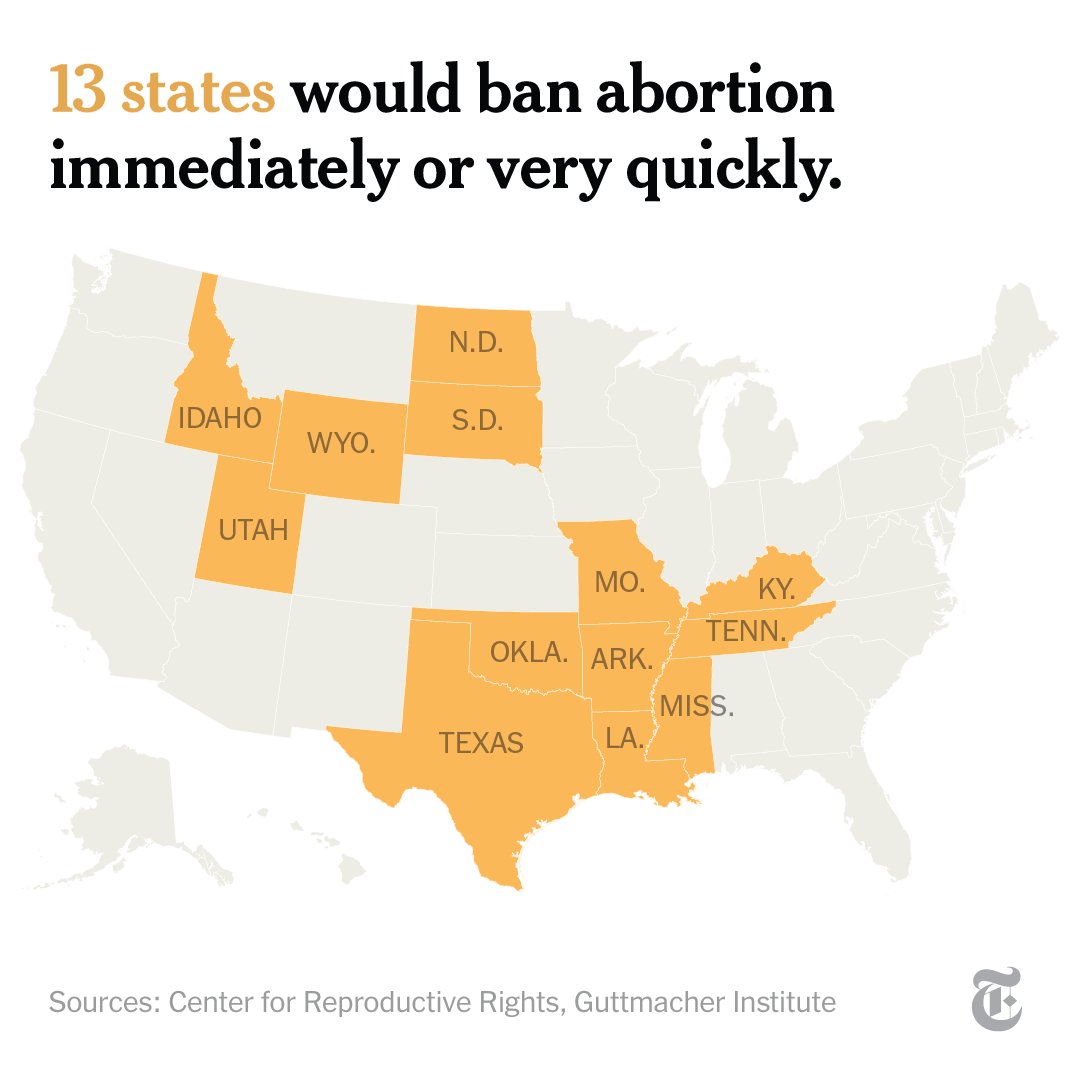
States enforcing total or near-total bans are concentrated primarily across the South, the Midwest, and portions of the Mountain West. In these areas, in-clinic abortion services have virtually ceased, forcing residents seeking procedural or medication abortion care to travel to neighboring states where laws remain permissive. The operational logistics of traveling across state lines introduce significant financial, logistical, and emotional burdens, disproportionately affecting low-income patients, minors, and marginalized communities.
States with Gestational Age Limits (6 to 18 Weeks)
Several states permit abortion up to a specific gestational age, after which the procedure becomes illegal except under narrow circumstances. The most restrictive of these intermediate limits is the "heartbeat" ban, which prohibits abortion once embryonic cardiac activity can be detected, typically around six weeks of gestation—often before many individuals realize they are pregnant.
Other states have established limits at 12, 15, or 18 weeks of pregnancy. These thresholds are often justified by legislative findings regarding fetal pain or developmental milestones, though they frequently face ongoing legal challenges in state courts. Patients in these states must undergo dating ultrasounds and clinical assessments to determine precise gestational age, ensuring that the procedure is performed within the legally mandated window.
States Protecting Abortion Access
Conversely, numerous states have explicitly protected or expanded abortion access through statutory enactments or voter-approved constitutional amendments. In these jurisdictions, abortion is legal up to fetal viability, and in some cases, throughout the entire pregnancy if deemed necessary by a healthcare provider to protect the patient's life or health.
These protective states have also taken proactive measures to safeguard providers and patients. Measures include funding for reproductive health clinics, protections for telehealth prescription of medication abortion, and prohibitions on cooperation with out-of-state legal actions. As a result, these states have experienced significant influxes of out-of-state patients, straining local clinic capacity and increasing wait times for appointments.
| State Category | General Gestational Limit | Typical Exceptions | Primary Enforcement Mechanism |
|---|---|---|---|
| Total/Near-Total Ban | 0 weeks (Complete ban) | Life of the pregnant person; severe physical health risk (varies) | Criminal felony charges for providers; civil liability |
| Early Gestational Limit | 6 weeks ("Heartbeat" ban) | Life, health, rape, incest (varies significantly by state) | Criminal penalties and civil enforcement |
| Mid-to-Late Limit | 12 to 24 weeks | Life, health, severe fetal anomalies | Criminal or regulatory provider penalties |
| Protected Access | Viability (approx. 24 weeks) or no limit | Health and life of the pregnant person | Protected by state law and constitutional amendments |
Procedural Requirements and Mandatory Waiting Periods
Beyond gestational age limits, individual states impose various procedural requirements that patients must satisfy before obtaining an abortion. These regulations can significantly extend the timeline for receiving care, which is particularly critical in states with strict gestational cutoffs.
Mandatory Waiting Periods and Counseling
Many states enforce mandatory waiting periods, typically requiring a 24-to-72-hour delay between an initial in-person consultation and the actual procedure. During the initial consultation, patients are often required to receive state-mandated counseling materials. These documents frequently include information on fetal development, alternatives to abortion, and state-produced resources for parenting. In practice, waiting periods often necessitate two separate trips to a clinical facility, introducing substantial travel and lodging expenses for individuals residing far from the nearest provider.
Parental Involvement Laws for Minors
States also regulate access for minors through parental notification or parental consent laws. In restrictive and intermediate states, a minor typically must obtain permission from one or both parents before undergoing an abortion. Most of these laws include a "judicial bypass" procedure, which allows a minor to petition a judge for authorization to obtain an abortion without parental involvement if the judge determines the minor is mature enough to make the decision or that notification is not in their best interest. Navigating the judicial bypass process requires legal representation and can cause delays that push a patient past a state's gestational limit.
Ultrasound Requirements and Insurance Restrictions
States frequently regulate the clinical interaction by mandating that physicians perform an ultrasound prior to the procedure and offer the patient the opportunity to view the image or listen to fetal heart tones. Some states require the provider to describe the ultrasound imagery in detail, regardless of whether the patient wishes to hear it. Additionally, state regulations often govern insurance coverage for abortion services. While protective states often require state-regulated health plans to cover abortion care with no out-of-pocket costs, restricted states frequently prohibit private insurance plans from covering elective abortions, and federal restrictions (such as the Hyde Amendment) bar federal funds like Medicaid from covering the procedure except in cases of rape, incest, or life endangerment.
Medication Abortion Regulations and Telehealth
Medication abortion—primarily utilizing a two-drug regimen of mifepristone and misoprostol—accounts for a substantial majority of early-stage pregnancy terminations in the United States. Consequently, state regulations increasingly target the distribution, prescribing, and delivery of these medications.
The Food and Drug Administration (FDA) establishes baseline protocols for mifepristone, including its use through 10 weeks of gestation and the ability to obtain the medication via telehealth and mail delivery. However, individual states have enacted counter-regulations. Restricted states prohibit the distribution of abortion pills via mail, ban telehealth prescribing for abortion care, and require that a licensed physician administer the medication in person. Some states even mandate that the physician be physically present when the medication is ingested, criminalizing self-managed abortion or the mailing of pills from outside the state.
Conversely, protective states have moved to safeguard medication abortion by stockpiling supplies of mifepristone, authorizing advanced practice clinicians (such as nurse practitioners and physician assistants) to prescribe the medication, and establishing legal protections for providers who mail prescriptions to patients residing in restrictive states. These differing standards have created a complex legal and logistical environment for digital health platforms and mail-order pharmacies operating across state lines.
Frequently Asked Questions
Are medication abortions legal in every state?
No. While the FDA permits medication abortion up to 10 weeks of pregnancy nationwide, individual states have enacted bans or severe restrictions. Some states prohibit telehealth prescribing, mail delivery, and the dispensing of abortion pills without an in-person physician presence, effectively criminalizing medication abortion within their borders.
What exceptions are commonly included in state abortion bans?
Most restrictive states include an explicit exception to prevent the death of the pregnant person. Many also include exceptions for severe and irreversible physical health impairments, while others provide narrow exceptions for pregnancies resulting from reported rape or incest. However, medical professionals often note that these exceptions can be legally ambiguous and difficult to apply safely in acute clinical emergencies.
How do patients in restrictive states access out-of-state care?
Patients residing in states with total or strict bans frequently travel to neighboring protective or intermediate states where abortion remains legal. To assist with the financial and logistical barriers of travel—such as transportation, lodging, childcare, and lost wages—nonprofit organizations known as abortion funds often provide financial assistance and logistical navigation support.
Do shield laws protect doctors who prescribe abortion pills across state lines?
Yes, several states with protective access laws have enacted "shield laws" to protect their resident healthcare providers from civil lawsuits, criminal extradition, and professional licensing penalties initiated by restrictive states regarding telehealth care or out-of-state patients. However, the legal enforceability and interstate reach of these laws remain subjects of ongoing litigation and debate.
What is fetal viability, and why is it legally significant?
Fetal viability refers to the point at which a fetus can survive outside the womb, typically considered by medical consensus to be around 24 weeks of pregnancy. Historically, under the framework established by Roe v. Wade, states could not ban abortion prior to viability. Following the Dobbs decision, viability is no longer a federal constitutional threshold, though several state constitutions and statutes still use viability as the dividing line for permissible state regulation.
Practical Guidance and Next Actions
Navigating abortion limits requires verified, up-to-date information regarding clinical availability and legal restrictions in specific jurisdictions. Patients seeking care should consult trusted, neutral informational resources such as AbortionFinder.org or In Need of an Abortion (ineedana.com), which maintain continuously updated databases of state laws, clinic locations, and logistical support networks. Individuals should verify clinic credentials, ensure compliance with local waiting periods and mandatory counseling rules, and consult with qualified healthcare providers to discuss clinical options and eligibility safely.