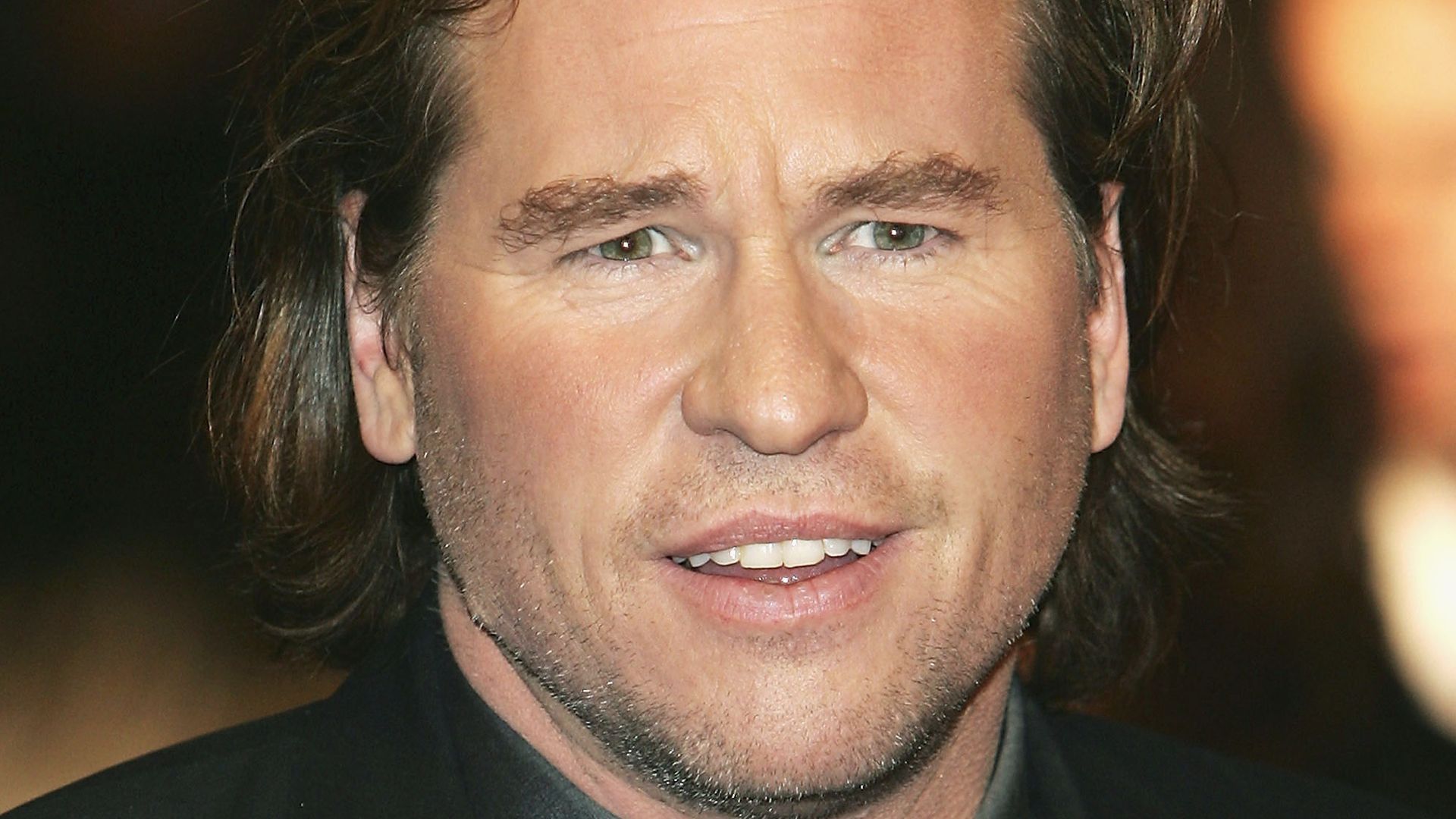
Val Kilmer’s portrayal of Tom "Iceman" Kazansky in the 1986 classic Top Gun stands out due to his disciplined professionalism, a unique physical performance that includes iconic improvisations, and a character arc that subverts the traditional "villain" trope. Unlike typical cinematic rivals, Iceman provides a grounded, technically superior foil to Maverick’s recklessness, ultimately transforming from a cold antagonist into the ultimate symbol of wingman loyalty.
The Architect of the "Ice" Persona
When audiences first met Tom "Iceman" Kazansky in 1986, the landscape of action cinema was dominated by hot-headed, muscle-bound heroes. Val Kilmer, a classically trained actor who had recently graduated from Juilliard, brought a level of intensity to the role that was entirely different from the archetypal "bully" found in 1980s films. To understand why Iceman remains a cultural touchstone in 2026, one must look at the precision Kilmer used to build the character from the ground up.
Iceman is defined by his name: he is cold, calculating, and seemingly immune to the pressures of high-stakes aerial combat. While Tom Cruise’s Pete "Maverick" Mitchell is fueled by emotion and a desperate need to prove himself, Iceman is fueled by the book. He is the "perfect" pilot, a distinction that makes him more than just a rival—it makes him a mirror in which Maverick’s flaws are magnified.
1. The Professionalism as a Narrative Foil
The primary reason Iceman stands out is that he is technically and ethically correct within the context of his profession. In most films, the protagonist’s rival is a "cheater" or someone who uses underhanded tactics to win. Iceman does neither. He is the top of his class because he follows the rules of engagement and understands the life-and-death stakes of naval aviation.
In the world of the United States Navy Fighter Weapons School (TOPGUN), the goal is not individual glory but collective survival. Iceman’s primary criticism of Maverick—that he is "dangerous"—is not born out of jealousy, but out of a genuine concern for the safety of the fleet. By positioning the "antagonist" as the voice of reason and safety, the film creates a sophisticated tension. Iceman stands out because he represents the institutional ideal that Maverick must eventually learn to respect. He isn't trying to beat Maverick; he's trying to ensure Maverick doesn't get someone killed.
2. Subversive Acting and Physical Mannerisms
Val Kilmer famously did not want to be in Top Gun initially. He reportedly felt the script was "silly." However, due to contractual obligations with Paramount, he took the role and decided to make Iceman as distinct as possible. This led to several acting choices that have become legendary in film history.
The most famous of these is the "teeth chomp." During a tense confrontation with Maverick, Kilmer improvised a quick, aggressive snap of his teeth. It was a non-verbal cue that signaled Iceman’s predatory focus and his disdain for Maverick’s antics. These small, idiosyncratic physical details gave Iceman a life beyond the page. Kilmer also utilized a cold, unblinking stare and a rigid posture that contrasted sharply with Tom Cruise’s more fluid, kinetic energy. By choosing to do "less" with his face and body, Kilmer made every movement Iceman did make seem calculated and threatening.
3. The Methodology of Real-World Tension
The chemistry between Maverick and Iceman is palpable, and that is partly due to Val Kilmer’s "method" approach on set. During the production of the 1986 film, Kilmer intentionally kept his distance from Tom Cruise. He fostered a sense of two separate camps—the "Iceman" group and the "Maverick" group—to ensure that the friction seen on screen was authentic.
This dedication to the craft meant that the rivalry didn't feel like scripted dialogue; it felt like a genuine clash of personalities. In 2026, as we look back at the history of action cinema, this remains a masterclass in how supporting actors can elevate a film by treating the material with the same weight as a Shakespearean drama. Kilmer didn't play a "sidekick" or a "jerk"; he played a man who believed he was the hero of his own story.
4. Subverting the Villain Trope
In the traditional 80s movie formula, the rival is someone the audience is meant to hate. However, Iceman is remarkably difficult to hate because his skill is undeniable. He doesn't rely on bravado; he relies on results. Throughout the film, Iceman is consistently the better pilot in terms of points and rankings.
This creates a psychological layer to the character. He stands out because he challenges the audience’s loyalty to the protagonist. We want Maverick to win because he is the underdog, but we respect Iceman because he is the professional. This nuance is rare in summer blockbusters. By the time the final dogfight in the Indian Ocean occurs, the audience is rooting for Iceman to survive just as much as Maverick, because the film has established that while their methods differ, their courage is identical.
5. Visual Identity and Style
The visual presentation of Iceman contributed significantly to his "standout" status. From the perfectly coiffed, flat-top blonde hair to the way he wore his aviator sunglasses, Iceman was the epitome of "cool" in the 1980s. While Maverick’s look was rugged and a bit disheveled, Iceman’s appearance was pristine.
This aesthetic choice reinforced his character traits: precision, order, and control. In the context of the film's cinematography, Iceman is often framed in static, powerful shots, whereas Maverick is framed in motion. This visual storytelling helps the audience internalize Iceman’s role as the "immovable object" that Maverick’s "unstoppable force" must reckon with. Even the call sign "Iceman" itself became a brand of its own, synonymous with high-pressure performance.
| Feature | Tom "Iceman" Kazansky | Pete "Maverick" Mitchell |
|---|---|---|
| Flying Style | Methodical, by-the-book, safe | Instinctive, reckless, high-risk |
| Primary Motivation | Professional excellence and safety | Proving worth/Overcoming father's legacy |
| Temperament | Stoic, cold, disciplined | Emotional, volatile, charismatic |
| Key Physical Trait | The "Teeth Chomp," pristine hair | The smirk, leather flight jacket |
| Call Sign Origin | "Ice" cold under pressure | Unpredictable, lone wolf |
| Career Outcome | Admiral, Commander of Pacific Fleet | Career Captain, test pilot |
6. The Evolution of the Wingman
The climax of the 1986 film features one of the most quoted lines in cinema history: "You can be my wingman any time." This moment is the culmination of Iceman’s character arc. He stands out because his respect is not given freely—it is earned through blood and fire.
When Iceman finally validates Maverick, it signifies that Maverick has finally integrated the discipline that Iceman represented. It isn't just a friendly gesture; it is a professional endorsement from the highest authority. This transformation from critic to comrade is what gives the character such longevity. He serves as the moral compass of the film, defining what it actually means to be a "top gun." In the sequel, Top Gun: Maverick (2022), this relationship is further cemented, showing that Iceman’s loyalty wasn't just a momentary lapse in his cold exterior, but a foundational shift in his character.
7. The Emotional Legacy and "Maverick" (2022)
While the 1986 film made Iceman an icon, the 2026 perspective on the character is heavily influenced by his return in the 2022 sequel. Val Kilmer’s real-life battle with throat cancer was written into the character, with Iceman communicating primarily through typing until one final, poignant spoken line.
This development added a layer of profound tragedy and nobility to the character. Iceman became the "Guardian Angel" of Maverick’s career, protecting him from the bureaucracy of the Navy for decades. This shift—from the man who followed the rules to the man who protected the rule-breaker—is a poetic evolution. It stands out because it reflects the real-world passage of time and the deepening of a friendship that began in rivalry. The scene between Cruise and Kilmer in the sequel is widely regarded as one of the most moving moments in modern action cinema, proving that Iceman was always the emotional anchor of the franchise.
The Technical Precision of Kilmer's Performance
To understand the technical depth of why Kilmer’s Iceman works, one must look at the constraints of a cockpit. In the flying sequences, actors are limited by their gear—oxygen masks, helmets, and the intense G-forces of the F-14 Tomcat. Kilmer managed to convey Iceman’s "coldness" through his eyes alone.
Film historians often note that Kilmer's performance is a study in "economy of motion." He never over-acts. In a film filled with loud jet engines and an even louder soundtrack, Iceman’s quietude is his most powerful weapon. This intentional contrast is what makes him pop off the screen. Even when he isn't the focus of a scene, his presence is felt as a looming standard of excellence that the other pilots are constantly measuring themselves against.
FAQs About Iceman and Val Kilmer
Why did Val Kilmer do the "teeth chomp" in Top Gun?
The "teeth chomp" was an improvisation by Val Kilmer during a scene where Iceman confronts Maverick. Kilmer wanted to add a animalistic, predatory edge to the character to show that Iceman wasn't just annoyed by Maverick—he was hunting for any sign of weakness. It became one of the character's most recognizable traits.
Is Iceman actually the "villain" of the movie?
No, Iceman is technically the "antagonist" because he opposes the protagonist (Maverick), but he is not a villain. In a military context, Iceman's criticisms of Maverick are valid. He prioritizes safety, teamwork, and procedure, which are the actual requirements for a successful naval aviator.
How did Val Kilmer’s health affect his role in Top Gun: Maverick?
Val Kilmer lost his voice due to treatments for throat cancer. For the 2022 sequel, the filmmakers worked with Kilmer to incorporate his real-life health struggles into the character of Iceman. They used AI technology to recreate his voice for his brief spoken dialogue, but most of his performance was conveyed through typing and facial expressions, which added significant emotional weight to the role.
Did Val Kilmer and Tom Cruise get along during filming?
During the 1986 filming, they maintained a professional distance to help fuel their on-screen rivalry. However, in the years following, they developed a deep mutual respect. Tom Cruise famously stated that he would not make the sequel unless Val Kilmer was involved, highlighting the importance of their real-world bond.
What rank did Iceman eventually achieve?
In the 2022 film Top Gun: Maverick, it is revealed that Tom "Iceman" Kazansky rose to the rank of Admiral (four-star) and served as the Commander of the U.S. Pacific Fleet (COMPACFLT). This distinguishes him from Maverick, who remained a Captain (O-6) despite his years of service.
Recommendation for Further Viewing
To truly appreciate the nuance Val Kilmer brought to the role of Iceman, viewers should watch the 1986 Top Gun and the 2022 Top Gun: Maverick as a double feature. Pay close attention to the way Iceman uses silence in both films. Additionally, the documentary Val (2021) provides excellent behind-the-scenes footage and context regarding Kilmer’s mindset during the original production, offering a rare look at how a young actor navigates a career-defining role while balancing personal artistic integrity.
For those interested in the technical aspects of the film, The U.S. Navy's official history of the TOPGUN school provides context on why Iceman's "by-the-book" attitude was the more realistic portrayal of an elite fighter pilot compared to Maverick's "cowboy" antics.