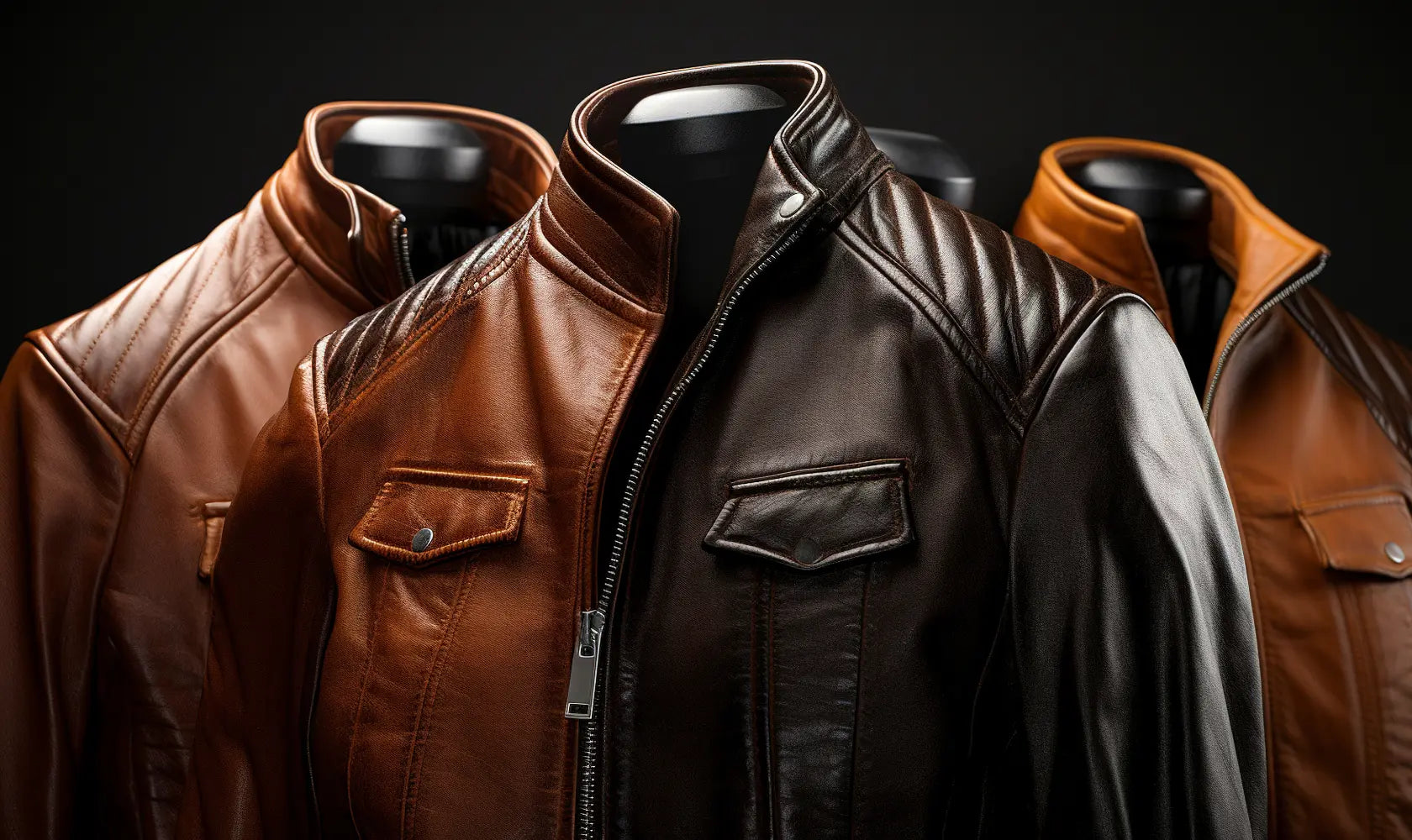
Finding the ultimate men's leather jacket requires balancing timeless aesthetic appeal, robust construction, and long-term durability. The best choices feature full-grain or top-grain leather, sturdy hardware, and classic silhouettes like the racer, bomber, or double rider that outlast fleeting fashion trends.
Selecting a leather jacket is a significant investment in your wardrobe. Unlike synthetic alternatives or lower-grade corrected leather, a high-quality hide develops a unique patina over time, softening to the contours of your body while remaining structurally sound for decades. Whether you need a rugged outer layer for daily motorcycle rides, a sleek minimalist cut for urban evenings, or an insulating classic for transitional weather, the right jacket bridges the gap between rugged utility and refined style.
Navigating the market means looking past superficial branding to evaluate leather grades, stitching density, lining materials, and hardware quality. Understanding these factors ensures your jacket not only looks exceptional on day one but also withstands the rigors of everyday wear for years to come.
Understanding Leather Quality and Construction
Before evaluating specific jacket models, it is essential to understand what makes a leather jacket truly durable. The market is flooded with various grades of leather, and terms can often be confusing or intentionally misleading.
Leather Grades: Full-Grain vs. Top-Grain vs. Genuine
The outermost layer of the hide—full-grain leather—is the gold standard for durability and style. It retains the natural grain, blemishes, and imperfections of the hide, making it exceptionally strong, breathable, and capable of developing a rich patina. Top-grain leather has been sanded and buffed to remove imperfections and a thin layer of the surface, then stamped with a faux grain. While it looks more uniform and feels softer initially, it lacks the lifelong durability of full-grain.
Avoid terms like "genuine leather" in marketing contexts; while technically made of leather, it typically refers to lower split-grain layers coated with polyurethane and embossed, offering poor longevity and minimal breathability. Suede and nubuck offer distinct textures but require specialized maintenance to protect against moisture and staining.
Hardware and Stitching
A jacket's leather body can outlast its components if the hardware and construction are subpar. Look for heavy-duty metal zippers—brands like YKK and Talon are industry benchmarks—that glide smoothly without catching on the inner lining. Snap buttons, buckles, and rivets should be solid brass, steel, or heavy zinc alloy rather than hollow stamped metal.
Examine the stitching closely. High-quality jackets feature tight, uniform lockstitching with heavy-duty, UV-resistant polyester or nylon thread. Double or triple-stitching along high-stress points, such as the shoulders, armscyes, and pocket corners, prevents tearing under tension.
The 7 Best Men’s Leather Jackets
The following selection highlights jackets renowned for exceptional craftsmanship, enduring design, and superior materials. Each option occupies a distinct stylistic niche, catering to different wardrobe preferences and climate needs.
1. Schott NYC 618 Double Rider Jacket
- Style: Double Rider / Motorcycle
- Leather Type: Full-grain steerhide
- Best For: Classic rugged style and authentic motorcycle heritage
The Schott NYC 618 is the definitive American motorcycle jacket, made famous by subcultures and cinematic icons since the mid-20th century. Crafted from heavy full-grain steerhide, it arrives stiff and requires a break-in period, but it molds to your frame over time like custom armor. It features asymmetrical front zippers, snap-down lapels, a buckled waist belt, and zippered gusset cuffs. The robust hardware and thick hide provide exceptional wind resistance and abrasion protection, making it a lifetime investment for those committed to authentic Americana.
2. Falcon Garments Mto Leather Racer
- Style: Cafe Racer / Minimalist
- Leather Type: Full-grain horsehide or lambskin (customizable)
- Best For: Sleek, tailored fits and modern urban style
Falcon Garments has earned a stellar reputation for offering made-to-order leather jackets with bespoke fitting options. Their Cafe Racer model is a masterclass in minimalism, featuring a snap-tab collar, straight zip front, and clean chest pockets devoid of excessive hardware. Buyers can select from various premium leathers, including Italian horsehide known for its dense grain and mirror-like break-in potential, or buttery Japanese lambskin for immediate comfort. The precision tailoring ensures a sharp silhouette that layers effortlessly over sweaters or slim-fit shirts.
3. Overland Yellowstone Shearling Bomber Jacket
- Style: Flight Bomber / Cold-Weather
- Leather Type: Spanish Merino shearling
- Best For: Superior warmth and luxury comfort in cold climates
For supreme insulation without sacrificing style, the Overland Yellowstone Shearling Bomber draws inspiration from classic World War II aviator gear. Constructed from genuine Spanish Merino shearling, the exterior features a smooth, supple napa leather finish, while the interior boasts thick, plush fleece that regulates body temperature naturally. Heavy-duty brass zippers, wind flaps, and buckled collar straps seal out freezing drafts. Though an investment piece, its timeless utility in sub-freezing weather is unmatched.
4. The Real McCoy’s Buco J-24 Rider Jacket
- Style: Premium Double Rider
- Leather Type: Vegetable-tanned horsehide
- Best For: Heritage purists seeking museum-grade replication
For enthusiasts of Japanese reproduction Americana, The Real McCoy’s produces arguably the finest leather jackets in the world. The Buco J-24 is an exhaustive recreation of vintage 1950s motorcycle jackets. It utilizes vegetable-tanned horsehide finished with aniline dye, allowing the natural character of the hide to shine through. Over time, the high-friction areas reveal underlying brown tones through a process known as tea-core aging. Every detail, from the wool-blend linings to the bell-shaped Talon zippers, is meticulously authenticated, placing it at the pinnacle of artisanal craftsmanship.
5. Temple of Jawnz / Independence Field Jacket
- Style: Utility / Field Jacket
- Leather Type: Calfskin or goat leather
- Best For: Versatile layering and multi-pocket practicality
Bridging the gap between a classic utility coat and a luxury leather garment, field-jacket designs offer unmatched everyday functionality. Featuring four front bellows pockets, a waist cinch, and a storm flap, this style accommodates modern EDC (Everyday Carry) items while maintaining a ruggedly sophisticated profile. Calfskin variants offer structural rigidity that holds its shape, while goatskin provides natural pebbled texture and exceptional tear resistance with remarkable flexibility.
6. Cockpit USA Classic A-2 Bomber Jacket
- Style: Aviator Bomber
- Leather Type: Goatskin or horsehide
- Best For: Military history enthusiasts and timeless casual wear
Cockpit USA is an official supplier to the United States Air Force, specializing in historically accurate flight jackets. Their classic A-2 bomber is constructed from supple yet durable goatskin, which resists moisture and wear far better than standard cowhide. It features snap-down epaulets, top-entry patch pockets, and knit cuffs and waistband to seal against cockpit drafts—or chilly autumn winds. It is an understated, versatile staple that pairs exceptionally well with raw denim and boots.
7. Thursday Boot Co. Premier Leather Jacket
- Style: Minimalist Moto / Everyday Casual
- Leather Type: Full-grain sheepskin or cowhide
- Best For: Exceptional value and entry-level luxury
If you want the aesthetic, durability, and feel of a high-end leather jacket without crossing the four-figure threshold, Thursday Boot Co. offers an impressive entry point. Their leather jackets utilize hand-selected full-grain hides, reinforced interior pocket construction, and smooth polyester-twill linings. Available in versatile cuts like minimalist moto and racer designs, these jackets prioritize immediate comfort while maintaining the structural integrity required to age gracefully.
Comparison of Top Leather Jacket Styles
| Jacket Model | Style Category | Leather Type | Break-In Period | Best Climate | Price Tier |
|---|---|---|---|---|---|
| Schott NYC 618 | Double Rider | Steerhide | Long (Stiff) | Spring / Fall | High |
| Falcon Garments Racer | Cafe Racer | Horsehide / Lambskin | Moderate | Mild / Cool | Premium |
| Overland Yellowstone | Shearling Bomber | Merino Shearling | Minimal (Soft) | Cold / Winter | Luxury |
| The Real McCoy’s J-24 | Double Rider | Veg-Tanned Horsehide | Very Long | Spring / Fall | Ultra-Luxury |
| Cockpit USA A-2 | Flight Bomber | Goatskin | Short | Fall / Spring | High |
| Thursday Boot Co. Moto | Minimalist Moto | Full-Grain Cowhide | Short / Moderate | Spring / Fall | Mid-Range |
Evaluating Fit, Sizing, and Layering
A leather jacket should fit like a second skin from the moment you put it on, keeping in mind that high-grade hides will stretch and conform to your body shape by roughly five to ten percent over the first few months of wear.
Shoulder Seams
The most critical factor in jacket fit is the shoulder seam. The seam should sit precisely on your natural shoulder bone—neither drooping down your arm nor pinching inward. If the shoulders do not fit correctly, the entire drape of the jacket is compromised, and shoulders cannot be easily altered by a tailor.
Sleeve Length and Torso
Sleeves should hit right at the base of your wrist bone or the thumb joint, keeping in mind that sleeves ride up slightly when you bend your arms or reach forward. For motorcycle-specific cuts, slightly longer sleeves are intentional to account for extended arm positions on handlebars. The torso length should typically end right around your belt line, though cafe racers and bombers are traditionally cropped shorter than double riders or field jackets.
Accounting for Layers
Consider what you intend to wear underneath your jacket. If you live in a cold climate and plan to layer chunky cable-knit sweaters or heavy flannel shirts, you may need to size up or select a jacket with a more relaxed cut. Conversely, minimalist cafe racers are designed to be worn over slim t-shirts or light button-downs for a sharp, streamlined silhouette.
Maintenance and Long-Term Care
Investing in a quality leather jacket means committing to a basic maintenance routine. Unlike synthetic fabrics, leather is a natural skin that requires hydration to prevent drying, cracking, and stiffening.
Cleaning and Conditioning
Remove surface dust and dirt periodically with a soft, damp microfiber cloth. Avoid harsh chemical cleaners, dish soap, or laundering machines, which strip natural oils from the hide. Every 6 to 12 months—depending on climate and frequency of wear—apply a specialized leather conditioner or mink oil sparingly using a clean cloth. Buff the jacket gently after conditioning to restore its natural luster.
Proper Storage
Always hang your leather jacket on a wide, contoured wooden or padded hanger that supports the shoulders. Never store a leather jacket in a plastic garment bag, as trapped humidity can cause mildew and rot the leather; instead, use a breathable cotton garment bag if protection from dust is necessary. Keep the jacket away from direct sunlight and artificial heat sources, which fade dyes and dry out the grain prematurely.
Frequently Asked Questions
How can I tell if a leather jacket is genuine full-grain leather?
Examine the surface under bright light using a magnifying glass if necessary. Full-grain leather displays natural grain variations, tiny pores, and occasional healed scars or insect bites. If the surface looks completely uniform, plastic-like, or displays a stamped repeat pattern, it is likely corrected top-grain or bonded leather. Additionally, full-grain leather smells earthy and organic, whereas synthetic alternatives emit a chemical or plastic odor.
Can I wear my leather jacket in the rain?
Most treated leather jackets can handle light rain or drizzle without issue, provided you let them dry naturally at room temperature away from direct heat sources. However, getting a high-end veg-tanned or suede jacket completely saturated can lead to water spotting, stiffness, or warping. If your jacket gets soaked, wipe it down with a dry cloth, hang it on a sturdy wooden hanger, and apply a conditioner once it is completely dry.
Should I buy a leather jacket tight, expecting it to stretch?
While high-grade leather does stretch and conform to your shape, it will not rescue a jacket that is fundamentally two sizes too small. Aim for a snug fit that allows you to comfortably zip the front and move your arms forward without straining the back seams. If you cannot comfortably wear a light sweater underneath without cutting off your circulation, the jacket is too tight.
What is the difference between cowhide, horsehide, and lambskin?
Cowhide offers an ideal balance of weight, durability, and flexibility, making it the most common choice for everyday wear. Horsehide is denser, stiffer, and highly abrasion-resistant, prized by heritage enthusiasts for its dramatic aging properties. Lambskin is exceptionally soft, lightweight, and buttery to the touch, offering immediate comfort at the expense of heavy-duty wind and abrasion resistance.
How do I store a leather jacket during the summer off-season?
Clean and condition the jacket thoroughly at the end of winter. Hang it on a wide wooden hanger in a cool, dark, dry closet with good airflow. Avoid cramped spaces where the leather might be pressed against other garments for months, as creases can become permanently set into the hide.
Conclusion
A premium men's leather jacket is a cornerstone of a well-curated wardrobe, combining functional weather protection with unmatched timeless style. By prioritizing high-grade hides like full-grain steerhide, horsehide, or supple lambskin, and investing in robust hardware from reputable makers like Schott NYC, Falcon Garments, or The Real McCoy's, you secure a garment that improves with age. Assess your climate, daily lifestyle, and aesthetic preferences carefully, maintain your investment with proper conditioning, and your leather jacket will reward you with decades of reliable wear.