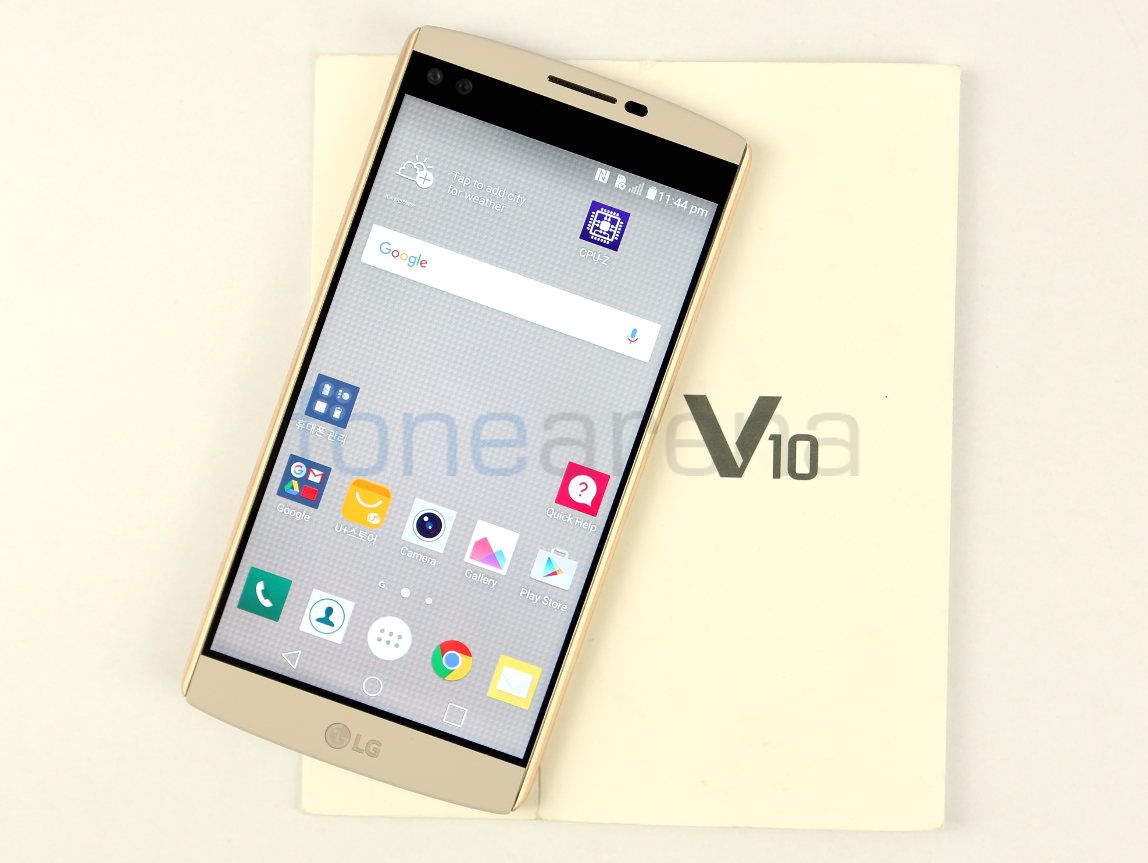
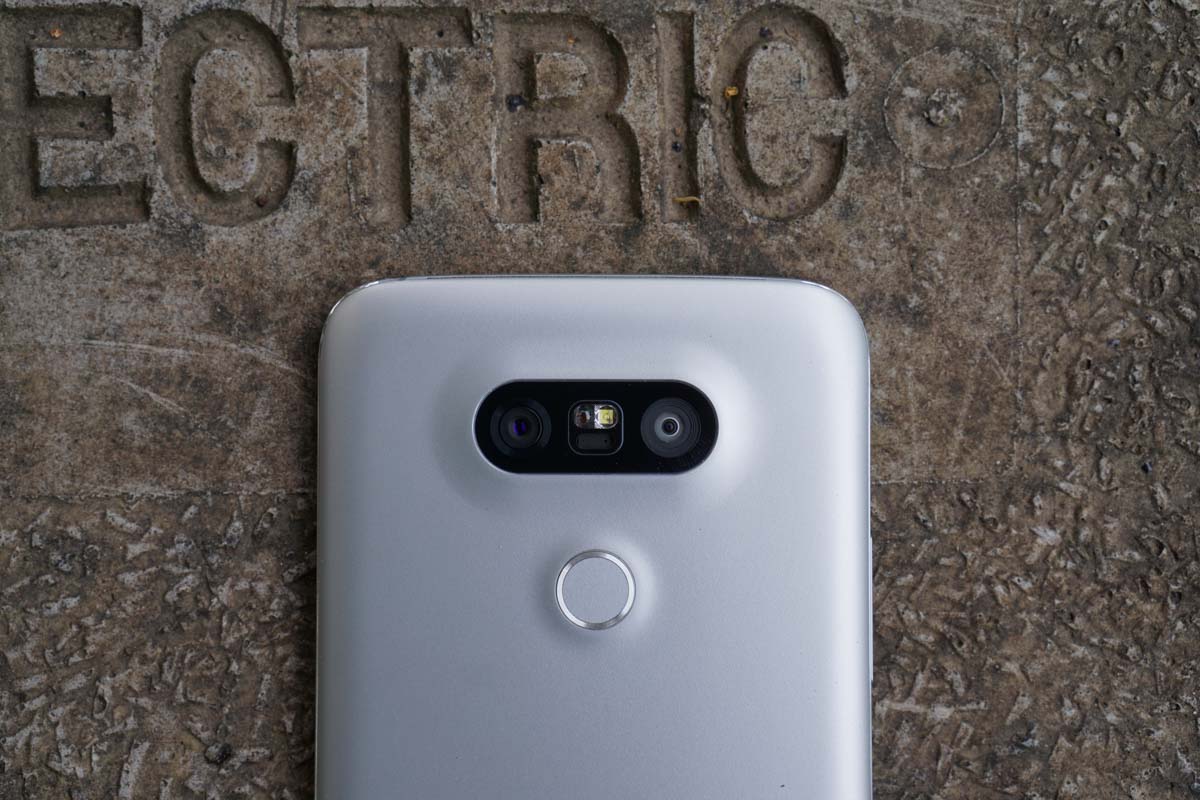
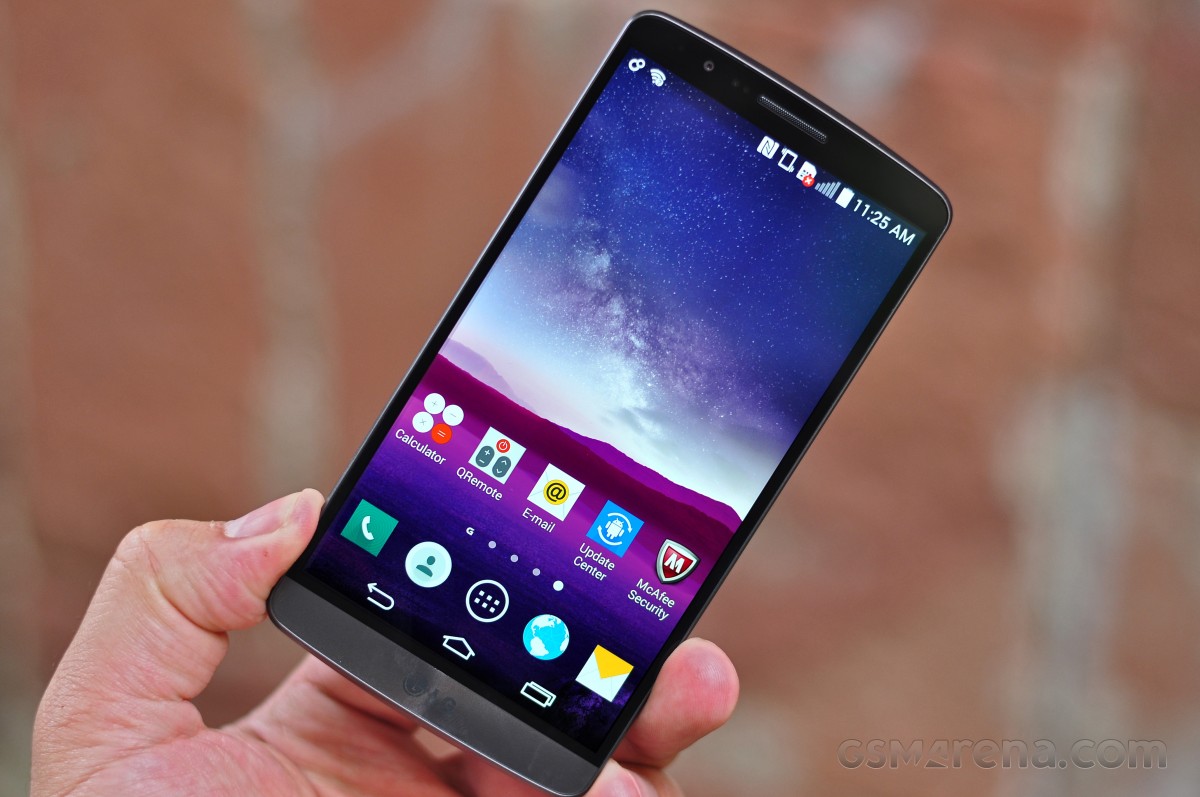
In 2026, the LG V10 remains a historical artifact of smartphone engineering, known for its secondary ticker display and rugged design. However, due to severe hardware degradation, lack of security support, and total incompatibility with modern cellular infrastructure, it is functionally obsolete for daily use. Users seeking a reliable device should avoid this model entirely for security and performance reasons.
The Reality of Owning a Legacy Device in 2026
The LG V10, released in late 2015, was ahead of its time with its innovative dual-screen setup and military-grade shock resistance. As we reach the mid-2020s, however, the gap between the hardware capabilities of the V10 and the demands of modern mobile computing has widened into an unbridgeable chasm. While it holds sentimental value for enthusiasts of LG’s "experimental" era, attempting to use the V10 as a primary smartphone today presents significant risks and insurmountable technical hurdles.
If you are currently considering purchasing an LG V10—whether for nostalgia or as a budget device—it is vital to understand why it can no longer serve as a functional daily driver. The following analysis outlines the technical and practical barriers that make the V10 a device that should be skipped in favor of modern alternatives.
1. Complete Lack of Security Updates and Software Support
The most pressing reason to avoid the LG V10 is the total cessation of security patches and operating system updates. The V10 reached its official "end-of-life" status regarding software support nearly a decade ago.
When a smartphone no longer receives security updates, it is essentially left exposed to every vulnerability discovered since the release of the last patch. Mobile operating systems, such as Android, are constantly evolving to address new exploits. Without these patches, the V10 is vulnerable to malware, zero-day exploits, and data interception. Given that mobile devices are now the primary gateways for banking, email, and personal communication, using a device with unpatched firmware is a significant security risk that cannot be mitigated by third-party antivirus software alone.
2. Incompatibility with Modern Cellular Networks
The telecommunications landscape has shifted dramatically since 2015. Many major carriers globally have dismantled their 3G infrastructures to make room for expanded 4G LTE and 5G spectrums.
The LG V10 was built for an era where 3G was still a primary fallback for voice calls and data. As carriers decommission older towers, the V10 experiences "dead zones" in areas where newer phones have full 5G coverage. Furthermore, because the V10 lacks support for modern Voice-over-LTE (VoLTE) standards required by many networks, it may struggle to maintain a stable cellular connection even in areas where signal strength appears adequate. You may find that even with a SIM card inserted, the device fails to register on the network or drops calls frequently, rendering the "phone" part of the smartphone ineffective.
3. Hardware Degradation and The "Bootloop" Legacy
LG’s hardware during the 2015–2017 period was famously plagued by the "bootloop" issue, a systemic hardware failure where the device becomes stuck in an endless cycle of restarting. The V10, much like its successor the V20 and the flagship G4, was highly susceptible to this defect, which was often linked to faulty soldering on the motherboard caused by thermal stress.
Even if you find a "new-old-stock" V10 or a seemingly pristine unit, the internal components have aged significantly. Batteries from that era have likely chemically degraded, losing their capacity to hold a charge and increasing the risk of swelling. Internal storage modules (eMMC) have a limited number of write cycles, and after years of service, these components are prone to sudden, catastrophic failure, leading to total, irrecoverable data loss.
4. Inability to Run Modern Applications
Modern applications are built for high-performance processors and large amounts of RAM. The V10’s aging Snapdragon 808 processor and 4GB of RAM were impressive in 2015, but they are insufficient for the bloated codebases of current mobile apps.
Popular social media, navigation, and banking applications often require specific versions of the Android OS to function correctly. The V10’s final software version (Android 6.0 Marshmallow) is no longer supported by the vast majority of modern app developers. You will likely encounter:
- Installation Errors: The Google Play Store may block the installation of current apps.
- Performance Lag: Even if an app installs, the device’s aging processor will struggle to render basic interfaces, leading to significant latency.
- Compatibility Gaps: Key security protocols required for modern web browsing (HTTPS/TLS) are outdated on the V10, causing most websites to fail to load or display security warnings.
5. Diminishing Value and Cost-Benefit Analysis
From a financial perspective, the V10 offers no value as a functional tool. While the initial investment for a used unit might seem low, the hidden costs are substantial. You would likely need to source an authentic, non-degraded battery, which is increasingly rare, and potentially invest time in custom ROMs just to get a basic version of Android to boot.
Compared to entry-level smartphones released in 2026, which offer vastly superior battery life, security, and network compatibility at a lower price point, the V10 is an expensive mistake. You are essentially paying for a piece of defunct hardware that will require constant troubleshooting rather than providing a utility-based return on investment.
Comparative Technical Snapshot
The following table illustrates the stark contrast between the LG V10’s capabilities and the standards expected in 2026.
| Feature | LG V10 (2015 Standard) | Modern Entry-Level Device (2026) |
|---|---|---|
| Android Version | 6.0 Marshmallow | 14.0 or Higher |
| Cellular Capability | 4G (Limited VoLTE) | 5G (Advanced Coverage) |
| Security Support | Terminated (Years ago) | Active (Monthly patches) |
| Processor | Snapdragon 808 | Modern Octa-Core Chipset |
| Charging Port | Micro-USB | USB-C (Fast Charging) |
| Reliability | Susceptible to Bootloops | High-Durability Components |
Frequently Asked Questions
Can I still use the LG V10 for music or as a secondary media player? While the V10 was lauded for its 32-bit Hi-Fi DAC, which provides excellent audio quality, using it as a dedicated media player is difficult. You will face challenges transferring files due to outdated security protocols in Bluetooth and USB connectivity. If you use it offline, it may still play audio, but it remains a security risk if connected to any network.
Is it possible to install a custom ROM on the LG V10 to make it modern? While some developers have created custom versions of Android for the V10, this is a highly technical task that requires unlocking the bootloader. Even with a custom ROM, you are limited by the physical hardware. The lack of modern cellular band support and the inherent fragility of the motherboard mean a custom ROM cannot fix the device's fundamental hardware flaws.
Why is my LG V10 suddenly not connecting to Wi-Fi? Modern Wi-Fi routers use encryption standards (such as WPA3) that the V10’s hardware and software are not designed to handshake with. This often leads to failed connections or the inability to authenticate, making the device effectively disconnected from modern home networks.
Are there parts available to repair a broken LG V10 screen or battery? Official repair parts for the V10 are no longer manufactured. Any parts found on secondary markets are likely "salvaged" from other old devices. Relying on these for a repair is risky, as you are installing aged components into an already unreliable chassis.
Recommendation: Move On to Modern Hardware
The LG V10 was a milestone in smartphone history, but its utility has expired. If you require a reliable communication device, you should invest in a current-generation entry-level smartphone. These devices provide better performance, guaranteed security updates, and full compatibility with the cellular networks of 2026. If you are a collector of vintage electronics, the V10 is a fine museum piece, but it should remain strictly in your display case, powered down, to preserve its legacy without the frustration of attempting to use it in a modern digital environment.