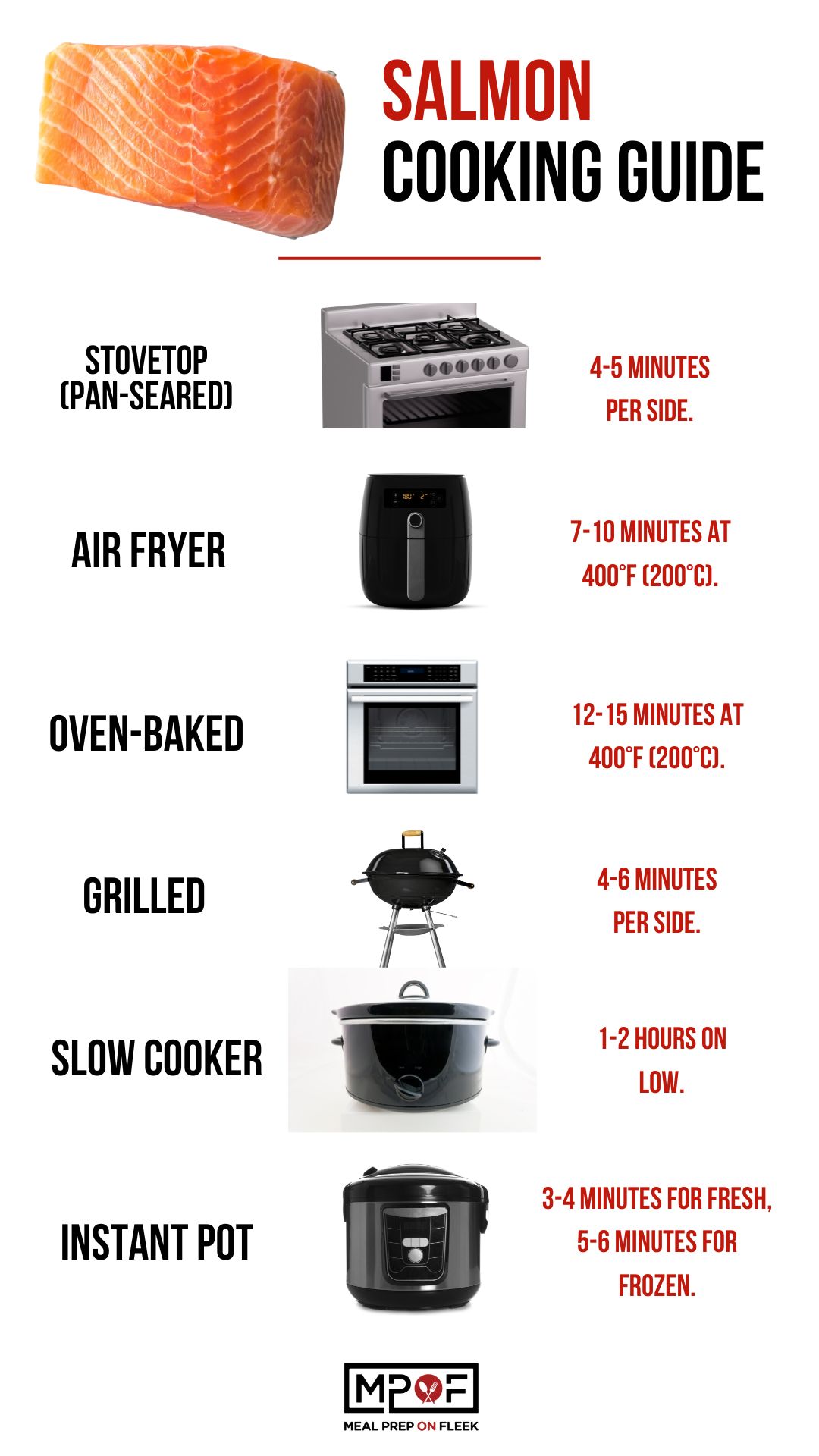
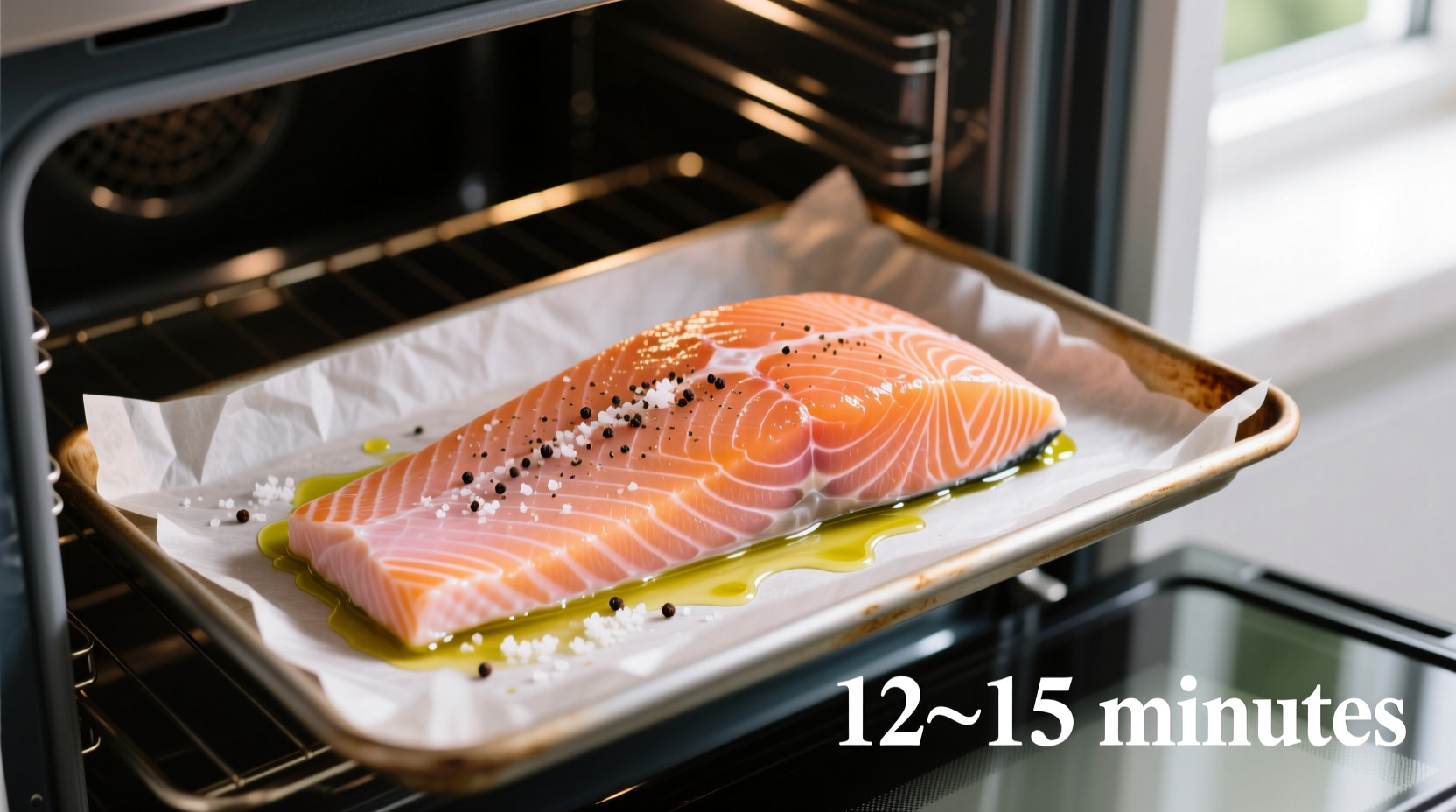
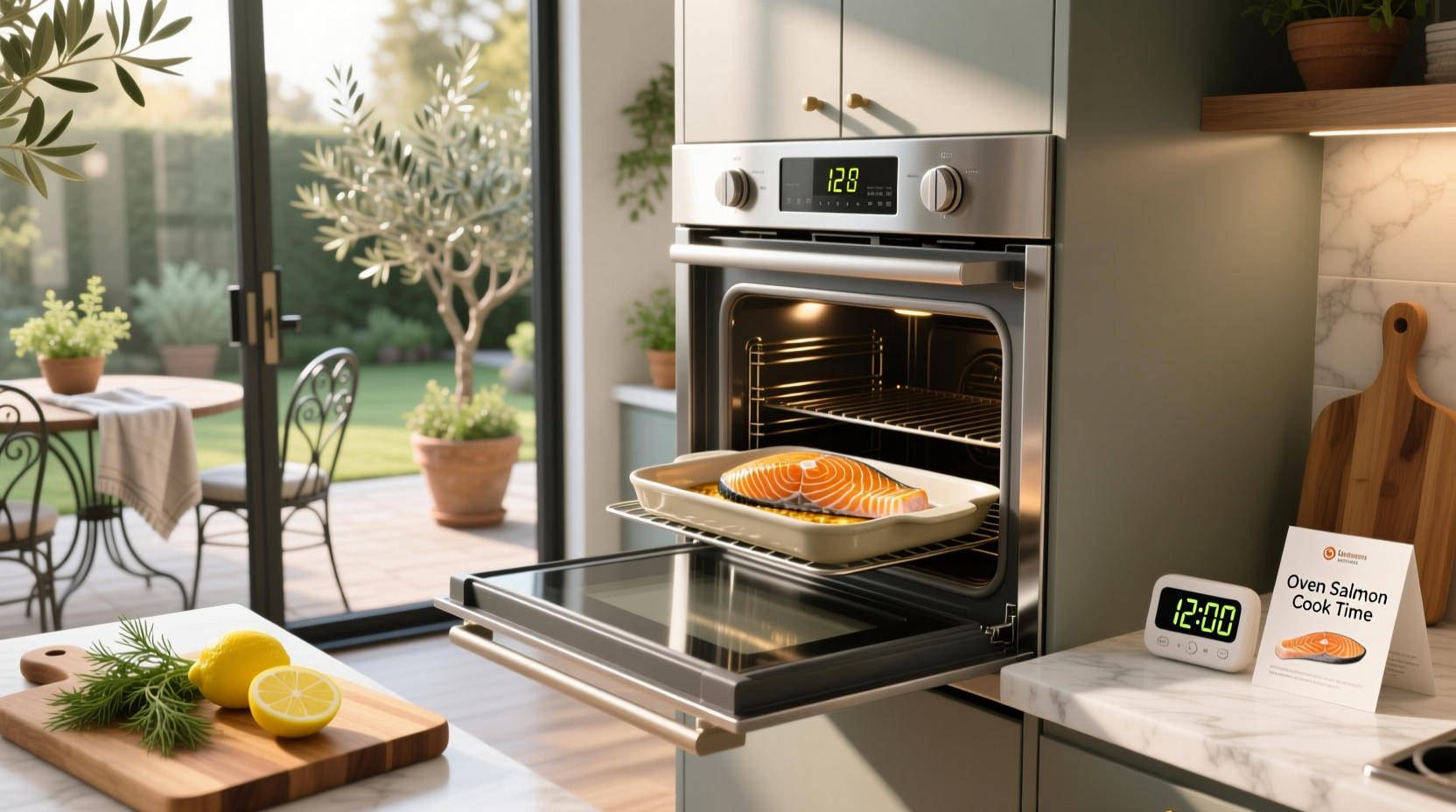
When baking salmon in a preheated oven at 350°F (177°C), a standard 1-inch thick fillet typically requires 15 to 20 minutes to reach an ideal level of doneness. The exact duration varies based on the thickness of the cut, whether the fish is at room temperature, and if it is cooked open or wrapped in parchment or foil.
Salmon is one of the most versatile and nutritious proteins available, but its delicate structure makes it susceptible to overcooking. While many modern recipes call for high-heat roasting at 400°F or higher, the moderate 350°F approach offers a gentler transition, allowing the center to reach the desired temperature without the exterior becoming tough or dry. As of 2026, this "slow and steady" approach remains a favorite for home cooks who prioritize moisture retention and consistent texture.
Why Choose 350°F for Baking Salmon?
The choice of 350°F is often referred to as the "sweet spot" for baking. At this temperature, the Maillard reaction—the chemical reaction between amino acids and reducing sugars that gives browned food its distinctive flavor—proceeds slowly. For salmon, which has a high fat and moisture content, this moderate heat provides several distinct advantages.
Reduced Albumin Leakage
Have you ever noticed a white, chalky substance appearing on the surface of your salmon as it cooks? That is albumin, a protein that is pushed out of the muscle fibers when they contract too quickly due to high heat. While perfectly safe to eat, it can be aesthetically unappealing and indicates that the muscle fibers are tightening, which can lead to a drier texture. Cooking at 350°F minimizes this contraction, keeping the albumin—and the moisture—inside the fish.
Even Heat Distribution
In a 400°F oven, the exterior of a thick salmon fillet can become overdone before the very center reaches a safe temperature. At 350°F, the heat has more time to penetrate the thermal center of the fish gradually. This results in a uniform flake from the skin-side to the top of the fillet. This is particularly beneficial for thicker cuts like King (Chinook) salmon or center-cut Atlantic fillets.
Forgiveness and Control
Salmon can go from perfectly translucent-pink to dry and fibrous in a matter of 60 seconds at high temperatures. The lower 350°F setting provides a wider "window of perfection." If you get distracted for two minutes, a fillet at 350°F is much more likely to remain juicy than one subjected to the intense heat of a 425°F oven.
Variables That Influence Cooking Time
While 15 to 20 minutes is the standard baseline, several physical and environmental factors will shift the clock. Understanding these variables allows you to adjust your 350degf salmon cooking time with precision.
1. Thickness of the Cut
The "rule of thumb" in fish cookery is often cited as 10 minutes per inch of thickness, but this generally applies to higher temperatures. At 350°F, you should expect closer to 12 to 15 minutes per inch. Always measure the salmon at its thickest point. A tail piece that is only half an inch thick may be done in as little as 10 minutes, whereas a thick center-cut portion might need the full 20 minutes.
2. Type of Salmon
Different species of salmon have varying fat contents and muscle densities:
- Atlantic Salmon: Usually farmed and quite fatty. The high fat content provides a buffer, making it very moist and slightly more resistant to drying out.
- Sockeye and Coho: These wild varieties are leaner and thinner. They cook significantly faster and can become dry if left in for the same duration as a fatty Atlantic fillet.
- King (Chinook): The largest and fattiest species. Because of its thickness and oil content, it often requires the upper end of the time spectrum (20-25 minutes) but remains exceptionally succulent.
3. Preparation Method
How you prepare the fish for the oven changes the thermodynamics:
- Open-Air Baking: Placing the fish directly on a sheet pan results in a traditional baked texture.
- Foil or Parchment (En Papillote): Wrapping the salmon creates a sealed environment where the fish steams in its own juices. This method is often faster because the steam transfers heat more efficiently than dry air, usually requiring about 14–17 minutes for a 1-inch fillet.
- Stuffed Salmon: If you are cooking salmon stuffed with crab, herbs, or breadcrumbs, the increased mass requires a longer cooking time, often 25 to 30 minutes at 350°F.
4. Starting Temperature
Taking salmon directly from a 38°F refrigerator and placing it in the oven will add 2 to 3 minutes to the cooking time compared to a fillet that has sat on the counter for 15 minutes to take the chill off. For the most even results, it is recommended to let the fish rest at room temperature briefly before cooking.
Detailed Cooking Time Reference Table
The following table provides estimates for cooking salmon in a preheated 350°F oven based on the cut and thickness. These times assume the fish is being baked on a standard metal baking sheet.
| Cut Type | Thickness | Estimated Time (350°F) | Target Internal Temp |
|---|---|---|---|
| Thin Fillet (Tail) | 1/2 inch | 10–12 minutes | 135°F–145°F |
| Standard Fillet | 1 inch | 15–18 minutes | 135°F–145°F |
| Thick Center Cut | 1.5 inches | 20–25 minutes | 135°F–145°F |
| Salmon Steak (Bone-in) | 1 inch | 16–20 minutes | 135°F–145°F |
| Whole Side of Salmon | 1–1.5 inches | 25–35 minutes | 135°F–145°F |
| Stuffed Fillet | 2 inches (total) | 25–30 minutes | 145°F (Center) |
Note: For the best texture, many chefs pull salmon at 130°F–135°F and allow carryover cooking to bring it to the final temperature. The USDA recommends 145°F for food safety.
Step-by-Step Instructions for 350°F Salmon
To achieve the best results at 350°F, follow this systematic approach to preparation and cooking.
Step 1: Preparation and Drying
Remove the salmon from its packaging and pat it thoroughly dry with paper towels. Moisture on the surface of the fish will create steam, preventing any slight browning and potentially making the skin (if present) soggy. If time permits, let the salmon sit on the counter for 15 minutes.
Step 2: Seasoning and Oil
Lightly coat the salmon with a high-smoke-point oil (like avocado or light olive oil) or melted butter. This helps the seasoning stick and conducts heat into the flesh. Season generously with kosher salt and black pepper. In 2026, popular flavor profiles include compound butters with ramp or miso-glazes, but these should be applied toward the end of the cooking process if they contain high sugar content to prevent burning.
Step 3: Choosing the Right Pan
A heavy-rimmed baking sheet (half-sheet pan) is the standard choice. If you prefer a more "braised" result, a glass Pyrex dish or a ceramic baker can be used, but keep in mind that these materials take longer to heat up than metal, which may add 1 to 2 minutes to your total time.
Step 4: The Baking Process
Place the salmon skin-side down on the pan. If you are not using a non-stick pan, a piece of parchment paper or a silicone mat can prevent sticking. Slide the pan into the middle rack of the oven. This ensures even airflow around the fish.
Step 5: Testing for Doneness
Avoid relying solely on the kitchen timer. Start checking the salmon 2 minutes before the minimum suggested time. The fish is done when it is opaque throughout and flakes easily when pressed with a fork.
Determining Doneness: Temperature and Visual Cues
The most common mistake in cooking salmon is relying on "how it looks" from across the room. Because 350°F is a moderate temperature, the exterior may look undercooked while the interior is actually perfect.
The Internal Thermometer Method
As of 2026, digital instant-read thermometers have become an essential kitchen tool. This is the only 100% accurate way to ensure your salmon is cooked correctly.
- Rare: 120°F (Not recommended for most farm-raised salmon).
- Medium-Rare: 125°F to 130°F (The "Chef's Standard" for wild salmon like Sockeye).
- Medium: 135°F to 140°F (The sweet spot for Atlantic Salmon).
- Well-Done: 145°F and above (The USDA safety guideline).
The "Flake" Test
If you do not have a thermometer, use a fork or the tip of a paring knife to gently press down on the thickest part of the fillet. If the muscle fibers separate easily along the white lines of fat (the lamellae), the salmon is ready. If it resists and feels "spongy," it needs more time.
Carryover Cooking
Remember that salmon is a dense protein. Once you remove it from the oven, it will continue to rise in temperature by 2 to 5 degrees as the residual heat from the exterior moves toward the center. If you want the final temperature to be 140°F, pull the fish out at 135°F.
Essential Tools for Successful Baking
To ensure your 350degf salmon cooking time is consistent every time you cook, ensure you are using the right equipment.
- Oven Thermometer: Many ovens are improperly calibrated. Your oven might say it is at 350°F, but it could actually be 325°F or 375°F. A cheap hanging thermometer inside the oven will verify the actual temperature.
- Digital Instant-Read Thermometer: As mentioned, this is the gold standard for precision. Look for a model that provides a reading in 2-3 seconds.
- Parchment Paper: This prevents the skin from sticking to the pan, allowing you to serve a beautiful, intact fillet.
- Fish Turner: A long, flexible metal spatula designed to slide under delicate fillets without breaking them.
Common Pitfalls to Avoid
- Overcrowding the Pan: If you are cooking multiple fillets, leave at least two inches of space between them. If they are touching, they will steam rather than bake, and the 350degf salmon cooking time will increase significantly.
- Forgetting to Preheat: Putting salmon into a cold oven that is still heating up is a recipe for uneven cooking. Always wait for the chime or light that indicates the oven has reached 350°F.
- Peeking Too Often: Every time you open the oven door, the temperature can drop by 25 degrees or more. Trust the timer for the first 12 minutes before opening the door to check.
- Ignoring the Skin: Unless you are poaching, keep the skin on. It acts as an insulator, protecting the delicate flesh from the direct heat of the metal pan. Even if you don't plan to eat the skin, it helps keep the salmon moist.
Frequently Asked Questions
Is 350°F better than 400°F for salmon?
It depends on the desired outcome. 400°F is better if you want a slightly crispy exterior or a "sear" without using a pan. However, 350°F is superior for thick fillets and for those who prefer a very tender, buttery texture. It is also much safer for beginners because it reduces the risk of overcooking.
How long does it take to cook frozen salmon at 350°F?
It is highly recommended to thaw salmon before baking for the best texture. However, if you must cook from frozen, the time will increase by approximately 50%. Expect a 1-inch frozen fillet to take 22 to 30 minutes at 350°F. Ensure the internal temperature reaches 145°F for safety when cooking from frozen.
Should I cover the salmon with foil while baking at 350°F?
Covering with foil is not necessary for 350°F, but it can be used if you want to infuse the fish with aromatics like lemon slices and herbs. If you cover the salmon, you are essentially steaming it. This will result in a very moist, pale fillet without any browning.
How do I know if my salmon has gone bad before cooking?
Before worrying about cooking times, check for freshness. Fresh salmon should have a mild, oceanic scent, not a strong "fishy" or ammonia-like smell. The flesh should be firm to the touch and spring back when pressed. If the fish is slimy or has a dull, gray color, it should be discarded.
Can I bake salmon at 350°F in an air fryer?
Yes, but because an air fryer is a high-powered convection oven, the air circulates much more rapidly. In an air fryer set to 350°F, a 1-inch fillet will typically be done in 8 to 12 minutes, significantly faster than a conventional oven.
Final Recommendation
For the best balance of flavor, texture, and ease, bake your 1-inch salmon fillets at 350°F for 16 minutes, then check the internal temperature. If it has reached 135°F, remove it immediately and let it rest for 3 minutes before serving. This method ensures a restaurant-quality result that is succulent, flakey, and perfectly seasoned. Always prioritize the thickness of the specific piece of fish over the clock, and use a thermometer to eliminate the guesswork.