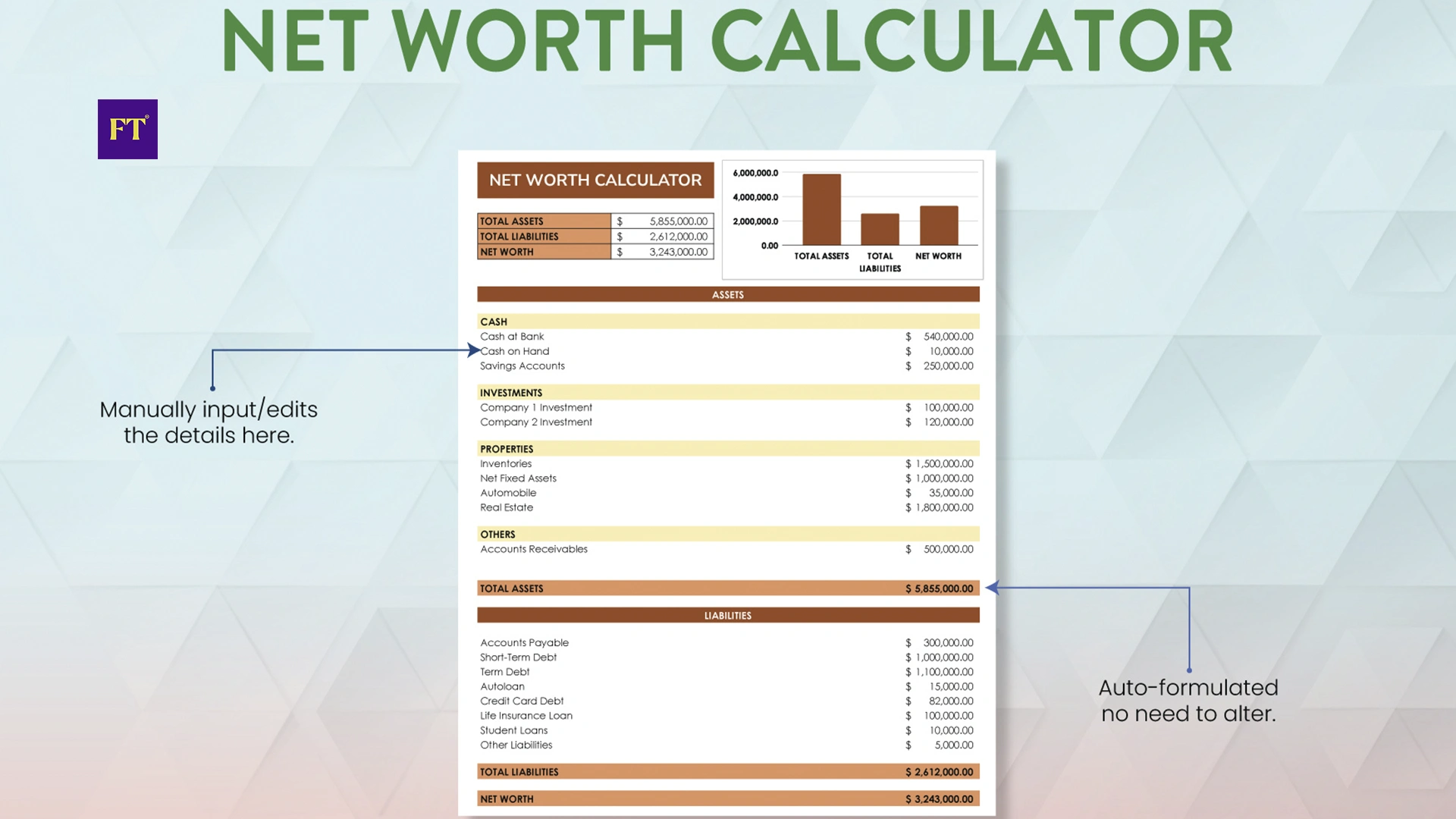
The net worth of an individual or entity referred to as "3 oh 3" is calculated by compiling all liquid and illiquid assets—including real estate holdings, private equity stakes, liquid capital, and intellectual property portfolios—and subtracting total liabilities, debts, and outstanding financial obligations. Evaluating this portfolio requires examining verified public disclosures, corporate filings, market valuations, and known revenue streams to establish a realistic financial baseline.
Defining the "3 Oh 3" Entity and Financial Scope
When analyzing the financial standing of an entity designated by the phrase "3 oh 3," clarity on the specific domain, individual, or corporate structure is paramount. Depending on the context, "3 oh 3" may reference a regional branding effort, a prominent digital creator, a boutique investment collective, or an LLC holding diversified assets. Establishing the exact boundaries of the entity prevents conflation with similarly named private ventures or geographical identifiers, such as the widely known Colorado area code.
Financial evaluation begins by distinguishing between personal wealth and corporate enterprise valuation. For private entities, assets are often heavily intertwined with operating businesses, meaning that simple cash-flow metrics do not tell the whole story. Observers must separate top-line revenue from true net equity, accounting for tax burdens, overhead costs, and debt service ratios. Understanding this scope ensures that any net worth assessment reflects fundamental economic reality rather than speculative market hype.
Core Components of Asset Valuation
A comprehensive net worth overview relies on a meticulous categorization of assets into distinct liquidity tiers. Without a clear ledger of what is owned versus what is owed, any reported valuation remains speculative. Financial analysts typically categorize assets into three primary buckets: liquid cash equivalents, investment portfolios, and tangible physical property.
Liquid Capital and Cash Equivalents
Liquid assets form the foundation of immediate financial stability. These include traditional bank deposits, money market accounts, short-term treasury bills, and easily accessible digital currencies or brokerage cash balances. For an entity operating at a high level, maintaining a healthy reserve of liquid capital mitigates market volatility and ensures operational continuity. However, cash rarely represents the bulk of a substantial net worth; rather, it serves as the circulatory system that funds ongoing ventures and protects against short-term liquidity crunches.
Real Estate and Physical Property
Tangible holdings often constitute a significant percentage of a high-net-worth portfolio. This category encompasses residential real estate, commercial properties, land parcels, and high-value physical assets such as vehicles, equipment, or precious commodities. Valuing these assets requires regular appraisals, adjustments for localized market trends, and an accounting of any existing mortgages or liens. While real estate offers long-term appreciation and a hedge against inflation, it suffers from low short-term liquidity, meaning its net contribution depends heavily on current market demand.
Business Equity and Intellectual Property
For modern enterprises, intangible assets frequently outpace physical holdings in value. This includes equity shares in private corporations, partnerships, patents, trademarks, copyrighted material, and proprietary technology. Valuing business equity involves analyzing EBITDA (Earnings Before Interest, Taxes, Depreciation, and Amortization), applying industry-specific revenue multiples, and assessing the competitive moat of the enterprise. Intellectual property must be evaluated based on historical licensing revenues and future commercial viability.
Liabilities, Debt Obligations, and Risk Factors
A net worth overview is incomplete without a rigorous accounting of liabilities. Assets tell only half the story; outstanding financial commitments dictate true net value. Liabilities are generally split into short-term obligations—such as accounts payable, short-term operational loans, and tax liabilities—and long-term commitments, including multi-year mortgages, corporate bonds, and leveraged investment loans.
Understanding leverage is critical when assessing financial health. While strategic leverage allows entities to accelerate growth by utilizing borrowed capital to acquire appreciating assets, excessive or poorly structured debt introduces severe vulnerability. If market conditions shift or revenue streams contract, high debt service obligations can quickly drain liquid reserves, leading to forced asset liquidation at distressed prices. Consequently, a conservative risk management strategy dictates maintaining a favorable debt-to-equity ratio, ensuring that market downturns do not threaten the solvency of the core portfolio.
Comparative Asset Allocation Framework
To understand how a diversified portfolio is structured, it is helpful to examine the standard allocation models utilized by wealth managers. The table below outlines the typical asset classes, their relative liquidity, and their primary role within a balanced financial profile.
| Asset Category | Typical Liquidity | Primary Financial Role | Valuation Method |
|---|---|---|---|
| Cash & Equivalents | Immediate (0–7 days) | Emergency buffer, operational liquidity | Stated bank value, par value |
| Public Equities | High (1–3 days) | Capital growth, dividend generation | Market-to-market exchange pricing |
| Real Estate | Low (Months to years) | Inflation hedge, wealth preservation | Independent appraisals, comparable sales |
| Private Equity / Business | Very Low (Years) | High-yield growth, enterprise control | Discounted cash flow, EBITDA multiples |
| Intellectual Property | Variable | Passive income, niche market dominance | Historical earnings, royalty projections |
Methodologies for Assessing Net Worth
Calculating net worth accurately demands adherence to established accounting principles and rigorous verification standards. Financial analysts utilize distinct methodologies depending on the availability of public data and the complexity of the underlying holdings.
Public Record Auditing
For publicly traded entities or individuals required to file public disclosures, net worth estimations rely on verified regulatory filings, SEC documents, court records, and published financial statements. These documents provide a legally binding baseline for corporate equity and reported debts. However, public records rarely capture the entirety of private holdings, offshore accounts, or unlisted personal property, meaning public figures often possess a true net worth that differs from media estimates.
Income and Revenue Multiples
When dealing with private enterprises or content-driven brands where direct asset registries are private, analysts use revenue and earnings multipliers. By examining historical earnings reports, sponsorship deals, merchandising revenues, and digital monetization metrics, analysts apply industry-standard valuation bands to estimate the underlying worth of the business engine. This method requires careful adjustment for profit margins, overhead costs, and market saturation.
Frequently Asked Questions
What is the primary purpose of a net worth overview?
A net worth overview provides a clear, quantitative snapshot of financial health by summarizing total assets against total liabilities. It helps stakeholders evaluate long-term wealth accumulation, assess creditworthiness, and guide strategic investment or borrowing decisions.
How do market fluctuations impact a diversified net worth?
Market fluctuations directly alter the valuation of liquid assets, publicly traded stocks, and real estate holdings. While short-term volatility causes temporary swings in total net worth, diversified portfolios managed with proper risk controls tend to absorb market corrections more effectively over multi-year horizons.
Why is liquidity important when evaluating total wealth?
Liquidity measures how quickly an asset can be converted into cash without significant loss of value. High net worth tied entirely to illiquid real estate or private business equity can still result in cash-flow crises if immediate capital is required to service debt or fund operations.
How are debts factored into a net worth calculation?
All outstanding debts—including mortgages, business loans, lines of credit, and tax obligations—are subtracted from the total aggregate value of all owned assets to arrive at the final net worth figure.
Can net worth estimates fluctuate significantly based on the valuation method used?
Yes. Depending on whether an analyst applies conservative book value, current market liquidation value, or forward-looking revenue multiples, estimated net worth figures for private entities can vary widely.
Strategic Financial Management and Next Actions
Maintaining and growing a robust financial portfolio requires continuous monitoring, disciplined risk management, and regular portfolio rebalancing. Whether managing personal wealth or corporate assets, stakeholders should perform periodic audits of all asset classes, reassess liability structures in response to macroeconomic shifts, and ensure that liquidity reserves remain adequate to handle unforeseen market disruptions. Consulting with certified financial planners, tax professionals, and legal counsel ensures that asset protection strategies align with current regulatory frameworks and long-term financial objectives.