Released in February 1995, "Dear Mama" serves as the lead single from Tupac Shakur’s third studio album, Me Against the World. Produced by Tony Pizarro, the track is a poignant, raw, and deeply personal tribute to his mother, Afeni Shakur. It successfully balances a critique of his mother’s struggles with addiction against an overwhelming sense of gratitude for her resilience, cementing its status as a definitive masterpiece in hip-hop and American cultural history.
Historical Context and the Release of Me Against the World
To understand the weight of "Dear Mama," one must look at the turbulent period in which it was created. By late 1994, Tupac Shakur was a man under immense pressure. He was facing significant legal battles, including a sexual assault trial that would eventually lead to his incarceration. The recording of the song took place at Echo Sound Studios in Los Angeles, during a window where Shakur felt increasingly isolated and reflective.
The song was released while Tupac was serving time at the Clinton Correctional Facility in New York. This irony—that a song celebrating the strength of his mother was topping the charts while the artist himself was behind bars—added a layer of tragic authenticity to the track. Me Against the World debuted at number one on the Billboard 200, making Tupac the first artist to have a number-one album while serving a prison sentence.
"Dear Mama" was the engine behind this success. It was not just a commercial hit; it was a cultural pivot. At a time when West Coast "G-Funk" was often associated with hedonism and aggression, "Dear Mama" showcased a vulnerability that few rappers had dared to exhibit. It humanized the figure of the "gangsta rapper," revealing the child underneath who was simply trying to survive a broken environment alongside his mother.
Lyrical Breakdown: Honesty, Vulnerability, and Redemption
The lyrical structure of "Dear Mama" is a masterclass in narrative storytelling. Tupac does not shy away from the darker aspects of his upbringing. He explicitly mentions his mother’s addiction to crack cocaine, a bold and painful admission that many would have hidden to protect their family’s image.
The First Verse: Childhood Struggles
In the opening verse, Tupac reflects on his youth in New York City. He describes the difficulties of growing up in a single-parent household where "the police was the only ones that I was scared of." He acknowledges his own rebellious nature, admitting to being a "troubled child" who hung out with the "wrong crew." However, the anchor of the verse is his realization of his mother's sacrifice. Lines like "I finally understand / For a woman it ain't easy tryin' to raise a man" signal a transition from childhood resentment to adult empathy.
The Second Verse: Addiction and Resilience
The second verse is perhaps the most famous and emotionally charged. Tupac addresses Afeni’s addiction directly: "And even as a crack fiend, mama / You always was a black queen, mama." This line is revolutionary in hip-hop. It rejects the stigma of drug use in favor of recognizing the inherent dignity of the person. He credits her for providing for him and his sister, Sekyiwa, even when the "refrigerator was empty."
The Third Verse: Gratitude and the Present
The final verse shifts toward the present (as of 1995). Tupac expresses his desire to pay his mother back, though he knows he never truly can. The line "There's no way I can pay you back / But the plan is to show you that I understand" summarizes the entire intent of the song. It is an apology, a thank-you note, and a promise of better days all wrapped into one.
Production and Musicality: Sampling Joe Sample and The Spinners
The emotional resonance of "Dear Mama" is significantly amplified by its soulful production. Tony Pizarro, the primary producer, sought a sound that felt warm, nostalgic, and melancholic.
The song’s core melody is built around a sample from Joe Sample’s "In All My Wildest Dreams," a track from his 1978 album Rainbow Seeker. The gentle piano riff and smooth guitar work provide a jazz-fusion foundation that softens the edges of Tupac’s gravelly voice. This choice of sample was intentional; it evokes a sense of "old school" soul that resonated with the older generation of listeners, including mothers like Afeni herself.
Additionally, the song utilizes a vocal sample from The Spinners' 1974 hit "Sadie." The background vocals, which echo the sentiment of a mother’s love, were re-sung by Reggie Green and Danette Williams. This layering of soul history connects "Dear Mama" to a broader lineage of Black music dedicated to maternal figures.
Technically, the track is set in the key of C minor and maintains a steady 84 beats per minute. This mid-tempo pace allows the lyrics to breathe, ensuring that the listener focuses on the message rather than the rhythm. The production is sparse enough to let the narrative shine but lush enough to remain a staple of radio airplay for decades.
The Cultural Significance of Black Motherhood in Hip-Hop
"Dear Mama" is more than just a song; it is a sociological document. It highlights the specific challenges faced by Black mothers in America during the 1970s and 80s—an era marked by the war on drugs, systemic poverty, and the dismantling of social safety nets.
Afeni Shakur was not a generic maternal figure. She was a member of the Black Panther Party and one of the "Panther 21." Her activism and her subsequent struggles were emblematic of a generation of Black activists who faced intense government scrutiny and personal hardship. By celebrating her, Tupac was also celebrating the "Black Queen" who resisted oppression while fighting her personal demons.
The song helped bridge the gap between the "conscious" rap of the late 80s and the "hardcore" rap of the 90s. It proved that an artist could be "street" and sensitive simultaneously. This duality influenced a generation of future artists, from Kanye West ("Hey Mama") to Kendrick Lamar and J. Cole, who have all cited the song as a blueprint for emotional honesty in rap.
Recognition and Awards: A Legacy in the Library of Congress
The impact of "Dear Mama" has been validated by numerous accolades and historical milestones. In 1995, the song peaked at number nine on the Billboard Hot 100 and spent several weeks at the top of the Hot R&B/Hip-Hop Singles & Tracks chart. It was certified Platinum by the RIAA in July 1995, a feat that would eventually reach multi-platinum status.
In 2009, "Dear Mama" received one of the highest honors possible for a musical work in the United States. It was selected for preservation in the National Recording Registry by the Library of Congress. The Registry selects recordings that are "culturally, historically, or aesthetically significant." "Dear Mama" was the third hip-hop song ever to be inducted, following Grandmaster Flash's "The Message" and Public Enemy's It Takes a Nation of Millions to Hold Us Back.
The Library of Congress stated that the song is "a moving and eloquent homage to both the recording artist's own mother and all mothers struggling to maintain a family in the face of addiction, poverty, and societal indifference."
The 2023 Documentary and the Perspective from 2026
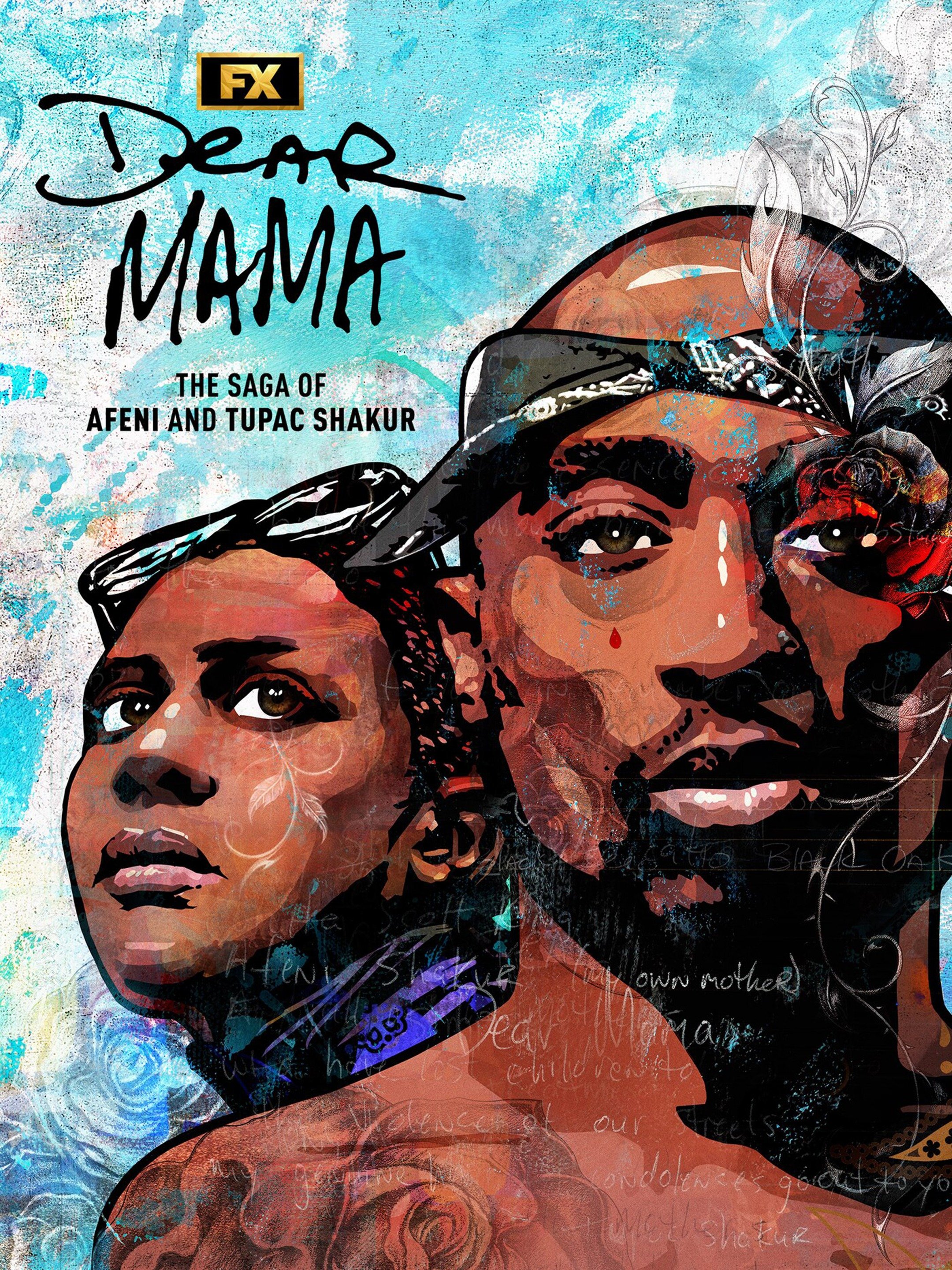
As of 2026, the legacy of "Dear Mama" has been further cemented by the 2023 FX/Hulu docuseries titled Dear Mama, directed by Allen Hughes. This five-part series used the song as a thematic framework to explore the parallel lives of Tupac and Afeni Shakur. It provided previously unseen footage and interviews that contextualized the lyrics of the song, showing that the relationship between mother and son was even more complex than the song suggested.
The documentary highlighted that "Dear Mama" was not just a tribute, but a tool for reconciliation. Afeni herself often spoke about how the song helped her heal from her past mistakes. In 2026, the song remains a fixture on social media every Mother's Day, serving as the universal anthem for anyone who has a complicated but loving relationship with their parent.
Comparison of Notable Hip-Hop Mother Tributes
While many rappers have followed in Tupac's footsteps, "Dear Mama" remains the gold standard. The following table compares several prominent hip-hop tributes to mothers to highlight their different approaches and successes.
| Song Title | Artist | Release Year | Primary Theme | Key Musical Element |
|---|---|---|---|---|
| Dear Mama | 2Pac | 1995 | Resilience & Forgiveness | Sample of Joe Sample's "In All My Wildest Dreams" |
| Hey Mama | Kanye West | 2005 | Celebration & Pride | Upbeat, soul-inflected production |
| Cleanin' Out My Closet | Eminem | 2002 | Anger & Resentment | Dark, orchestral arrangement |
| Dance | Nas | 2002 | Mourning & Loss | Somber jazz/soul influence |
| Look What You've Done | Drake | 2011 | Growth & Gratitude | Soft piano and spoken word elements |
Technical Specifications and Release Data
For collectors and music historians, the physical and digital releases of "Dear Mama" carry specific data points that reflect its era.
- Label: Interscope Records / Out Da Gutta
- Formats: CD Single, 12" Vinyl, Cassette Single
- B-Side: "Old School" (on most versions)
- Album: Me Against the World (Track 10)
- RIAA Certification: Platinum (Original), now Multi-Platinum as of 2026 digital tracking
- Video Director: Gobi Rahimi (The video famously features a Tupac look-alike due to Shakur's incarceration at the time of filming).
Frequently Asked Questions
What was Afeni Shakur’s reaction to the song?
Afeni Shakur was deeply moved by the song. In various interviews throughout her life, she stated that it was a source of pride and a form of validation for her struggles. She appreciated that Tupac did not sugarcoat their history but chose to love her through the truth. She often used the song's platform to further her philanthropic work and keep Tupac's legacy alive after his death in 1996.
Why is "Dear Mama" considered more significant than other 2Pac songs?
While "California Love" or "Changes" may have more global recognition in terms of pop-radio play, "Dear Mama" is often cited as his most significant work because of its emotional depth. It broke the stereotype of the hyper-masculine rapper and allowed for a vulnerability that became a prerequisite for the introspective "conscious rap" and "emo rap" subgenres that followed.
Does the song "Dear Mama" have any legal controversies?
The primary legal discussions surrounding the song involved the clearance of samples. Over the decades, the estate of Tupac Shakur and Interscope Records have had to ensure that the royalties for the Joe Sample and Spinners samples were correctly managed. Unlike some of Tupac's other works, which faced "interpolation" issues, "Dear Mama" is widely recognized as a textbook example of successful and legal sampling in hip-hop.
Who is the woman in the "Dear Mama" music video?
Since Tupac was in prison during the video shoot, a stand-in was used for certain shots. The woman playing his mother in the narrative scenes was an actress, but the video also integrated real photos and footage of Afeni Shakur to maintain authenticity. The video was directed by Gobi Rahimi, who was a close associate of Tupac during his final years.
How many times has "Dear Mama" been sampled by other artists?
"Dear Mama" has been sampled or interpolated dozens of times. Most notably, artists in the R&B and Hip-Hop space use the "You are appreciated" line as a shorthand for gratitude. Its influence can be heard in tracks by J. Cole and even pop artists who want to evoke the specific "90s soul" feeling that the song perfected.
Next Steps for Enthusiasts
For those looking to deepen their understanding of this track, the best next action is to watch the 2023 "Dear Mama" docuseries on FX or Hulu. It provides the most comprehensive look at the relationship between Tupac and Afeni, offering a context that makes the song even more impactful. Additionally, listening to Joe Sample’s Rainbow Seeker album can provide a technical appreciation for how Tony Pizarro transformed a jazz-fusion piece into a hip-hop staple.