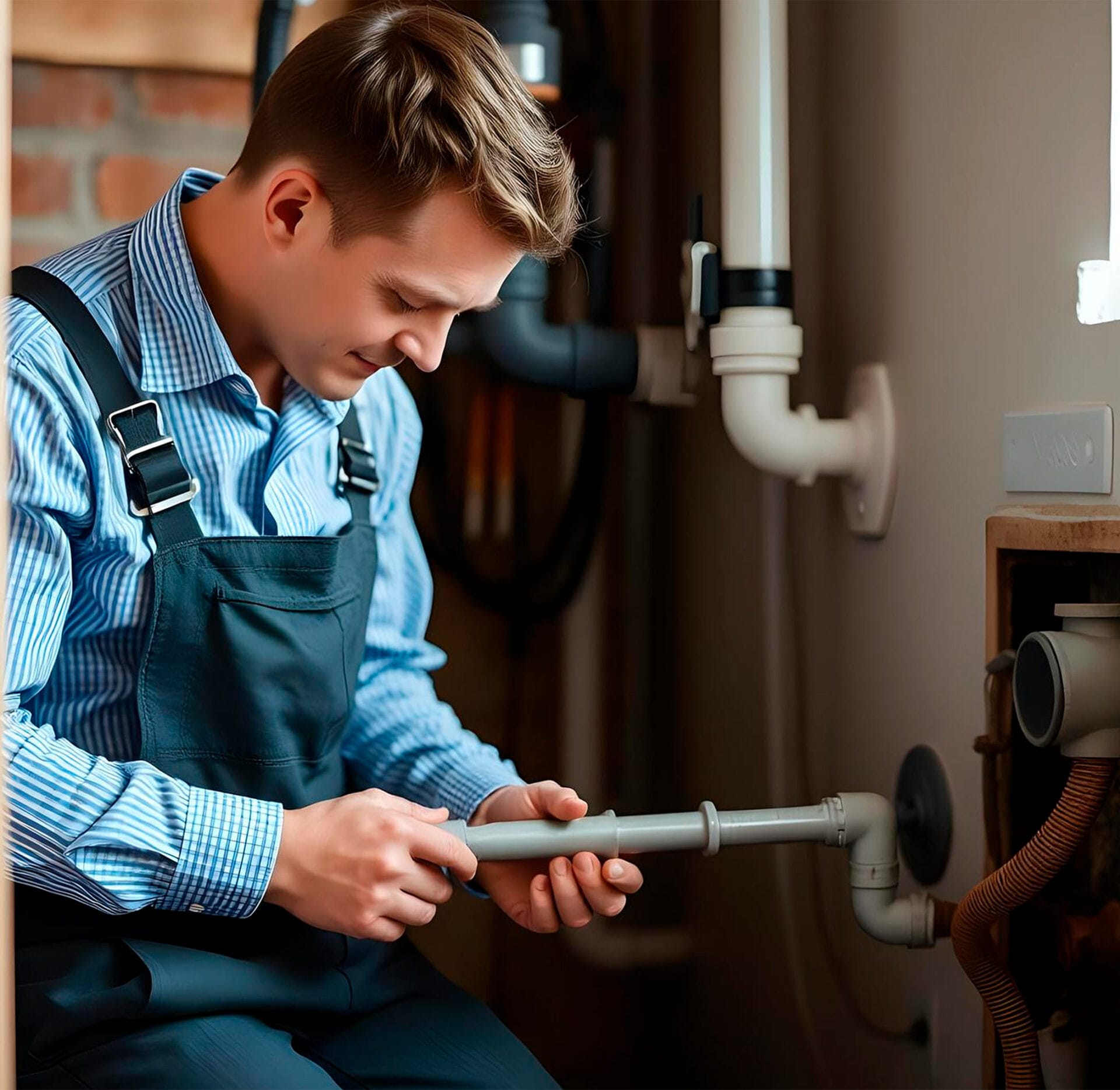
When a pipe bursts, a water heater fails, or a main sewer line backs up in the middle of the night, 24 hr plumbing services provide the immediate intervention necessary to prevent catastrophic property damage. These specialized providers maintain around-the-clock availability, utilizing licensed technicians to diagnose and stabilize urgent failures, mitigate water damage, and perform essential repairs to restore sanitary living conditions outside of standard business hours.
Understanding the Scope of Emergency Plumbing
Not every plumbing issue warrants a call to an after-hours emergency service. Distinguishing between a routine maintenance task and a true plumbing emergency is the first step in managing home repair costs and expectations.
A true emergency is defined by an immediate threat to your home’s structural integrity, health, or safety. Examples include:
- Burst or Broken Pipes: These can release hundreds of gallons of water in a short time, leading to significant structural rot and mold growth.
- Main Sewer Backups: If water is backing up into your sinks, bathtubs, or toilets, it represents a significant biological hazard due to raw sewage.
- Water Heater Failures: A leaking tank can cause flooding, while a total loss of hot water may be classified as an emergency in households with vulnerable individuals or during extreme cold.
- Gas Leak Indicators: If you suspect a gas leak (often identified by a "rotten egg" odor), you must evacuate immediately and call emergency services or your gas utility provider before contacting a plumber.
Routine issues, such as a dripping faucet, a slow-draining sink, or a running toilet that does not cause active flooding, can typically wait for standard service appointments. Waiting for regular hours often results in significantly lower service fees.
The Operational Reality of 24 Hr Plumbing
When you call for 24-hour service, you are paying a premium for availability, specialized labor, and the rapid deployment of resources. Unlike standard appointments, emergency plumbing operates on a different logistical framework.
The Dispatch and Response Model
Most companies operating 24-hour lines utilize an on-call rotation. When you call, a dispatcher—not always a master plumber—will intake the details of your issue to determine if it is truly an emergency or if a technician can be dispatched. Once a technician is assigned, travel time, vehicle preparation, and the "after-hours" call-out fee are factored into the initial estimate.
Prerequisites for Efficient Service
To ensure the plumber can resolve the issue effectively upon arrival, prepare your home before they reach your doorstep:
- Shut Off the Water: Every homeowner should know the location of their main water shut-off valve. If a pipe has burst, turning this valve to the "off" position is the single most important action to limit water damage.
- Clear the Area: Move furniture, boxes, or personal items away from the suspected leak area. A plumber cannot repair a pipe hidden behind a wall of storage bins.
- Document the Issue: If it is safe to do so, take photos or videos of the leak. This can be invaluable for insurance claims later.
- Identify the Source: If you can pinpoint whether the leak is coming from a fixture, a ceiling, or a floor slab, relay this information clearly to the dispatcher.
Cost Considerations and Billing Structures
It is common for 24-hour plumbing services to charge more than daytime providers. Transparency is vital, though "emergency pricing" can vary widely by region.
Common Fee Components
- Service Call/Trip Fee: A flat fee to cover the plumber's travel and the cost of maintaining an on-call vehicle.
- After-Hours Surcharge: Many firms apply a multiplier or a flat "after-hours" rate for work performed between 6:00 PM and 8:00 AM, or during weekends and holidays.
- Hourly vs. Flat-Rate Labor: Some firms charge by the hour, while others use a flat-rate book that prices specific tasks regardless of how long they take.
- Material Markups: Because emergency shops may have limited inventory on-site, parts might be sourced at a higher cost during off-hours, which is reflected in the final invoice.
Comparative Cost Table
| Service Type | Typical Timing | Cost Expectation | Complexity |
|---|---|---|---|
| Standard Service | Weekdays 8am–5pm | Baseline Rate | Routine |
| Priority Appointment | Next Available Slot | Moderate Surcharge | Urgent but contained |
| Emergency After-Hours | Nights/Weekends/Holidays | High Premium | Critical/Immediate |
| Holiday Emergency | Federal Holidays | Highest Premium | Immediate/High Demand |
Vetting a 24-Hour Provider
Entrusting your home to a stranger in the middle of the night requires due diligence. Before an emergency occurs, verify the credentials of local service providers so you are not scrambling to research them during a flood.
- Licensing and Insurance: Ensure the plumber is licensed in your jurisdiction. A license indicates that the technician has met state-mandated training and testing requirements. Furthermore, ensure they carry general liability and workers' compensation insurance.
- Transparency in Pricing: A reputable company will be able to provide a rough estimate or explain their pricing structure over the phone. Be wary of companies that refuse to disclose if there is an "after-hours fee."
- Availability Guarantee: Confirm that the company actually has local technicians on call, rather than acting as a lead-generation service that sells your data to the highest bidder.
- Local Reputation: While online reviews are helpful, prioritize feedback that specifically mentions emergency situations, response times, and the accuracy of quotes provided over the phone.
Mitigating Secondary Damage
A plumber’s job is to stop the leak; they are generally not responsible for the extensive water remediation process that follows. Once the plumbing issue is resolved, your next priority is preventing mold growth and long-term structural degradation.
If you have experienced significant water intrusion:
- Extract Standing Water: Use a wet-dry vacuum or towels to remove as much water as possible immediately.
- Increase Ventilation: Use fans and dehumidifiers to begin the drying process.
- Contact Professionals: If the water has permeated carpets, drywall, or insulation, contact a water restoration company. They have the industrial equipment required to dry a structure to prevent toxic mold development.
- Notify Your Insurer: Many homeowner insurance policies cover plumbing emergencies and the resulting water damage, provided the damage was not caused by a failure to maintain the property.
Frequently Asked Questions
Can I fix a pipe leak with store-bought tape?
Epoxy putties or "leak-stop" tapes are temporary, stop-gap measures. They are almost never a permanent solution. While they may slow a leak enough to prevent massive flooding while you wait for a professional, they do not resolve the underlying pressure issues that caused the pipe to fail in the first place.
Is a lack of hot water considered an emergency?
Generally, no. Unless you have specific medical requirements or are in a climate where freezing pipes are a risk due to the lack of circulation, a water heater failure is typically a priority request for the next business day rather than a middle-of-the-night emergency.
What if I cannot find my main water shut-off valve?
You should locate this valve during daylight hours under normal conditions. It is usually found near the street, in the basement, or in a utility closet. If you cannot find it, call your municipal water department; they can often assist in shutting off the water at the street meter, especially if a leak is endangering the property.
Should I pay the plumber before or after the job?
Always wait until the job is completed and you have inspected the work. Reputable companies will provide an itemized invoice detailing the labor performed and the parts used before asking for payment.
Why did the price change from the initial estimate?
In emergency plumbing, it is difficult to see the full extent of a problem until a pipe is opened. If the technician discovers additional damage—such as corroded pipes behind the one that burst—they should provide a revised estimate for your approval before proceeding with that additional work.
Next Steps for Homeowners
To be prepared for any plumbing contingency, create a "Home Emergency Folder." In this folder, include the contact information for at least two verified 24-hour plumbing services in your area. Use a permanent marker to clearly label the main water shut-off valve in your home with a bright tag so any family member can find it in the dark or during a panic. By establishing these protocols now, you reduce the stress and financial impact of a plumbing emergency when it inevitably occurs.